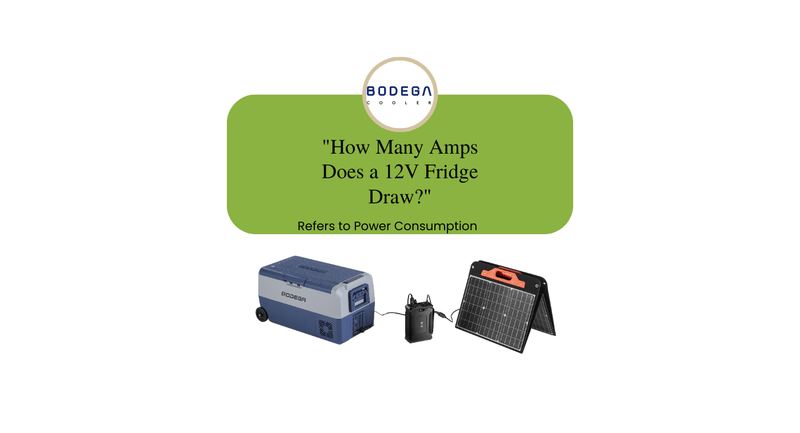
Have you ever wondered how much energy your refrigerator actually uses? It’s not just about keeping your food cold; it’s about understanding your energy consumption and saving on electricity bills.
The amp usage of a refrigerator can impact your monthly expenses more than you might think. By knowing how many amps your fridge uses, you can make smarter decisions about energy efficiency and potentially lower your costs. You’ll discover the amp usage of a typical refrigerator and learn practical tips to optimize your energy use.
Stick around, because the insights you gain here could lead to surprising savings and a more efficient home.

Credit: vtoman.com
Refrigerator Power Basics
Understanding your refrigerator’s power usage is more than just knowing the number on the label. It helps you manage your electricity bill and choose the right appliance for your needs. Let’s break down the basics of power consumption so you can make informed decisions about your fridge and energy use.
Voltage And Amperage Explained
Voltage is the pressure that pushes electric current through the fridge’s circuits. Most household refrigerators in the US operate at around 120 volts. Amperage, or amps, measures the amount of electric current flowing through the appliance.
Your refrigerator typically draws between 3 to 6 amps when running. However, during startup, the compressor might pull more amps briefly, sometimes up to 10 or 12. Knowing these numbers helps you understand how much power your fridge needs to run smoothly.
Wattage And Energy Consumption
Wattage is the product of voltage and amperage—it tells you the total power your fridge uses. For example, a fridge operating at 120 volts and 5 amps uses 600 watts (120V × 5A = 600W). This figure is essential when calculating your energy consumption and cost.
Your refrigerator doesn’t run continuously; it cycles on and off to maintain temperature. This means the average wattage usage over time is less than the running wattage. Have you checked your fridge’s energy guide label lately? It often shows estimated yearly energy use in kilowatt-hours (kWh), giving you a clearer picture of its real-world consumption.

Credit: www.renogy.com
Average Amperage Of Common Refrigerators
Understanding the average amperage of common refrigerators helps you manage your home’s electrical load better. Knowing how much current your fridge draws can prevent overloads and reduce energy costs. Let’s look at typical amperage values across different refrigerator styles to give you a clearer picture.
Top-freezer Models
Top-freezer refrigerators are among the most popular and usually the most energy-efficient. They typically draw between 3 to 6 ampsduring normal operation.
This range depends on the size and features of the fridge. For example, a standard 18-cubic-foot model often uses around 4 to 5 amps when running.
If you have an older top-freezer fridge, expect it to lean towards the higher end of this range since older compressors consume more power.
Side-by-side Refrigerators
Side-by-side refrigerators tend to use more amperage due to their larger size and additional features like ice makers and water dispensers.
Most models fall between 5 to 8 ampswhile running.
Think about your last visit to a store: those side-by-side units with digital displays often draw closer to 7 or 8 amps, especially during compressor startup.
Compact And Mini Fridges
If you’re working with a small space or need a secondary fridge, compact models are the go-to option. These usually draw between 1 to 2.5 amps.
The lower amperage makes them ideal for dorm rooms, offices, or RVs.
However, their smaller compressors may cycle more frequently, so keep an eye on how this affects your energy bills.
Factors Affecting Refrigerator Amps
Understanding the factors that affect how many amps a refrigerator uses can help you make smarter choices about energy consumption and appliance care. The current draw of your fridge isn’t fixed—it changes based on several key elements. Knowing these can help you estimate your electricity needs and spot potential issues early.
Compressor Size And Type
The compressor is the heart of your refrigerator, and its size directly influences how many amps it pulls. Larger compressors generally require more power to run, especially during startup. Different types of compressors, like rotary or reciprocating, also have varying energy demands.
If you’ve ever noticed your fridge’s compressor humming louder during hot days, that’s the motor working harder to keep things cool, drawing more amps. Have you checked if a smaller compressor might suit your needs without compromising on performance?
Age And Efficiency
Older refrigerators tend to use more amps because their components aren’t as efficient as newer models. Over time, wear and tear on motors and seals can cause the compressor to work harder, increasing current draw. Newer models often come with energy-saving features that reduce amp usage significantly.
Think about your current fridge—how old is it? Upgrading to an energy-efficient model might reduce your power bills more than you expect.
Additional Features Impact
Modern refrigerators often come packed with extra features like ice makers, water dispensers, and digital displays. Each additional feature adds to the overall electrical load, increasing the amps drawn. Even LED lighting inside the fridge contributes to the total power consumption, although usually in a smaller way.
Consider how many extra features you actually use. Could cutting back on some functions help lower the amps and save energy?
Measuring Refrigerator Amps At Home
Measuring the amps a refrigerator uses helps understand its power consumption. It shows how much electricity the fridge draws during operation. This info aids in managing energy use and preventing overloads in your home’s electrical system. Several simple ways exist to check this at home safely and accurately.
Using A Clamp Meter
A clamp meter measures current without disconnecting the fridge. It clamps around the power cord and reads amps directly. To use it:
- Turn off the fridge and unplug it.
- Open the clamp meter jaws and place them around one wire of the power cord.
- Plug the fridge back in and turn it on.
- Read the amp value displayed on the meter.
This tool is safe and quick for checking running current. It shows the real-time current draw, including startup surges.
Reading The Nameplate
Most refrigerators have a nameplate or label with electrical info. It lists volts, amps, and watts. Check the back or inside the door frame. The amps listed are usually the running current.
Use this data to estimate power use. Multiply amps by volts for watts. This method is simple but may not show startup amps, which are higher.
Monitoring Energy Usage
Smart plugs or energy monitors track total power consumption over time. Plug the fridge into the monitor, then the monitor into the outlet. It logs energy use and sometimes amps.
These devices give detailed info about daily or monthly usage. They help spot unusual power spikes or inefficiencies. Ideal for users wanting ongoing data rather than a one-time reading.
Reducing Refrigerator Energy Draw
Reducing the energy your refrigerator uses can make a big difference on your electric bill and environmental impact. Even small changes in how you maintain and operate your fridge help lower its energy draw. Let’s look at practical ways you can cut down the amps your refrigerator pulls every day.
Proper Maintenance Tips
Keeping your refrigerator clean and in good shape is the easiest way to reduce its energy use. Dust buildup on the coils makes the compressor work harder, increasing amps. Try to clean the coils at least twice a year with a vacuum or brush.
Check door seals regularly to make sure they close tightly. A loose seal lets cold air escape and forces the fridge to use more power. If you notice condensation or warm spots, it might be time to replace the gasket.
Optimal Temperature Settings
Setting the right temperature inside your fridge and freezer can save energy without risking food safety. Aim for about 37°F (3°C) for the fridge and 0°F (-18°C) for the freezer. Colder settings use more amps but don’t necessarily keep food fresher.
Have you ever kept your fridge too cold, thinking it was better? Adjusting to optimal settings can reduce power consumption noticeably over a month. Use a fridge thermometer if your appliance doesn’t show precise temperatures.
Upgrading To Energy Star Models
If your fridge is over 10 years old, it might be time to consider a newer model. Energy Star refrigerators use advanced technology to consume fewer amps while keeping your food fresh. They often have better insulation and efficient compressors that lower electricity use.
Think about how much you spend on electricity yearly. An Energy Star model could reduce your energy draw by 15-20%. That adds up to real savings over time, making the upfront cost worthwhile.

Credit: www.jackery.com
Electrical Safety And Circuit Requirements
Electrical safety is vital when installing or using a refrigerator. Understanding circuit requirements helps prevent hazards and keeps your appliance running smoothly. A refrigerator draws a specific amount of current, which influences the size of the circuit breaker and wiring needed. Proper installation reduces risks like electrical fires and overloads.
Following safety guidelines ensures your fridge operates within safe electrical limits. This protects both your home and the refrigerator’s components. Using the correct circuit size and avoiding excessive loads make your kitchen safer.
Recommended Circuit Breaker Sizes
Most refrigerators use between 3 to 6 amps while running. A 15-amp circuit breaker is usually recommended for typical home refrigerators. This size allows for the fridge’s startup surge without tripping the breaker.
Some larger models may require a 20-amp breaker. Always check the appliance label for exact amperage. Using the right breaker size prevents electrical damage and outages.
Avoiding Overloads
Do not plug multiple high-power devices into the same circuit as the refrigerator. Overloading a circuit can cause breakers to trip or wiring to overheat. Keep the fridge on a dedicated circuit if possible.
Regularly inspect cords and outlets for damage. Replace any worn or frayed parts immediately. This helps maintain a safe electrical environment in your kitchen.
Safe Installation Practices
Install the refrigerator near a grounded outlet with the correct voltage. Ensure the outlet and wiring meet local electrical codes. Use a qualified electrician for installation if unsure.
Keep the power cord away from heat and sharp edges. Avoid extension cords; they can cause voltage drops and overheating. Proper installation extends your refrigerator’s lifespan and keeps your home safe.
Frequently Asked Questions
How Many Amps Does A Typical Refrigerator Draw?
A typical refrigerator draws between 3 to 6 amps during normal operation. Startup amps can be higher, around 7 to 15 amps, briefly.
What Factors Affect A Refrigerator’s Amp Usage?
Refrigerator size, age, compressor type, and efficiency impact amp usage. Larger or older models usually consume more amps than newer, energy-efficient ones.
How To Calculate Refrigerator Amps From Watts?
Divide the refrigerator’s wattage by the voltage (usually 120V) to get amps. For example, 600 watts ÷ 120 volts = 5 amps.
Do Refrigerators Use More Amps When Cooling?
Yes, refrigerators use more amps during the compressor’s startup and active cooling cycles. Amp draw decreases once the desired temperature is reached.
Conclusion
A typical refrigerator uses between 3 to 6 amps while running. This depends on size, model, and efficiency. Knowing the amps helps you choose the right circuit breaker. It also helps prevent electrical problems at home. Always check your fridge’s label for exact numbers.
This simple step saves money and keeps your appliance safe. Understanding amp usage makes managing electricity easier and smarter. Keep this info handy for your next appliance purchase or upgrade.