
When you’re setting up a new dishwasher, there’s one crucial detail you can’t afford to overlook: how many amps it requires. You might be wondering why this is so important.
Well, understanding the amp requirements of your dishwasher is essential for its safe and efficient operation. Imagine avoiding costly electrical problems and ensuring your dishwasher runs smoothly every time you hit the start button. Sounds good, right? By knowing the right amperage, you’re not only protecting your appliance but also safeguarding your home.
Dive in to discover everything you need to know about your dishwasher’s amp requirements and gain peace of mind with every wash cycle.
Dishwasher Power Basics
Understanding the power requirements of your dishwasher is essential before installation or troubleshooting. Knowing how many amps your dishwasher needs helps prevent electrical issues and ensures safe operation. Let’s break down the basics of dishwasher power so you can make informed decisions about your kitchen setup.
Typical Amp Ratings
Most dishwashers usually draw between 6 to 12 amps of current. The exact amp rating depends on the model and features like heating elements or advanced drying systems.
Compact or portable dishwashers often require fewer amps, around 6 to 8 amps, while full-size models with built-in heaters can pull closer to 10 to 12 amps. Have you checked the specification label on your dishwasher? It typically lists the amp rating or wattage, which you can use to calculate amps.
- Standard dishwasher: 6-12 amps
- High-end models with heaters: up to 12 amps
- Compact dishwashers: 6-8 amps
Voltage Requirements
Dishwashers in the U.S. commonly operate on a 120-volt circuit. This is the standard voltage supplied to most kitchen appliances.
In some cases, commercial or specialized dishwashers may require 240 volts, but this is rare for home units. Using the correct voltage is crucial to prevent damage and ensure your dishwasher runs efficiently.
If you’re unsure about your home’s electrical setup, consulting an electrician can save you headaches. Do you know if your kitchen outlets are on dedicated circuits? This can affect your dishwasher’s performance and safety.
Credit: www.homedepot.com
Circuit Breaker Needs
Understanding the circuit breaker needs for your dishwasher is crucial for safe and efficient operation. The right breaker size protects your appliance and home from electrical hazards. Let’s break down what you need to know to make the best choice for your kitchen setup.
Recommended Breaker Size
Most dishwashers require a circuit breaker rated between 15 and 20 amps. The exact size depends on your dishwasher’s electrical specifications, usually found on the appliance label or in the manual. Choosing a breaker that matches these specs prevents frequent tripping and potential damage.
For instance, if your dishwasher draws 10 amps, a 15-amp breaker might suffice. However, many professionals recommend a 20-amp breaker to allow some overhead and ensure smooth operation. Have you checked your dishwasher’s label lately? This simple step can save you a lot of trouble.
Dedicated Circuit Importance
Using a dedicated circuit for your dishwasher is more than just a recommendation—it’s a safety measure. Sharing a circuit with other appliances can overload the breaker, causing interruptions during your cleaning cycle. This can affect your dishwasher’s performance and may even damage your home’s wiring.
Imagine running your dishwasher while the microwave is on the same circuit. The breaker could trip, interrupting both appliances and potentially damaging them. A dedicated circuit keeps your dishwasher running smoothly and protects your home’s electrical system.
Have you ever experienced a breaker trip while using multiple appliances? That’s a sign your dishwasher might need its own circuit. Installing one might seem like extra work now, but it pays off with reliability and peace of mind.
Wiring Specifications
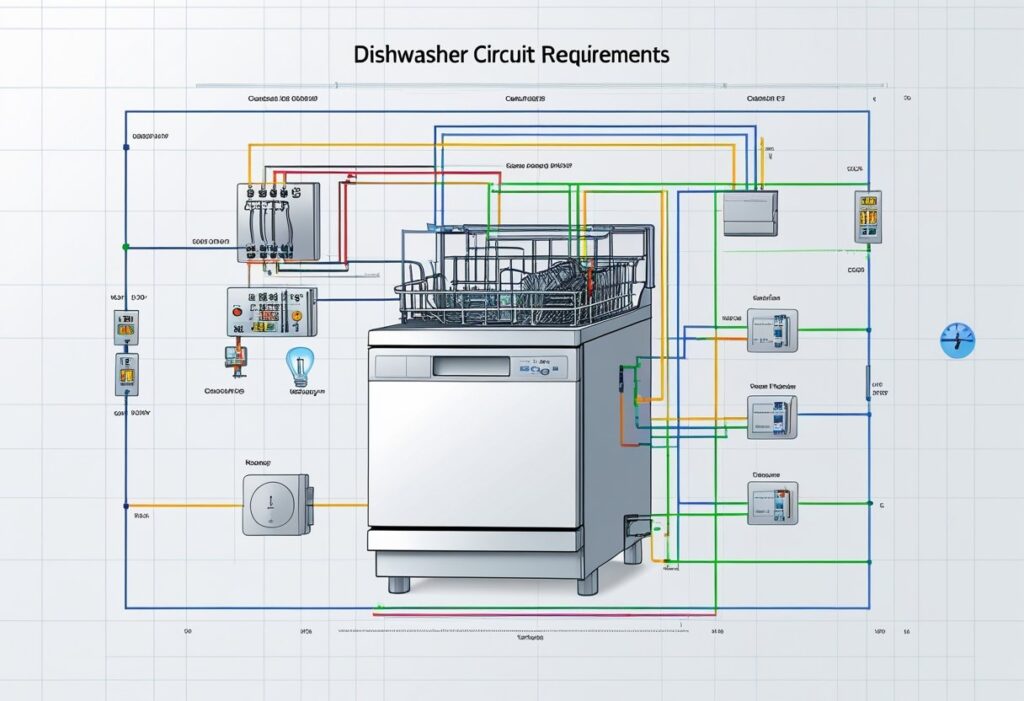
Understanding the wiring specifications for a dishwasher is essential for safe and efficient installation. Proper wiring ensures the dishwasher receives the correct power without overloading the circuit. It also helps prevent electrical hazards and appliance damage.
The wiring must match the dishwasher’s electrical requirements and local electrical codes. This includes selecting the right wire gauge and adhering to safety standards during installation.
Wire Gauge Options
Choosing the correct wire gauge is key to supporting the dishwasher’s electrical load. Most dishwashers require a 120-volt circuit with a 15- or 20-amp breaker.
- 14-gauge wire:Suitable for a 15-amp circuit, commonly used for smaller dishwashers.
- 12-gauge wire:Required for a 20-amp circuit, ideal for larger or more power-hungry models.
Using the proper wire gauge prevents overheating and reduces fire risks. Always check the dishwasher’s manual for specific wiring recommendations.
Safety Standards
Following safety standards protects both the user and the appliance. The National Electrical Code (NEC) sets rules for dishwasher wiring.
- The dishwasher must have a dedicated circuit to avoid overloads.
- Wiring should include a grounding wire to prevent electrical shock.
- Use a GFCI (Ground Fault Circuit Interrupter) outlet if required by local codes.
Hiring a licensed electrician ensures all safety standards are met and wiring is done correctly.
Credit: www.electriciantalk.com
Factors Affecting Amp Draw
The amp draw of a dishwasher varies depending on several factors. Understanding these factors helps you choose the right circuit and avoid electrical issues. Amp draw depends mostly on the dishwasher’s design and condition.
Dishwasher Features
Different dishwashers have different features that affect their power use. Models with heated drying use more amps than those without. Some have advanced spray jets and sensors that increase energy needs. The size of the dishwasher also matters. Larger models generally require more power. Extra cycles like sanitizing or steam cleaning add to the amp draw too.
Age And Efficiency
Older dishwashers often use more electricity than new ones. Over time, parts wear out and make the machine less efficient. Newer models are designed to save energy and lower amp draw. Energy Star rated dishwashers usually consume fewer amps. Regular maintenance also keeps the dishwasher running efficiently and reduces power use.
Installation Tips
Installing a dishwasher requires careful attention to electrical requirements, especially the amperage needed to operate it safely. Getting the amperage right can prevent electrical hazards and ensure your appliance runs smoothly. Here are some practical tips to consider during installation.
Hiring A Professional
Electrical work involves risks that are easy to underestimate. Hiring a licensed electrician guarantees your dishwasher is connected to the correct circuit with the appropriate amperage, usually around 15 to 20 amps. Professionals can also check your home’s wiring to avoid overloads or potential fire hazards.
Imagine saving hours of trial and error, plus the stress of worrying whether your installation meets local codes. A professional’s expertise offers peace of mind and can even protect your warranty. Would you rather spend time troubleshooting or have the job done right the first time?
Diy Considerations
If you decide to install your dishwasher yourself, knowing the amperage requirements is crucial. Most dishwashers require a dedicated 15-amp or 20-amp circuit breaker. Double-check your appliance manual and your home’s electrical panel to match these specifications.
Make sure you use the right wire gauge—typically 14-gauge wire for 15 amps or 12-gauge for 20 amps. Skipping this step can lead to overheating or tripped breakers. Are you confident your tools and skills meet these electrical safety standards?
- Turn off power at the breaker before starting any wiring.
- Use a voltage tester to confirm no current is flowing.
- Follow the dishwasher’s installation guide closely.
- Ensure all connections are tight and secure to prevent shorts.
Pay attention to grounding requirements too, as a proper ground wire reduces shock risk. Remember, a small mistake here can cause big problems later.
Troubleshooting Electrical Issues
Electrical problems with dishwashers can cause inconvenience and potential safety risks. Identifying the root cause helps fix the issue quickly. Troubleshooting involves checking power supply, wiring, and internal components. Simple checks often resolve minor faults without professional help. Understanding common problems and knowing when to call an electrician saves time and money.
Common Problems
- Dishwasher won’t start or respond
- Tripped circuit breaker or blown fuse
- Dishwasher stops mid-cycle
- Burning smell or sparks near the appliance
- Unusual noises during operation
- Power outlet feels hot or loose
Many issues stem from power supply problems or faulty wiring. Loose connections can cause intermittent power loss. Circuit breakers trip when the dishwasher draws more amps than the circuit allows. Overloaded circuits need attention to prevent damage or fire hazards.
When To Call An Electrician
- Repeated circuit breaker trips
- Visible damage to power cords or plugs
- Burning odor or smoke around dishwasher
- Difficulty resetting breakers or fuses
- Water leaks near electrical components
- Uncertain about electrical checks or repairs
Electricians have tools and knowledge to safely inspect and repair electrical faults. They can test amperage and ensure wiring meets safety codes. Professional help reduces risk of shocks, fire, and further damage. Always prioritize safety when dealing with electrical issues in your dishwasher.
Energy Efficiency And Amp Use
Understanding the relationship between energy efficiency and amp use can save you money and reduce your environmental footprint. Dishwashers draw different amounts of current depending on their design and features, which directly impacts your electric bill. By focusing on how amps relate to energy efficiency, you can make smarter choices about your appliance usage.
Reducing Power Consumption
Lower amp use means less electricity flows through your dishwasher during each cycle. You can reduce power consumption by selecting models with energy-saving modes or shorter wash cycles. Running your dishwasher only when it’s full also helps keep your amp usage efficient.
Have you noticed how some dishwashers heat water internally while others connect to hot water lines? The ones that heat water internally often use more amps because the heating element demands a lot of power. Choosing a model that matches your home’s setup can cut unnecessary amp draw.
Energy Star Ratings
Energy Star-rated dishwashers are designed to use fewer amps without sacrificing cleaning power. These appliances meet strict energy efficiency guidelines, so you can trust they won’t overload your electrical system. Plus, Energy Star models often feature advanced sensors that adjust water and energy use based on the load size.
Look for the Energy Star label when shopping. It’s a reliable signal that the dishwasher balances amp use and performance well. Have you checked if your current dishwasher carries this rating? If not, considering an upgrade might reduce both your energy bills and amp demand.
Credit: magnifyelectric.com
Frequently Asked Questions
How Many Amps Does A Dishwasher Typically Need?
Most dishwashers require between 10 to 15 amps to operate efficiently. This range ensures they have enough power for heating and washing cycles.
Can A Dishwasher Run On A 15-amp Circuit?
Yes, many dishwashers are designed to run safely on a 15-amp circuit. Always check your model’s specifications to confirm.
Why Is Amperage Important For Dishwasher Installation?
Proper amperage prevents electrical overloads and ensures safe operation. It also helps avoid tripped breakers and potential fire hazards.
What Happens If The Dishwasher Draws More Amps?
If a dishwasher draws more amps than the circuit allows, it can trip breakers or damage wiring. Always match the dishwasher’s requirements with your circuit.
Conclusion
Knowing the right amps for your dishwasher keeps it safe and working well. Most dishwashers need between 10 and 15 amps. Check your dishwasher’s label or manual for exact numbers. Use a dedicated circuit to avoid overloads. Proper wiring helps prevent electrical problems at home.
Always follow local electrical codes and hire a professional if unsure. This small step protects your kitchen and your family. Understanding amps makes dishwasher installation easier and safer. Keep these tips in mind for smooth dishwashing days ahead.