
Are you wondering how many amps your window air conditioner uses? Knowing this can help you avoid tripped breakers and keep your home cool without any surprises.
Whether you’re installing a new unit or just curious about your energy use, understanding the amps drawn by your window air conditioner is key. You’ll discover the simple way to figure out the amps and why it matters for your home’s electrical safety and efficiency.
Keep reading to make sure your air conditioner works smoothly all summer long.
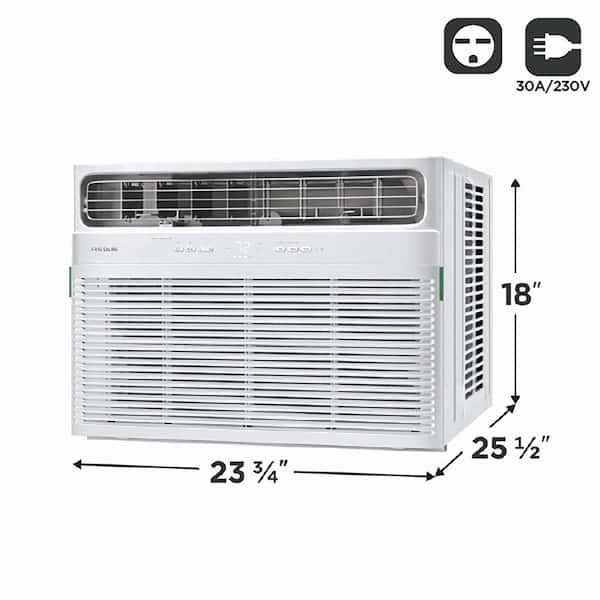
Credit: www.homedepot.com
Amps And Air Conditioners
Ampsmeasure the amount of electric current flowing through a wire. They tell us how much power an appliance uses. For window air conditioners, amps show how much electricity the unit needs to work.
Knowing the amps helps to choose the right circuit breaker and wiring. This keeps your home safe from electrical problems like overloads or fires. It also helps save energy and reduce bills.
Why amps matter:
- Ensures the air conditioner runs smoothly without tripping breakers.
- Prevents damage to the AC unit and your home wiring.
- Helps pick the correct electrical setup for your AC size.
- Allows better planning for energy use and costs.

Credit: www.frigidaire.ca
Typical Amp Ratings For Window Acs
Window air conditioners usually use between 5 to 15 amps. Small units, like those for a single room, draw about 5 to 7 amps. Larger units, made for bigger rooms or spaces, can draw up to 15 amps. The size of the unit affects the amp draw. Bigger units need more power to cool larger areas.
Other factors affect amp draw too:
- Cooling capacity:Higher BTU means higher amp draw.
- Energy efficiency:More efficient units use fewer amps.
- Age of unit:Older models may use more amps.
- Temperature setting:Lower temps increase power use.
Calculating Power Consumption
To find the ampsa window air conditioner uses, you need to convert watts to amps. Use the formula:
Most window units run on 120 volts. If your air conditioner says it uses 1000 watts, then:
Amps = 1000 ÷ 120 = 8.33 amps
This means the unit draws about 8.3 amps when running.
Keep in mind:
- Watts show the energy used.
- Volts are the electric pressure.
- Amps are the electric current.
This simple math helps you check if your home wiring can handle the unit.
Circuit And Electrical Requirements
Recommended circuit breakersfor window air conditioners usually range from 15 to 20 amps. This depends on the unit’s size and power needs. Smaller units might need a 15-amp breaker, while larger ones require 20 amps. Using the correct breaker helps prevent overloadingand potential fire hazards.
Proper wiring is important for safety and performance. Most window AC units require a 12 or 14-gauge wire. The wire gauge depends on the unit’s amperage and distance from the breaker panel.
- Always use a dedicated circuit for the air conditioner.
- Check the manufacturer’s label for exact electrical specs.
- Make sure the circuit breaker matches the unit’s amperage needs.
- Inspect wiring regularly for damage or wear.
- Hire a licensed electrician for installation to ensure safety.
Energy Efficiency And Amp Usage
EER(Energy Efficiency Ratio) and SEER(Seasonal Energy Efficiency Ratio) show how well a window air conditioner uses electricity. Higher ratings mean the unit uses less energy to cool a space. This helps save money on your electric bill. EER is a fixed measure, while SEER changes with seasons.
Units with better ratings usually draw fewer amps. This means they run more efficiently and cost less to operate. An air conditioner with a low amp draw uses less power and puts less strain on your home’s electrical system.
| Rating | Meaning | Effect on Amps | Impact on Bills |
|---|---|---|---|
| EER | Energy Efficiency Ratio | Higher EER = Lower amps | Lower electricity cost |
| SEER | Seasonal Energy Efficiency Ratio | Higher SEER = Lower amps | More savings over time |
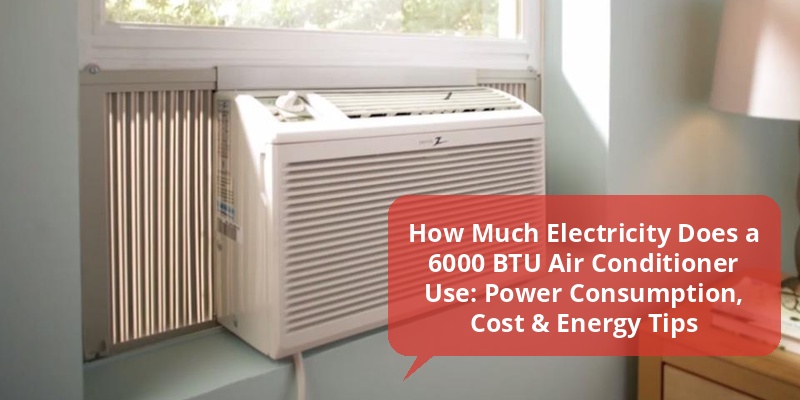
Credit: northnjhvac.com
Tips To Reduce Power Use
Proper installation helps your air conditioner use less power. Place the unit in a shady spot. Avoid direct sunlight, which makes the AC work harder. Make sure the window frame fits well around the unit. Gaps let air escape and waste energy. Use weatherstripping to seal any openings.
Regular maintenance keeps your air conditioner running smoothly. Clean or replace the filter every month during use. Dirty filters block airflow and increase power use. Keep the coils clean to help cool air better. Clear debris from the outside unit.
- Set the thermostat to a comfortable, not too cold, temperature.
- Turn off the AC when no one is in the room.
- Use fans to help spread cool air more evenly.
- Avoid blocking vents or placing heat sources near the unit.
Frequently Asked Questions
How Many Amps Does A Window Ac Use?
A window air conditioner typically uses between 5 to 15 amps. The exact number depends on the unit’s size and efficiency. Smaller units use around 5-7 amps, while larger ones may require up to 15 amps. Always check the unit’s label for specific amp requirements.
Do Window Ac Units Need Special Outlets?
Window AC units usually require a dedicated circuit or outlet. Smaller units may work on standard outlets, but larger units might need a 220-volt outlet. Consult your air conditioner’s manual for specific electrical requirements to ensure safe and efficient operation.
Can A Window Ac Run On A 15-amp Circuit?
Yes, many window AC units can run on a 15-amp circuit. However, it’s crucial to ensure the air conditioner’s amp rating doesn’t exceed the circuit’s capacity. Overloading the circuit can lead to tripped breakers or electrical hazards. Always verify compatibility with your unit’s specifications.
What Affects The Amps Of A Window Ac?
Several factors affect a window AC’s amp usage, including its size, efficiency, and cooling capacity. Larger units and those with higher BTUs typically use more amps. Energy-efficient models may use fewer amps while still delivering effective cooling. Always check the manufacturer’s specifications.
Conclusion
Knowing the amps of your window air conditioner helps plan your electrical needs. Most units use between 5 and 15 amps, depending on size and power. Checking the label on your unit gives the exact number. This helps avoid overloads and keeps your home safe.
Always match your circuit breaker to the air conditioner’s amp rating. Simple steps like these make using your AC easier and safer. Understanding amps saves money and prevents electrical problems. Keep your home cool without worry.