
Have you ever wondered if you’re using the right number of chopping boards in your kitchen? Using too few can increase the risk of cross-contamination, while too many might clutter your space and confuse your cooking routine.
Finding the perfect balance is easier than you think—and it can make your meal prep safer and more efficient. You’ll discover exactly how many chopping boards you need and why. Keep reading to make your kitchen smarter and healthier with simple, practical tips.

Credit: virginiaboyskitchens.com
Choosing Boards By Material
Choosing the right chopping board material is important for safety and kitchen use. Different materials offer unique benefits and challenges.
Knowing the types of materials helps you pick the best boards for your cooking needs.
Wood Vs Plastic
Wood and plastic are the most common chopping board materials. Wood boards are gentle on knives and last long with care.
Plastic boards are lightweight, easy to clean, and dishwasher safe. They are good for raw foods to avoid cross-contamination.
- Wood boards need hand washing and regular oiling
- Plastic boards can get knife marks that hold bacteria
- Wood looks natural and can be more durable
- Plastic boards are often cheaper and more flexible
Bamboo And Composite Options
Bamboo boards are a type of wood that grows quickly. They are harder and less porous than regular wood.
Composite boards mix wood fibers with resin. They are strong, resistant to moisture, and often dishwasher safe.
- Bamboo is eco-friendly and resists stains well
- Composite boards handle heavy use and heat well
- Bamboo can be harder on knives than soft wood
- Composite boards are less natural but very durable
Pros And Cons Of Each
| Material | Pros | Cons |
|---|---|---|
| Wood | Gentle on knives, natural look, durable | Needs hand washing, can absorb liquids |
| Plastic | Lightweight, dishwasher safe, cheap | Can hold bacteria in cuts, less durable |
| Bamboo | Eco-friendly, hard surface, stain-resistant | Harder on knives, may crack if dry |
| Composite | Strong, moisture resistant, often dishwasher safe | Less natural feel, can be expensive |
Boards For Different Foods
Using different chopping boards for various foods helps keep your kitchen safe. It stops germs from spreading between foods.
Choosing the right board for each type of food keeps flavors clean and your cutting boards in good shape.
Meat And Poultry
Meat and poultry can carry harmful bacteria. Use a separate board just for these foods to avoid cross-contamination.
Plastic boards work well because they are easy to clean and sanitize after use with raw meat or poultry.
- Use only for raw meat and poultry
- Clean with hot soapy water after each use
- Sanitize regularly to kill bacteria
Fruits And Vegetables
Fruits and vegetables need a clean board to keep them fresh and tasty. Use a different board than the one for meat.
Wooden or bamboo boards are gentle on knives and work well for fruits and vegetables.
- Use for washing and cutting fruits and vegetables
- Clean with warm water and mild soap
- Dry well to prevent mold growth
Bread And Baked Goods
Chopping boards for bread keep crumbs contained and protect other foods from mixing flavors.
Wooden boards are best because they provide a sturdy surface for slicing bread without dulling knives.
- Use only for bread and baked goods
- Clean after use to remove crumbs
- Avoid strong soaps that can leave taste
Size And Shape Considerations
Choosing the right chopping boards depends on their size and shape. These factors affect how comfortable and safe you are while preparing food.
Different tasks need different boards. Some tasks are quick and small, while others need a big surface. Specialty shapes can help with specific foods or storage.
Small Boards For Quick Tasks
Small chopping boards work well for quick jobs. They are easy to handle and store. Use them for cutting fruits, cheese, or small vegetables.
- Easy to clean and move around
- Good for snacks or simple prep
- Take up less space in your kitchen
Large Boards For Big Prep
Large boards give you plenty of room to work. They are perfect for big meals and multiple ingredients. Use them for chopping meat, large vegetables, or dough.
| Board Size | Best Use | Material |
| 12″ x 18″ | Big meal prep | Wood or plastic |
| 15″ x 20″ | Large vegetables and meat | Bamboo or composite |
| 18″ x 24″ | Rolling dough, big tasks | Wood |
Specialty Shapes
Specialty chopping boards come in many shapes. They fit specific needs and save kitchen space. Some have juice grooves or handles for easy use.
Examples of specialty shapes:
- Round boards for cheese and serving
- Boards with juice grooves for meats and fruits
- Foldable boards to pour chopped food easily
- Boards with handles for carrying

Credit: www.theindusvalley.in
Hygiene And Safety Tips
Using the right number of chopping boards helps keep your kitchen clean.
Good hygiene prevents food poisoning and keeps your family safe.
Avoiding Cross-contamination
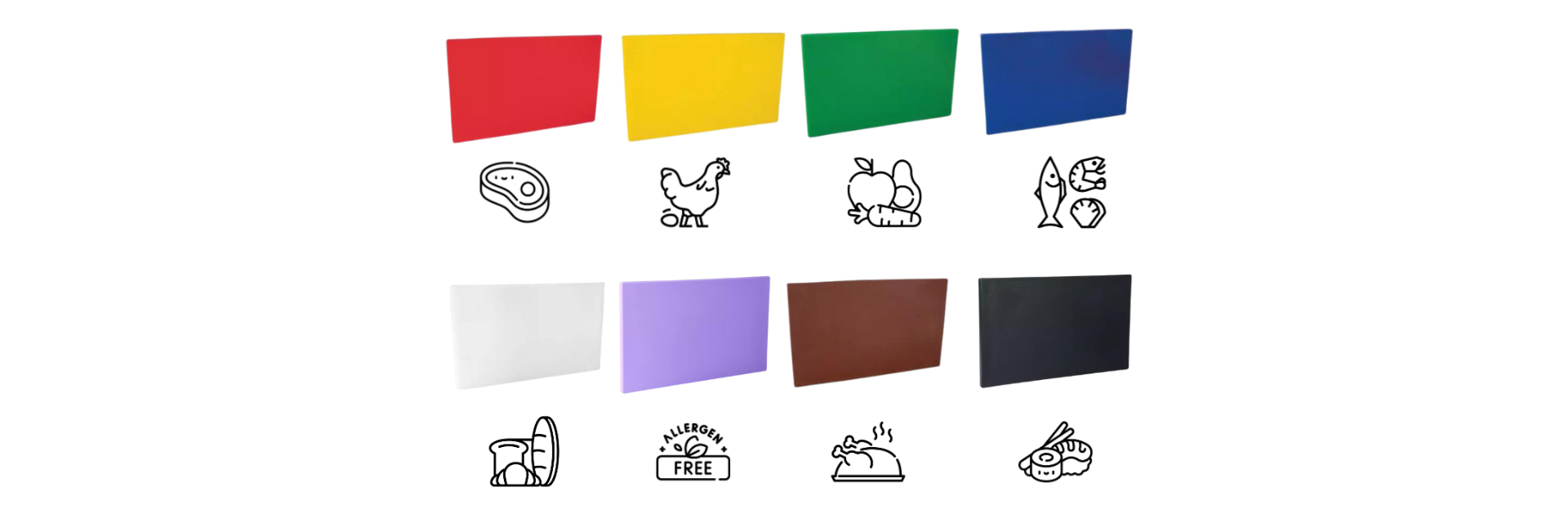
Use separate boards for raw meat, vegetables, and cooked food to stop germs from spreading.
- Keep a board only for raw meat and fish.
- Use a different board for fruits and vegetables.
- Have another board for cooked food and bread.
- Label boards with colors or signs to avoid mix-ups.
Cleaning And Maintenance
Clean boards well after every use to remove bacteria and food bits.
| Cleaning Method | Instructions |
| Hot Soapy Water | Wash with hot water and soap, then rinse. |
| Disinfect | Use diluted bleach or vinegar to kill germs. |
| Dry Thoroughly | Air dry or wipe to avoid moisture build-up. |
| Dishwasher Safe | Use dishwasher for plastic boards if allowed. |
Replacing Worn Boards
Change chopping boards if they get deep cuts or cracks. Bacteria hide in these spots.
- Check boards often for damage.
- Replace wooden boards every 1–2 years.
- Plastic boards may need replacement sooner.
- Keep extra boards ready for use when needed.
Storing And Organizing
Choosing the right number of chopping boards can help keep your kitchen tidy. Storing them properly saves space and makes cooking easier.
Organizing chopping boards by size and use keeps your kitchen neat. This also helps avoid cross-contamination when preparing food.
Space-saving Ideas
Use vertical racks to store chopping boards. This keeps them upright and frees up countertop space.
- Install a wall-mounted board holder
- Use a drawer divider for flat storage
- Stack boards by size to save room
- Store rarely used boards in cabinets
Easy Access Solutions
Keep the boards you use most often within reach. This saves time while cooking.
| Storage Option | Best For | Benefits |
| Countertop Stand | Daily use boards | Quick and easy access |
| Drawer Organizer | Medium size boards | Keeps boards flat and separate |
| Wall Rack | All sizes | Saves counter space |
Budget And Frequency Of Use
Choosing how many chopping boards to own depends on your budget and how often you cook. You want enough boards to keep your kitchen safe and clean. But you also want to spend money wisely.
Think about your cooking habits. If you cook every day, you might need more boards. If you cook rarely, fewer boards may be enough.
Investing In Quality
Good chopping boards last longer and stay safe. They resist cuts and do not hold bacteria. You should pick boards made from strong materials like wood or plastic.
- Wood boards are gentle on knives and can last years with care.
- Plastic boards are easy to clean and dishwasher safe.
- Cheap boards may wear out fast and need replacing often.
- Quality boards cost more but save money over time.
When To Buy Extra Boards
Extra chopping boards help keep food safe. Use different boards for meat, vegetables, and bread. This stops germs from spreading.
| Use Case | Recommended Number of Boards | Reason |
|---|---|---|
| Cooking Daily | 3 or more | Separate boards for meat, veggies, and bread |
| Cooking Weekly | 2 | One main board plus one for raw meat |
| Rare Cooking | 1 | One board cleaned thoroughly after use |
Credit: www.kimecopak.ca
Frequently Asked Questions
How Many Chopping Boards Should A Home Kitchen Have?
Ideally, a home kitchen should have at least two chopping boards. One board should be dedicated to raw meats, while the other is used for vegetables and other foods. This helps prevent cross-contamination and ensures food safety in your kitchen.
Why Use Separate Chopping Boards For Meats And Vegetables?
Using separate chopping boards prevents cross-contamination between raw meats and other foods. This practice reduces the risk of spreading harmful bacteria. It ensures that your vegetables and other foods remain safe and uncontaminated, promoting better hygiene in your kitchen.
What Materials Are Best For Chopping Boards?
Wood, bamboo, and plastic are popular materials for chopping boards. Wooden boards are gentle on knives and durable. Bamboo boards are eco-friendly and resistant to moisture. Plastic boards are easy to clean and affordable. Choose based on your preferences and usage needs.
How Often Should You Replace Chopping Boards?
Replace chopping boards when they show deep cuts or excessive wear. Deep grooves can harbor bacteria, making them hard to clean. Regularly inspect your boards and replace them when necessary to maintain kitchen hygiene and food safety.
Conclusion
Choosing the right number of chopping boards keeps your kitchen safe and clean. Use separate boards for meat, vegetables, and bread to stop germs from spreading. Having two to four boards usually works well for most homes. Clean boards well after each use to keep food fresh.
This simple step helps you cook better and stay healthy. Remember, a few good chopping boards make cooking easier and safer every day.