Have you ever wondered how much cooler your air conditioner can actually make your home? You might be surprised to learn that there’s a limit to how many degrees it can lower the temperature.
Knowing this can help you set realistic expectations, save energy, and keep your space comfortable without overworking your AC. You’ll discover exactly how many degrees an air conditioner can cool, why that matters to you, and simple tips to get the best performance out of your unit.
Keep reading—you’re about to unlock the secrets to a cooler, more efficient home.

Credit: www.aljazeera.com
Air Conditioner Cooling Basics
An air conditioner cools by removing heat from the air inside a room. It uses a refrigerant to absorb heat and release it outside. The unit blows cooler air back into the room.
Several factors affect how much an AC can cool:
- Size of the room:Larger rooms need more powerful AC units.
- Outside temperature:Hotter days make cooling harder.
- Insulation quality:Good insulation keeps cool air inside.
- Sunlight exposure:Rooms with many windows or direct sunlight get warmer faster.
- AC unit capacity:Measured in BTUs, higher BTUs cool larger spaces better.
Typical Temperature Drop Range
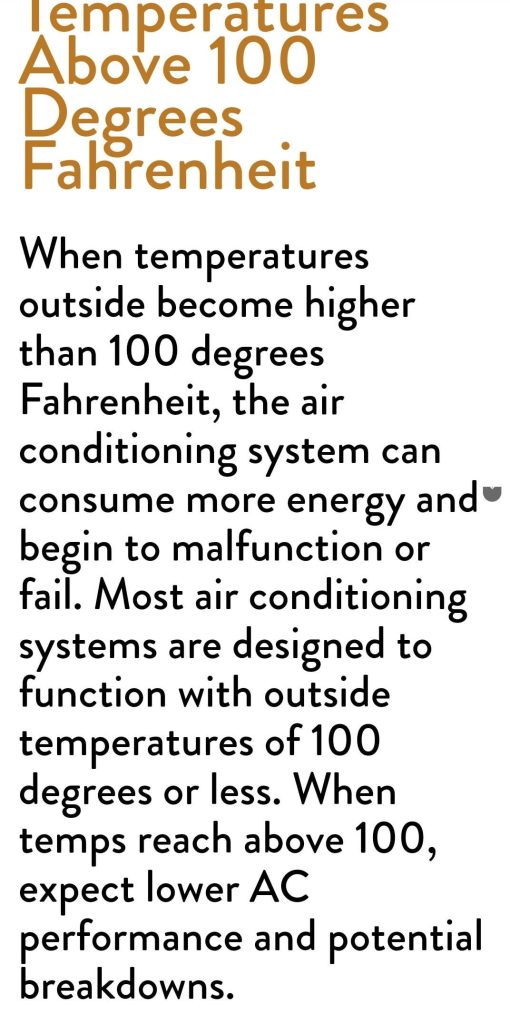
An air conditioner can usually lower the temperature by 15 to 20 degrees Fahrenheit. The exact drop depends on several factors. Most AC units cool well within this range under normal conditions.
The average cooling degreesvary, but a common target is about 18 degrees Fahrenheit. This means if the outside temperature is 90°F, the room can cool to around 72°F.
Room size and insulationplay a big role in cooling efficiency. Larger rooms need more powerful AC units to cool effectively. Poor insulation lets warm air enter, making it harder to cool the space.
| Factor | Effect on Cooling |
|---|---|
| Room Size | Larger rooms need stronger AC for good cooling |
| Insulation Quality | Better insulation keeps cool air inside longer |
| Outdoor Temperature | Higher outside heat reduces cooling range |
Types Of Air Conditioners
Window unitsare small air conditioners that fit in a window. They cool one room well and are easy to install. These units are less expensive but may be noisy.
Split systemshave two parts: one inside and one outside the house. They cool multiple rooms quietly and use less energy. Installation needs a professional.
Central air conditioningcools the whole house. It uses ducts to send cool air to every room. This system is more costly but offers even cooling and better air quality.
Credit: www.angi.com
External Factors Influencing Cooling
Outdoor temperaturegreatly affects how well an air conditioner cools. The hotter it is outside, the harder the AC works to lower indoor temperature. A very hot day means the AC may cool less efficiently.
Humidity levelsalso impact cooling. High humidity makes the air feel warmer and harder to cool. Air conditioners remove moisture, but when humidity is high, the system must work more to keep the room comfortable.
Sunlight and shadingchange cooling needs too. Rooms with direct sunlight heat up faster. Shaded rooms stay cooler and require less energy to cool. Proper shading can improve AC performance and save energy.
Optimizing Air Conditioner Performance
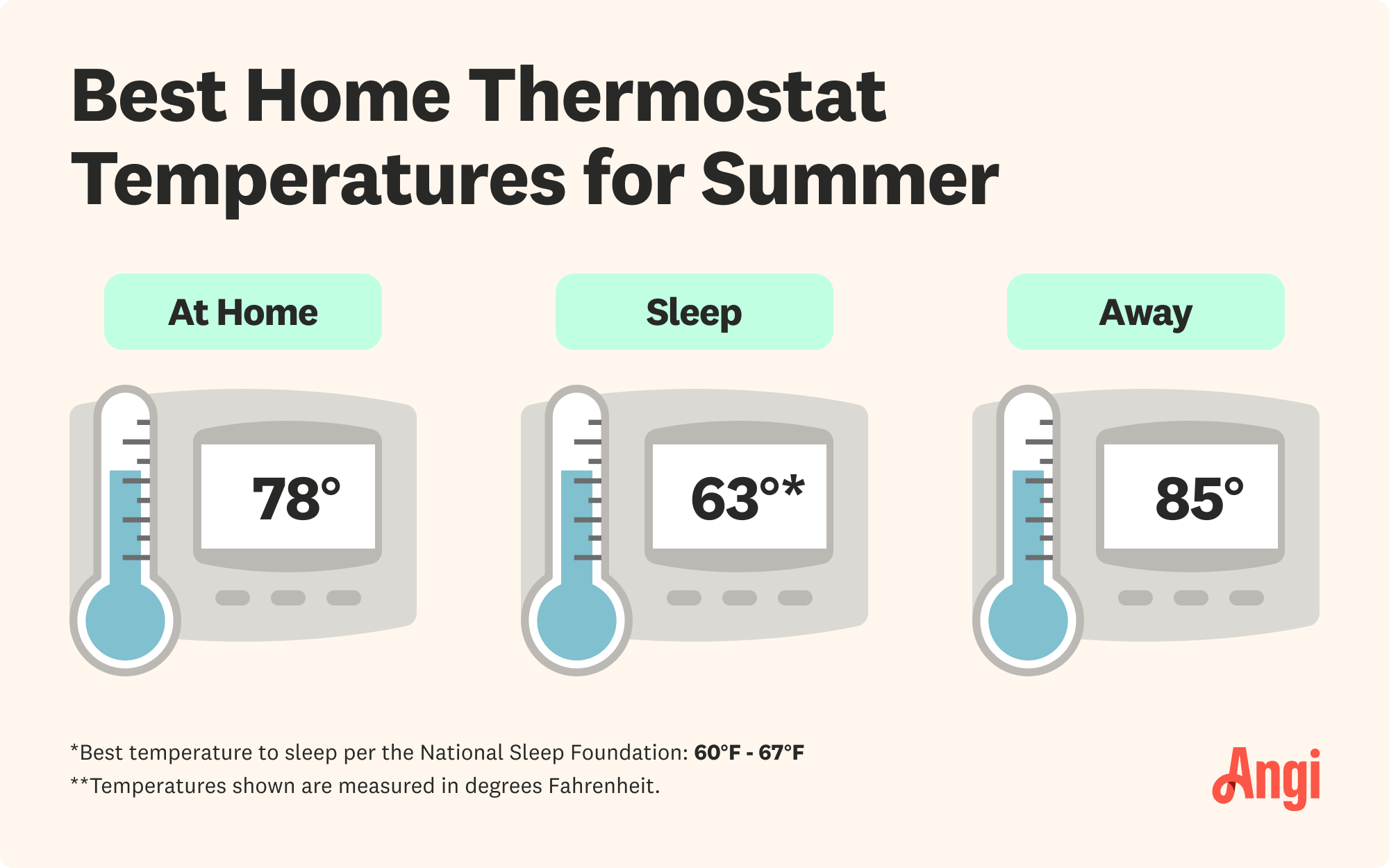
Setting the thermostatcorrectly helps an air conditioner cool effectively. A common setting is around 75°F to 78°F. Lower settings do not always mean faster cooling but use more energy. Adjust the thermostat just a few degrees to save power and still stay cool.
Regular maintenanceis key. Clean or replace air filters every 1-3 months. Dirty filters block airflow and reduce cooling. Check the outdoor unit for leaves and dirt. Clear space around it for better air circulation.
- Keep vents and registers open and clean.
- Use fans to help move cool air around.
- Seal windows and doors to keep warm air out.
- Close blinds during the hottest part of the day.
Energy Efficiency And Cooling Limits
The SEER ratingshows how well an air conditioner cools using energy. The higher the SEER, the more efficient the unit is. Typical SEER ratings range from 13 to 25. A unit with a SEER of 20 uses less energy than one with 13.
Energy efficiency helps save money on bills and reduces environmental impact. But very high SEER units may cost more upfront. Choose a unit that balances comfortand energy use.
- Higher SEER means better energy use.
- Cooling limits depend on the unit’s design and size.
- Proper installation affects cooling efficiency.
- Regular maintenance keeps performance high.
Common Cooling Challenges
Overcooling riskscan cause discomfort and waste energy. Air conditioners might cool rooms too much, making people feel cold. This also raises electricity bills. Setting the temperature too low can harm health, causing headaches or colds.
Uneven temperature distributionhappens when some parts of a room feel cool while others stay warm. This occurs due to poor airflow or bad AC placement. It makes the room less comfortable. Fans or moving the AC unit can help spread cool air better.

Credit: www.reddit.com
Frequently Asked Questions
How Many Degrees Can An Air Conditioner Lower Room Temperature?
An air conditioner can typically lower room temperature by 15 to 20 degrees Fahrenheit. This depends on factors like unit size, room insulation, and outside temperature. Proper maintenance also ensures efficient cooling performance.
What Factors Affect An Air Conditioner’s Cooling Capacity?
Cooling capacity depends on unit size, room size, insulation quality, and outside weather. Poor insulation or oversized units reduce efficiency. Proper installation and regular maintenance improve performance and cooling ability.
Can An Air Conditioner Cool A Room Below 60 Degrees?
Most air conditioners struggle to cool rooms below 60°F because of compressor limits. Extreme cooling demands increase energy consumption and strain the unit. Setting thermostats between 72°F and 78°F is recommended for comfort and efficiency.
How Does Outdoor Temperature Influence Ac Cooling Efficiency?
High outdoor temperatures reduce an AC’s efficiency by increasing compressor workload. This limits how much the unit can cool a room. Proper shading and ventilation around the AC can help maintain better cooling performance.
Conclusion
An air conditioner can cool a room by about 15 to 20 degrees Fahrenheit. The exact drop depends on the unit’s power and room size. Proper installation and maintenance help the AC work well. Keep windows and doors closed for best results.
Remember, no AC can make a room freezing cold quickly. Understanding these limits helps set the right expectations. Stay cool and comfortable by choosing the right air conditioner for your space.