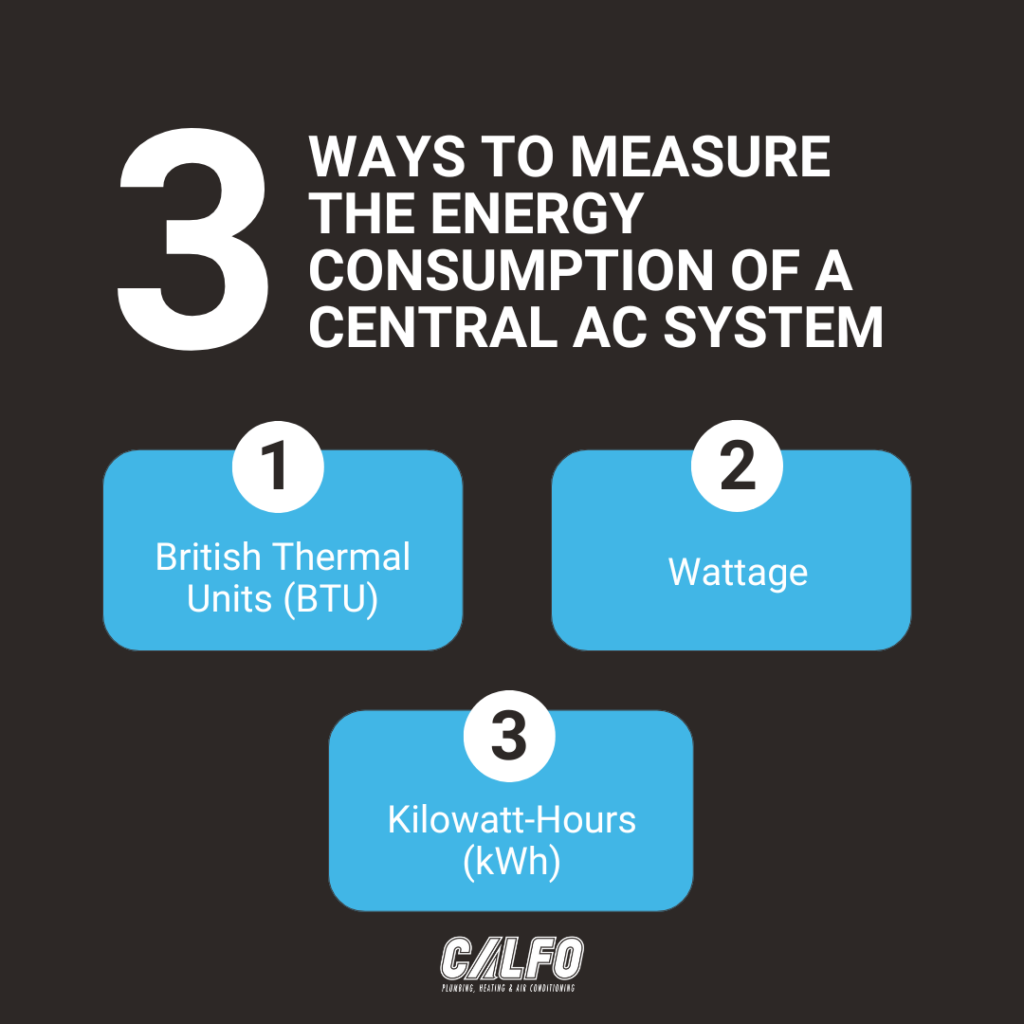
Have you ever wondered how much electricity your air conditioner actually uses? Knowing how many kilowatts per hour your AC consumes can help you save money on your energy bills and keep your home cool without surprises.
If you want to take control of your energy use and understand what’s really powering your comfort, this article is for you. Keep reading to discover the simple facts that can make a big difference in your energy savings.
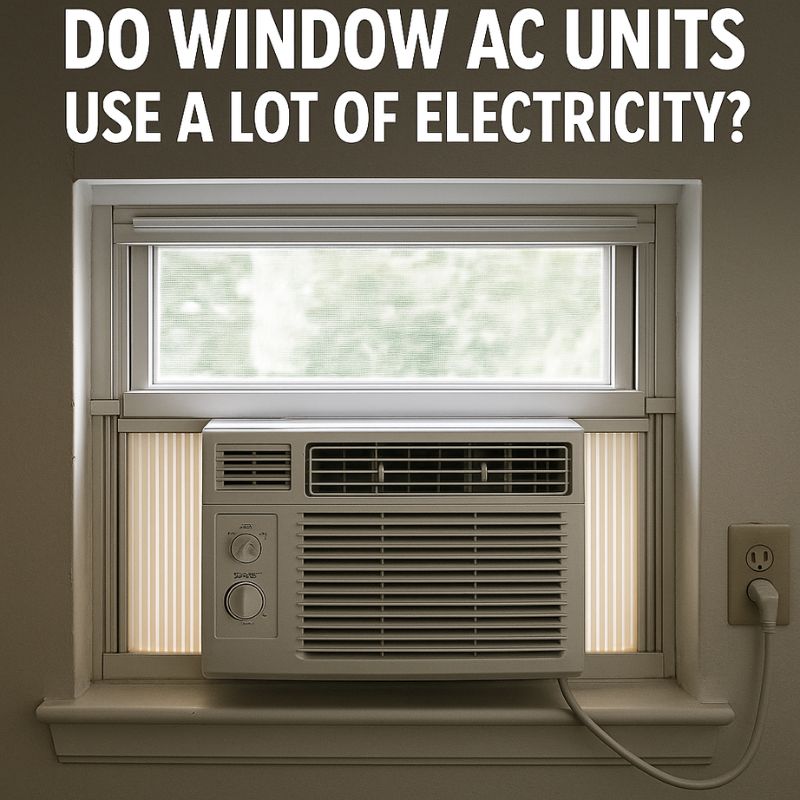
Credit: www.theelectriciansco.com
Air Conditioner Energy Basics
Air conditioners use electricity to cool your home. Understanding their energy use helps save money.
Knowing how much power they use shows how to manage your electric bills better.
What Is A Kilowatt Hour
A kilowatt hour (kWh) is a unit of energy. It measures how much electricity you use over time.
One kilowatt hour means using 1,000 watts of power for one hour. It tells you how much energy appliances need.
How Air Conditioners Consume Power
Air conditioners use electricity to run compressors and fans. They work harder in hot weather.
Power use depends on the AC size and how long it runs. Bigger units use more kilowatts per hour.
- Small window units use about 0.5 to 1.5 kWh per hour
- Central AC units use around 3 to 5 kWh per hour
- Running time impacts total energy use
Factors Affecting Power Usage
Air conditioners use different amounts of power depending on several factors. These factors change how many kilowatts per hour the unit consumes.
Understanding these factors helps you estimate energy use and control electricity bills.
Unit Size And Capacity
Air conditioners come in different sizes and cooling capacities. Bigger units usually use more power because they cool larger spaces.
Choosing the right size for your room keeps power use efficient. Too big or too small units waste energy.
- Small units (5,000-8,000 BTU) use less power
- Medium units (8,000-12,000 BTU) use moderate power
- Large units (12,000+ BTU) use more power
Thermostat Settings
Setting the thermostat lower makes the air conditioner work harder. This increases power consumption.
Higher thermostat settings reduce power use but may feel less cool. Setting it at a comfortable level saves energy.
- Lower temperature = more power used
- Higher temperature = less power used
- Keep thermostat steady for efficiency
Usage Duration
The longer the air conditioner runs, the more power it uses. Running it all day uses more electricity than just a few hours.
Turning off the unit when not needed helps save power. Using timers or smart controls can limit usage time.
- Short use = less power consumption
- Long use = higher energy bills
- Use timers to control run time
Outdoor Temperature Impact
Hotter outdoor temperatures make air conditioners work harder. This increases the amount of power they use per hour.
On cooler days, the unit uses less energy because it cools the space faster and less often.
- High outdoor heat = more power use
- Moderate heat = moderate power use
- Cool outside = less power use
Typical Kilowatt Hour Consumption
Air conditioners use different amounts of electricity. The power use depends on the type and size of the unit. Knowing how many kilowatt hours (kWh) an air conditioner uses helps you estimate your energy costs.
This guide covers typical kWh consumption for small window units, central air systems, and portable air conditioners. You can see which type fits your needs and budget.
Small Window Units
Small window air conditioners usually cool a single room. Their power use ranges depending on cooling capacity, measured in British Thermal Units (BTUs).
- 5,000 to 6,000 BTU units use about 0.5 to 0.7 kWh per hour
- 7,000 to 8,000 BTU units use about 0.8 to 1.2 kWh per hour
- Units above 10,000 BTU can use 1.2 to 1.5 kWh per hour
Central Air Systems
Central air conditioners cool entire homes. They use more power but are more efficient for larger spaces. Power use depends on size and efficiency ratings.
| System Size (Tons) | Average kWh per Hour |
| 1.5 | 1.5 to 2.0 |
| 2.0 | 2.0 to 2.7 |
| 3.0 | 3.0 to 4.0 |
| 5.0 | 5.0 to 6.5 |
Portable Air Conditioners
Portable air conditioners are easy to move and usually cool one room. They use more power than window units but less than central systems.
- Small portable units use about 0.8 to 1.0 kWh per hour
- Larger portable units use about 1.2 to 1.8 kWh per hour
- Energy use varies by cooling capacity and settings
Calculating Your Ac Energy Use
Knowing how much energy your air conditioner uses helps you manage electricity bills. You can check usage by reading labels, using tools, or estimating costs.
This guide shows simple ways to find out your AC’s power consumption and monthly cost.
Reading The Energy Label
The energy label on your AC provides key details about power use. It shows energy efficiency and consumption rates in kilowatts per hour (kWh).
| Label Item | What It Means |
| Energy Efficiency Ratio (EER) | Efficiency in cooling per unit of power |
| Power Consumption (Watts) | Electric power used when running |
| Annual Energy Use (kWh) | Estimated yearly electricity use |
Using A Power Meter
A power meter measures the actual electricity your AC uses. Plug the meter between the outlet and your air conditioner.
- Turn on your air conditioner and let it run normally.
- The meter displays real-time power consumption in watts.
- Record the reading to calculate energy use over time.
Estimating Monthly Costs
To estimate monthly costs, multiply the AC’s power use by hours of use and your electricity rate.
| Factor | Example Value | Description |
|---|---|---|
| Power Use (kW) | 1.5 | Power drawn by AC (1500 watts = 1.5 kW) |
| Hours Used per Day | 8 | Average daily running time |
| Days per Month | 30 | Number of days AC runs in a month |
| Electricity Rate ($/kWh) | 0.12 | Cost per kilowatt-hour from your utility |
| Monthly Cost | 1.5 kW × 8 h × 30 days × $0.12 = $43.20 | |
Reducing Air Conditioner Energy Use
Air conditioners use a lot of electricity. Knowing how to reduce their energy use saves money.
This guide shares simple ways to lower air conditioner power consumption and keep your home cool.
Smart Thermostat Tips
Smart thermostats help control your air conditioner better. They adjust the temperature automatically.
Set your thermostat higher when you are not home. Lower it only when you need cooling.
- Use scheduling to cool only when needed
- Set temperatures around 78°F (26°C) for energy saving
- Use remote control features to adjust settings easily
Regular Maintenance
Clean and check your air conditioner often. Dirty parts make it work harder and use more energy.
Replace or clean filters every month during use. Clear debris around outdoor units for better airflow.
- Change air filters every 1-3 months
- Inspect and clean coils yearly
- Check refrigerant levels and fix leaks
- Clear leaves and dirt from outside unit
Improving Home Insulation
Good insulation keeps cool air inside and hot air outside. This lowers how long your air conditioner runs.
Seal cracks and gaps around windows and doors. Use curtains or blinds to block sunlight during the day.
- Seal air leaks with weatherstripping
- Install insulation in walls and attic
- Use reflective window films or shades
- Close curtains during sunny hours
Using Fans And Ventilation
Fans use less energy than air conditioners. Use ceiling or portable fans to cool rooms efficiently.
Open windows at night to let cool air in. Use ventilation to remove hot air from your home.
- Turn on ceiling fans to improve air flow
- Use exhaust fans in kitchens and bathrooms
- Open windows during cooler hours
- Close windows and doors when running AC

Credit: medium.com
Energy-efficient Air Conditioner Options
Air conditioners use different amounts of electricity. Choosing energy-efficient models saves power and lowers bills.
Some air conditioners use new technology to cool homes better. These options reduce the kilowatts per hour used.
Inverter Technology Benefits
Inverter air conditioners adjust their speed to keep the temperature steady. They do not turn on and off often.
This technology saves energy by running at lower power when cooling is steady. It also makes the unit last longer.
- Uses less electricity than traditional units
- Keeps temperature stable without big power spikes
- Quieter operation
- Longer lifespan due to less wear
Energy Star Rated Models
Energy Star ratings show air conditioners that meet strict energy-saving rules. These models use less power.
Buying an Energy Star rated air conditioner means you get efficient cooling. It helps reduce your electricity use.
- Meets government energy efficiency standards
- Uses less electricity per hour
- Lower monthly energy bills
- Better for the environment
Alternative Cooling Solutions
Besides air conditioners, other cooling methods use less electricity. Fans and evaporative coolers are good options.
These alternatives use less power per hour and can keep rooms comfortable in dry climates.
- Ceiling and portable fans use very little electricity
- Evaporative coolers use water to cool air efficiently
- Natural ventilation reduces need for powered cooling
- Shading and insulation help keep homes cool
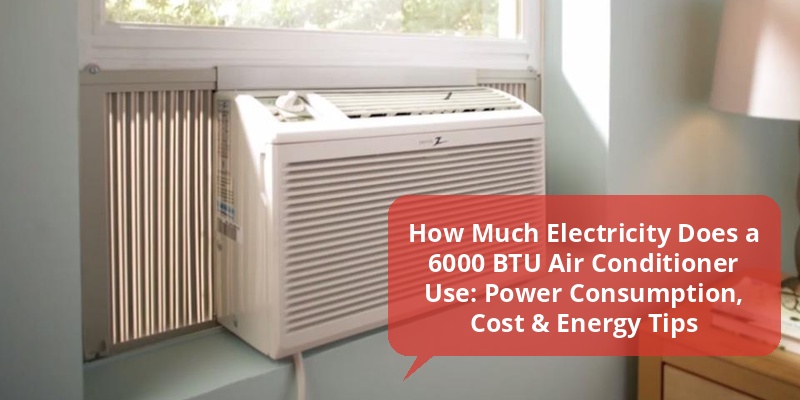
Credit: northnjhvac.com
Frequently Asked Questions
How Many Kwh Does An Ac Use Daily?
An air conditioner typically uses 1. 2 to 2. 5 kWh per hour. Daily consumption depends on usage hours and efficiency. A 1. 5-ton unit running for 8 hours can consume 12 to 20 kWh daily. Energy-efficient models can reduce consumption, saving on electricity bills.
Does Ac Size Affect Kwh Consumption?
Yes, AC size significantly impacts kWh consumption. Larger units consume more power. However, an undersized unit may run longer, increasing energy use. Choosing the right size ensures optimal efficiency and lower energy costs. Always consult a professional to determine the appropriate size for your space.
What Factors Influence An Ac’s Kwh Usage?
Several factors affect an AC’s kWh usage. These include unit size, energy efficiency rating, and outdoor temperature. Usage patterns, such as hours of operation, also play a role. Proper maintenance, like regular filter cleaning, can improve efficiency and reduce energy consumption.
How Can I Reduce My Ac’s Kwh Usage?
To reduce kWh usage, choose an energy-efficient model with a high SEER rating. Set your thermostat to a moderate temperature and use ceiling fans to circulate air. Regular maintenance, like cleaning filters and coils, ensures optimal performance. Proper insulation and sealing windows can also reduce energy consumption.
Conclusion
An air conditioner’s energy use depends on its size and settings. Smaller units use less power, while bigger ones need more. Running the AC at higher speeds or cooler temperatures increases energy use. Knowing kilowatts per hour helps manage your electricity bills better.
You can save money by choosing energy-efficient models and using the AC wisely. Tracking energy use makes a big difference in reducing costs. Simple steps lead to cooler rooms and lower bills. Understanding your air conditioner’s power helps make smart choices.