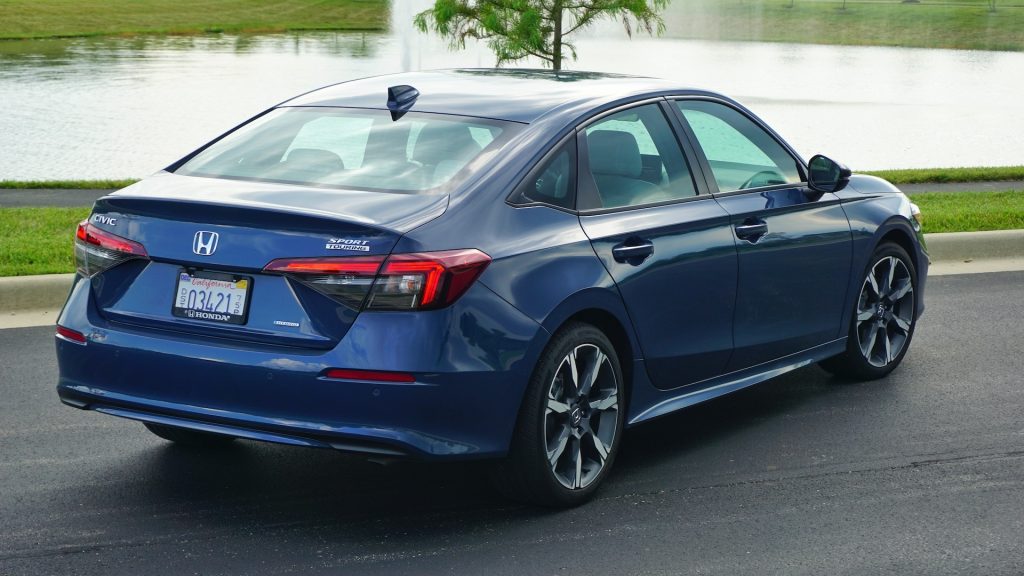
You’re probably wondering how many miles your Honda Civic can really last. Maybe you’re thinking about buying one, or you already have one and want to know what to expect.
Knowing how far your Civic can go helps you plan better, save money, and avoid surprises. You’ll discover the real mileage potential of a Honda Civic, the key factors that affect its lifespan, and simple tips to make your car last even longer.
Keep reading to unlock the secrets of getting the most miles out of your Civic.
Honda Civic Lifespan Basics
Understanding the basics of a Honda Civic’s lifespan helps you set realistic expectations for your vehicle. The Civic is known for its reliability, but how long it actually lasts depends on several factors. Knowing these can help you get the most out of your car and plan for the future.
Average Mileage Expectations
Most Honda Civics can easily reach 200,000 miles with proper care. Many owners report their cars running well beyond this mark, sometimes hitting 300,000 miles or more. This makes the Civic a strong contender if you want a vehicle that stays reliable for years.
Think about your own driving habits—do you mostly drive short distances or take long trips? These patterns can influence how quickly your mileage adds up and how your car wears over time.
Factors Affecting Longevity
Several key factors determine how long your Honda Civic will last:
- Maintenance:Regular oil changes, brake checks, and tire rotations keep your car running smoothly.
- Driving Style:Gentle acceleration and braking reduce wear and tear.
- Climate:Extreme temperatures can affect parts like the battery and tires.
- Road Conditions:Rough roads or frequent stop-and-go traffic can increase stress on the vehicle.
I’ve seen Civics last over 250,000 miles because the owners stayed on top of maintenance and avoided harsh driving habits. Could a little extra care help your Civic reach those milestones too?

Credit: www.reddit.com
Engine Performance Over Time
The engine is the heart of any Honda Civic. Its performance changes as the car ages. Over time, parts wear out and efficiency may drop. Regular care helps keep the engine strong. Understanding common issues and maintenance can extend engine life.
Common Engine Issues
- Oil leaks from worn seals or gaskets.
- Timing belt or chain wear causing noise or failure.
- Spark plug fouling leading to rough idling.
- Overheating due to cooling system problems.
- Reduced fuel efficiency from clogged fuel injectors.
These issues can affect engine power and reliability. Early detection prevents major repairs.
Maintenance Tips For Engine Health
- Change engine oil every 5,000 to 7,500 miles.
- Replace air filters regularly to ensure clean airflow.
- Check and replace spark plugs as needed.
- Inspect and maintain the cooling system.
- Use quality fuel to reduce engine deposits.
Routine checkups and timely repairs keep your engine running smoothly. Simple care increases the Honda Civic’s lifespan significantly.
Transmission Durability
The transmission is a key part of a Honda Civic’s drivetrain. It transfers power from the engine to the wheels. Its durability affects how long the car can run smoothly. A strong transmission can last hundreds of thousands of miles. Regular care and driving habits play a big role in its lifespan.
Manual Vs Automatic Longevity
Manual transmissions often last longer than automatic ones. They have fewer parts and less complexity. Drivers control the gear changes, reducing wear when done properly. Automatic transmissions have more moving parts and fluid to maintain. Their lifespan depends heavily on fluid changes and gentle use. With good care, both types can reach 200,000 miles or more.
Signs Of Transmission Wear
- Difficulty shifting gears or slipping out of gear
- Strange noises like grinding or whining
- Delayed or rough gear changes
- Transmission fluid leaks or dark, burnt fluid
- Warning lights on the dashboard
Noticing these signs early helps avoid costly repairs. Regular check-ups keep the transmission in good shape. Proper care extends the Honda Civic’s transmission life significantly.
Suspension And Brake Wear
Your Honda Civic’s suspension and brakes play a crucial role in its overall lifespan. These components endure constant stress from road conditions and driving habits, which directly affects how long your car can last. Understanding their wear patterns helps you keep your Civic safe and running smoothly for many miles.
Typical Lifespan Of Suspension Components
Suspension parts like shocks, struts, and control arms usually last between 50,000 and 100,000 miles. However, rough roads or aggressive driving can shorten this span significantly. If you notice your ride feels bouncy or you hear clunking noises when turning, it might be time to check these parts.
Replacing worn suspension components not only improves comfort but also protects other parts of your Civic from premature wear. Have you ever driven over a pothole and felt your car react oddly? That’s often a sign your suspension needs attention.
Brake System Maintenance
Brake pads typically last around 30,000 to 70,000 miles, depending on your driving style and conditions. Rotors usually last longer but require inspection every 50,000 miles or so. Regular brake fluid changes are also essential to prevent corrosion and maintain braking efficiency.
Ignoring brake wear can lead to decreased stopping power and costly repairs. You should listen for squeaking sounds or a soft brake pedal—both are red flags. How often do you check your brake system? Simple maintenance can add thousands of miles to your Civic’s lifespan.
Routine Maintenance For Extended Life
Routine maintenance plays a crucial role in how long your Honda Civic can last. Simple, regular care helps prevent major problems and keeps your car running smoothly for many miles. Ignoring small tasks can lead to costly repairs and shorten your Civic’s lifespan.
Oil Changes And Fluid Checks
Changing the oil regularly is one of the easiest ways to protect your engine. Clean oil reduces friction and removes dirt, helping the engine parts move freely. Check your owner’s manual to know the exact oil change interval for your Civic model.
Don’t forget other fluids like coolant, brake fluid, and transmission fluid. Low or dirty fluids can cause overheating, brake failure, or transmission issues. You can often check fluid levels yourself, and topping them up on time saves you from expensive fixes.
Tire Care And Rotations
Worn or unbalanced tires affect your car’s handling and fuel efficiency. Regular tire rotations ensure even wear, extending tire life and improving safety. Inspect tires for damage or uneven wear every few thousand miles.
Proper tire pressure is another small habit that makes a big difference. Underinflated tires reduce gas mileage and increase wear. Do you check your tire pressure before long drives or every month?
Scheduled Inspections
Honda provides a maintenance schedule tailored to your Civic’s model year and mileage. These scheduled inspections catch potential issues before they become serious. Following the recommended inspections means your Civic can easily reach 200,000 miles or more.
During inspections, mechanics look at brakes, belts, hoses, suspension, and more. Don’t skip these visits even if your car seems fine. Have you ever discovered a hidden problem during a routine check that saved you money later?

Credit: www.reddit.com
Common Problems And Fixes
Even the most reliable cars like the Honda Civic face some common problems as they rack up miles. Understanding these issues early can save you time and money, and help your Civic last longer. Let’s break down typical troubles and how you can fix or avoid them.
Electrical Issues
Electrical problems often pop up after 100,000 miles, especially with older Civics. You might notice flickering dashboard lights, malfunctioning power windows, or intermittent starting troubles. These symptoms usually point to a failing battery, alternator, or worn wiring connections.
Regularly test your battery and alternator to catch problems before they leave you stranded. If you experience electrical glitches, check for loose or corroded battery terminals. Replacing faulty fuses and cleaning connectors can often restore function without a big repair bill.
Rust And Body Wear
Rust tends to affect Civics driven in areas with heavy road salt or moisture. Common spots include wheel wells, door sills, and undercarriage. Over time, rust weakens the metal and can lead to holes that compromise safety and appearance.
Addressing rust early is crucial. Use rust-proof spray or undercoating during routine maintenance. If you spot bubbling paint or rough patches, sanding and repainting can stop rust from spreading. Have you checked your Civic’s undercarriage lately?
Interior Durability
The interior of a Honda Civic can show wear after years of daily use. Seats might fade, crack, or develop tears, especially if exposed to sunlight without protection. Dashboard plastics can become brittle or warped in hot climates.
You can extend your interior’s life by using sunshades and seat covers. Regular cleaning with appropriate products keeps surfaces flexible and looking fresh. Small fixes like sewing torn upholstery or replacing worn floor mats make a big difference in comfort and resale value.
Driving Habits That Boost Mileage
Your driving habits play a crucial role in how far your Honda Civic can go. Small changes in the way you handle your car can significantly extend its mileage. Let’s look at some practical driving behaviors that help you get the most out of every mile.
Smooth Acceleration And Braking
Sudden starts and hard stops put extra strain on your Civic’s engine and brakes. When you accelerate gently, you use less fuel and reduce wear on your car’s components. Imagine cruising through your neighborhood without abrupt moves—that steady pace saves your car and your wallet.
Likewise, easing into braking rather than slamming the brakes helps preserve brake pads and tires. Have you noticed how smooth driving feels more relaxed and actually gets you there faster? That’s because your car runs more efficiently when you avoid constant stop-and-go.
Avoiding Short Trips
Short drives might seem harmless, but they’re tough on your car’s engine. The engine doesn’t reach its optimal operating temperature, which causes more wear and reduces fuel efficiency. Think about your daily commute—if it’s only a few minutes, your Civic is working harder than it needs to.
Try combining errands or taking longer routes occasionally to give your engine enough time to warm up properly. Have you ever noticed your car idling rough after a quick trip? That’s a sign your engine isn’t running at peak performance.
Climate Considerations
Where you drive affects how your car performs over time. Extreme temperatures, either hot or cold, can impact your Civic’s engine and battery life. For instance, very cold weather thickens engine oil, making it harder for your car to start and run smoothly.
In hot climates, the engine can overheat more easily, especially if you’re stuck in traffic or driving uphill. Using a sunshade, checking your coolant regularly, and parking in the shade can protect your car. How do you adjust your driving habits when the weather changes? Paying attention to climate factors keeps your Civic running longer and stronger.
Real Owner Experiences
Real owner experiences offer valuable insight into how many miles a Honda Civic can last. These stories reveal how far this car can go with proper care. Owners share milestones, maintenance routines, and tips for long-term use. Their experiences help set realistic expectations for potential buyers and current drivers.
Mileage Milestones
Many Honda Civic owners report reaching high mileage numbers. Common milestones include:
- 150,000 miles with no major repairs
- 200,000 miles after regular maintenance
- Over 300,000 miles with replaced parts
Some owners say their Civics still run smoothly beyond 250,000 miles. This shows the car’s durability when cared for properly.
Maintenance Stories
Owners emphasize routine maintenance as key to longevity. They mention:
- Frequent oil changes every 5,000 miles
- Replacing timing belts and water pumps on schedule
- Regular brake and tire checks
Some share stories of fixing small issues early. This prevents costly repairs later. Routine care keeps the engine and parts in good shape.
Long-term Ownership Tips
Experienced owners offer simple advice to extend a Civic’s life:
- Keep up with scheduled service visits
- Use quality parts and fluids
- Avoid aggressive driving habits
- Store the car in a garage if possible
They agree that patience and consistency matter most. Small efforts add up to many miles on the road.
When To Consider Replacement
Deciding when to replace a Honda Civic takes careful thought. Many Civics can last over 200,000 miles with good care. Still, some signs mean it might be time to move on. Assessing repair costs and knowing the warning signals helps protect your wallet and safety.
Cost Of Repairs Vs Value
Repair bills can add up quickly. At some point, fixing your car costs more than its value. This is a key moment to consider replacement. Compare repair costs with the car’s current market price. If repairs exceed 50% of the car’s worth, replacement may be smarter.
- Major engine or transmission repairs are expensive.
- Frequent breakdowns mean rising costs.
- Older cars lose value each year.
Think about upcoming repair needs too. Regular maintenance is cheaper than fixing big issues. Balance repair expenses against how long you plan to keep the car.
Signs It’s Time For A New Car
Watch for these clear signals that your Civic may be ready for retirement:
- Engine trouble that affects performance or safety.
- Constant warning lights on the dashboard.
- Rust or frame damage that weakens the body.
- Poor fuel efficiency despite regular care.
- Uncomfortable or outdated safety features.
- High mileage with many costly repairs.
Listen to your mechanic’s advice. They spot problems early and guide your choice. Your safety and peace of mind matter most.
Credit: www.civic11forum.com
Frequently Asked Questions
How Many Miles Can A Honda Civic Last?
A Honda Civic can last up to 200,000 to 300,000 miles. Proper maintenance and regular servicing are crucial. With routine care, some owners have reported even higher mileages. Regular oil changes and timely repairs can extend the vehicle’s lifespan significantly.
What Affects Honda Civic’s Lifespan?
Regular maintenance, driving habits, and environmental conditions affect a Honda Civic’s lifespan. Consistent servicing and avoiding aggressive driving can prolong its life. Weather conditions, like extreme heat or cold, also play a role. Keeping the car clean and rust-free ensures better longevity.
Is A Honda Civic Reliable For Long-term Use?
Yes, Honda Civics are known for their reliability. Many owners enjoy long-term use with minimal issues. They are built with quality parts and have a reputation for durability. Regular maintenance will keep them running efficiently for years.
How To Extend Honda Civic’s Mileage?
To extend your Honda Civic’s mileage, perform regular maintenance. Change the oil, check the brakes, and rotate the tires. Avoid aggressive driving and keep the car clean to prevent rust. Regularly inspect the engine and transmission for any issues.
Conclusion
A Honda Civic can last many miles with good care. Regular maintenance helps keep the engine strong. Changing oil, checking brakes, and tire care are key. Driving gently also extends the car’s life. Many Civics run well past 200,000 miles.
It shows how reliable these cars can be. Owning one means smart care and attention. That keeps your Civic running longer and smoother. A lasting car saves money and stress. Think of your Civic as a long-term partner on the road.