Are you curious about how many solar panels it takes to power your refrigerator? You’re not alone.
As more people turn to solar energy for a sustainable and cost-effective solution, understanding the specifics becomes essential. Imagine cutting down your electricity bills while contributing to a greener planet—sounds appealing, right? We’ll break down exactly what you need to know.
From calculating the energy requirements of your fridge to determining the right number of solar panels, we’ve got you covered. Stick around to discover how you can make your home more energy-efficient and environmentally friendly.
Calculating Refrigerator Energy Needs
Understanding how much energy your refrigerator uses is the first step to figuring out how many solar panels you need. Calculating your refrigerator’s energy needs helps you avoid overspending on panels or facing power shortages. Let’s break down the key factors that affect your refrigerator’s power consumption.
Average Power Consumption
Refrigerators usually consume between 100 to 800 watts, depending on size and efficiency. A typical modern fridge runs around 150 to 250 watts while actively cooling. But remember, it doesn’t run continuously—it cycles on and off throughout the day.
Check the label inside your fridge or its manual for the exact wattage. If you can’t find it, an energy monitor can give you a real-time reading. Knowing this number will help you estimate how much energy your fridge uses over time.
Daily Energy Usage
Calculate daily energy by multiplying the fridge’s wattage by the hours it runs each day. Most refrigerators run about 8 to 12 hours in total, not continuously. For example, if your fridge uses 200 watts and runs 10 hours, it consumes 2000 watt-hours or 2 kWh daily.
Keep track of your fridge’s running time in different conditions to get a clearer picture. You might find your fridge runs longer on hot days or when you open it frequently. This daily usage number is critical for sizing your solar system correctly.
Seasonal Variations
Fridge energy needs can change with the seasons. In summer, your fridge works harder to maintain cool temperatures, increasing power consumption. During colder months, it may run less, saving energy.
Consider these fluctuations when planning your solar setup. If you size your system only for winter use, you might struggle during hot summers. Think about your local climate and how it affects your fridge’s energy use throughout the year.
Credit: deyeess.com
Solar Panel Basics
Understanding the basics of solar panels is essential before figuring out how many you need to run a refrigerator. Solar panels come in different types and wattages, and their efficiency can vary widely. Knowing these factors helps you make a smart choice that fits your energy needs and budget.
Types Of Solar Panels
There are three main types of solar panels you’ll encounter: monocrystalline, polycrystalline, and thin-film. Monocrystalline panels are made from a single crystal structure, making them the most efficient and space-saving. Polycrystalline panels use multiple crystals and are usually less expensive but slightly less efficient.
Thin-film panels are lightweight and flexible but tend to have lower efficiency. If you have limited roof space, monocrystalline might be your best bet. But if cost is your priority and space isn’t an issue, polycrystalline panels could work well.
Panel Wattage Options
Solar panels come in various wattages, typically ranging from 100 watts to 400 watts per panel. The wattage indicates how much power a panel can produce under ideal conditions. To power a refrigerator, you’ll need to calculate its daily energy consumption and then choose panels that can generate at least that amount of power.
For example, a standard fridge might use around 150 to 200 watts per hour, running intermittently. If your fridge uses 1 kWh per day, and you have 5 hours of good sunlight, you’d need panels totaling about 200 watts (because 200 watts × 5 hours = 1 kWh). It’s smart to add a buffer to cover cloudy days or extra usage.
Efficiency Factors
Efficiency isn’t just about the panel itself; it depends on several external factors too. The angle and direction of your panels affect how much sunlight they capture. Panels facing south (in the northern hemisphere) with a tilt matching your latitude will perform best.
Temperature also plays a role—solar panels work better in cooler conditions. Dust, shading from trees or buildings, and even panel age can reduce efficiency over time. Have you checked your roof space and surroundings to ensure your panels will get enough sunlight throughout the day?
Determining Solar Panel Quantity
Determining how many solar panels are needed to run a refrigerator involves understanding energy requirements and solar panel capabilities. This calculation helps ensure the refrigerator runs smoothly without interruptions. Several factors affect the total number of panels required.
Matching Energy Needs To Panel Output
Start by finding the refrigerator’s daily energy use, usually in watt-hours (Wh). Check the label or manual for the power rating and multiply by hours of use per day. For example, a 150-watt fridge running 24 hours uses 3600 Wh daily.
Next, find the watt output of one solar panel. Panels typically range between 250 and 400 watts. Divide the refrigerator’s daily energy need by the panel’s daily energy production to estimate panel count.
Considering Sunlight Hours
Solar panels produce energy only during sunlight. The number of sunlight hours varies by location and season. Use average peak sunlight hours per day for your area.
For instance, if your location receives 5 peak sunlight hours daily, multiply the panel’s watt rating by 5. This gives the daily energy output per panel. Divide the refrigerator’s energy use by this number to get the needed panels.
Accounting For System Losses
Solar power systems lose some energy due to wiring, inverter efficiency, and weather. These losses can reduce output by 15% to 25%. Always add a buffer to cover these losses.
Multiply your calculated panel count by 1.2 or 1.25. This ensures the system can handle energy drops and keep the refrigerator running steadily.
Battery Storage And Inverter Role
Battery storage and inverters play crucial roles in powering your refrigerator with solar energy. Without the right battery capacity and inverter specifications, your system may fail to keep the fridge running smoothly, especially during cloudy days or at night. Understanding these components helps you design a reliable solar setup that matches your refrigerator’s energy needs.
Battery Capacity Requirements
Your battery must store enough energy to keep the refrigerator running when the sun isn’t shining. Calculate the fridge’s daily energy use by multiplying its wattage by the hours it runs each day. Then, choose a battery that can provide at least 1.5 times this amount to cover cloudy days and efficiency losses.
For instance, if your fridge uses 150 watts and runs 8 hours daily, it consumes 1,200 watt-hours per day. A 12V battery with a capacity of around 100 amp-hours would be a good starting point, as it stores about 1,200 watt-hours (12V × 100Ah). Adding extra capacity ensures your fridge won’t shut down unexpectedly.
Inverter Specifications
The inverter converts the DC power from your solar panels and batteries into AC power your refrigerator needs. It must handle the fridge’s startup surge, which can be 2-3 times its running wattage. If your fridge runs at 150 watts, look for an inverter with a surge rating of at least 450 watts.
Choosing an inverter with pure sine wave output protects your fridge’s compressor and electronics. Cheaper modified sine wave inverters may cause overheating or reduce your appliance’s lifespan. Always check the inverter’s continuous and surge power ratings before buying.
Backup Power Considerations
Have you thought about what happens during extended cloudy periods or power outages? A well-sized battery bank acts as your fridge’s backup, but you might also consider a generator or additional solar panels for extra security. Prioritize batteries with longer lifespans and reliable warranties to avoid unexpected failures.
It’s wise to monitor your system’s performance regularly. Simple tools like battery voltage meters or smart inverters can alert you when power is low, helping you avoid spoiled food. What backup plan fits your lifestyle and fridge usage best?
Installation And Maintenance Tips
Proper installation and upkeep of your solar panels are key to making sure your refrigerator runs smoothly and efficiently. Skimping on placement or maintenance can lead to power drops or system failures, which nobody wants. Let’s look at practical tips that will keep your solar setup in top shape and your fridge humming along.
Optimal Panel Placement
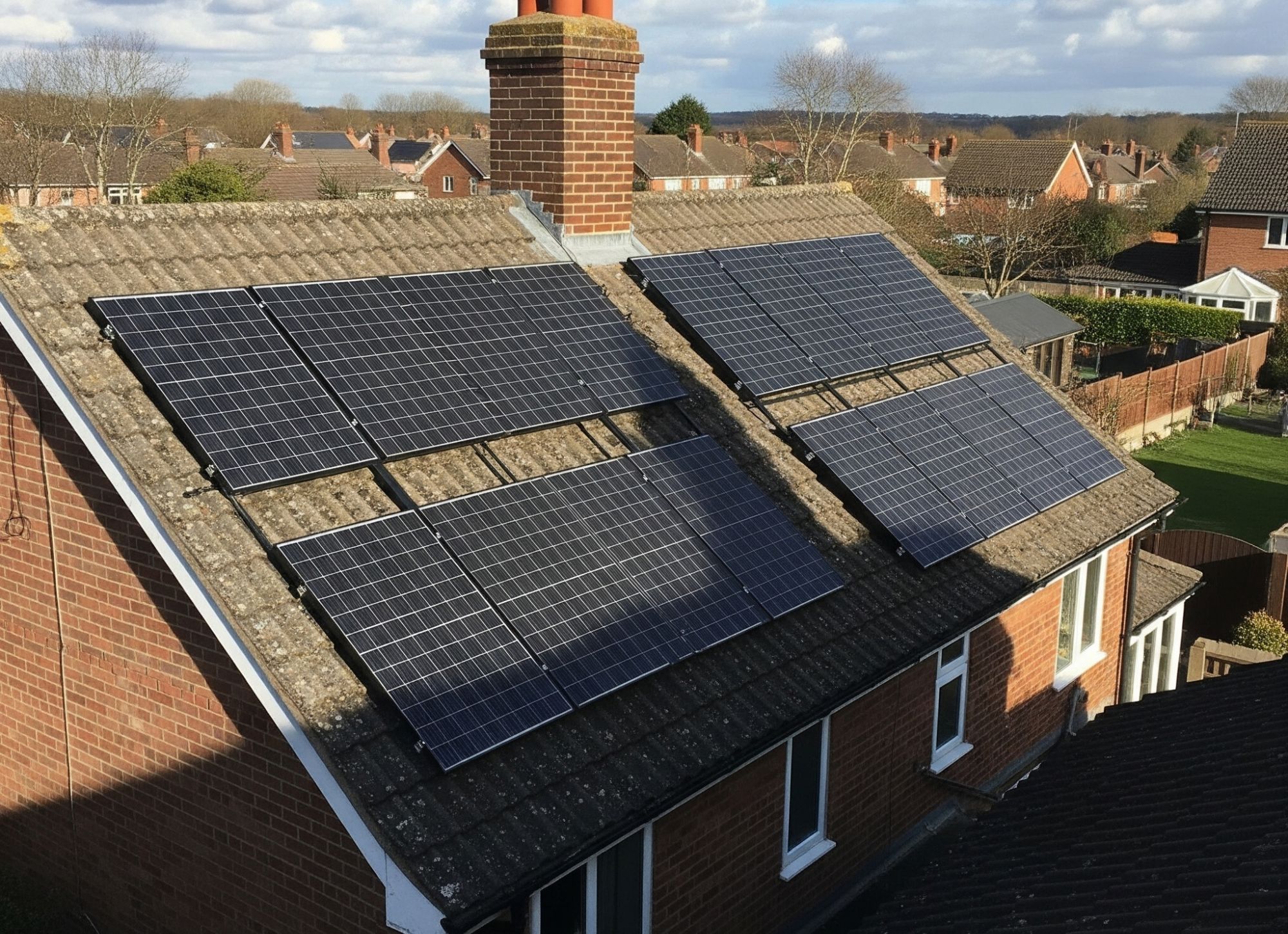
Positioning your solar panels where they get the most sunlight directly impacts how well they power your refrigerator. Aim for a spot that catches the sun from mid-morning to late afternoon without shade from trees or buildings.
South-facing roofs usually work best in the northern hemisphere. If roof space is limited, consider adjustable mounts to change the angle seasonally. Have you checked if a nearby chimney or antenna casts a shadow during peak hours?
Regular Cleaning And Inspection
Dust, leaves, and bird droppings can block sunlight and reduce energy output significantly. Cleaning your panels every few months with water and a soft brush helps maintain their efficiency.
Look for cracks, loose wires, or corrosion during your inspections. Even small damage can affect performance or become a safety hazard. Setting a reminder every three months can keep you consistent and catch issues early.
Troubleshooting Common Issues
If your refrigerator isn’t running as expected, check the solar panel’s connections first. Loose wires or corroded terminals are common culprits and easy to fix.
Also, monitor your battery charge levels if you’re using a storage system. Low or faulty batteries can cause power interruptions. Have you noticed dips in fridge performance during cloudy days? That might mean you need extra panels or a larger battery bank.
Credit: www.eerenewables.co.uk
Cost Estimates And Savings
Understanding the cost estimates and savings helps plan your solar panel setup. Knowing the expenses and benefits shows the real value of using solar power for your refrigerator. This section breaks down initial costs and future savings clearly.
Initial Investment Breakdown
Setting up solar panels involves several costs. The main expenses include:
- Solar panels themselves
- Mounting hardware and wiring
- Inverter to convert solar energy
- Battery storage for power backup
- Installation labor charges
Prices vary based on panel quality and system size. For a fridge, a small system with 2-4 panels may be enough. Expect to spend between $1,000 and $3,000 for a complete setup.
Long-term Savings
Solar panels reduce electricity bills significantly. Running a refrigerator on solar power cuts daily energy costs. Over 10-20 years, savings can total thousands of dollars.
Batteries lower reliance on the grid, saving even more. Panels also increase home value and reduce carbon footprint. Maintenance costs are low, mostly cleaning and checks.
Incentives And Rebates
Many governments offer financial help for solar installation. Common incentives include:
- Tax credits to lower upfront costs
- Cash rebates from utility companies
- Grants for renewable energy projects
- Net metering to sell extra power back
These programs make solar panels more affordable. Check local policies to maximize savings and benefits.
Adapting To Different Refrigerator Types
Choosing the right number of solar panels depends on the refrigerator type. Each model uses different energy amounts. Understanding these differences helps match solar power capacity correctly. This section breaks down key factors affecting energy needs.
Standard Vs Energy-efficient Models
Standard refrigerators usually consume more power. They run on older technology and larger compressors. Energy-efficient models use less electricity. They have better insulation and advanced cooling systems. Using energy-efficient models lowers the number of solar panels needed. It also saves money on electricity in the long run.
Impact Of Size And Usage
Large refrigerators need more energy to operate. Small models use less power. Frequency of door opening affects energy use too. More frequent openings cause the compressor to work harder. This increases electricity consumption. Consider family size and habits when estimating solar panel needs.
Smart Refrigerator Considerations
Smart refrigerators include digital displays and Wi-Fi. These features increase power use slightly. Some models have sensors that adjust cooling efficiently. This can reduce energy consumption overall. Check the power rating of smart models carefully. Their extra features might require more solar panels than basic models.

Credit: www.jackery.com
Frequently Asked Questions
How Many Solar Panels Power A Standard Refrigerator?
A standard refrigerator typically needs 1 to 2 solar panels. This depends on the fridge’s wattage and sunlight availability. Each panel usually produces 250 to 400 watts. Calculating your fridge’s energy use helps determine the exact number needed.
What Size Solar Panel Is Best For A Refrigerator?
A 250 to 400-watt solar panel is ideal for most refrigerators. This size efficiently generates enough power to run the appliance daily. It balances cost and energy output, ensuring reliable refrigerator operation from solar energy.
Can Solar Panels Run A Refrigerator 24/7?
Yes, solar panels can run a refrigerator 24/7 with a battery system. Solar panels charge batteries during the day, which power the fridge at night. Proper battery storage is key for continuous refrigerator operation.
How To Calculate Solar Panels Needed For My Fridge?
Check your refrigerator’s wattage and daily usage hours. Multiply watts by hours for daily energy consumption in watt-hours. Divide this by the solar panel’s daily output to find the number of panels required.
Conclusion
Choosing the right number of solar panels keeps your fridge running smoothly. Calculate your fridge’s energy use first. Then match it with solar panel output. This helps avoid power shortages or waste. Solar panels save money and protect the environment.
They work best with good sunlight and proper setup. Keep your fridge cool and your energy green. Simple steps lead to smart energy choices. Solar power can fit your home and needs well.