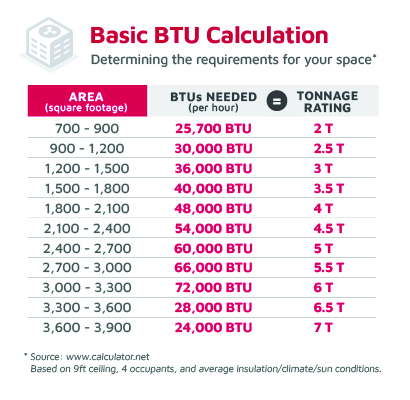
Are you planning a new cooling system for your space or just curious about how much cooling power you really need? Understanding “How Many Tons of Refrigeration Per Square Foot” is crucial for making an informed decision.
Imagine a space where comfort meets efficiency, where the cooling system perfectly matches your needs without wasting energy or money. This guide is here to demystify the concept for you. We’ll break down complex calculations into simple terms, ensuring you can make the best choice without the headache.
Keep reading to discover how to achieve the perfect balance of comfort and cost-effectiveness in your space.

Credit: www.achrnews.com
Basics Of Tons Of Refrigeration
Understanding the basics of tons of refrigeration is essential for selecting the right cooling system. This concept measures how much heat a system can remove from a space. Knowing this helps design efficient cooling for homes, offices, or large buildings.
Cooling needs depend on many factors, including room size and insulation. Tons of refrigeration provide a clear way to compare cooling capacities. This section explains what a ton of refrigeration means and how it relates to cooling power.
What Is A Ton Of Refrigeration
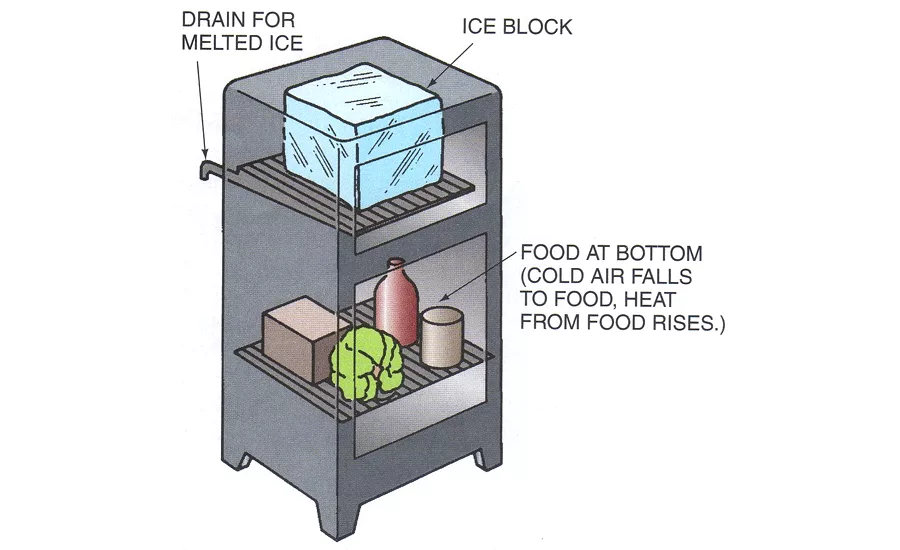
A ton of refrigeration is a unit that measures cooling capacity. It equals the amount of heat needed to melt one ton of ice in 24 hours. This equals 12,000 British Thermal Units (BTUs) per hour.
In simple terms, one ton cools enough air to remove 12,000 BTUs of heat each hour. This standard helps compare different cooling systems easily. The term comes from old ice-based cooling methods.
How Tons Relate To Cooling Capacity
Tons indicate how much heat a system can remove per hour. More tons mean higher cooling power. For example, a 3-ton system removes 36,000 BTUs of heat every hour.
Knowing tons helps size air conditioners properly for any space. Too small a unit won’t cool well, while too large wastes energy. Calculating cooling needs often uses square footage and tons of refrigeration.
- Small rooms might need less than one ton.
- Average homes often require 2 to 5 tons.
- Large buildings need many tons to cool efficiently.
Factors Influencing Cooling Load
Understanding the factors influencing cooling load is key to calculating tons of refrigeration per square foot. Cooling load depends on many elements inside and outside a building. These elements affect how much cooling power a space needs to stay comfortable. Knowing these factors helps design efficient air conditioning systems. It also helps save energy and reduce costs.
Building Size And Layout
The size of a building directly affects the cooling load. Larger spaces need more cooling power. The layout also matters. Open areas may cool differently than rooms divided by walls. Tall ceilings increase the volume of air to cool. Rooms with many windows can let in more heat. All these aspects change how much refrigeration is necessary.
Insulation And Materials
Good insulation reduces heat gain from outside. Walls and roofs made from materials with high thermal resistance keep buildings cooler. Poor insulation lets heat enter easily, raising cooling demands. Window types and their shading also impact cooling load. Better materials lower energy use and improve comfort.
Climate And Weather Conditions
Hot and humid climates increase cooling needs. Sunlight intensity and duration affect indoor temperatures. Locations with high temperatures require stronger refrigeration. Seasonal changes also influence how much cooling is needed. Weather patterns like wind and rain can alter heat gain as well.
Occupancy And Equipment Heat
People inside a building generate heat. More occupants mean more cooling is necessary. Equipment and appliances also produce heat during operation. Computers, lights, and machinery add to the cooling load. Understanding these internal heat sources helps calculate accurate refrigeration needs.
Calculating Tons Per Square Foot
Calculating tons of refrigeration per square foot is essential for designing efficient cooling systems. It helps you determine the right capacity needed to keep your space comfortable without wasting energy. Understanding this calculation ensures your refrigeration system works effectively and saves costs.
Common Industry Standards
Most commercial spaces use a general guideline of 0.06 to 0.12 tons of refrigeration per square foot. This range varies depending on the type of building, insulation, and climate. For example, a well-insulated office might need less cooling per square foot compared to a restaurant kitchen.
Knowing these standards helps you avoid over-sizing or under-sizing your system. But don’t rely on just one number—consider your specific conditions and usage patterns.
Step-by-step Calculation Method
Start with the total square footage of the space you want to cool. Then, multiply that by the estimated tons of refrigeration per square foot based on your industry type.
- Measure or obtain the accurate floor area in square feet.
- Determine the tons per square foot figure relevant to your building.
- Multiply the two values to get the total tons of refrigeration needed.
For example, if your retail store is 2,000 sq ft and you estimate 0.1 tons per sq ft, then your total cooling requirement would be 200 tons. Simple math, but it gets you close to the right system size.
Using Cooling Load Tables
Cooling load tables break down the heat gain from different sources like sunlight, equipment, and people. You can use these tables to fine-tune your tons per square foot calculation.
Look up values based on your building’s location, window area, and insulation type. Add these heat gains to find the total cooling load in BTUs, then convert BTUs to tons (1 ton = 12,000 BTUs).
| Heat Source | Heat Gain (BTU/hr) |
|---|---|
| Sunlight through windows | 5,000 |
| Equipment | 3,000 |
| People | 1,500 |
| Total | 9,500 |
Divide the total BTU by 12,000 to get tons needed. This approach gives you a more accurate system size tailored to your specific space.
Credit: hvac-talk.com
Examples By Building Type
Understanding how many tons of refrigeration you need per square foot varies greatly depending on the type of building. Each space has unique cooling demands influenced by its use, occupancy, and equipment. Let’s look at specific examples to help you gauge what might work best for your project.
Residential Spaces
In homes, cooling loads are generally lower compared to commercial or industrial buildings. Typical residential spaces require about 0.03 to 0.06 tons of refrigeration per square foot. This range covers most single-family homes with standard insulation and average window sizes.
Smaller apartments might lean toward the lower end, while larger houses with multiple rooms or high ceilings push closer to the higher end. Think about how many electronics or appliances you have, as these add heat and increase cooling needs. Have you noticed how some rooms feel warmer despite the AC running? That’s a clue your cooling capacity might be off.
Commercial Buildings
Office spaces, retail stores, and restaurants demand more cooling power per square foot. These buildings often fall between 0.1 and 0.3 tons per square foot. Why the jump? More people, lighting, and equipment generate extra heat.
Restaurants, especially kitchens, require higher capacity due to ovens and cooking appliances. Retail stores with large display lighting also add to the load. When planning your commercial space, consider peak hours and occupancy levels to avoid under-sizing your system.
Industrial Facilities
Industrial buildings have the highest cooling needs per square foot, typically ranging from 0.3 to 0.6 tons or more. Manufacturing equipment, heat-producing machinery, and ventilation requirements all contribute to this demand. Some facilities might need even more if they handle temperature-sensitive processes.
Warehouses with little insulation might need less, but production floors often require robust systems. If you work in or manage such a facility, ask yourself: Are you accounting for all heat sources, including machinery and people? Missing these details can lead to inefficient cooling and higher energy bills.
Improving Cooling Efficiency
Improving cooling efficiency helps reduce energy costs and keeps spaces comfortable. Efficient cooling means your system uses less power while maintaining ideal temperatures. This balance protects the environment and extends your equipment’s life. Small changes can lead to big savings and better performance.
Energy-saving Tips
- Close windows and doors to keep cool air inside.
- Use ceiling fans to help circulate air.
- Keep vents and filters clean to improve airflow.
- Turn off lights and electronics when not in use.
- Use blinds or curtains to block direct sunlight.
Upgrading Insulation
Good insulation slows heat from entering your space. It helps the cooling system work less hard. Adding insulation in walls, attics, and floors keeps temperatures steady. Sealing gaps around windows and doors stops air leaks. These steps improve comfort and reduce energy waste.
Smart Thermostat Use
Smart thermostats adjust temperatures based on your schedule. They lower cooling when no one is home. You can control them remotely using a smartphone. This avoids cooling empty rooms and saves energy. Programming your thermostat properly keeps costs down and comfort high.
Tools And Software For Estimation
Estimating the tons of refrigeration needed per square foot is a crucial step in designing an efficient cooling system. The right tools and software can make this task much simpler and more accurate. Whether you prefer doing calculations by hand or using advanced programs, there are options tailored to your needs.
Manual Calculation Tools
Manual tools like cooling load calculators and heat gain charts help you understand the basic principles behind refrigeration requirements. These tools let you input variables such as room size, insulation, window type, and occupancy to estimate cooling needs.
I once used a simple spreadsheet calculator to size an HVAC system for a small office. It showed me how changing one factor, like window shading, could significantly affect the cooling load. This hands-on approach helps you grasp how each element impacts the total refrigeration tons.
- Cooling load calculation worksheets
- Heat gain and loss tables
- Manual J calculation forms
These resources are great if you want to learn the fundamentals or double-check software results. However, manual calculations can become complex for larger buildings.
Popular Hvac Software Options
For more detailed and faster estimations, HVAC software tools are invaluable. Programs like Carrier HAP, Trane Trace, and Cool Calc provide user-friendly interfaces to calculate cooling loads accurately.
In my experience, software like Carrier HAP not only speeds up the process but also offers detailed reports that help communicate your findings to clients or contractors. These tools consider factors like local climate data, building materials, and ventilation rates automatically.
- Carrier HAP:Comprehensive load calculations with energy modeling.
- Trane Trace:Detailed system design and energy analysis.
- Cool Calc:Web-based, easy for quick residential and commercial estimates.
Do you want precise results without spending hours on calculations? Investing time to learn one of these software options can save you effort and reduce errors in the long run.
Common Mistakes To Avoid
Choosing the right tons of refrigeration per square foot is key for efficient cooling. Many people make errors that affect performance and cost. Avoiding these mistakes helps keep spaces comfortable and energy use low.
Overestimating Cooling Needs
Estimating too much cooling power wastes money and energy. Oversized systems cycle on and off, causing wear and uneven temperatures. Calculate load carefully using accurate data. Avoid guessing or adding large safety margins.
Ignoring Ventilation Factors
Ventilation affects how much cooling is needed. Poor airflow traps heat and moisture, increasing load. Good ventilation reduces cooling demand. Account for windows, doors, and exhaust fans in calculations.
Misinterpreting Load Data
Load data shows heat gain from people, equipment, and sunlight. Misreading this data leads to wrong sizing. Use clear, detailed information. Double-check units and sources. Consult experts if unsure.
Credit: www.achrnews.com
Frequently Asked Questions
How Is Refrigeration Tonnage Calculated Per Square Foot?
Refrigeration tonnage per square foot is calculated by dividing total cooling load by area. It helps size cooling systems accurately.
What Factors Affect Tons Of Refrigeration Per Square Foot?
Factors include insulation, ambient temperature, equipment heat, and building usage. Each impacts the cooling load and tonnage needed.
Why Is Knowing Tons Per Square Foot Important?
It ensures efficient HVAC design, saving energy and costs. Proper sizing prevents over or under cooling issues.
What Is The Average Refrigeration Tonnage Per Square Foot?
Typically, commercial spaces require 0. 03 to 0. 06 tons per square foot. This varies based on building type and climate.
Conclusion
Calculating tons of refrigeration per square foot helps plan cooling needs. It ensures spaces stay comfortable and equipment runs well. Factors like building size and heat load affect the numbers. Always check these details for accurate results. Proper cooling saves energy and reduces costs.
Understanding this helps you make smart choices. Keep these ideas in mind for better refrigeration planning.