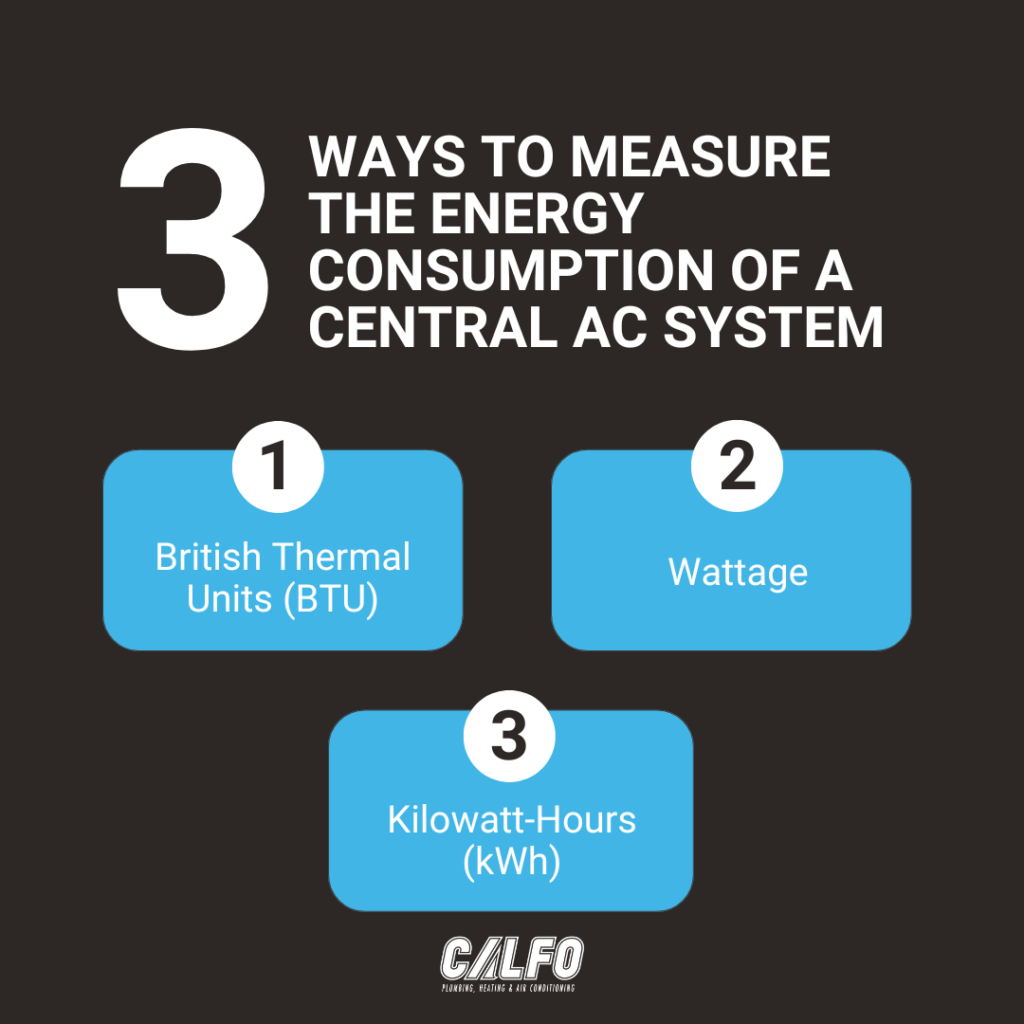
Are you curious about how much electricity your air conditioner uses every hour? Knowing the watts your AC consumes can help you save money and manage your energy bills better.
Whether you’re trying to cut costs or just want to understand your home’s energy use, this guide will give you clear answers. Keep reading to discover how to check your AC’s power consumption and simple tips to lower it without sacrificing comfort.
Your wallet will thank you!
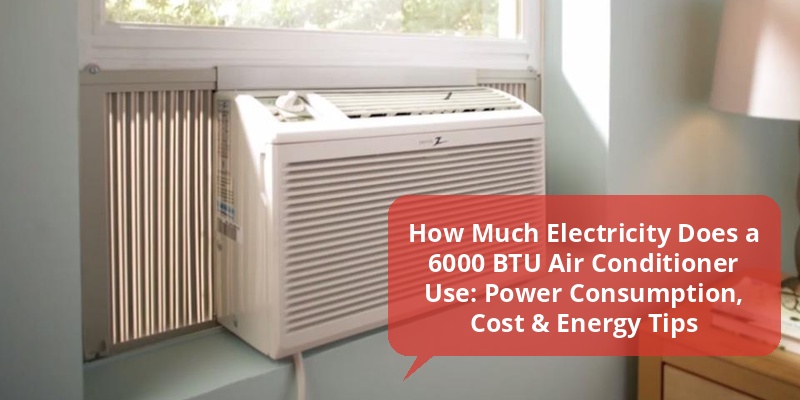
Credit: northnjhvac.com
Air Conditioner Power Basics
Wattsmeasure the amount of electric poweran air conditioner uses per hour. It shows how much energy the AC needs to run. Higher wattage means more electricity use and higher bills. Lower wattage means less power consumption. Knowing watts helps you estimate costs and energy needs.
Many factors affect how many watts an AC uses. These include:
- AC size:Bigger units use more power.
- Cooling capacity:Measured in BTUs; higher BTUs need more watts.
- Energy efficiency:Models with better ratings use fewer watts.
- Usage time:Longer use means higher total watts consumed.
- Room temperature:Hotter rooms make the AC work harder.
- Maintenance:Clean filters and coils reduce power use.
Typical Wattage For Different Ac Types
Window unitsusually use between 500 and 1500 wattsper hour. Small rooms need less power, while big rooms need more.
Split systemsuse about 1000 to 2000 wattsper hour. They are quieter and cool bigger spaces well.
Central air conditionerscan use 2000 to 5000 wattsper hour. They cool whole houses but cost more to run.
| AC Type | Typical Wattage per Hour | Use Case |
|---|---|---|
| Window Units | 500 – 1500 W | Small rooms, budget-friendly |
| Split Systems | 1000 – 2000 W | Medium to large rooms, quiet |
| Central Air Conditioners | 2000 – 5000 W | Whole house cooling |
Calculating Hourly Energy Consumption
To find out how many watts an air conditioner uses per hour, you need two key pieces of information: its wattageand the run time. Wattage tells you how much power the AC unit uses each hour it runs. For example, an AC with 1000 watts uses 1000 watts every hour.
Multiply the wattage by the number of hours the AC runs to get the total energy used. For instance, 1000 watts running for 3 hours equals 3000 watt-hours or 3 kilowatt-hours (kWh).
| BTU Rating | Approximate Wattage |
|---|---|
| 5000 BTU | 500 watts |
| 8000 BTU | 800 watts |
| 12000 BTU | 1200 watts |
BTU ratings show the cooling power of an air conditioner. Higher BTU means more cooling and often higher wattage. This helps estimate power use before buying or using an AC unit.

Credit: truegear.com.au
Energy Efficiency And Power Usage
SEERstands for Seasonal Energy Efficiency Ratio. It shows how much cooling a unit gives per watt of electricity used. The higher the SEER rating, the less power the air conditioner uses.
For example, an air conditioner with a SEER of 16 uses less energy than one with a SEER of 10. This means lower electricity bills and less impact on the environment.
| SEER Rating | Energy Usage | Efficiency Level |
|---|---|---|
| 10-13 | High | Low Efficiency |
| 14-16 | Moderate | Good Efficiency |
| 17+ | Low | High Efficiency |
Energy Star Certifiedmodels meet strict energy efficiency rules. They use less electricity and save money. These models help reduce greenhouse gas emissions. Buying one can be a smart choice for saving energy.
How Usage Patterns Affect Wattage
Temperature settingshave a big effect on how many watts an air conditioner uses. Setting the temperature lower means the AC works harder and uses more energy. Higher temperatures use less power.
Fan speed and modealso change power use. Higher fan speeds cool the room faster but use more watts. Using eco or energy-saving modes helps reduce electricity use.
Room size and insulationaffect energy needs too. Bigger rooms need more power to cool. Poor insulation lets cool air escape, so the AC runs longer and uses more watts.
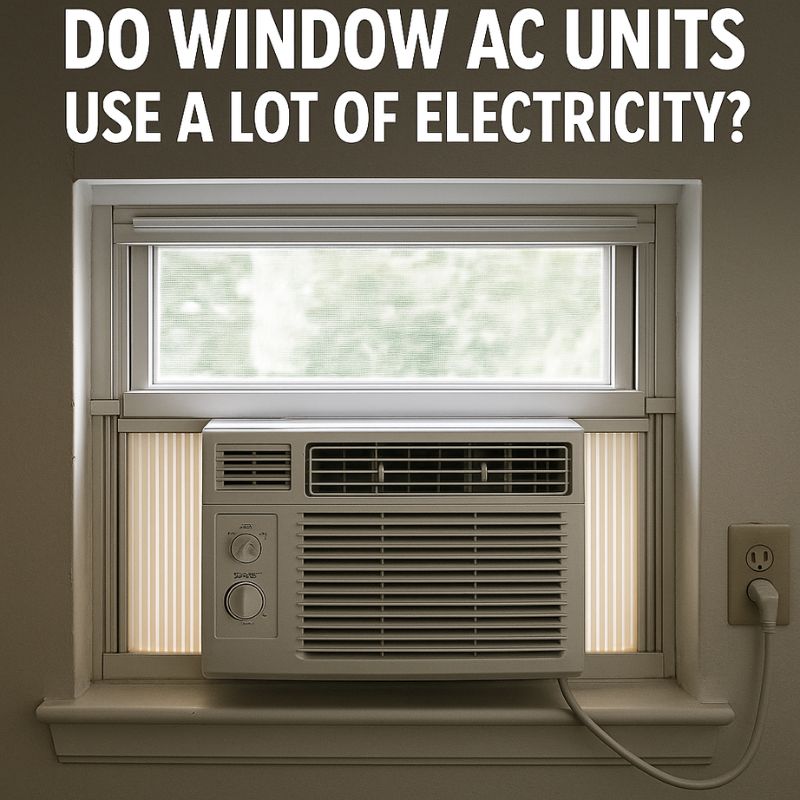
Credit: www.theelectriciansco.com
Reducing Ac Power Consumption
Smart thermostatshelp control AC use by setting the right temperature. They save energy by adjusting cooling when you are away or asleep. This reduces wasted power and lowers bills.
Regular maintenancekeeps your AC running well. Cleaning filters and coils improves airflow and efficiency. It helps the AC use less power and cool better.
- Using fanshelps spread cool air faster.
- Fans use less energy than air conditioners.
- Ventilationremoves hot air from rooms.
- Open windows or vents to improve air flow.
Estimating Electricity Costs
The cost to run an air conditioner depends on its wattage and local electricity rates. To find the cost per hour, multiply the AC’s watt usage by the electricity rate (per kWh). For example, a 1500-watt unit running for one hour at $0.12 per kWh costs:
- 1500 watts ÷ 1000 = 1.5 kWh
- 1.5 kWh × $0.12 = $0.18 per hour
Different models use varying watts based on size and efficiency. Smaller units use less power but may cool less space. Energy-efficient models often save money over time.
| Model | Power Usage (Watts) | Cost Per Hour ($0.12/kWh) |
|---|---|---|
| Small Window AC | 500 | 0.06 |
| Medium Split AC | 1200 | 0.14 |
| Large Central AC | 3500 | 0.42 |
Tools To Measure Ac Power Use
Energy monitorsare simple tools to check how much power an air conditioner uses. They plug into the wall outlet, then the AC plugs into the monitor. This lets you see the real-time energy useand total consumption over time. These devices help find out if your AC uses more power than expected.
Smart plugs with trackingwork similarly but have extra features. They connect to Wi-Fi and give you energy data on your phone. You can check the AC’s power use anytimeand even set schedules to save energy. Some smart plugs show costs too, helping you control your electricity bills.
Frequently Asked Questions
How Many Watts Does A Typical Air Conditioner Use?
A typical air conditioner uses between 500 to 1500 watts per hour. The exact consumption depends on the unit size and efficiency. Larger units and older models consume more energy. Modern energy-efficient ACs use less power, saving money on electricity bills.
What Factors Affect Air Conditioner Wattage Consumption?
Air conditioner wattage depends on size, cooling capacity, and efficiency rating. Usage patterns, outdoor temperature, and maintenance also impact power consumption. Inverter ACs adjust power based on cooling needs, reducing wattage use. Proper insulation and thermostat settings can further lower energy use.
How Can I Reduce My Air Conditioner’s Energy Consumption?
To reduce energy use, set your AC to a moderate temperature, like 24°C (75°F). Regularly clean filters and schedule maintenance. Use energy-efficient models with high SEER ratings. Improve home insulation and use ceiling fans to circulate cool air better.
Does The Air Conditioner Wattage Affect Electricity Bills?
Yes, higher wattage means more electricity consumption, increasing your bills. Running a high-wattage AC for long periods leads to significant energy costs. Choosing energy-efficient units and controlling usage times helps minimize the impact on your electricity bill.
Conclusion
Understanding air conditioner wattage helps manage energy use. Save money. Protect the environment. Knowing how many watts your air conditioner uses can guide smart choices. You can select energy-efficient models. Reduce electricity bills. Enhance comfort without overspending. Knowledge empowers you to maintain a balance between comfort and cost.
Make informed decisions about cooling needs. This keeps your home pleasant while being energy conscious. Remember, every watt counts. Small changes can lead to big savings. Stay cool. Stay informed. Your energy-efficient journey starts here.