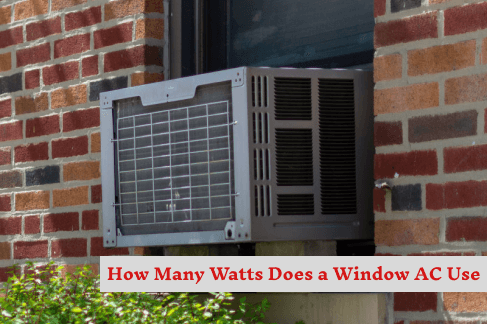
Are you curious about how much electricity your air conditioner really uses? Knowing how many watts an air conditioner consumes can help you save money on your energy bills and make smarter choices for your home.
Whether you’re trying to cut costs or just want to understand your power usage better, this guide will give you clear answers. Keep reading to discover the surprising facts about your AC’s energy use and learn simple tips to stay cool without breaking the bank.
Basics Of Air Conditioner Power Usage
Air conditioners use electricity to cool indoor spaces. Knowing their power use helps manage energy bills.
This guide explains how watts and kilowatts measure power. It also shows different air conditioner types.
Understanding Watts And Kilowatts
Watts measure electric power. One watt equals one joule of energy per second.
Kilowatts equal 1,000 watts. Large appliances like air conditioners often use kilowatts.
- Power usage is shown in watts (W) or kilowatts (kW).
- Higher watts mean more energy use.
- Energy bills depend on power and usage time.
Types Of Air Conditioners
Air conditioners come in several types. Each uses different power amounts and suits various spaces.
| Type | Power Usage (Watts) | Common Use |
| Window Unit | 500 – 1,500 | Small rooms |
| Split System | 1,000 – 3,000 | Medium to large rooms |
| Central Air Conditioner | 3,000 – 5,000+ | Whole house |
| Portable Unit | 800 – 1,500 | Single room, movable |
Factors Affecting Energy Consumption
Air conditioners use different amounts of power based on many factors. Knowing these helps you understand your energy bills.
Some key factors include the size of the unit, its efficiency, and how often you use it. Each affects the total watts used.
Size And Capacity
The size of an air conditioner affects how many watts it uses. Bigger units cool larger spaces but use more power.
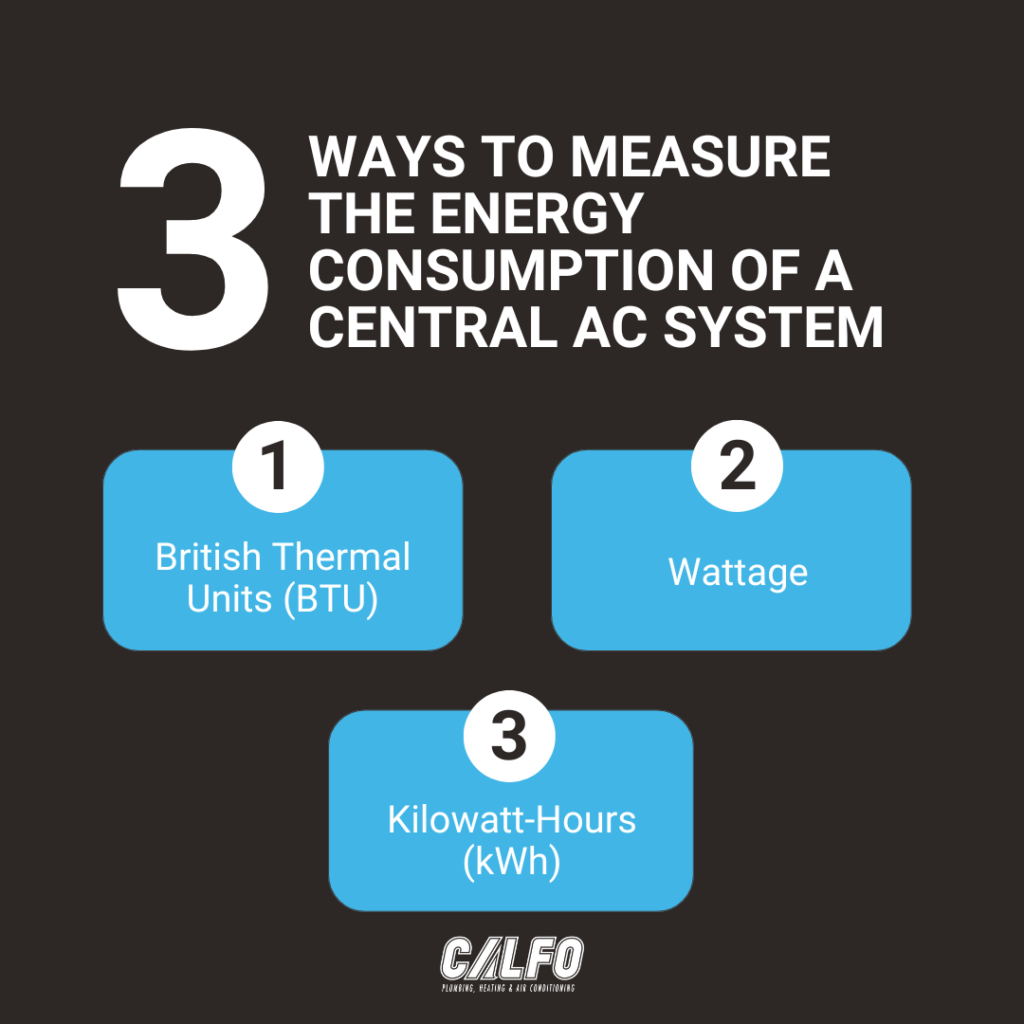
Capacity is measured in BTUs (British Thermal Units). Higher BTUs mean the unit can cool more area but needs more energy.
- Small room AC units use about 500 to 1,200 watts
- Medium units use around 1,200 to 2,000 watts
- Large units can use over 2,000 watts
Efficiency Ratings
Efficiency ratings show how well an air conditioner uses electricity. Higher ratings mean less power consumption.
Look for SEER (Seasonal Energy Efficiency Ratio) or EER (Energy Efficiency Ratio) numbers. Higher SEER or EER means better efficiency.
- Units with SEER 13 use more energy than SEER 20 units
- High-efficiency units save watts and reduce bills
- Older models often have lower efficiency ratings
Usage Patterns
How long and how often you run your air conditioner changes power use. More use means more watts consumed.
Setting the temperature lower or running the AC all day increases energy use. Short, moderate use saves power.
- Running AC at 24°C uses less power than 20°C
- Using a timer reduces unnecessary running time
- Frequent on-and-off cycles may increase power use
Calculating Air Conditioner Wattage
Knowing how many watts your air conditioner uses helps you manage energy costs. You can estimate power consumption easily with a few simple steps.
This guide shows how to find your unit’s wattage and calculate daily and monthly energy use.
Finding The Unit’s Wattage
Check the air conditioner’s label or manual to find the wattage. It is usually listed as watts (W) or amps (A).
If only amps are listed, multiply amps by volts to get watts. Most homes use 120 volts.
| Measurement | How to Find Wattage |
|---|---|
| Watts (W) | Use the number listed directly on the unit. |
| Amps (A) | Multiply amps by volts (usually 120V) to get watts. |
| BTU | Divide BTU by 3.412 to estimate watts. |
Estimating Daily And Monthly Usage
To estimate energy use, multiply the unit’s wattage by the hours it runs daily.
- Find the wattage of your air conditioner.
- Estimate the average hours of daily use.
- Multiply watts by hours to get daily watt-hours.
- Divide by 1,000 to convert to kilowatt-hours (kWh).
- Multiply daily kWh by days in the month for monthly use.
This method gives a clear idea of power consumption and helps plan electricity costs.
Credit: www.renogy.com
Comparing Different Air Conditioner Models
Air conditioners come in various types and sizes. Each model uses a different amount of watts. Understanding this helps you pick the best unit for your needs.
This guide compares window units, central systems, and portable air conditioners. It shows how much power each type typically consumes.
Window Units Vs. Central Systems
Window air conditioners cool single rooms. Central systems cool entire homes through ductwork. Their power use varies a lot.
| Model Type | Typical Watt Usage | Cooling Capacity (BTU) | Use Case |
| Window Unit | 500 – 1500 watts | 5,000 – 12,000 | Single rooms |
| Central System | 3,000 – 5,000 watts | 30,000 – 60,000 | Whole house |
Window units consume less power but cool smaller spaces. Central systems use more electricity but cover large areas.
Portable Air Conditioners
Portable air conditioners offer flexibility. They can be moved to different rooms but often use more watts than window units.
- Watt usage ranges from 800 to 2,000 watts
- Cooling capacity usually between 8,000 and 14,000 BTU
- Easy to install and no permanent setup
- Best for temporary or small space cooling
Portable units have higher power needs due to less efficient cooling. They work well if you need to cool one room at a time.
Energy-saving Tips For Air Conditioner Use
Air conditioners use a lot of power. Saving energy helps lower bills and protect the environment. Simple changes can reduce how much electricity your air conditioner needs.
Use these tips to keep your home cool without wasting energy. Regular care, good thermostat habits, and proper insulation make a big difference.
Regular Maintenance
Cleaning and checking your air conditioner keeps it running well. Dirty filters and parts make it work harder. This raises power use and costs.
- Change or clean filters every month during use
- Clear debris around the outdoor unit
- Schedule yearly professional check-ups
- Check and clean evaporator and condenser coils
- Seal any leaks in the ducts
Optimal Thermostat Settings
Set your thermostat to save energy while staying comfortable. Avoid very low temperatures. Small changes cut electricity use without losing coolness.
| Thermostat Setting | Energy Use | Comfort Level |
| Below 72°F (22°C) | High | Cool but costly |
| 72°F – 78°F (22°C – 26°C) | Moderate | Comfortable and efficient |
| Above 78°F (26°C) | Low | Less cool, saves energy |
Insulation And Sealing
Good insulation stops cool air from escaping. Sealing cracks and gaps blocks warm air from entering. These steps lower the load on your air conditioner.
- Seal gaps around windows and doors with weatherstripping
- Add insulation in walls and attic
- Use curtains or blinds to block sunlight
- Install door sweeps to prevent air leaks
- Check and repair ductwork leaks
Understanding Energy Efficiency Ratings
Air conditioners use different amounts of electricity. Energy efficiency ratings help you see how much power they need. These ratings show how well a unit cools while using less energy.
Knowing these ratings helps you pick an air conditioner that saves money and uses energy wisely. Two common ratings are SEER and EER. Choosing units with good ratings is important.
Seer And Eer Ratings
SEER stands for Seasonal Energy Efficiency Ratio. It measures cooling efficiency over a whole cooling season. A higher SEER means the unit uses less electricity for the same cooling.
EER means Energy Efficiency Ratio. It shows efficiency at a specific temperature, usually hot weather. A higher EER means better performance in hot conditions.
- SEER is good for year-round energy use
- EER focuses on peak cooling times
- Both ratings help compare air conditioner power use
Choosing Energy Star Rated Units
Energy Star units meet strict energy efficiency rules. They use less electricity than standard models. This saves money on electric bills and reduces environmental impact.
Look for the Energy Star label when buying an air conditioner. These units often have higher SEER and EER ratings. They keep your home cool while using less energy.
- Energy Star units lower energy use
- They help reduce your electricity costs
- These models meet government energy standards
Impact Of Air Conditioner Use On Electricity Bills
Air conditioners use a lot of electricity. Knowing how they affect your bill helps you manage costs. This guide explains what to expect when using air conditioning at home.
Electricity bills can rise quickly with heavy air conditioner use. Understanding the details helps you keep control over your spending.
Understanding Utility Costs
Electricity costs depend on how many watts your air conditioner uses and how long it runs. Most units use between 500 and 1500 watts per hour. The higher the wattage, the more electricity it needs.
| Air Conditioner Type | Power Use (Watts) | Average Cost per Hour |
| Window Unit | 500 – 1500 | $0.06 – $0.18 |
| Central Air | 2000 – 5000 | $0.24 – $0.60 |
| Portable Unit | 900 – 1400 | $0.11 – $0.17 |
Budgeting For Energy Expenses
Planning your energy budget helps avoid surprises. Track your air conditioner use and estimate costs to stay within your limits.
- Check your electricity rate per kilowatt-hour (kWh)
- Calculate daily usage by multiplying watts by hours used
- Convert watts to kilowatts by dividing by 1,000
- Multiply kilowatt usage by your rate to find cost
- Adjust air conditioner use to reduce expenses

Credit: aurorasolar.com
Future Of Energy Efficient Air Conditioners
Air conditioners use a lot of electricity. People want units that cool well but use less power. Energy efficient air conditioners save money and help the environment.
New designs and technology aim to reduce the watts air conditioners need. These changes make cooling easier on electric bills and the planet.
Innovations In Cooling Technology
Many new cooling technologies lower energy use. Smart sensors adjust cooling based on room temperature. This stops wasting power when no one is home.
Variable speed compressors run only as fast as needed. This saves energy compared to older models that run full speed all the time.
- Smart thermostats for better control
- Inverter technology for variable speeds
- Eco-friendly refrigerants with less impact
- Improved heat exchangers for faster cooling
Trends In Energy Consumption
Air conditioners use less power over time due to better tech. Energy standards push manufacturers to build efficient models. This lowers the average watts used per unit.
More homes use solar power to run air conditioners. This reduces reliance on the grid and cuts energy bills.
- Energy Star ratings guide buying choices
- Smart homes optimize cooling schedules
- Solar energy powers more AC units
- Government rules limit energy use

Credit: udpwr.com
Frequently Asked Questions
How Many Watts Does A Typical Air Conditioner Use?
A typical air conditioner uses between 500 to 1500 watts per hour. Usage varies by size, model, and efficiency rating. Larger units and older models generally consume more energy. Modern energy-efficient ACs use less power, saving on electricity costs.
What Factors Affect An Air Conditioner’s Wattage Consumption?
Wattage depends on AC size, cooling capacity, and energy efficiency. Ambient temperature and usage duration also impact power use. Proper maintenance and thermostat settings help reduce energy consumption significantly.
How Can I Reduce My Air Conditioner’s Wattage Usage?
To reduce wattage, set the thermostat higher, use energy-saving modes, and maintain filters. Ensure proper insulation and seal leaks in your home. Using fans alongside the AC can also improve efficiency and lower electricity use.
Does Room Size Influence Air Conditioner Wattage?
Yes, larger rooms require higher wattage AC units to cool effectively. Small rooms need less power. Choosing the correct AC size prevents excess energy use and improves cooling performance.
Conclusion
Air conditioners use different watts depending on size and type. Knowing this helps control your electric bill better. Smaller units use less power, while bigger ones need more. Running your AC smartly saves energy and money. Check the wattage before buying to fit your needs.
Simple steps like adjusting temperature can cut power use. Stay cool without wasting electricity. Understanding your AC’s watt use makes a big difference. Choose wisely and keep your home comfortable all summer.