Are you curious about how much energy your chest freezer really consumes? Understanding the wattage of your chest freezer is crucial, especially if you’re looking to save on your energy bills or make eco-friendly choices.
You might be surprised to learn how much power your freezer actually uses and how it impacts your household expenses. We’ll break down everything you need to know about the wattage of chest freezers. Imagine the peace of mind you’ll have knowing exactly how your appliance affects your energy consumption.
Stay with us as we explore this often-overlooked aspect of home appliances, and uncover some tips to help you optimize your freezer’s efficiency.
Chest Freezer Power Basics
Understanding how much power your chest freezer uses helps you manage electricity costs and choose the right model for your needs. Knowing the basics of chest freezer power can make a noticeable difference in your monthly bills. Let’s break down the key points you need to know about wattage and power consumption.
Typical Wattage Range
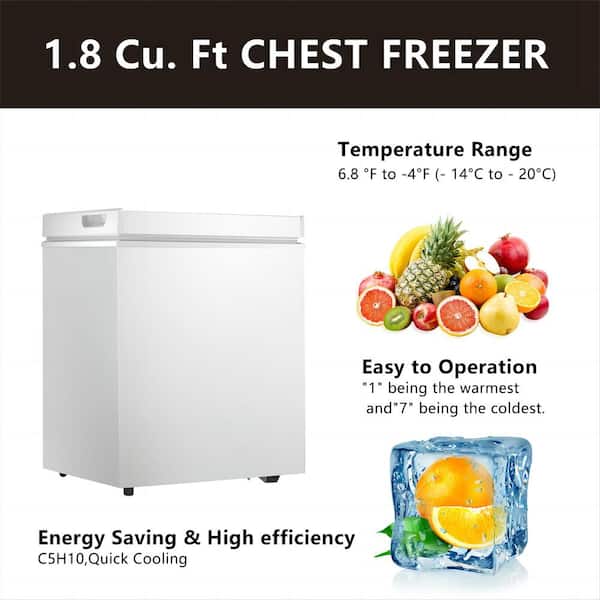
Chest freezers usually consume between 100 and 400 watts when running. Smaller models, like a 5-cubic-foot freezer, often use around 100 to 150 watts. Larger units, especially those over 15 cubic feet, can draw closer to 300 to 400 watts.
This range varies based on the freezer’s size and efficiency. If you are shopping, look for Energy Star-rated models—they typically use less power without sacrificing storage space.
Factors Influencing Power Use
Several factors affect how much electricity your chest freezer uses. Room temperature plays a big role; a freezer in a warm garage will work harder and consume more watts.
How often you open the freezer also matters. Every time the door opens, cold air escapes, and the freezer has to use extra power to cool back down.
- Freezer insulation quality
- Frequency of door openings
- Ambient temperature around the freezer
- Age and maintenance of the freezer
Starting Vs Running Watts
Starting watts are the surge of power your freezer needs to start the compressor, which is higher than the running watts. For example, a freezer that runs at 150 watts might require 600 watts or more to start.
This spike only lasts a few seconds but is important to consider if you are using a generator or have limited power supply. Your utility bill, however, is mostly affected by the running watts since the freezer runs continuously.
Have you ever noticed your freezer causing a brief flicker when it kicks on? That’s the starting watt surge in action. Understanding this can help you avoid potential electrical issues and choose the right power setup.
Energy Consumption Patterns
Understanding energy consumption patterns of chest freezers helps manage electricity use and costs. These patterns depend on daily operation, temperature settings, and the freezer’s size. Each factor plays a role in how many watts the freezer uses over time.
Daily And Monthly Usage
Chest freezers run in cycles, turning on and off to keep items frozen. This cycling affects daily power consumption. On average, a chest freezer uses between 100 to 400 watts while running. Total daily energy use depends on how long the freezer runs each day.
Monthly consumption is the sum of daily use over 30 days. For example, a freezer using 200 watts for 8 hours daily consumes 1.6 kWh per day. Over a month, this adds up to about 48 kWh.
Impact Of Temperature Settings
Lower temperature settings make the freezer work harder. This increases power use. Setting the freezer too cold wastes energy. Most freezers work efficiently at around 0°F (-18°C).
Adjusting temperature slightly higher can reduce electricity use without spoiling food. Avoid frequent temperature changes, as they cause extra energy use.
Effect Of Freezer Size
Larger freezers use more power than smaller ones. More space means more air to cool. Bigger freezers also open and close more, letting warm air inside.
Small freezers often use less than 200 watts. Large models can use 400 watts or more. Choose the right size for your needs to save energy.
Energy Efficiency Tips
Saving energy with a chest freezer is simple. Small actions can lower power use and cut costs. Proper care keeps your freezer running well and helps the environment.
Optimal Placement
Place the freezer in a cool, dry spot away from heat sources. Avoid direct sunlight or near ovens and heaters. Good airflow around the freezer helps it stay cool without extra power. Keep it on a flat, stable surface to prevent strain on the compressor.
Proper Loading Techniques
Do not overfill the freezer. Leave space for air to circulate. Organize items so you can find things quickly. This reduces how long the door stays open. Store food in airtight containers to prevent frost buildup. Frost makes the freezer work harder and use more energy.
Regular Maintenance Benefits
Clean the freezer coils twice a year to remove dust. Dust slows cooling and raises energy use. Check door seals regularly for cracks or gaps. Tight seals keep cold air in and save power. Defrost the freezer if frost builds up more than half an inch. A frost-free freezer uses less electricity.

Credit: naturesgenerator.com
Comparing Chest Freezers To Upright Models
Choosing between a chest freezer and an upright model can impact more than just where you place it in your home. Your decision affects energy consumption, available space, and how well the freezer maintains its temperature. Understanding these differences helps you pick a freezer that fits your lifestyle and budget without surprises on your electricity bill.
Energy Use Differences
Chest freezers generally use less electricity than upright models. They have fewer air exchanges when opened, which means less cold air escapes. This reduces the workload on the compressor, saving energy.
Upright freezers often have more shelves and compartments, but their door opens vertically, causing more cold air to spill out. This can increase energy consumption, especially if you open the door frequently. If you want to keep your electricity bill low, a chest freezer might be the smarter choice.
Space And Insulation Factors
Chest freezers usually offer more usable space for the same external dimensions. Their design allows you to stack larger items without worrying about shelf height. Plus, chest freezers tend to have thicker insulation, which helps maintain cold temperatures more efficiently.
Upright freezers save floor space since they take up less width, fitting better in tight spots. However, they often have thinner insulation and more surface area exposed to warm air when opened. Think about where you plan to place your freezer and how much room you really need inside before deciding.
Calculating Operating Costs
Calculating the operating costs of a chest freezer helps manage your electricity budget. Understanding the energy use lets you plan expenses better. It also shows how much the freezer adds to your monthly bill. You can use simple math to estimate these costs. Knowing wattage and usage hours is key to this calculation.
Using Wattage To Estimate Bills
Start by finding the freezer’s wattage, usually on its label. This number shows the power the freezer uses per hour. Next, multiply the wattage by the hours the freezer runs daily. This gives the daily energy consumption in watt-hours.
Convert watt-hours to kilowatt-hours (kWh) by dividing by 1,000. Utility companies charge based on kWh. Multiply kWh by your electricity rate to find the daily cost. Multiply that by 30 for a monthly estimate.
Example Cost Calculations
| Freezer Wattage | Hours Used Daily | Electricity Rate ($/kWh) | Monthly Cost ($) |
|---|---|---|---|
| 150 watts | 8 hours | 0.12 | 4.32 |
| 200 watts | 10 hours | 0.15 | 9.00 |
For example, a 150-watt freezer running 8 hours daily uses 1.2 kWh. Multiply by $0.12 per kWh, the monthly cost is about $4.32. A 200-watt model running 10 hours daily uses 2 kWh. At $0.15 per kWh, it costs around $9 monthly.
Choosing An Energy-efficient Freezer
Choosing an energy-efficient chest freezer saves money and helps the environment. Freezers run all day, so their power use matters a lot. Picking the right model can lower your electricity bill without losing storage space. Focus on features that reduce power use and keep food frozen well.
Energy Star Ratings
Energy Star labels show freezers that use less energy. These models meet strict government rules for efficiency. They consume about 10-20% less power than standard freezers. Look for the Energy Star badge when shopping. It means the freezer uses energy smartly.
Choosing an Energy Star freezer can cut your yearly electricity cost. It also reduces your carbon footprint. This label guarantees you buy a model tested for power savings.
New Technology Features
Modern freezers include features that save energy. Some have better insulation to keep cold air inside. Others use advanced compressors that adjust power use based on need. These changes reduce wasted electricity and keep food fresh longer.
Look for features like:
- LED lighting instead of regular bulbs
- Smart temperature controls
- Frost-free technology to avoid manual defrosting
- Vacuum insulation panels for better cold retention
These technologies help freezers use power only when necessary. They improve efficiency and reduce overall energy consumption.
Power Supply Considerations
Power supply is a key factor when using a chest freezer. Understanding how much power it needs helps avoid electrical issues. It also ensures the freezer runs efficiently without tripping breakers or causing outages. Power needs depend on the freezer’s size, age, and usage. Choosing the right electrical setup keeps your freezer safe and reliable.
Circuit Requirements
Chest freezers usually require a dedicated circuit. This means the freezer has its own power line separate from other appliances. The circuit should match the freezer’s wattage and amperage needs. Most chest freezers need a 15 to 20 amp circuit. The wiring must comply with local electrical codes for safety. Proper grounding is also important to prevent shocks and damage. Using an outlet on a shared circuit can cause power overloads and nuisance trips.
Backup Power Options
Power outages can spoil your frozen food quickly. Backup power options keep your chest freezer running during blackouts. A common choice is a generator that matches the freezer’s power needs. Smaller freezers require less generator power, while larger ones need more. Another option is a battery backup system with an inverter. These systems switch on automatically when power fails. Planning for backup power protects your food and reduces waste.

Credit: www.amazon.com
Credit: www.homedepot.com
Frequently Asked Questions
How Many Watts Does A Typical Chest Freezer Use?
A typical chest freezer uses between 100 to 400 watts while running. The exact wattage depends on the freezer’s size and efficiency. Smaller models use less power, while larger or older freezers consume more energy.
What Factors Affect Chest Freezer Wattage Consumption?
Wattage depends on freezer size, insulation quality, compressor efficiency, and usage frequency. Larger freezers require more power. Frequent door openings and warm ambient temperatures increase energy consumption.
How To Calculate Chest Freezer Energy Consumption In Watts?
Multiply the freezer’s running watts by the number of hours it runs daily. Then, multiply by days used monthly. This gives an estimate of monthly watt-hour consumption to manage electricity costs.
Does Chest Freezer Wattage Vary By Brand Or Model?
Yes, wattage varies significantly by brand, model, and energy rating. Newer, energy-efficient freezers consume fewer watts. Always check product specifications for accurate power consumption details.
Conclusion
Chest freezers use different watts based on size and model. Smaller freezers use less power, while larger ones consume more. Knowing the wattage helps plan your electricity bill better. Use energy-efficient models to save money and reduce waste. Check the label or manual to find exact watt use.
Simple steps like keeping the freezer full also cut energy use. Understanding watts makes choosing and using chest freezers easier. Save energy, save money, and keep food fresh longer.