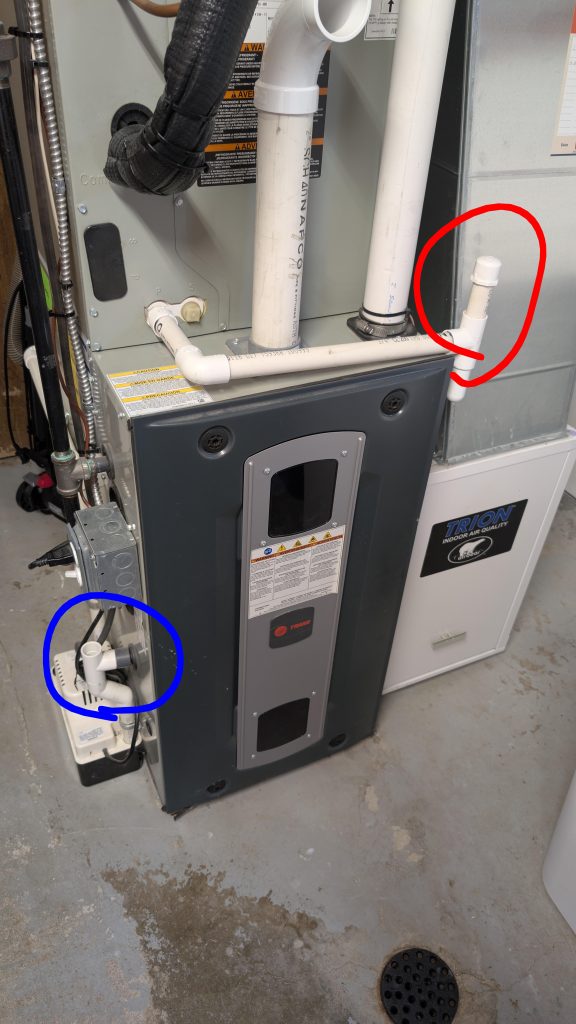
Is your air conditioner drain clogged or smelling bad? You might be wondering how much bleach to put in your AC drain to keep it clean and clear.
Using bleach the right way can stop mold and bacteria from building up, but too much can cause damage. You’ll learn the exact amount of bleach to use, how to apply it safely, and why it matters for your AC’s performance.
Keep reading to protect your system and breathe easier all year long.
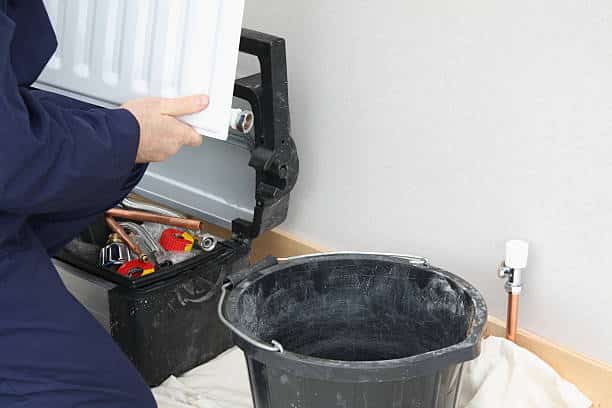
Credit: airaceheatingandcooling.com
Role Of Bleach In Ac Drain Maintenance
Bleach helps stop mold and mildewin the AC drain. These fungi grow in damp places and cause bad smells. Adding bleach kills them and keeps the drain clean. Use about 1/4 cup of bleachfor every gallon of water poured into the drain line. This amount is safe for pipes and effective against germs.
Bleach also clears blockagesin the drain line. It dissolves slimy buildup that clogs pipes. Pour the bleach solution slowly to avoid damage. Let it sit for 15-30 minutes before rinsing with water. Repeat every few months to keep the drain free-flowing.
- Use only diluted bleach, never full strength.
- Wear gloves to protect your skin.
- Ensure good ventilation during use.
- Do not mix bleach with other chemicals.
Determining The Right Bleach Amount
For most air conditioner drains, 1/4 cup of bleachmixed with 1 gallon of water is enough. This mix helps clean and kill moldinside the drain line. Pour the solution slowly to avoid damage.
Some units may need less or more bleach. Consider these factors:
- Drain size:Larger drains may need a bit more bleach.
- Frequency of use:More frequent cleaning might require smaller doses each time.
- Condition of the drain:Heavily clogged drains might need a stronger solution but use caution.
| Factor | Effect on Bleach Amount |
|---|---|
| Drain Size | Bigger drains may need up to 1/2 cup bleach |
| Cleaning Frequency | More often means smaller bleach doses |
| Drain Condition | Heavier buildup may need stronger bleach mix |
Step-by-step Bleach Application
Clear the drain line area from dust and dirt first. Use a cloth to wipe the outside pipe gently. Make sure the drain is not clogged. This allows bleach to flow freely and clean well.
Pour only a small amount of bleach, about 1/4 cup, into the drain line. Too much bleach can damage pipes. Use a measuring cup to be exact. Pour slowly to avoid spills.
Let the bleach sit inside the drain for 15 to 30 minutes. This time helps kill mold and bacteria. After waiting, flush the drain with clean water. This clears out any leftover bleach safely.
Safety Tips When Using Bleach
Always wear glovesand eye protectionwhen handling bleach. This helps stop skin burns and eye damage. Use a maskto avoid breathing bleach fumes, especially in closed spaces.
Keep the area well ventilated. Open windows and doors to let fresh air in. This lowers the risk of breathing in strong bleach fumes that can hurt your lungs.
- Use paper towelsor cloth to clean spills immediately.
- Never mix bleach with other chemicals, especially ammonia.
- If bleach contacts skin, rinse with plenty of water.
- For eyes, flush with water for at least 15 minutes and seek help.
- Dispose of bleach-soaked materials safely in a sealed bag.
Alternatives To Bleach For Ac Drain Cleaning
Natural cleaning solutions are safe and easy to use for AC drain cleaning. Common options include white vinegarand baking soda. Vinegar kills mold and bacteria, while baking soda helps remove clogs. Mix a cup of vinegar with water and pour it slowly into the drain. Let it sit for 30 minutes, then flush with water.
Commercial drain cleaners offer a stronger option. These products are designed to clear tough blockages and kill germs. Choose cleaners labeled safe for air conditioner drains. Follow the instructions carefully and use gloves for protection. Avoid harsh chemicals that can damage pipes or harm the environment.

Credit: smashingclean.com
Signs You Need To Clean Your Ac Drain
Water leaksaround the AC unit often signal a clogged drain line. The drain line may be blocked by dirt, mold, or algae. This causes water to pool and leak inside your home. Bad odorsfrom the AC also show it needs cleaning. These smells come from mold or mildew growing inside the drain pan or pipe.
Reduced cooling efficiencyis another key sign. A dirty drain line can cause the AC to work harder. This leads to less cool air and higher energy bills. The system may also shut off unexpectedly to avoid water damage.
- Water pooling near the indoor unit
- Musty or sour smells coming from vents
- AC not cooling rooms as well as before
- Frequent system shutdowns or cycling
Frequency Of Bleach Treatment
Using bleach in your air conditioner drain helps keep it clean and clear. For seasonal maintenance, apply bleach once every three months. This helps prevent mold and clogs caused by dirt and moisture buildup.
Usage-based schedulingdepends on how often the air conditioner runs. If used daily or in humid areas, treat the drain every 4 to 6 weeks. For light or occasional use, twice a year is usually enough.
- Pour about 1/4 cup of bleachinto the drain line.
- Flush with water after 30 minutes to clear residue.
- Never use too much bleach to avoid damaging pipes.
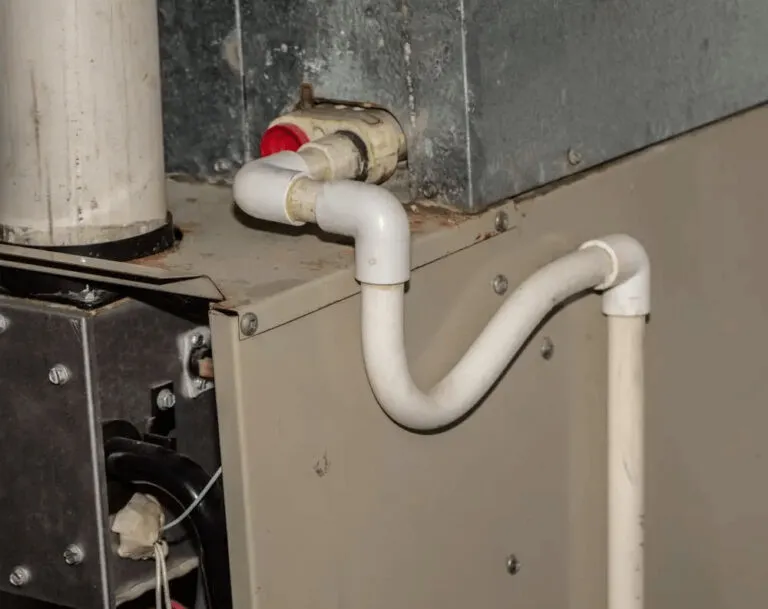
Credit: smashingclean.com
Frequently Asked Questions
How Often Should I Put Bleach In My Ac Drain?
You should clean your air conditioner drain with bleach every three to six months. Regular maintenance prevents mold and mildew buildup. Always follow the manufacturer’s guidelines for specific cleaning instructions. This routine ensures your AC system runs efficiently and extends its lifespan.
Can Too Much Bleach Damage My Ac System?
Yes, using too much bleach can damage your AC system components. Excess bleach can corrode the drain line and other parts. Always use a diluted solution, usually a 1:10 ratio of bleach to water. Follow your manufacturer’s recommendations for safe cleaning practices.
What Type Of Bleach Is Best For Ac Drains?
Regular household bleach is suitable for cleaning AC drains. Ensure it is unscented and not too concentrated. Dilute it properly before use. This helps prevent any potential damage to the AC system. Avoid using bleach alternatives or harsh chemicals that may cause corrosion.
Is Bleach The Only Option For Ac Drain Cleaning?
No, vinegar is an alternative to bleach for cleaning AC drains. Vinegar is less corrosive and effective against mold. Mix equal parts of vinegar and water for a safe cleaning solution. Both bleach and vinegar require regular application for optimal results.
Conclusion
Adding the right amount of bleach keeps your AC drain clean. Use about a quarter cup to avoid damage. Too much bleach can harm pipes and parts. Regular cleaning stops clogs and bad smells. Simple care helps your air conditioner work well longer.
Remember to handle bleach safely and follow instructions. Clean drains mean better air and fewer problems. Keep your home fresh and your AC running smoothly. Small steps make a big difference in maintenance.