
Are you curious about how much caffeine is hiding in your refreshing cup of iced tea? Whether you rely on iced tea to kickstart your day or enjoy it as a cool afternoon pick-me-up, knowing the caffeine content can help you make smarter choices.
Too much caffeine might leave you feeling jittery, while too little may not give you the boost you need. You’ll discover exactly what goes into your iced tea and how it compares to other popular drinks. Keep reading to find out how your favorite chilled beverage affects your energy and focus throughout the day.
Caffeine Basics
Caffeine is a natural stimulant found in many drinks. It helps people feel more awake and alert. Iced tea is a popular drink that contains caffeine.
Understanding caffeine helps you manage how much you consume each day. This guide explains what caffeine is and how it affects your body.
What Is Caffeine?
Caffeine is a chemical made by plants to protect themselves. It is found in coffee beans, tea leaves, and some other plants. People drink caffeine to feel more awake.
- Caffeine is a natural stimulant.
- It is found in tea, coffee, and some sodas.
- Caffeine can improve focus and reduce tiredness.
- It works by affecting the brain and nervous system.
How Caffeine Affects The Body
Caffeine enters the bloodstream and travels to the brain. It blocks a chemical that makes you feel tired. This makes you feel more awake and alert for a while.
| Effect | Description |
| Increased Alertness | Caffeine blocks tiredness signals in the brain. |
| Faster Heart Rate | Caffeine can cause your heart to beat faster. |
| Diuretic | Caffeine can make you urinate more often. |
| Temporary Energy Boost | It helps you feel more energetic for a short time. |

Credit: redrosetea.com
Iced Tea Varieties
Iced tea is a popular cold drink enjoyed worldwide. It comes in many types, each with different caffeine levels.
Understanding the caffeine content in different iced teas helps you choose the best option for your needs.
Black Iced Tea
Black iced tea is made from fully oxidized tea leaves. It usually has the highest caffeine content among iced teas.
| Type | Caffeine per 8 oz cup |
| Regular Black Iced Tea | 40-70 mg |
| Strong Brewed Black Iced Tea | 70-90 mg |
| Decaffeinated Black Iced Tea | 2-5 mg |
Green Iced Tea
Green iced tea is made from unoxidized leaves. It has less caffeine than black tea but still offers a mild boost.
- Regular Green Iced Tea: 20-45 mg caffeine
- Matcha Iced Tea: 60-70 mg caffeine
- Decaffeinated Green Iced Tea: 2-4 mg caffeine
Herbal Iced Tea
Herbal iced tea is made from herbs, flowers, or fruits. It usually has no caffeine, making it a good choice for late evenings.
| Herbal Tea Type | Caffeine Content |
|---|---|
| Chamomile Iced Tea | 0 mg |
| Hibiscus Iced Tea | 0 mg |
| Rooibos Iced Tea | 0 mg |
Caffeine Levels In Iced Tea
Iced tea is a popular cold drink enjoyed by many. It contains caffeine, a natural stimulant.
Knowing how much caffeine is in iced tea helps you manage your intake. The amount varies by several factors.
Average Caffeine Content
On average, an 8-ounce cup of iced tea has about 30 to 50 milligrams of caffeine. This is less than a cup of coffee.
| Type of Iced Tea | Caffeine Content (mg per 8 oz) |
| Black Iced Tea | 30-50 |
| Green Iced Tea | 20-45 |
| Herbal Iced Tea | 0-5 |
| Decaffeinated Iced Tea | 2-4 |
Factors Influencing Caffeine Amount
Several factors affect how much caffeine is in your iced tea. These include the tea type, brewing time, and serving size.
- Tea Type:Black and green teas have more caffeine than herbal teas.
- Brewing Time:Longer brewing extracts more caffeine from the leaves.
- Serving Size:Larger cups contain more caffeine overall.
- Leaf Quality:Higher quality leaves can have higher caffeine levels.

Credit: qifullife.com
Comparing Iced Tea To Other Beverages
Iced tea is a popular drink that many enjoy for its refreshing taste. It also contains caffeine, but the amount varies compared to other drinks.
Let’s look at how much caffeine is in iced tea compared to coffee, soda, and energy drinks.
Iced Tea Vs Coffee
Coffee usually has more caffeine than iced tea. A typical cup of iced tea has about 20 to 47 mg of caffeine.
On the other hand, a regular cup of coffee contains about 95 mg of caffeine. This makes coffee stronger in caffeine content than iced tea.
Iced Tea Vs Soda
Sodas generally have less caffeine than iced tea. Most colas have around 30 to 40 mg per can.
- Iced tea: 20-47 mg caffeine per cup
- Cola soda: 30-40 mg caffeine per can
- Other sodas: usually less than 20 mg caffeine
Iced Tea Vs Energy Drinks
Energy drinks have much more caffeine than iced tea. They are designed to boost energy quickly.
| Drink | Caffeine Content (mg) |
| Iced Tea (1 cup) | 20-47 |
| Energy Drink (8 oz) | 80-150 |
Health Impacts Of Iced Tea Caffeine
Iced tea contains caffeine, a natural stimulant found in tea leaves. The amount of caffeine varies by type and brewing method.
Understanding caffeine’s effects helps you enjoy iced tea safely. It can boost energy but may affect health if consumed too much.
Benefits Of Moderate Caffeine Intake
Moderate caffeine can improve alertness and focus. It may also support brain function and mood.
Some studies show caffeine helps with physical performance and metabolism. Drinking iced tea in moderation can be part of a healthy diet.
- Increases mental alertness
- Enhances mood and focus
- Supports physical endurance
- May boost metabolism
Risks Of Excessive Caffeine Consumption
Too much caffeine can cause nervousness and restlessness. It may disrupt sleep and increase heart rate.
High caffeine intake might lead to headaches, stomach upset, or anxiety. People sensitive to caffeine should limit iced tea consumption.
- Sleep problems and insomnia
- Increased heart rate
- Headaches and dizziness
- Stomach discomfort
- Anxiety and jitters
Tips For Managing Caffeine Intake
Caffeine is in many drinks, including iced tea. Too much caffeine can cause restlessness and sleep problems.
Learning how to manage caffeine helps you enjoy iced tea without side effects. Here are some tips to help you.
Choosing Low-caffeine Iced Tea
Some iced teas have less caffeine than others. Choosing the right type can lower your caffeine intake.
- Go for herbal iced teas like rooibos or chamomile. These usually have no caffeine.
- Try green iced tea instead of black tea. It has about half the caffeine.
- Look for decaffeinated iced tea options in stores.
- Check the label for caffeine content before buying.
Adjusting Brewing Methods
How you brew your iced tea affects its caffeine level. Shorter brewing times reduce caffeine.
| Brewing Method | Effect on Caffeine |
| Steeping tea for 1-2 minutes | Low caffeine release |
| Steeping tea for 3-5 minutes | Moderate caffeine release |
| Steeping tea for 6+ minutes | High caffeine release |
| Cold brew method (8-12 hours) | Lower caffeine than hot brew |
Surprising Facts About Iced Tea Caffeine
Iced tea is a popular drink on warm days. Many people enjoy its refreshing taste. But not all know how much caffeine it has.
The caffeine content in iced tea can vary a lot. It depends on the type of tea and how it is brewed. Some iced teas have more caffeine than you might expect.
Unexpected Sources Of Caffeine
Not all iced teas come from the same tea leaves. Some use black or green tea, which have caffeine. Others use herbal blends that may also contain caffeine.
Even some fruit-flavored iced teas can have caffeine. This happens when real tea leaves are mixed with fruit flavors. Always check the label to be sure.
- Black tea iced tea has about 40-70 mg of caffeine per cup.
- Green tea iced tea has about 20-45 mg per cup.
- Herbal iced teas usually have no caffeine, but some blends do.
- Fruit-flavored iced teas may still contain caffeine if real tea leaves are included.
Myths About Iced Tea And Caffeine
Many believe iced tea has no caffeine. This is not true. Most iced teas made from tea leaves have caffeine.
Some think iced tea caffeine is the same as coffee. Iced tea usually has less caffeine than coffee. But it can still give a mild energy boost.
- Iced tea always has caffeine – false for some herbal types.
- Caffeine in iced tea is the same as in coffee – false, iced tea has less.
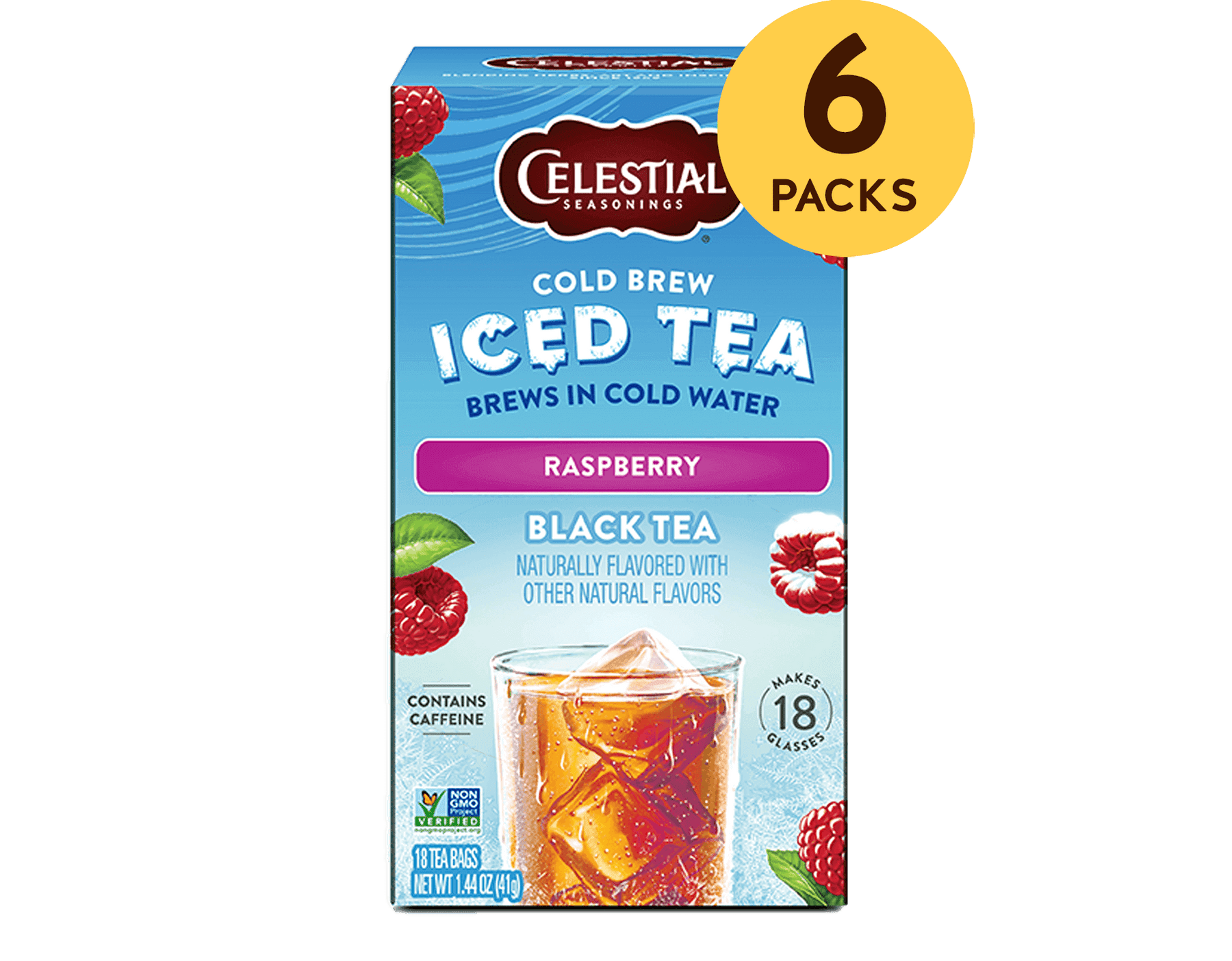
- Cold brew iced tea has no caffeine – false, it can have more caffeine.
- Decaffeinated iced tea has no caffeine – false, small amounts remain.
Credit: celestialseasonings.com
Frequently Asked Questions
How Much Caffeine Is In Iced Tea?
The caffeine content in iced tea varies. On average, an 8-ounce cup contains 20 to 47 mg. Factors like tea type and brewing time affect the amount. Black teas typically have more caffeine compared to green teas. Always check labels if you’re buying pre-packaged iced tea.
Is Iced Tea Caffeine Content Less Than Coffee?
Yes, iced tea generally contains less caffeine than coffee. An 8-ounce cup of coffee usually has 95 mg of caffeine. In contrast, the same amount of iced tea has 20 to 47 mg. This makes iced tea a milder caffeine option for those seeking a moderate boost.
Does Brewing Time Affect Iced Tea Caffeine?
Yes, brewing time directly impacts caffeine levels in iced tea. Longer brewing times increase caffeine extraction from the leaves. For a lighter caffeine content, brew for a shorter duration. Adjust brewing time according to your caffeine preferences and desired strength of the tea.
Can Decaffeinated Iced Tea Still Have Caffeine?
Yes, decaffeinated iced tea can still contain small caffeine amounts. The decaffeination process removes most but not all caffeine. Typically, decaf iced tea has around 1 to 5 mg of caffeine per cup. It’s a suitable option for those sensitive to caffeine or seeking a low-caffeine beverage.
Conclusion
A cup of iced tea has varying caffeine amounts. Factors like tea type and brewing time change caffeine levels. Black iced tea usually has more caffeine than green or herbal teas. Knowing caffeine content helps you enjoy iced tea without surprises.
Drink iced tea to stay refreshed and alert. Choose the right iced tea for your caffeine needs. Simple awareness keeps your tea time healthy and enjoyable.