Have you ever wondered how much caffeine is in your cup of tea? Whether you rely on tea to wake up in the morning or to keep you focused during the day, knowing the caffeine content can help you make better choices.
Too much caffeine might leave you feeling jittery, while too little might not give you the boost you need. You’ll discover the surprising facts about caffeine levels in different types of tea. By the end, you’ll know exactly what’s in your cup and how it affects your body.
Keep reading to find out how to enjoy your tea just the way you like it—without any unwanted surprises.

Credit: redrosetea.com
Caffeine Basics
Caffeine is a natural stimulant found in many drinks. Tea is one of the popular sources of caffeine.
Knowing about caffeine helps you understand how much is in your cup of tea.
What Is Caffeine
Caffeine is a chemical found in plants like tea leaves, coffee beans, and cocoa beans. It helps plants protect themselves from insects.
People consume caffeine for its stimulating effects on the brain and body. It is one of the most used drugs worldwide.
How Caffeine Affects The Body
Caffeine blocks a chemical in the brain called adenosine. This chemical makes you feel tired. When blocked, you feel more awake.
It can improve focus, mood, and energy for a short time. Too much caffeine can cause jitters or trouble sleeping.
- Increases alertness
- Boosts energy levels
- Can improve mood
- Might cause nervousness in high amounts
- Can affect sleep if taken late
Caffeine Levels In Tea
Tea is a popular drink worldwide. Many people enjoy it for its taste and caffeine content.
Caffeine in tea can vary a lot. It depends on the type of tea and how it is made.
Caffeine In Black Tea
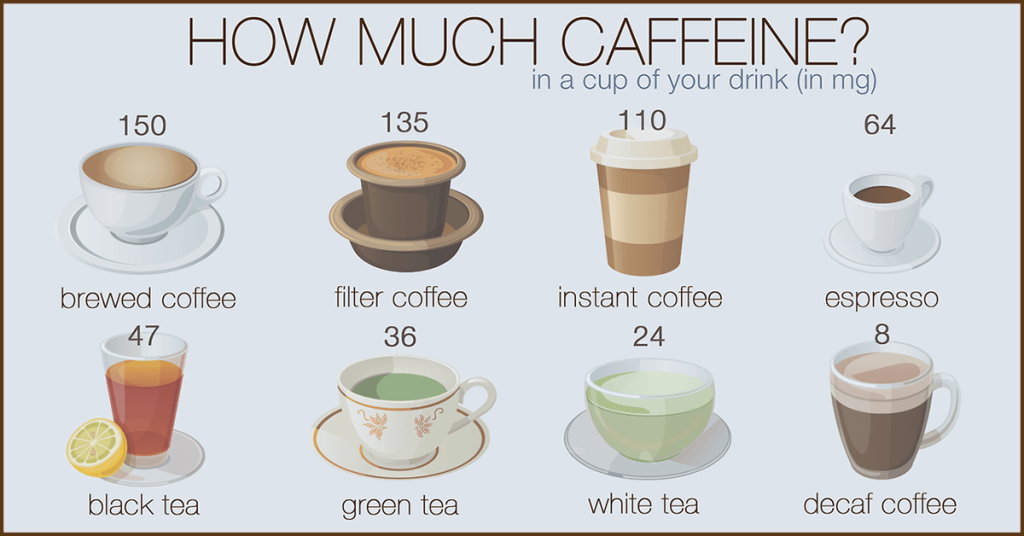
Black tea usually has the most caffeine among teas. It has about 40 to 70 milligrams of caffeine per cup.
The longer you steep black tea, the more caffeine it releases. It has a strong and bold flavor.
Caffeine In Green Tea
Green tea has less caffeine than black tea. It contains about 20 to 45 milligrams of caffeine per cup.
Green tea tastes lighter and fresher. It is a good choice for those who want less caffeine.
Caffeine In White Tea
White tea has the least caffeine of the true teas. It has about 15 to 30 milligrams per cup.
This tea is very mild and delicate in flavor. It is made from young tea leaves and buds.
Caffeine In Herbal Tea
Herbal tea usually has no caffeine. It is made from herbs, flowers, or fruits, not tea leaves.
Some herbal blends may contain caffeine if mixed with real tea. Always check the label to be sure.
Factors Influencing Tea’s Caffeine Content
The caffeine amount in a cup of tea can change a lot. Different things affect how much caffeine gets into your drink.
Understanding these factors helps you control caffeine in your tea. It also explains why tea caffeine varies.
Tea Leaf Type And Quality
Different tea types have different caffeine levels. Black tea usually has more caffeine than green tea.
High-quality tea leaves often have more caffeine. Lower quality leaves or dust have less caffeine.
- Black tea: highest caffeine
- Oolong tea: medium caffeine
- Green tea: lower caffeine
- White tea: least caffeine
Brewing Time And Temperature
Longer brewing time lets more caffeine release into the tea. Hotter water also extracts more caffeine.
Short brewing or cooler water reduces caffeine. Steeping tea for 3 to 5 minutes is common for average caffeine.
- Long steep = more caffeine
- Short steep = less caffeine
- Hot water extracts caffeine faster
- Cool water extracts less caffeine
Tea Leaf Quantity
Using more tea leaves increases caffeine in your cup. Less tea means less caffeine.
Measuring tea by weight helps control caffeine better than using scoops or teaspoons.
- More leaves = more caffeine
- Fewer leaves = less caffeine
- Use a scale for accuracy
- Adjust leaf amount to your caffeine need

Credit: redrosetea.com
Comparing Tea With Other Drinks
Tea is a popular drink enjoyed worldwide. It contains caffeine, but the amount varies. Many people wonder how tea compares to other drinks in caffeine content.
This article compares tea with coffee, energy drinks, and soft drinks. Knowing the caffeine levels helps you make better choices for your health.
Tea Vs Coffee
Coffee usually has more caffeine than tea. A typical cup of coffee contains about 95 mg of caffeine. Tea has less, about 20 to 60 mg per cup. Black tea has more caffeine than green tea.
| Drink | Average Caffeine Content (mg per cup) |
| Black Tea | 40-60 |
| Green Tea | 20-40 |
| Coffee | 95 |
Tea Vs Energy Drinks
Energy drinks often have much higher caffeine than tea. They can contain 70 to 200 mg of caffeine per can. This is much more than a cup of tea. Energy drinks may also have added sugar and other stimulants.
- Tea: 20-60 mg caffeine
- Energy drinks: 70-200 mg caffeine
- Energy drinks include sugar and extra ingredients
- Tea is a natural source of caffeine
Tea Vs Soft Drinks
Soft drinks like cola have less caffeine than tea. A can of cola has about 30 to 40 mg of caffeine. Tea can have more caffeine, especially black tea. Soft drinks also contain a lot of sugar.
| Drink | Caffeine (mg per serving) | Other Notes |
|---|---|---|
| Black Tea | 40-60 | Natural caffeine source |
| Green Tea | 20-40 | Lower caffeine |
| Soft Drinks (Cola) | 30-40 | High sugar content |
Health Implications Of Tea Caffeine
Tea contains caffeine, a natural stimulant that affects the body and mind. The amount of caffeine in a cup of tea varies by type and brewing time.
Understanding caffeine’s effects helps you enjoy tea safely and gain health benefits without risks.
Benefits Of Moderate Caffeine Intake
Drinking tea with moderate caffeine can improve alertness and mood. It also helps with mental focus and may boost metabolism.
- Enhances concentration and memory
- May reduce risk of some diseases
- Increases energy and reduces tiredness
- Supports heart health in some studies
Risks Of Excessive Caffeine
Consuming too much caffeine from tea can cause side effects. These include sleep problems, anxiety, and increased heart rate.
| Side Effect | Description |
| Insomnia | Difficulty falling or staying asleep |
| Nervousness | Feeling anxious or jittery |
| Rapid Heartbeat | Heart beats faster than normal |
| Upset Stomach | Stomach pain or discomfort |
Caffeine Sensitivity And Tea
People react differently to caffeine. Some feel strong effects from small amounts, while others tolerate more.
Caffeine sensitivity depends on:
- Age and body weight
- Genetics and metabolism
- Frequency of caffeine use
- Health conditions like pregnancy or heart issues

Credit: medium.com
Tips To Control Caffeine Intake From Tea
Tea contains caffeine, but the amount can vary a lot. Some people want to limit caffeine for health or sleep reasons.
This guide helps you control how much caffeine you get from your tea each day.
Choosing Low-caffeine Teas
Some teas naturally have less caffeine. Herbal teas usually have no caffeine at all. Green and white teas have less caffeine than black tea.
Pick teas labeled “low caffeine” or “decaffeinated” if you want to reduce your intake.
- Herbal teas like chamomile, peppermint, and rooibos
- White tea with lighter caffeine content
- Green tea with moderate caffeine
- Decaffeinated black or green tea
Adjusting Brewing Methods
The way you brew tea changes how much caffeine ends up in your cup. Shorter steeping times mean less caffeine.
Use cooler water and steep for 1-2 minutes to lower caffeine. Avoid boiling water and long steeping times.
- Steep tea for 1-2 minutes to reduce caffeine
- Use water below boiling point (around 70-80°C or 158-176°F)
- Discard the first brew to remove some caffeine
- Use fewer tea leaves for a weaker brew
Timing Your Tea Consumption
Drink tea earlier in the day to avoid caffeine affecting your sleep. Limit tea intake in the afternoon and evening.
Spread your tea drinking throughout the day instead of drinking many cups at once.
- Drink tea mostly in the morning and early afternoon
- Avoid tea at least 4-6 hours before bedtime
- Space out tea cups to reduce total caffeine impact
Frequently Asked Questions
How Much Caffeine Is In A Standard Cup Of Tea?
A standard cup of tea contains about 20-60 mg of caffeine. The exact amount varies by tea type and brewing time. Black tea usually has the highest caffeine, while green and white teas have less.
Does Tea Have Less Caffeine Than Coffee?
Yes, tea generally contains less caffeine than coffee. A typical cup of coffee has 95 mg or more. Tea’s caffeine content ranges from 20 to 60 mg, making it a milder stimulant option.
What Factors Affect Caffeine Levels In Tea?
Caffeine levels in tea depend on leaf type, processing, and steeping time. Black tea leaves have more caffeine than green or white. Longer brewing extracts more caffeine, increasing the cup’s strength.
Can Decaffeinated Tea Contain Caffeine?
Decaffeinated tea contains very little caffeine, usually 2-5 mg per cup. It’s not completely caffeine-free but is a good choice for those limiting intake. Always check the label for exact amounts.
Conclusion
A cup of tea contains varying caffeine levels depending on type. Black tea usually has the most caffeine. Green and white teas have less, but still provide a gentle boost. Herbal teas often have little to no caffeine. Knowing these differences helps you choose the right tea for your needs.
Enjoy your tea with the caffeine amount that suits your day. Simple choices can make a big difference in energy and focus. Keep this in mind next time you brew a cup.