Have you ever wondered just how much an air conditioner can cool down your space on a hot day? You might expect it to make your room feel like a winter chill, but the truth is a bit more interesting.
Understanding how much an air conditioner can actually lower the temperature helps you set the right expectations and choose the best cooling solution for your home. Keep reading, and you’ll discover the key factors that affect cooling power—and how you can make your air conditioner work smarter, not harder, to keep you comfortable all summer long.
Air Conditioner Cooling Basics
An air conditioner works by removing heat from inside a room. It uses a special fluid called refrigerant. The refrigerant absorbs heat and cools the air. Then, the unit blows the cool air back into the room.
Several factors affect how well an AC cools a space:
- Room size:Bigger rooms need stronger AC units.
- Outside temperature:Hotter days can reduce cooling power.
- Insulation:Good walls and windows keep cool air inside.
- AC unit size:Too small or too big units work less efficiently.
- Sunlight:Direct sun makes rooms warmer and harder to cool.
Typical Temperature Drop
An air conditioner usually lowers the temperature by 15 to 20 degrees Fahrenheit. This range depends on the AC’s power and settings.
Small rooms cool down faster and reach a greater temperature drop. Larger rooms may not cool as much.
| Room Size | Typical Temperature Drop (°F) |
|---|---|
| Small (up to 150 sq ft) | 15-20 |
| Medium (150-300 sq ft) | 12-18 |
| Large (300+ sq ft) | 10-15 |
- Room sizeaffects how well the AC cools.
- Proper insulation helps keep the room cooler.
- Sunlight and heat sources can reduce cooling efficiency.
Influence Of Ac Types
Window AC unitsare easy to install and cool small rooms well. They lower temperatures by about 15 to 20 degrees Fahrenheit. These units use less energy but can be noisy.
Split AC systemshave two parts: one inside and one outside. They cool rooms more quietly and efficiently. Split ACs can lower temperatures by 20 to 25 degrees Fahrenheit. They work well for bigger rooms.
| AC Type | Cooling Power | Best For | Noise Level |
|---|---|---|---|
| Window AC | 15-20°F | Small rooms | Loud |
| Split AC | 20-25°F | Medium to large rooms | Quiet |
| Portable AC | 10-15°F | Temporary cooling | Moderate |
| Central AC | 20-30°F | Whole house | Quiet |
Portable ACscool small areas and are easy to move. They lower temperatures by about 10 to 15 degrees Fahrenheit. Noise can be moderate.
Central AC systemscool entire homes evenly. They can reduce temperature by 20 to 30 degrees Fahrenheit. These systems are quiet but cost more.
Credit: heatable.co.uk
External Conditions And Cooling
The outdoor temperatureplays a big role in how well an air conditioner works. Cooler outside air means the AC can cool your home more easily. On very hot days, the AC must work harder and may not lower the indoor temperature as much. Usually, an air conditioner can cool the air by about 15 to 20 degrees Fahrenheitbelow the outdoor temperature.
Humidityalso affects cooling. High humidity makes the air feel hotter because of extra moisture. Air conditioners remove some moisture, which helps you feel cooler. In dry air, cooling feels stronger because there is less moisture to remove.
Maximizing Cooling Performance
Proper installationplays a key role in how well an air conditioner cools a room. The unit should be placed where air can flow freely without obstruction. Avoid direct sunlight on the AC, as it makes cooling less effective. Make sure the outdoor unit has enough space around it for good ventilation.
Cleaning the filtersregularly helps maintain strong cooling performance. Dirty filters block airflow and make the AC work harder. This can raise electricity bills and lower cooling power. Check filters every month and clean or replace them as needed.
- Keep the unit level to avoid water leaks.
- Seal gaps around the installation to stop warm air from entering.
- Clear debris and dust from the outdoor unit.
- Use a programmable thermostat to control temperature efficiently.
Energy Use And Temperature Settings
Setting the thermostat too low can increase energy useand bills. A balance between comfortand efficiencyhelps save money and energy.
Choosing the right temperature setting is key. The air conditioner can usually lower the temperature by 15 to 20 degrees Fahrenheitfrom outside heat.
Recommended settings:
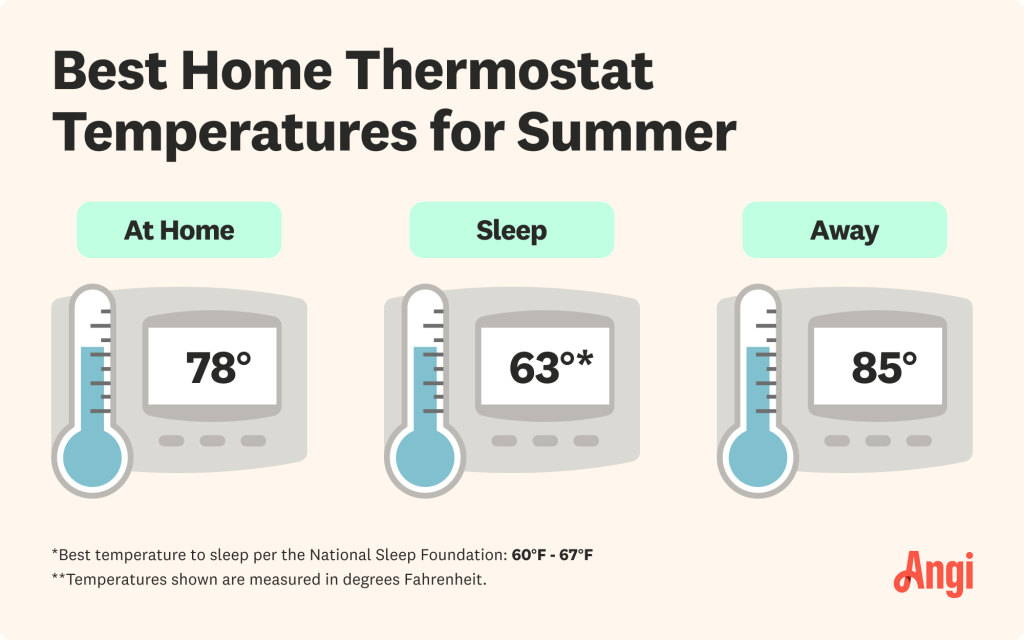
- Set thermostat at 78°Fwhen at home and active.
- Raise to 85°Fwhen away or asleep.
- Use a programmable thermostat for easier control.
| Thermostat Setting | Energy Use | Comfort Level |
|---|---|---|
| Below 75°F | High | Cool but costly |
| 75°F to 78°F | Moderate | Comfortable |
| Above 78°F | Low | Less cool, more savings |
Common Cooling Limitations
Insulationplays a big role in how well an air conditioner cools a room. Poor insulation lets warm air inside, making the AC work harder. Airflow problemsalso reduce cooling. Blocked vents or dirty filters stop cool air from spreading evenly.
Sometimes, an AC cannot lower the temperature enough. This happens when the unit is too small for the space. It may also occur if the outside temperature is very high. In these cases, the air conditioner struggles to keep up.
- Check insulation to keep cool air inside.
- Keep vents and filters clean for good airflow.
- Choose an AC size that fits the room.
- Understand that extreme heat limits AC cooling power.

Credit: www.reddit.com

Credit: www.reddit.com
Frequently Asked Questions
How Many Degrees Can An Air Conditioner Lower Temperature?
An air conditioner typically lowers indoor temperature by 15 to 20 degrees Fahrenheit. This depends on unit capacity and room size. Proper insulation improves efficiency. Extreme outdoor heat may reduce cooling effect slightly. Regular maintenance ensures optimal performance.
What Factors Affect An Ac’s Cooling Capacity?
AC cooling capacity depends on unit size, room insulation, and outdoor temperature. Larger units cool faster but use more energy. Poor insulation reduces efficiency. Sunlight exposure and humidity also impact performance. Proper sizing and placement optimize cooling results.
Can An Air Conditioner Cool A Large Room Effectively?
Yes, if the AC unit is properly sized for the room. A small unit struggles to cool large spaces. Calculate the room’s square footage to select the right capacity. Efficient airflow and insulation also enhance cooling in large rooms.
How Does Insulation Impact Air Conditioner Efficiency?
Good insulation keeps cool air inside and hot air out. This reduces AC workload and energy use. Poor insulation causes temperature fluctuations and longer cooling times. Upgrading insulation improves comfort and lowers cooling costs significantly.
Conclusion
An air conditioner can lower room temperature by several degrees. The exact drop depends on the AC’s power and room size. Proper installation and maintenance help the AC work well. Setting the right temperature saves energy and keeps you comfortable.
Remember, an AC cools the air but does not remove humidity alone. Use fans or dehumidifiers for extra comfort. Choosing the right unit fits your needs best. Stay cool and enjoy a pleasant indoor environment all summer long.