
Are you wondering how much CFM you really need for your range hood? Choosing the right airflow can make a huge difference in keeping your kitchen fresh and free from smoke, odors, and grease.
Too little power, and your hood won’t do its job. Too much, and you might waste energy or create noise you don’t want. You’ll discover exactly how to find the perfect CFM for your cooking space—so you can breathe easier and cook with confidence.
Keep reading to get the clear, simple answers you need.
Cfm Basics
Understanding the basics of CFM (Cubic Feet per Minute) is crucial when selecting the right range hood for your kitchen. Whether you’re whipping up a simple meal or experimenting with gourmet recipes, a range hood with the appropriate CFM ensures a smoke-free, odor-free cooking environment. Let’s dive into the essentials of CFM and why it matters for your kitchen’s air quality.
What Is Cfm
CFM, or Cubic Feet per Minute, measures the volume of air a range hood can move. Think of it as the power behind your range hood’s suction ability. A higher CFM means more air can be drawn out of your kitchen, which is especially important if you cook frequently or use high-heat methods like frying or grilling.
Why Cfm Matters For Range Hoods
Choosing the right CFM for your range hood isn’t just about numbers; it’s about creating a comfortable cooking space. If you’ve ever had smoke alarms blaring during a stir-fry, you know how disruptive it can be. A range hood with the right CFM can prevent this by efficiently removing smoke and odors.
Consider your cooking habits. Do you often cook with strong spices or at high temperatures? A higher CFM will ensure those potent aromas don’t linger. Remember, your kitchen is a place of creativity and comfort, and the right CFM helps maintain that balance.
Factors Influencing Cfm Needs
Determining the right CFM for your range hood depends on several key factors. These factors help match the hood’s power to your cooking needs. Choosing correctly ensures better air quality and a cleaner kitchen environment.
Cooking Style And Frequency
Your cooking habits greatly affect the CFM requirement. High-heat cooking, frying, or grilling produces more smoke and odors. These methods need higher airflow to clear the air quickly. Cooking often means the hood runs more, so stronger ventilation is necessary.
Range Size And Type
The size of your stove matters a lot. Larger ranges release more smoke and steam. Gas ranges typically need more ventilation than electric ones. Match the hood’s CFM to the width of your stove for best results. A good rule is 100 CFM for every 12 inches of stove width.
Kitchen Layout And Ventilation
The kitchen’s shape and airflow impact CFM needs. Open kitchens may disperse smoke faster but need careful hood placement. Smaller or enclosed kitchens trap heat and odors, requiring stronger ventilation. Existing vents and windows also influence how much power the hood needs.
Calculating Required Cfm
Calculating the right CFM (cubic feet per minute) for your range hood is essential to keep your kitchen fresh and free of smoke, grease, and odors. You want a hood powerful enough to clear the air quickly but not so strong that it wastes energy or creates unwanted drafts. Understanding how to calculate the required CFM helps you choose a hood that fits your cooking style and kitchen setup perfectly.
Simple Cfm Calculation Methods
A straightforward way to estimate CFM is to multiply the width of your cooktop by 100. For example, a 30-inch stove would need a range hood with about 300 CFM. This rule works well for electric ranges where combustion gases are not a concern.
Another approach is to consider the type of cooking you do. If you frequently fry or use high heat, adding 50% more CFM ensures better ventilation. You can also check the manufacturer’s recommendations as a quick reference.
Adjustments For Gas Vs Electric Ranges
Gas ranges release combustion byproducts that need faster removal than electric stoves. For gas, multiply the width of the cooktop by 100 and then add at least 100 CFM to handle the extra fumes safely.
Electric ranges don’t produce combustion gases, so you can stick closer to the basic calculation. However, intense cooking methods on either type might require a boost in CFM to keep air quality high.
Considering Duct Length And Size
Longer ducts reduce the airflow efficiency of your range hood. If your duct run exceeds 15 feet, consider adding 10% to 20% more CFM to compensate for the loss.
Duct size also plays a big role. A 6-inch duct allows more airflow than a 4-inch one. Using a smaller duct than recommended can force your hood to work harder, leading to noise and less effective ventilation.
Have you checked your duct layout recently? Sometimes repositioning ducts or upgrading their size can improve performance without needing a more powerful hood.
Range Hood Types And Cfm Ratings
Range hoods come in various styles, each with different CFM (cubic feet per minute) ratings. The CFM rating measures how much air the hood can move. Choosing the right type and CFM rating ensures your kitchen stays fresh and smoke-free. Below is an overview of common range hood types and their typical CFM ranges.
Under-cabinet Hoods
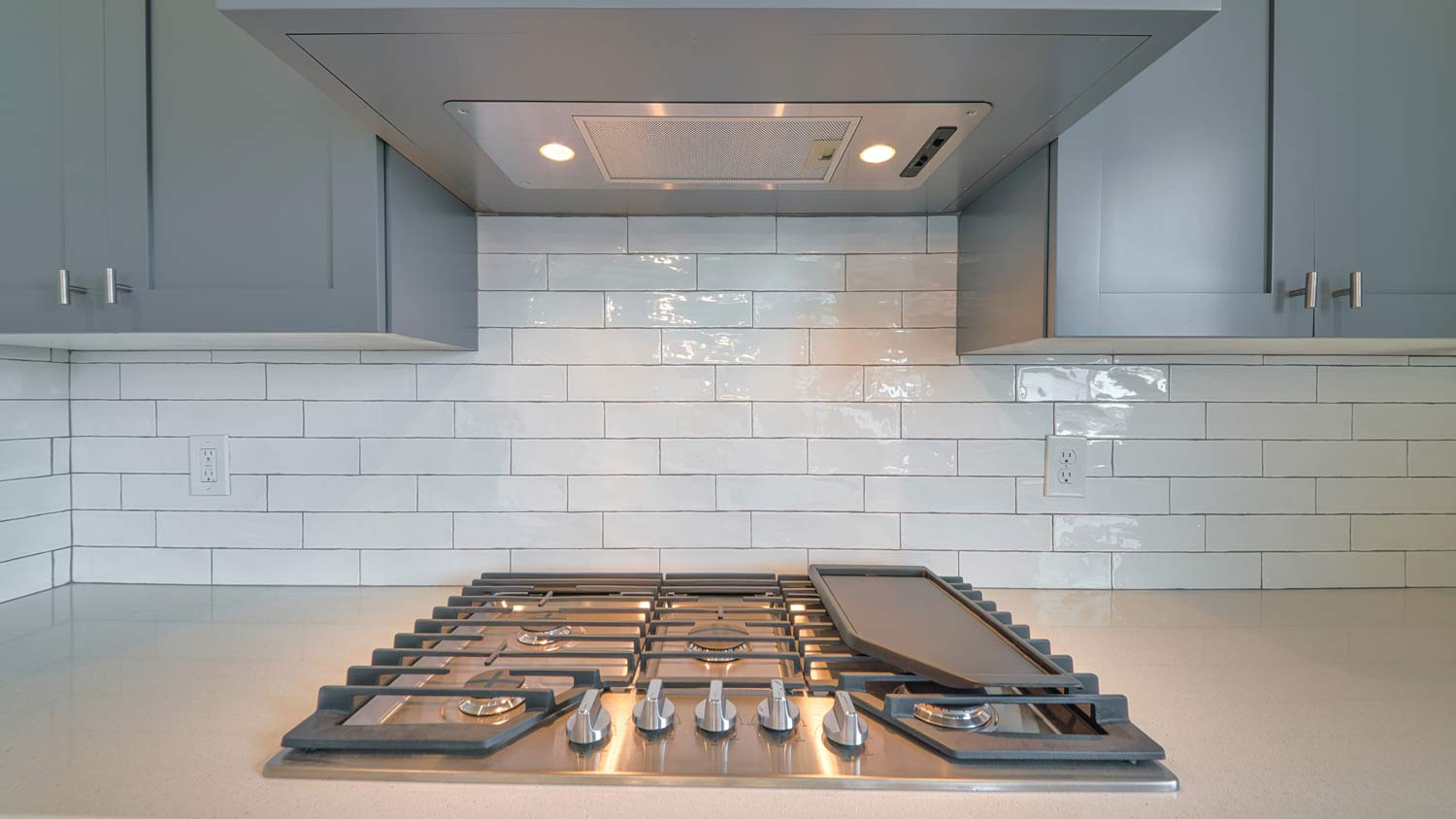
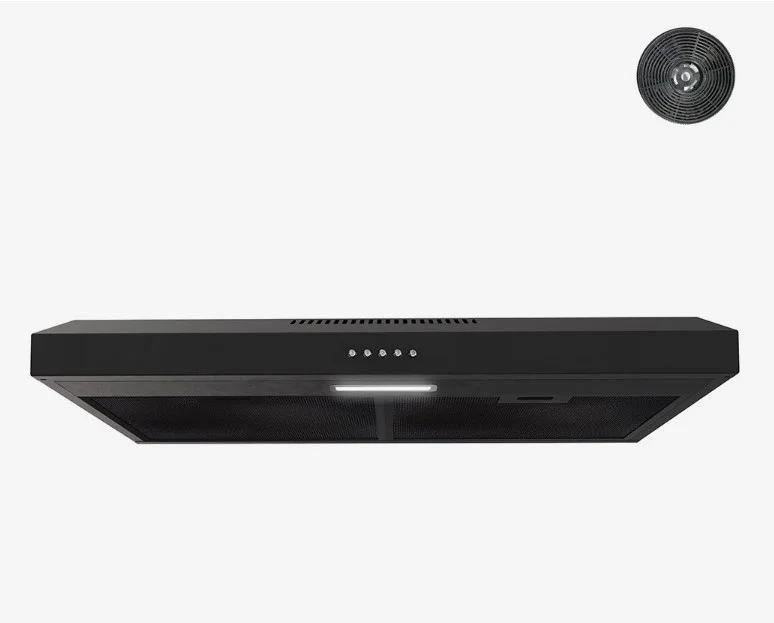
Under-cabinet hoods fit beneath kitchen cabinets. They are common in small to medium kitchens. Their CFM usually ranges from 200 to 600. These hoods work best for low to medium heat cooking. They are compact and easy to install.
Wall-mounted Hoods
Wall-mounted hoods attach directly to the wall above the stove. They offer stronger ventilation with CFM ratings between 400 and 1,000. These hoods suit medium to large kitchens. They handle heavy cooking fumes well and come in various designs.
Island Hoods
Island hoods hang from the ceiling over a cooking island. They often have high CFM ratings, from 600 to 1,200 or more. These hoods cover open spaces and strong cooking smells. They require professional installation and proper ductwork.
Downdraft Hoods
Downdraft hoods pull air down through vents behind or beside the stove. Their CFM ratings range from 200 to 500. They are less powerful but blend into the countertop. Ideal for kitchens with limited space or no overhead cabinets.
Energy Efficiency And Noise Levels
Energy efficiency and noise levels are key factors in choosing the right range hood CFM. High power means better air cleaning but often more noise and energy use. Quiet operation makes cooking more enjoyable and less stressful. Efficient models save electricity and reduce bills.
Balancing Power And Quiet Operation
Range hoods need enough power to clear smoke and smells fast. Too low CFM causes lingering odors. Too high CFM can be noisy and waste energy. Finding the right balance matters. Look for models with multiple fan speeds. Use higher speed only when needed. Lower speeds keep noise down during light cooking.
Sound levels are measured in sones. A quiet hood runs at 1-3 sones. Loud ones can reach 6 sones or more. Check product specs for noise ratings. Choose a hood with good airflow but low sone numbers. This keeps your kitchen calm and fresh.
Energy Star Ratings For Range Hoods
Energy Star certified range hoods use less power. They meet strict energy efficiency rules. These models save money over time. They also reduce environmental impact. Energy Star hoods still provide strong ventilation. Look for this label when buying. It guarantees a balance of power and energy savings.
Using an Energy Star hood means:
- Lower electricity bills
- Less noise during operation
- Better air quality with efficient airflow
- Longer appliance lifespan
Credit: www.angi.com
Installation Tips For Optimal Performance
Installing a range hood correctly ensures it works at its best capacity. Proper setup helps the hood remove smoke, odors, and grease efficiently. Pay attention to key installation details for optimal airflow and suction power.
Proper Hood Height And Placement
Place the hood at the right height above the cooktop. Typically, this is between 24 to 30 inches. Too high reduces suction power. Too low can cause heat damage or block cooking space.
Center the hood over the cooking area. This placement captures smoke and steam directly. Avoid installing near windows or vents that disrupt airflow.
Ductwork Best Practices
Use smooth, straight ducts with minimal bends. Sharp turns reduce airflow and lower CFM performance. Choose ducts with the right diameter to match the hood’s power.
Seal all duct joints tightly to prevent air leaks. Insulate ducts running through unheated spaces to avoid condensation. Vent the duct outside, never into an attic or crawl space.
Maintenance To Preserve Cfm Efficiency
Clean or replace filters regularly to maintain airflow. Grease buildup blocks air and reduces hood efficiency. Inspect ducts periodically for blockages or damage.
Check the fan and motor for dust and debris. Routine maintenance keeps your range hood running smoothly and at full power.
Common Mistakes To Avoid
Choosing the right CFM (cubic feet per minute) for your range hood is crucial, but many people make avoidable errors that hurt performance and satisfaction. Understanding these common mistakes helps you pick a system that works effectively without wasting money or energy. Let’s look at what you should watch out for to get the best results from your kitchen ventilation.
Overestimating Or Underestimating Cfm
Buying a range hood with too high a CFM might seem like a safe bet, but it can create excessive noise and increase energy costs. On the other hand, choosing a model with too low a CFM won’t clear smoke and odors properly, leaving your kitchen uncomfortable. Think about your cooking habits and stove size carefully—does your cooking style generate a lot of smoke, or do you mostly simmer? Matching CFM to your actual needs avoids wasted money and frustration.
Ignoring Ventilation Codes
Every area has specific ventilation codes designed to keep your home safe and efficient. Skipping this step can lead to improper installations that reduce hood performance or even cause hazards like backdrafts. Check local regulations before buying or installing your range hood. You might be surprised how small adjustments can save you from costly fixes or fines later.
Neglecting Regular Cleaning
Even the best range hood fails if you don’t clean it regularly. Grease buildup blocks airflow, reducing CFM and making your kitchen smell worse. Set a schedule to clean or replace filters and wipe down surfaces. Think of it as maintenance that protects your investment and keeps your air fresh every time you cook.
Credit: streamlinebath.com

Credit: www.angi.com
Frequently Asked Questions
What Does Cfm Mean For Range Hoods?
CFM stands for cubic feet per minute. It measures the airflow power of a range hood. Higher CFM means stronger ventilation to remove smoke and odors effectively.
How To Calculate Cfm Needed For A Range Hood?
Multiply your cooktop’s width by 100. For example, a 30-inch stove needs 300 CFM. Adjust higher for heavy cooking or gas stoves.
Is Higher Cfm Always Better For Range Hoods?
Not always. Too high CFM can cause noise and draft problems. Choose a CFM suited to your kitchen size and cooking style.
Can Kitchen Size Affect Range Hood Cfm Requirements?
Yes. Larger kitchens may need higher CFM to clear air efficiently. Smaller kitchens require less powerful hoods to avoid excessive airflow.
Conclusion
Choosing the right CFM for your range hood keeps your kitchen fresh. It stops smoke, smells, and steam from building up. The size of your kitchen and cooking style matter most. Higher CFM works well for big kitchens or heavy cooking.
Lower CFM fits small kitchens or light cooking. A good range hood helps you cook more comfortably. It also protects your walls and ceilings from damage. Take time to pick the right airflow power. Your kitchen will stay clean and healthy with the right choice.