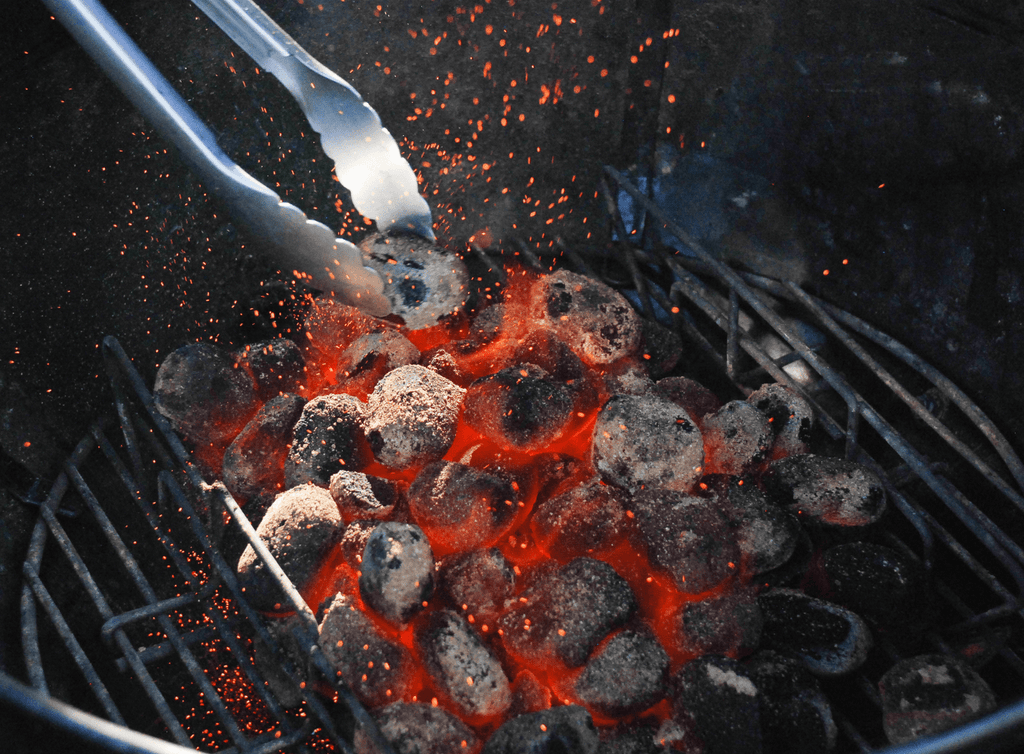
If you’ve ever fired up a charcoal grill, you know that getting the right amount of charcoal is key to cooking your food perfectly. Too little charcoal, and your grill won’t stay hot enough.
Too much, and you risk burning your meal or wasting fuel. So, how much charcoal should you actually use to get those juicy burgers and tender steaks every time? You’ll discover simple tips and easy-to-follow guidelines to help you master the perfect charcoal amount for any grilling session.
Keep reading, and you’ll never guesswork your grill again!
Choosing Charcoal Types
Choosing the right charcoal is important for grilling. It affects the heat and the taste of your food.
There are two main types of charcoal: lump charcoal and briquettes. Each type works differently on the grill.
Lump Vs Briquettes
Lump charcoal is made by burning wood until it turns into chunks of carbon. Briquettes are made by compressing charcoal dust with other ingredients.
Lump charcoal lights quickly and burns hotter but faster. Briquettes burn longer and give a steady heat.
- Lump charcoal has no additives
- Briquettes may contain binders and fillers
- Lump charcoal pieces vary in size
- Briquettes are uniform in size and shape
Impact On Heat And Flavor
Lump charcoal burns hotter and gives a smoky, natural flavor. It is good for searing meat quickly.
Briquettes burn evenly and last longer. They produce a mild smoke flavor that suits slow cooking.
- Use lump charcoal for high heat cooking
- Use briquettes for steady, longer cooking
- Lump charcoal adds a strong smoky taste
- Briquettes give a softer smoke flavor
Estimating Charcoal Quantity
Using the right amount of charcoal helps cook food evenly. Too much charcoal wastes fuel and too little makes cooking slow.
Knowing how much charcoal to use depends on your grill size and cooking needs. This guide helps you estimate charcoal for different grills.
Factors Affecting Charcoal Amount
The amount of charcoal depends on several factors. These include grill size, cooking time, and food type.
Wind and outside temperature also affect how much charcoal you need. Cold or windy days require more charcoal.
- Grill size: Bigger grills need more charcoal
- Cooking time: Longer cooking uses more charcoal
- Food type: Thick cuts need more heat
- Weather: Windy or cold weather burns charcoal faster
Charcoal For Small Grills
Small grills usually hold 10 to 14 inches of cooking space. They need less charcoal to heat properly.
Use about 30 to 40 briquettes for a small grill. This amount works for quick grilling and small meals.
- Use fewer briquettes for short cooking
- Add more if cooking thick or large food
- Arrange charcoal in one layer for even heat
Charcoal For Medium Grills
Medium grills have a cooking area from 15 to 20 inches. They need more charcoal for longer cooking.
Use around 50 to 60 briquettes for medium grills. This amount works well for family meals and grilling multiple items.
- Start with 50 briquettes for normal cooking
- Add 10 more for longer cooking times
- Spread charcoal evenly or use two-zone setup
Charcoal For Large Grills
Large grills have over 20 inches of cooking space. They need a lot of charcoal to keep heat steady.
Use 70 to 100 briquettes for large grills. This amount supports cooking big meals or slow smoking.
- Use 70 briquettes for regular grilling
- Increase to 100 for slow cooking or smoking
- Arrange charcoal in zones for better heat control
Charcoal Arrangement Techniques
Grilling requires the right amount of charcoal. Arranging charcoal properly helps cook food evenly.
Different setups offer various cooking methods. Choose the right technique for your meal.
Direct Heat Setup
Direct heat means placing charcoal under the food. This setup is perfect for quick-cooking items like burgers or steaks.
Spread a single layer of charcoal evenly. Make sure the coals are hot before placing food on the grill.
Indirect Heat Setup
Indirect heat is ideal for slow-cooking. Keep the charcoal on one side of the grill.
Place the food on the opposite side. This method prevents burning and cooks the food evenly.
Two-zone Fire Method
This method combines direct and indirect heat. Arrange charcoal on one side for direct heat.
Leave the other side without charcoal for indirect heat. This setup allows flexibility in cooking.
- Cook thick cuts on the indirect side first
- Finish on the direct heat for a nice sear
- Control temperature by moving food between zones
Lighting Charcoal Efficiently
Lighting charcoal the right way helps you cook food evenly. It saves time and fuel.
Using good techniques makes your grill heat up faster. It also reduces smoke and flare-ups.
Using Chimney Starters
A chimney starter lights charcoal without chemicals. It uses newspaper or natural fire starters below the charcoal.
Place charcoal in the top section. Light the paper under the chimney. The coals will light evenly in 15–20 minutes.
- Fill the chimney with charcoal pieces
- Use crumpled newspaper or fire starters underneath
- Light the paper at the bottom
- Wait until coals turn gray with ash
- Pour coals into your grill carefully
Avoiding Lighter Fluid
Lighter fluid can change the taste of your food. It also can cause dangerous flare-ups.
Try using natural fire starters or a chimney starter. They light charcoal safely and keep flavor pure.
- Do not pour lighter fluid on hot coals
- Use natural fire starters made of wood or wax
- Keep lighter fluid away from children and pets
- Wait for charcoal to ash over before cooking
Safe Lighting Tips
Always light charcoal in a safe area. Keep your grill away from buildings and dry leaves.
Wear heat-resistant gloves and use long matches or a long lighter. Never leave the grill unattended.
- Light charcoal outdoors in a clear space
- Use tools that protect your hands
- Keep a fire extinguisher or water nearby
- Let coals cool completely before disposal
Maintaining Consistent Heat
Using the right amount of charcoal helps keep your grill hot and steady. Consistent heat cooks food evenly and avoids burning.
Knowing how much charcoal to use depends on the grill size and cooking time. Adjusting charcoal during cooking keeps the temperature stable.
Adding Charcoal During Cooking
Add charcoal in small amounts while cooking to keep the heat steady. Too much charcoal at once can cause temperature spikes.
Use fresh charcoal and place it near the hot coals. This helps them light faster and keeps the grill warm.
- Add charcoal every 30-45 minutes for long cooks
- Use gloves and tools for safety
- Avoid adding cold charcoal directly on food
Controlling Airflow
Airflow controls how fast charcoal burns. More air means hotter fire, less air means cooler fire.
Adjust vents on the grill to control airflow. Open vents for higher heat and close them to lower heat.
- Top vents control smoke and heat escape
- Bottom vents supply oxygen to charcoal
- Keep vents partially open for steady heat
Managing Temperature Fluctuations
Temperature changes are normal but can affect cooking. Watch the grill thermometer to spot changes early.
Move food away from hot spots or adjust charcoal to balance heat. Use a water pan to add moisture and cool the grill if needed.
- Shift charcoal to one side for indirect heat
- Add water to a pan to reduce flare-ups
- Close the lid to keep temperature steady

Credit: www.reddit.com
Cleaning And Storing Charcoal
Using the right amount of charcoal is important for grilling. After grilling, cleaning and storing your charcoal properly keeps it ready for next time. It also helps your grill last longer.
Good care of charcoal saves money and keeps your grilling safe. Learn how to remove ash, store charcoal safely, and extend its life.
Proper Ash Removal
Remove ash after every grill session. Ash can block air and reduce heat for your next use. Let the ashes cool completely before cleaning.
Use a metal scoop or brush to clear the ash. Avoid mixing ash with leftover charcoal. Dispose of ash safely in a metal container.
- Wait until ashes are cold
- Use metal tools to scoop out ash
- Keep ash separate from charcoal
- Store ashes in a metal container
Storing Charcoal Safely
Store charcoal in a dry place to keep it from absorbing moisture. Wet charcoal is hard to light and burns poorly. Use airtight containers or bags for storage.
Keep charcoal away from heat sources and flames. Store it out of reach of children and pets. Proper storage keeps charcoal fresh and ready.
- Use airtight containers or bags
- Keep charcoal dry and away from moisture
- Store in a cool, shaded area
- Place out of reach of children and pets
Extending Charcoal Life
Save leftover charcoal for later use. Avoid mixing used charcoal with fresh pieces. Store used charcoal separately after it cools down.
Cover charcoal to protect it from air and moisture. Proper care helps charcoal last longer. Use good quality charcoal for better grilling results.
- Keep leftover charcoal dry and covered
- Separate used charcoal from fresh pieces
- Store charcoal in airtight containers
- Use quality charcoal for longer burn time
Troubleshooting Common Issues
Using the right amount of charcoal is key for a good grill fire. Sometimes problems happen with charcoal during cooking. These issues can make grilling harder and less fun.
Below are common charcoal problems and simple ways to fix them. This helps you get better heat and taste from your grill.
Charcoal Not Staying Lit
Charcoal that goes out quickly can spoil your cooking. This often happens if you use too little charcoal or if the charcoal is wet.
Make sure your charcoal is dry and use enough to keep the fire burning for your cooking time.
- Use dry charcoal stored in a dry place
- Light a larger pile to keep heat longer
- Arrange charcoal to allow good airflow
- Add more charcoal gradually if fire dies down
Uneven Heat Distribution
Uneven heat makes some food burn while other parts stay raw. This happens when charcoal is spread unevenly or too little charcoal is used.
Arrange charcoal in a way that gives both hot and cooler zones. This helps cook food evenly and control temperature.
- Build a two-zone fire with more charcoal on one side
- Keep charcoal closer together for even heat
- Add charcoal to weak spots during cooking
- Use a grill grate to move food between heat zones
Excessive Smoke Problems
Too much smoke can make food taste bitter and irritate your eyes. Excess smoke often comes from using too much charcoal or charcoal that is not fully lit.
Use the right amount of charcoal and let it burn until gray before cooking. This reduces smoke and improves flavor.
- Use moderate amounts of charcoal, not a huge pile
- Let charcoal burn until covered in gray ash
- Avoid lighter fluid or use it sparingly
- Keep grill vents open for good airflow

Credit: ddrbbqsupply.com

Credit: www.reddit.com
Frequently Asked Questions
How Much Charcoal Is Needed For A Small Grill?
For a small grill, use about 30 briquettes or 2 handfuls of lump charcoal. This amount provides steady heat for 2-4 burgers or small meals, ensuring even cooking without overloading the grill.
How To Measure Charcoal For A Large Grill?
Use 50-75 briquettes or 4-5 handfuls of lump charcoal for large grills. This quantity offers enough heat for grilling larger cuts or multiple items simultaneously.
Can I Use Too Much Charcoal In My Grill?
Yes, using too much charcoal causes excessive heat and uneven cooking. It wastes fuel and can burn food, so use the right amount for your grill size and recipe.
How Long Does Charcoal Last When Grilling?
Charcoal typically burns for 45 minutes to 1 hour. The exact time depends on the amount used and air flow. Add more charcoal if longer cooking is needed.
Conclusion
Using the right amount of charcoal makes grilling easy and fun. Too little charcoal means less heat and longer cooking time. Too much charcoal can cause food to burn quickly. Find a balance based on your grill size and cooking needs.
Keep extra charcoal nearby for longer grilling sessions. Practice helps you learn what works best. Enjoy your grilled food with perfect heat every time. Simple steps lead to great results. Grill smart, eat well, and have fun outdoors.