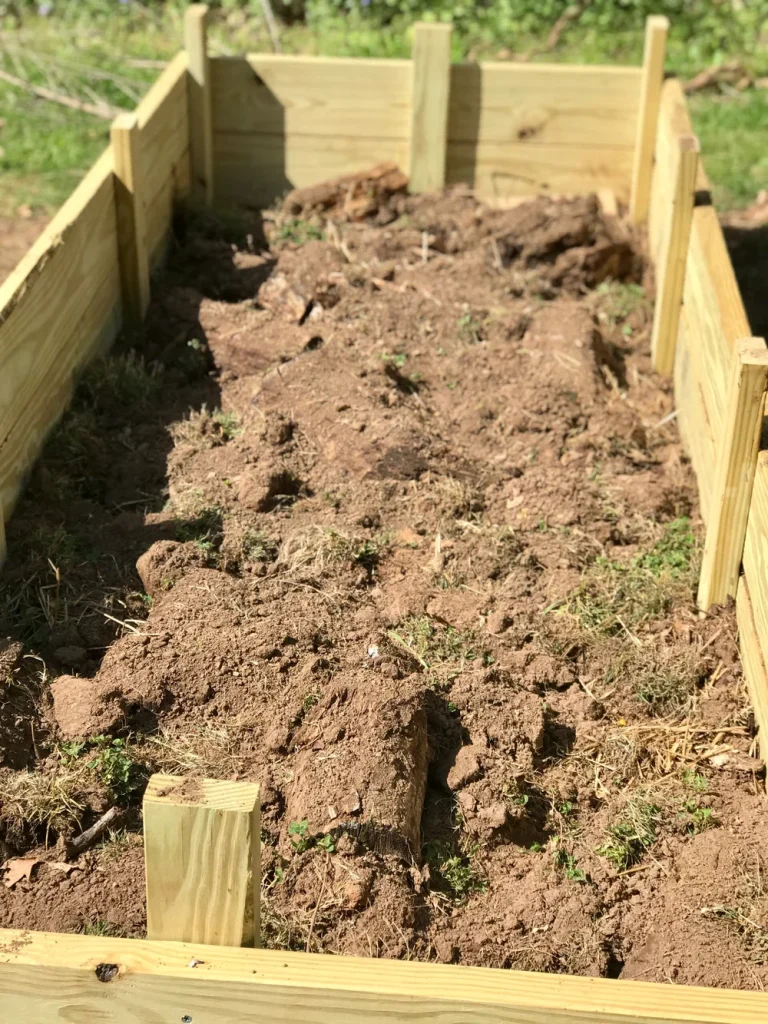
Are you ready to build your own raised garden bed but unsure how much dirt you’ll actually need? Getting this right is key to growing healthy plants and saving money.
Too little soil, and your plants won’t thrive. Too much, and you might waste space and resources. You’ll discover exactly how to calculate the perfect amount of dirt for your raised garden bed—no guesswork involved. Keep reading to make your gardening project easier and more successful than ever!
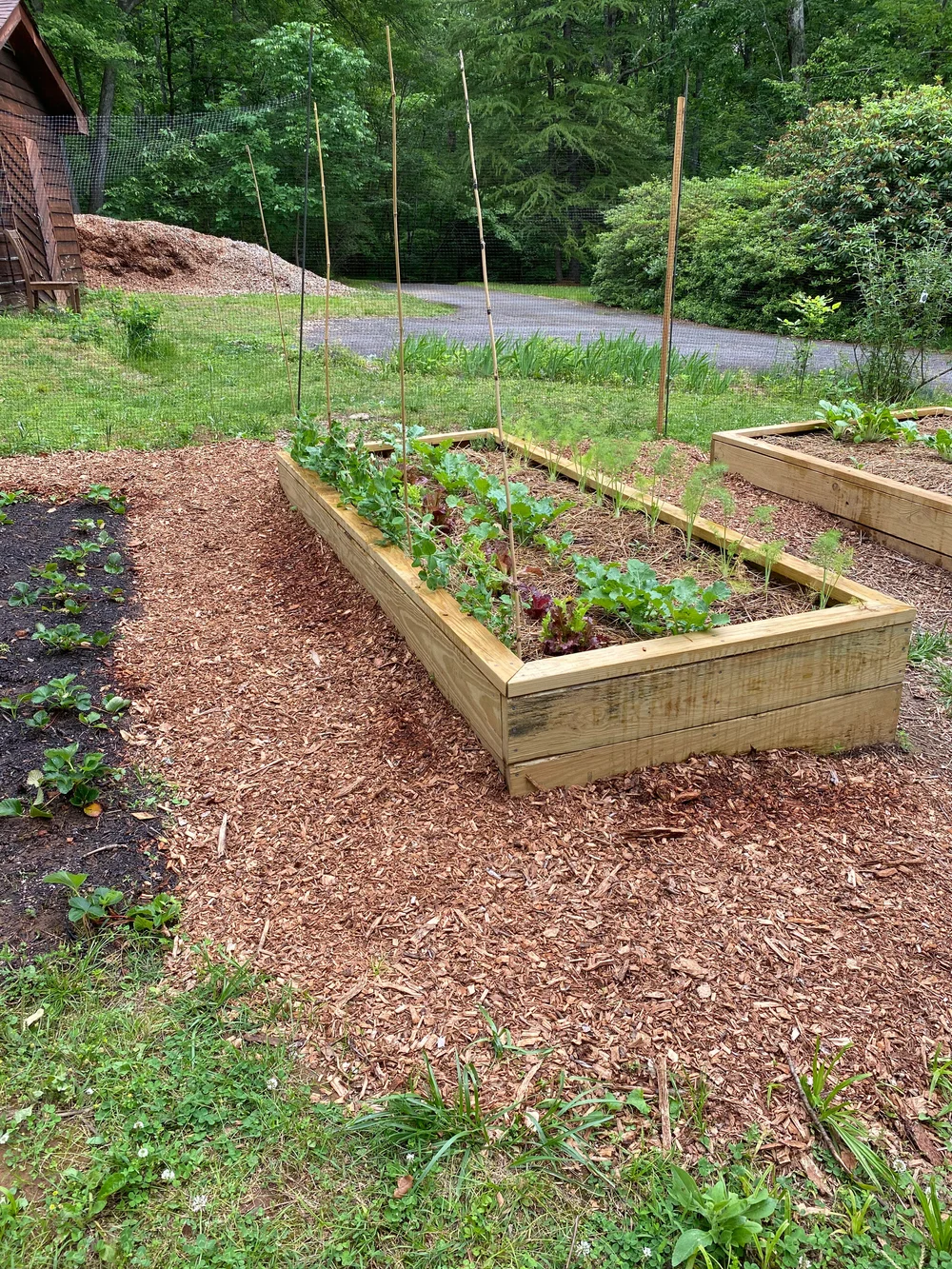
Credit: www.thunderbirddisco.com
Choosing The Right Size
Picking the right size for your raised garden bed helps plants grow well. The size affects how much dirt you need and how easy it is to care for your plants.
This guide covers standard bed sizes, how to fit beds in your space, and how deep your bed should be.
Standard Raised Bed Dimensions
Most raised beds have common sizes that work well for many gardens. The width is important because it lets you reach the middle without stepping inside.
| Width | Length | Depth | Comments |
| 4 feet | 4 feet | 12 inches | Easy to reach center |
| 4 feet | 8 feet | 12 inches | More planting space |
| 3 feet | 6 feet | 12 inches | Good for small yards |
Customizing Bed Size For Space
Measure your garden space before building your raised bed. Choose a size that fits well and leaves room to walk around.
- Small spaces: Use narrower beds like 2 feet wide.
- Large yards: Longer beds up to 10 feet can work.
- Keep paths at least 18 inches wide for easy access.
- Think about future expansion when choosing size.
Depth Considerations
Depth matters for root growth. Most vegetables need at least 12 inches of soil. Root crops like carrots need more depth.
- 12 inches for leafy greens and herbs.
- 18 inches for root vegetables like carrots and potatoes.
- More than 18 inches for deep-rooted plants like tomatoes.

Credit: littlehouseonlaurel.com
Calculating Soil Volume
Knowing how much dirt you need for a raised garden bed helps you buy the right amount. This saves money and avoids waste.
To find out how much soil to buy, you need to calculate the soil volume. Volume is the space inside the bed filled with dirt.
Measuring Length And Width
Start by measuring the length and width of your garden bed. Use a tape measure for accuracy.
Write down the measurements in feet or inches. Make sure to measure the inside dimensions, where the dirt will go.
Determining Bed Depth
Next, find out how deep your garden bed will be. The depth is how thick the soil layer should be.
Common depths are 6 to 12 inches. Deeper beds hold more soil and allow roots to grow well.
Converting Measurements To Volume
To find soil volume, multiply length, width, and depth. Use the same units for all measurements.
- Volume (cubic feet) = Length × Width × Depth (feet)
- If depth is in inches, divide by 12 to convert to feet first
- For example, 4 ft × 8 ft × 1 ft = 32 cubic feet of soil
Types Of Soil Mixes
Choosing the right soil mix is important for a healthy raised garden bed. Different mixes provide different benefits for your plants.
Understanding the components of soil mixes helps you create the best environment for your garden.
Topsoil Vs Garden Soil
Topsoil is the uppermost layer of soil. It is rich in nutrients and organic matter. Garden soil is a mix of topsoil and other materials.
Garden soil often includes compost and fertilizers. This makes it better for planting in containers or raised beds.
Compost And Organic Matter
Compost is decomposed organic material. It improves soil structure and provides nutrients to plants.
Adding organic matter like compost to your soil mix helps retain moisture and supports healthy plant growth.
- Improves soil fertility
- Aids water retention
- Supports beneficial microbes
Soil Amendments
Soil amendments improve the physical properties of soil. They can be natural or synthetic.
Common amendments include peat moss, perlite, and vermiculite. These improve drainage and aeration in soil mixes.
| Peat Moss | Increases soil acidity |
| Perlite | Enhances drainage |
| Vermiculite | Boosts aeration |

Credit: migardener.com
Estimating Soil Weight And Delivery
Knowing how much soil you need for a raised garden bed helps with planning and delivery. Soil weight affects transportation and cost.
This guide explains factors that affect soil density, compares bulk and bagged soil, and offers tips on ordering soil in bulk.
Soil Density Factors
Soil density is how much soil weighs per volume. It changes based on moisture, type, and compaction.
Wet soil is heavier than dry soil. Clay soils weigh more than sandy soils. Compacted soil is denser than loose soil.
- Moisture content increases weight
- Soil type affects density
- Compaction changes soil volume
Bulk Vs Bagged Soil
Bulk soil is sold by volume and delivered by truck. Bagged soil is pre-packaged and easier to carry.
Bulk soil usually costs less per volume. Bagged soil is good for small projects or spot filling.
- Bulk soil suits large garden beds
- Bagged soil fits small or raised beds
- Bulk needs truck access for delivery
- Bagged soil easy to transport by hand
Ordering Soil In Bulk
Calculate the volume of your garden bed to order soil in bulk. Multiply length, width, and depth in feet.
Convert cubic feet to cubic yards by dividing by 27. This helps when ordering from suppliers.
| Step | Example |
|---|---|
| Length x Width x Depth (feet) | 8 ft x 4 ft x 1 ft = 32 cubic feet |
| Cubic feet ÷ 27 = cubic yards | 32 ÷ 27 ≈ 1.19 cubic yards |
Order a little extra soil to allow for settling. Check delivery options and costs before ordering.
Filling And Layering Tips
Filling a raised garden bed with the right soil mix helps your plants grow well. Layering soil properly improves drainage and soil health.
Good soil layers keep roots healthy and avoid problems like waterlogging or soil settling. This guide explains how to fill your garden bed the right way.
Base Layers And Drainage
Start with a base layer that helps water drain out of the bed. This stops the roots from sitting in water, which can cause rot.
Use coarse materials like small rocks or gravel for the base. This layer should be about 2 to 3 inches deep.
- Place landscape fabric over the base to prevent soil loss
- Ensure the base layer is level for even drainage
- Keep the base layer thick enough to avoid clogging
Mixing Soil Components
A good soil mix has three parts: topsoil, compost, and organic matter. This mix gives plants nutrients and helps retain moisture.
Mix these components evenly before adding them to the bed. A common ratio is 50% topsoil, 30% compost, and 20% organic matter like peat or coconut coir.
- Topsoil provides structure and minerals
- Compost adds nutrients and beneficial microbes
- Organic matter improves water retention and aeration
Avoiding Soil Settling
Soil settles naturally over time. Prevent large gaps by filling the bed in layers and lightly packing each layer.
Add soil gradually and water it well. This helps the soil settle evenly and prevents air pockets.
- Fill the bed in 6 to 8 inch layers
- Lightly press or tamp each layer
- Water after each layer to help compaction
- Top off with fresh soil as needed after a few weeks
Maintaining Soil Health
Healthy soil helps plants grow strong and produce more. It keeps water and nutrients balanced in your raised garden bed.
Keeping soil healthy needs regular care and attention. Testing, feeding, and seasonal work keep the soil ready for planting.
Regular Soil Testing
Test your soil every year to check nutrient levels and pH. This shows what the soil needs for the best plant growth.
Use a soil test kit or send samples to a lab. Testing helps avoid adding too much or too little fertilizer.
Replenishing Nutrients
Plants use nutrients from the soil. Add nutrients back to keep the soil rich and fertile.
- Add compost to improve soil texture and nutrients.
- Use natural fertilizers like bone meal or fish emulsion.
- Rotate crops to avoid nutrient depletion.
- Mix in mulch to keep moisture and add organic matter.
Seasonal Soil Care
Soil needs different care each season. Prepare it before planting and rest it after harvest.
| Season | Soil Care Tasks |
| Spring | Loosen soil, add compost, test pH |
| Summer | Mulch to keep moisture, remove weeds |
| Fall | Add cover crops, clear debris |
| Winter | Protect soil with mulch or tarps |
Frequently Asked Questions
How Much Soil Do I Need For A 4×8 Raised Bed?
For a 4×8 raised bed with 12-inch depth, you need about 1. 5 cubic yards of soil. This amount fills the bed, ensuring optimal root growth and drainage for most garden plants.
What Soil Depth Is Ideal For Raised Garden Beds?
A soil depth of 12 to 18 inches is ideal for raised beds. It provides enough space for roots to grow and supports healthy plant development.
Can I Use Regular Dirt For Raised Garden Beds?
Regular dirt alone is not recommended; it may lack nutrients and proper drainage. Use a mix of garden soil, compost, and organic matter for better results.
How Do I Calculate Soil Volume For My Raised Bed?
Multiply the bed’s length, width, and desired soil depth in feet. This gives the cubic feet, which you can convert to cubic yards by dividing by 27.
Conclusion
Choosing the right amount of dirt fills your raised garden bed well. Too little soil means plants may not grow strong. Too much soil can waste space and money. Measure your bed’s length, width, and height first. Then, calculate soil volume in cubic feet or yards.
Use good quality soil for healthy plant roots. Keep soil loose and rich in nutrients. Fill the bed evenly and water it gently. This simple step helps your garden thrive all season. Happy planting!