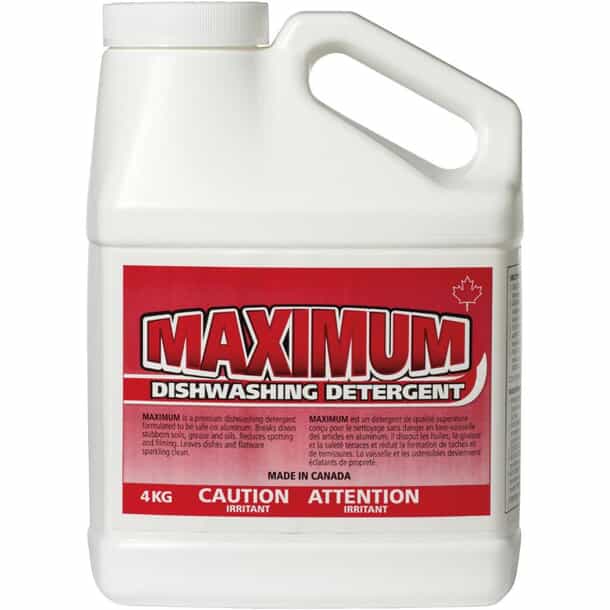
When it comes to keeping your dishes sparkling clean, the amount of dishwasher powder you use can make all the difference. Ever found yourself wondering if you’re using too much or too little?
You’re not alone. Many people struggle to find the right balance, and using the wrong amount can lead to a host of issues. Too much powder and you might find residue on your dishes; too little and they might not get clean at all.
Imagine the frustration of unloading your dishwasher only to find stains and grime still clinging to your plates and glasses. But don’t worry, understanding how much dishwasher powder per load is just a read away. We’ll uncover the perfect measure to ensure your dishes are spotless and your machine runs efficiently. Stick around to discover the simple trick that will save you time, energy, and money.
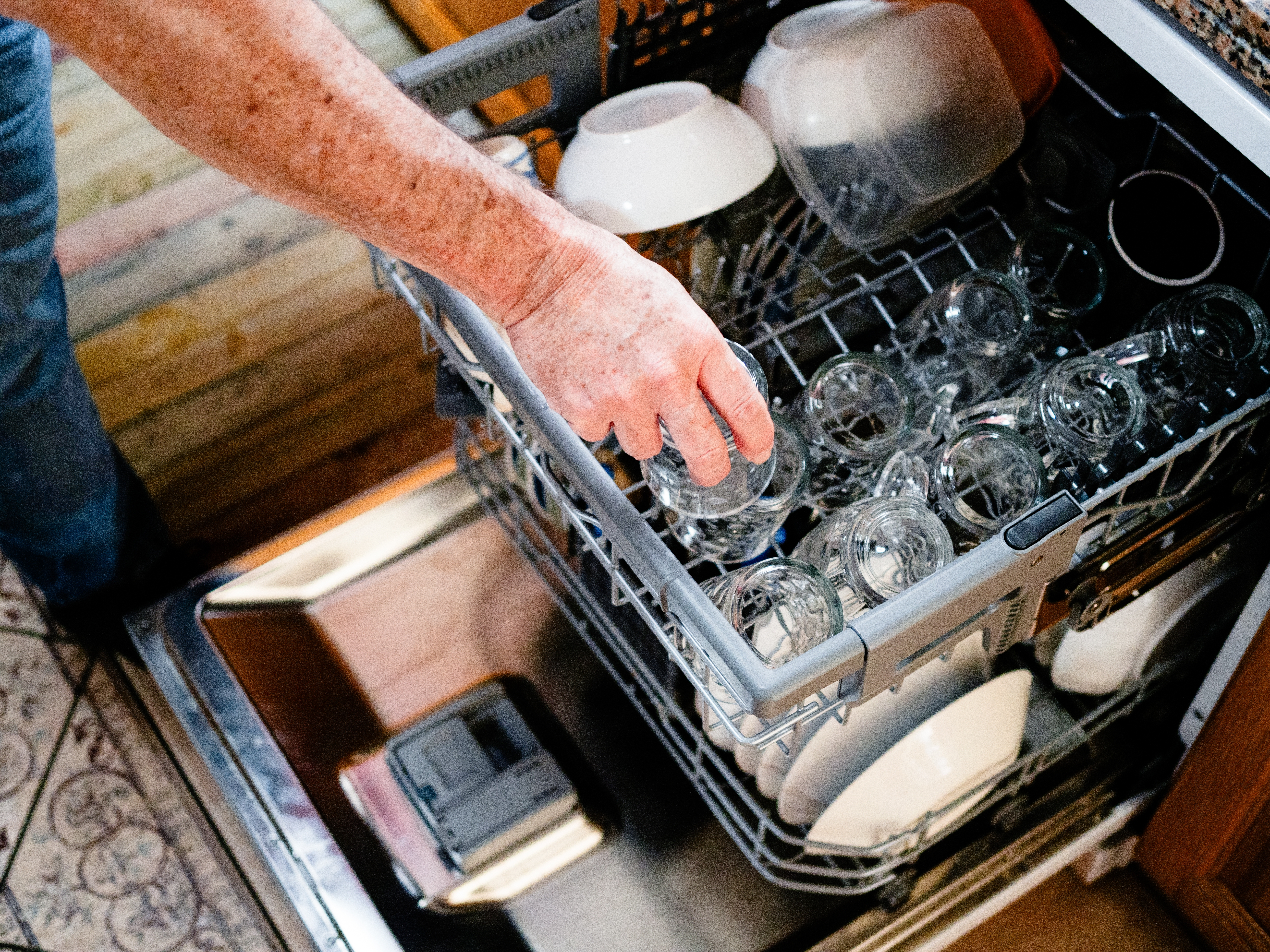
Credit: www.finishdishwashing.ca
Choosing The Right Dishwasher Powder
Choosing the right dishwasher powder is key to clean dishes. It affects how well your dishes get washed and how your dishwasher works. Using the right type and amount helps save money and protects your machine.
Different dishwasher powders have unique features. Knowing their differences helps you pick the best one for your needs. Ingredients also matter for safety and cleaning power.
Types Of Dishwasher Powder
Dishwasher powders come in various forms. Some are simple powders, others are tablets or gels. Each type has its own strengths.
- Standard powder:Easy to measure and adjust for load size.
- Eco-friendly powder:Uses natural ingredients, safer for the environment.
- Heavy-duty powder:Designed for tough stains and greasy pots.
Powder Vs. Tablets Vs. Gel
Powder, tablets, and gel each clean dishes differently.
| Type | Pros | Cons |
|---|---|---|
| Powder | Flexible dose, usually cheaper | Can clump in humid places |
| Tablets | Pre-measured, easy to use | Less control over amount used |
| Gel | Dissolves quickly, gentle on dishes | May not remove tough stains well |
Ingredients To Look For
Safe and effective ingredients matter for cleaning and health.
- Enzymes:Break down food particles easily.
- Surfactants:Help remove grease and dirt.
- Water softeners:Prevent spots and film on dishes.
- Non-toxic agents:Safer for people and pets.
Factors Affecting Powder Amount
Knowing the right amount of dishwasher powder depends on several key factors. These factors affect cleaning power and the condition of your dishes. Adjusting powder quantity can improve washing results and save detergent.
Load Size And Dirt Level
The size of your dishwasher load changes the powder amount needed. A full load requires more detergent than a half load. Dishes with heavy dirt or stuck food need extra powder for a thorough clean.
Lightly soiled dishes need less powder. Use less detergent to avoid residue on dishes.
Water Hardness
Water hardness plays a big role in cleaning efficiency. Hard water contains minerals that reduce detergent effectiveness. Use more powder if your water is hard to fight mineral buildup.
Soft water needs less detergent. Too much powder with soft water can leave spots and film on dishes.
Dishwasher Model And Settings
Different dishwasher models and settings affect powder use. Newer machines often need less detergent than older ones. Some models have special cycles that require specific powder amounts.
Check your dishwasher manual for recommended powder levels. Using the correct setting helps the detergent work best and saves powder.
Recommended Powder Quantities
Knowing the right amount of dishwasher powder to use per load is key to getting your dishes spotless without wasting detergent. Using too little can leave residue and stains, while too much might cause excessive suds and damage your machine. Let’s break down the recommended powder quantities based on different load types so you can make the most of every wash.
Standard Load Guidelines
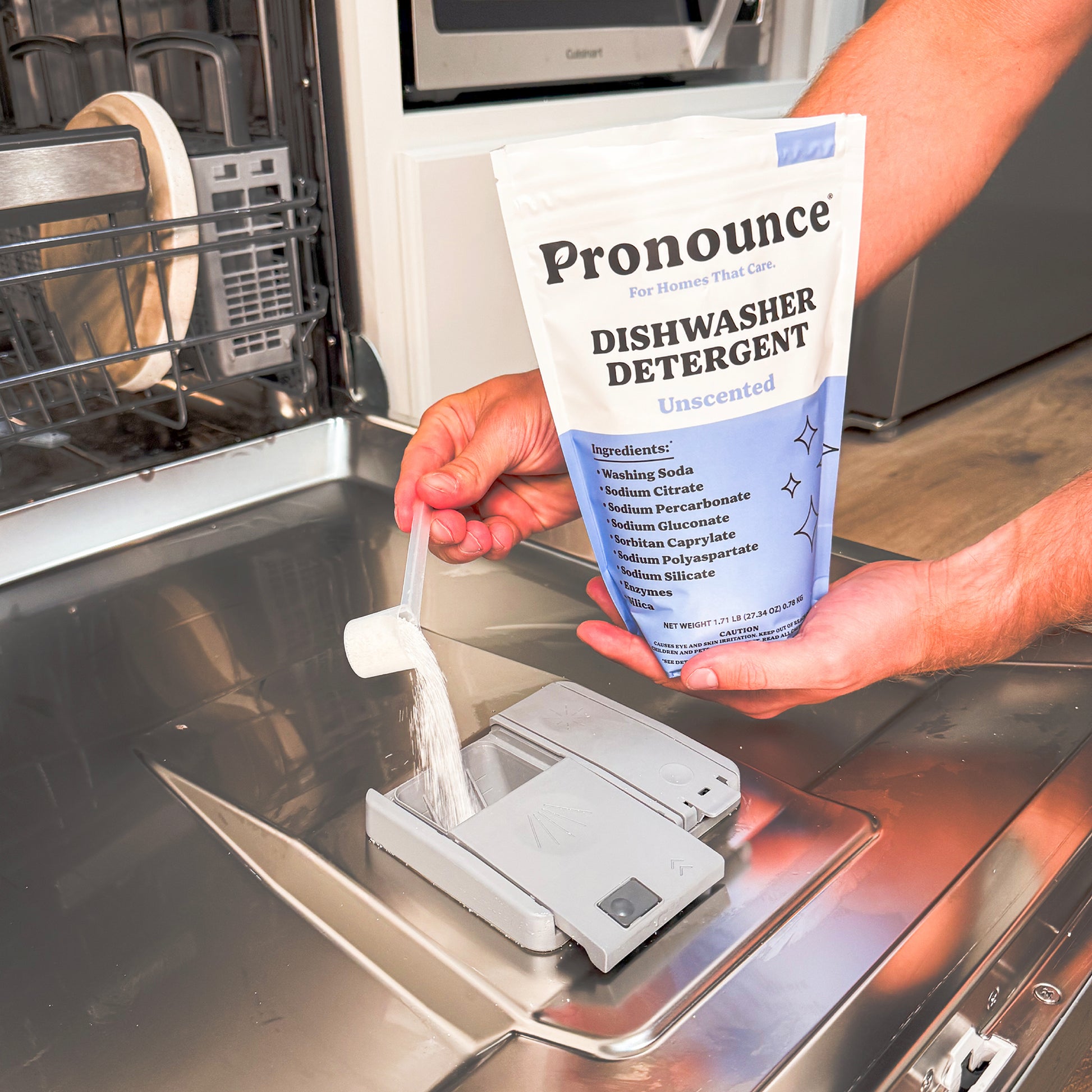
For a regular dishwasher load—usually a full rack with everyday dishes—start with about one tablespoonof dishwasher powder. This amount is enough to tackle typical food residues without leaving any powdery buildup.
Make sure to check your dishwasher’s manual, as some models recommend slightly different amounts. Too often, people think using more powder means cleaner dishes, but it can actually cause problems like spots and film on glassware.
Heavy-duty Cleaning Tips
If you’re dealing with pots, pans, or heavily soiled plates, increase the powder to about one and a half to two tablespoons. This extra boost helps break down tough grease and baked-on food.
Don’t forget to pre-rinse items with thick food scraps to help the detergent work better. Have you noticed your dishwasher struggling with stubborn stains? Adjusting the powder amount might solve the issue.
Small Or Light Loads
Running a half load or washing lightly soiled dishes calls for less detergent—around half a tablespoon. This prevents over-sudsing and saves you money.
Some dishwashers have a half-load setting that works well with reduced powder quantities. Paying attention to load size not only protects your machine but also contributes to environmental care.
Common Mistakes To Avoid
Using the right amount of dishwasher powder is key for clean dishes. Many people make simple mistakes that reduce cleaning power or waste detergent. Avoid these common errors to get the best results every time. Proper use saves money and protects your dishwasher.
Using Too Much Powder
Too much powder does not mean cleaner dishes. Excess detergent can leave residue on dishes and inside the machine. It may cause foam overflow, damaging your dishwasher. Using more powder than recommended wastes detergent and harms the environment. Always measure the powder carefully.
Using Too Little Powder
Too little powder means your dishes stay dirty. The detergent may not break down grease and food well. This leaves spots and stains on plates and glasses. Using less powder than needed saves detergent but reduces cleaning quality. Follow the dose to clean dishes fully.
Ignoring Manufacturer Instructions
Dishwasher powder brands and machines differ. Ignoring instructions risks poor cleaning and machine issues. Each detergent has a recommended amount for best use. The dishwasher manual explains how much powder to use per load. Read and follow these instructions for best results.
Maximizing Cleaning Efficiency
Maximizing the cleaning efficiency of your dishwasher doesn’t rely solely on how much dishwasher powder you use. It’s also about how you prepare your dishes, load your machine, and maintain your appliance. Small changes in these areas can make a big difference in the cleanliness of your dishes and the effectiveness of your detergent.
Pre-rinsing Tips
You might think rinsing dishes before loading wastes water, but a quick scrape or rinse can prevent food particles from blocking the spray arms. If your dishwasher powder gets clogged with stuck-on food, it won’t dissolve properly, reducing its cleaning power.
Focus on removing large bits of food rather than washing the dishes completely. This helps the detergent work better without wasting it. Have you noticed how heavily soiled pots sometimes need extra attention before loading?
Loading Techniques
How you load your dishwasher affects how well the water and detergent reach each dish. Avoid overcrowding, as it blocks water jets and prevents detergent from spreading evenly.
- Place plates and pots facing the spray arms.
- Keep bowls and cups angled downwards so water drains easily.
- Separate items to allow water flow between them.
Think about your last load—did you cram everything in? If so, your detergent might not have reached every surface. Adjusting your loading method can reduce the need to add extra powder just to get dishes clean.
Regular Dishwasher Maintenance
Even the best detergent can’t fix a dishwasher that’s dirty or clogged. Regularly clean your filter and spray arms to keep water flowing freely. A blocked filter traps food particles, which then recirculate onto your dishes.
Run a cleaning cycle with dishwasher cleaner once a month to remove grease and limescale. Have you checked your dishwasher’s drain recently? Clearing it can prevent odors and improve cleaning results without increasing detergent use.
Credit: pronouncelabs.com
Eco-friendly Cleaning Alternatives
Choosing eco-friendly cleaning alternatives for your dishwasher helps protect the planet. These options reduce harmful chemicals and lower plastic waste from packaging. They keep your dishes clean without damaging the environment or your health.
Using natural ingredients also saves money and avoids harsh smells. Many eco-friendly powders work well for most dishwashers. They break down grease and food residues gently yet effectively. This section explores simple, safe ways to switch to greener dishwasher powders.
Natural Powder Options
Natural dishwasher powders use ingredients like baking soda, washing soda, and salt. These substances clean dishes by softening water and removing grime. Plant-based surfactants replace synthetic detergents, making the powder safe for waterways.
- Baking soda brightens and deodorizes dishes
- Washing soda cuts through grease and stains
- Salt helps prevent limescale buildup
- Citric acid removes hard water spots
Choose powders labeled biodegradable and phosphate-free. These ensure minimal harm to aquatic life and soil.
Diy Dishwasher Powder Recipes
Making your own dishwasher powder is simple and affordable. Mix baking soda, washing soda, and a bit of citric acid. Add coarse salt to soften water and boost cleaning power. Store the mixture in an airtight container to keep it dry.
| Ingredient | Amount |
|---|---|
| Baking soda | 1 cup |
| Washing soda | 1 cup |
| Coarse salt | 1/2 cup |
| Citric acid | 1/4 cup |
Use about 1 tablespoon per dishwasher load. Adjust the quantity based on water hardness and dish dirtiness.
Reducing Chemical Use
Cutting down on harsh chemicals protects your health and the planet. Avoid powders with phosphates, chlorine, or artificial fragrances. These can irritate skin and pollute water systems.
Try vinegar or lemon juice as natural rinse aids. They help remove spots without toxic residues. Running your dishwasher only when full saves water and energy. This reduces the need for excessive detergents.
Eco-friendly cleaning is gentle yet effective. It supports a cleaner home and a healthier earth.

Credit: sarahfama.com
Frequently Asked Questions
How Much Dishwasher Powder Per Load Is Ideal?
Use about 1 to 2 tablespoons of dishwasher powder per load. This amount effectively cleans dishes without leaving residue. Adjust based on water hardness and load size for best results.
Can Using Too Much Dishwasher Powder Harm Dishes?
Yes, using too much powder can cause buildup and spots on dishes. It may also damage your dishwasher over time. Always follow manufacturer guidelines for safe use.
Does Dishwasher Powder Amount Vary By Water Hardness?
Yes, harder water requires more powder for effective cleaning. Soft water needs less detergent to avoid residue. Test your water and adjust powder accordingly.
What Happens If I Use Too Little Dishwasher Powder?
Using too little powder may result in poorly cleaned dishes. Food particles and grease may remain after the cycle. Always use the recommended amount for best hygiene.
Conclusion
Using the right amount of dishwasher powder saves money and protects your machine. Too little powder leaves dishes dirty. Too much can cause buildup and waste. Check your dishwasher’s manual for exact measurements. Adjust the amount based on how dirty your dishes are.
Regular use of the correct powder amount keeps dishes clean and bright. Simple steps make a big difference. Clean dishes, less hassle, and a longer-lasting dishwasher. Easy to do and worth the effort.