Have you ever wondered how much car dealers really make? Whether you’re thinking about buying a car, working in the industry, or just curious, knowing their earnings can change the way you see every deal.
You might be surprised to learn that what a dealer earns isn’t just about the sticker price on the car. Understanding the true income of car dealers can help you make smarter choices and see the whole picture behind every sale.
Keep reading to discover the real numbers and what they mean for you.
Car Dealer Revenue Streams
Car dealers generate income from multiple revenue streams, each playing a vital role in their overall profitability. Understanding these streams helps you see where the real money lies beyond just selling cars. It also reveals how dealers keep their business thriving in a competitive market.
New Car Sales
New car sales are often seen as the primary income source for dealers. However, the profit margin on new cars can be surprisingly slim due to manufacturer pricing controls and incentives. Dealers frequently rely on volume to turn a decent profit here, pushing you to consider how much room there is for negotiation when buying new.
Have you ever wondered why dealers offer special promotions or rebates? These incentives often come from manufacturers aiming to move stock faster, not necessarily boosting dealer profits directly.
Used Car Sales
Used cars generally bring higher profit margins than new cars. Dealers can adjust prices more freely and add value through reconditioning or certification programs. This flexibility means you, as a buyer, should carefully inspect used vehicles and negotiate, knowing the dealer has a bigger margin to play with.
Many dealers use trade-ins to source their used inventory, turning one sale into two profitable transactions. Have you considered how your trade-in could affect the price of your new purchase?
Financing And Insurance
Financing and insurance products often generate substantial revenue for dealers. When you finance through the dealer, they earn commissions from lenders based on your loan terms. Additionally, selling extended warranties, gap insurance, and other add-ons can significantly boost dealer income.
Think about this next time you’re offered extras at the desk: Are these products really worth the cost, or is the dealer making a larger profit than you realize?
Service And Parts
Many dealers count on their service and parts departments for steady, long-term revenue. Customers returning for oil changes, repairs, and genuine parts create repeat business that stabilizes cash flow. This ongoing relationship often brings higher profit margins than vehicle sales alone.
If you own a car, consider how servicing it at the dealer might impact your overall ownership costs—and whether the convenience is worth the price premium.

Credit: www.youtube.com
Profit Margins Explained
Understanding how much car dealers make depends heavily on their profit margins. These margins vary widely depending on the type of vehicle and the strategies dealers use to maximize earnings. Let’s break down what really affects those numbers so you can see where dealers earn and where they might lose.
Average Markup On New Cars
New cars often come with smaller profit margins than many expect. Dealers typically mark up new vehicles by about 5% to 7% over the invoice price, not the sticker price you see on the window. This means if a new car costs the dealer $30,000, their profit might be around $1,500 to $2,100.
That may seem low, but dealers rely on volume and other revenue streams to boost overall profits. Have you noticed how salespeople focus on financing or add-ons? That’s because the new car markup alone isn’t where they make the big bucks.
Used Car Profit Margins
Used cars generally offer higher profit margins, often ranging from 12% to 15%. Since these vehicles come without manufacturer price controls, dealers have more flexibility to price them. Plus, used cars can be acquired through trade-ins or auctions at lower costs, increasing potential profits.
Because you’re buying something pre-owned, dealers can add value through reconditioning and warranties, which also help them earn more. Have you ever wondered why used car prices sometimes vary so much between dealerships? This margin flexibility explains a lot.
Impact Of Manufacturer Incentives
Manufacturer incentives like rebates and holdbacks can significantly affect dealer profits. Holdbacks are payments from manufacturers to dealers, usually a percentage of the car’s invoice price, which help dealers maintain healthy margins even when selling at or below invoice.
Incentives can encourage dealers to sell certain models faster, sometimes increasing profit through bonuses. But they can also pressure dealers to lower prices, squeezing margins. Do you think the price you pay really reflects the dealer’s profit, or is there more behind the scenes?
Factors Influencing Dealer Income
Car dealer income varies widely due to many influencing factors. These factors shape how much profit a dealership can make. Understanding them helps explain the differences in earnings among dealers. Several key elements play a major role in dealer income.
Location And Market Size
Location affects customer traffic and sales volume. Dealers in large cities often see more buyers. Rural areas may have fewer customers but less competition. Market size impacts pricing power and demand. A busy market means higher chances of selling cars fast. Small markets may limit sales but lower operating costs.
Dealer Volume And Brand
High-volume dealers usually earn more due to larger sales numbers. Bigger brands attract more customers and offer better profit margins. Luxury brands tend to have higher prices and profits per vehicle. Volume allows dealers to negotiate better deals with manufacturers. Lower volume dealers may struggle to gain similar profits.
Customer Demographics
Customer income and preferences influence dealer sales and profits. Wealthier customers may buy new or luxury cars more often. Younger buyers might prefer affordable or used vehicles. Family size and lifestyle also affect car choices. Dealers adapt inventory and services to fit local customer needs. This adaptation impacts overall dealer income.
Credit: www.prwe.com
Commission And Salary Structures
Understanding the commission and salary structures in car dealerships reveals how different roles contribute to the overall profit. These structures directly influence motivation and performance. Knowing who earns what can help you navigate negotiations or even consider a career in automotive sales.
Salesperson Commissions
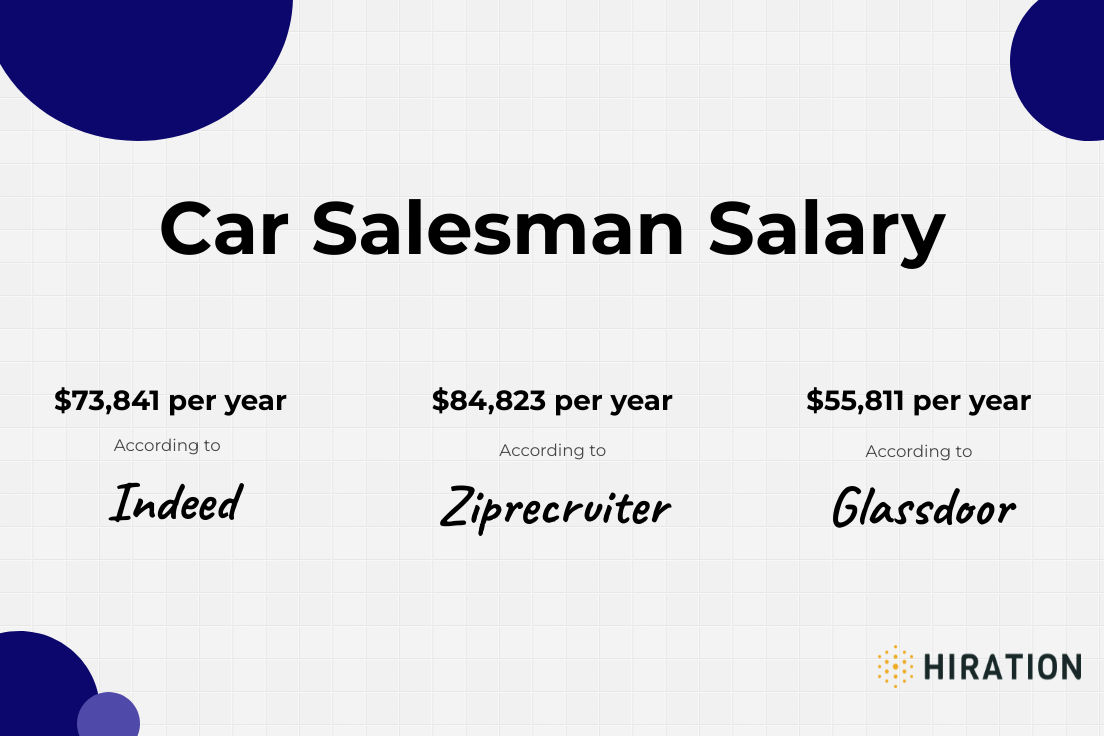
Salespeople usually earn a base salary plus commission on each vehicle they sell. Commissions often range from 20% to 30% of the dealership’s profit on a car, not the sale price itself.
For instance, if a dealer makes $1,000 profit on a car, a salesperson might earn $200 to $300. This setup encourages salespeople to focus on higher-profit vehicles rather than just volume.
Have you noticed how some salespeople seem more eager to close deals? Their paycheck depends heavily on these commissions.
Manager Bonuses
Managers typically receive bonuses tied to the dealership’s overall performance. This can include monthly or quarterly targets for total sales, customer satisfaction, and service upsells.
These bonuses can be a fixed amount or a percentage of the total profits. For example, a general sales manager might get a bonus worth 5% of the dealership’s monthly profit if targets are met.
Think about it: managers are incentivized to keep the entire team productive, not just focus on their individual sales.
Owner Earnings
Dealership owners earn through net profits, which include car sales, service, financing, and parts. Their income depends on how well the dealership operates overall.
Owners often reinvest profits to improve inventory and marketing, but they can also take substantial dividends. Some owners share profits with staff to boost morale and sales.
Have you ever wondered why some dealerships seem more successful? It often comes down to how owners manage earnings and motivate their teams.
Hidden Income Sources
Car dealers often make more money than just the sticker price on a vehicle. Many buyers overlook the hidden income sources that boost a dealer’s profit significantly. Understanding these can help you negotiate better and avoid paying extra for things you may not need.
Extended Warranties
Extended warranties are a big money-maker for dealers. They offer these plans as an add-on to your purchase, promising coverage beyond the manufacturer’s warranty. While they can provide peace of mind, dealers often mark up the price well above the actual cost.
Think about the last time you bought a car. Did the dealer push you to get an extended warranty? That’s no accident. It’s a strategic move to increase their profit margin without you noticing immediately.
Aftermarket Accessories
Accessories like floor mats, roof racks, and upgraded audio systems are often sold at a premium. Dealers typically install these themselves or add them to the price of the car. Many buyers don’t realize these items can be purchased separately for less elsewhere.
Have you ever been tempted by that shiny set of all-weather tires or fancy rims at the dealership? Dealers count on that impulse and the convenience factor to sell higher-priced add-ons that boost their earnings.
Trade-in Arbitrage
Trade-in arbitrage is when dealers pay you less for your old car than what they expect to sell it for. They then repair and resell it at a higher price. This gap between buying low and selling high is a hidden source of income.
When you trade in your vehicle, ask yourself if you’re getting a fair deal. Sometimes selling privately or researching your car’s value can reveal how much money the dealer might be making off your trade-in.
Challenges Affecting Profitability
Car dealers face many challenges that affect their profits. These challenges can reduce earnings and make it harder to run a successful business. Understanding these issues helps explain why dealer profits vary widely. Some problems come from outside forces, while others are part of the industry itself.
Economic Fluctuations
Changes in the economy directly impact car sales. During slow economic times, fewer people buy new cars. Interest rates and unemployment also play a big role. When money is tight, customers delay or cancel purchases. Dealers must manage costs carefully to survive these periods.
Competition From Online Platforms
Online car sales platforms have grown quickly. They offer convenience and often lower prices. This shift pulls customers away from traditional dealerships. Dealers must improve customer service and offer unique benefits. Staying competitive requires new strategies and adapting to digital trends.
Inventory Costs
Maintaining a large inventory ties up a lot of cash. Dealers pay for vehicles before selling them. Unsold cars take up space and add storage costs. Price drops on older models reduce profit margins. Proper inventory management is key to controlling costs and maximizing earnings.
Trends Shaping Dealer Income
Car dealers’ income is no longer shaped solely by traditional sales tactics. New trends are reshaping how dealers earn and grow their profits. Understanding these shifts helps you see where the opportunities and challenges lie in the automotive market today.
Shift To Online Sales
More buyers prefer browsing and buying cars online. Dealers who invest in digital platforms and virtual showrooms can reach wider audiences without the overhead of large physical lots.
This shift reduces costs but demands skills in digital marketing and customer service through online channels. Have you noticed how easy it is to compare prices and options from your couch? Dealers who adapt to this trend often see higher profit margins and faster turnover.
Electric Vehicle Impact
The rise of electric vehicles (EVs) changes dealer income models significantly. EVs typically require less maintenance, affecting service-based revenue which dealers used to rely on.
However, dealers selling EVs can tap into incentives and new customer segments passionate about green technology. Are you curious how dealers balance fewer service visits with the opportunity to sell higher-priced EVs? Smart dealers focus on educating customers and offering charging solutions to boost sales and loyalty.
Subscription And Leasing Models
Subscription and leasing options are gaining traction, offering steady income streams for dealers. These models appeal to customers who want flexibility without long-term commitments.
Dealers benefit from recurring monthly payments and lower risks compared to outright sales. Could your next car be a subscription? Dealers embracing this trend often create more predictable cash flow and build lasting relationships with customers.

Credit: www.youtube.com
Frequently Asked Questions
How Do Car Dealers Make Money?
Car dealers primarily earn through the sale of vehicles. They also profit from financing arrangements, extended warranties, and add-ons. Additionally, trade-ins can provide a margin of profit. Service departments and repair shops within dealerships contribute significantly to revenue as well.
What Is The Average Profit Margin For Car Dealers?
The average profit margin for car dealers is typically between 1% and 3% per vehicle. This margin can vary based on location, dealership size, and market conditions. Dealers often rely on volume sales and additional services to boost their overall profits.
Do Car Dealers Earn More From New Or Used Cars?
Car dealers often earn more from used cars than new ones. Used cars usually have higher profit margins. Additionally, selling used cars involves less depreciation compared to new vehicles. This makes them a lucrative option for dealerships.
How Does Financing Contribute To Dealer Profits?
Financing arrangements significantly boost dealer profits. Dealers may receive commissions from lenders for arranging loans. They also often mark up interest rates for additional earnings. This can make financing a substantial revenue stream for car dealerships.
Conclusion
Car dealers earn money from many sources. They make profit on car sales and add-ons like warranties. Some earn bonuses based on performance. Location and experience affect their income too. It’s not just about selling cars but also about building trust.
Knowing how much dealers make helps you understand their business better. It also shows why prices vary at different dealerships. Remember, each dealer’s income can differ a lot. This helps you see the bigger picture of car buying.