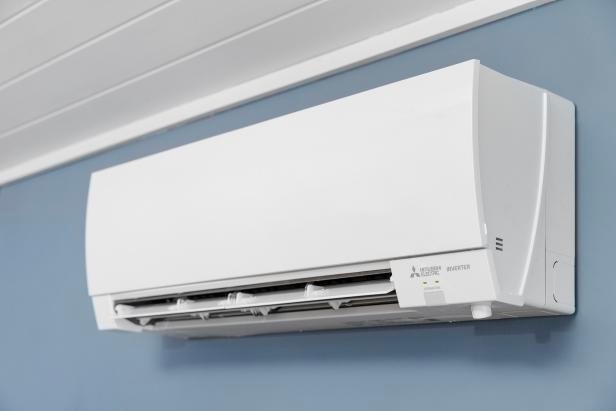
Do you ever wonder what type of air conditioner you have at home? Knowing this can save you time, money, and frustration when it’s time to clean, repair, or replace your unit.
Whether you want to improve your comfort or cut down on energy bills, understanding your air conditioner is the first step. Keep reading, and you’ll quickly learn how to identify your system and why it matters for your home. This simple knowledge will empower you to make smarter choices and stay cool without stress.
Common Air Conditioner Types
Window unitsare small air conditioners that fit in a window. They cool a single room. Easy to install and remove. Good for renters or small spaces.
Split systemshave two parts: an indoor unit and an outdoor unit. They cool larger areas and offer quiet operation. Common in homes and offices.
Portable air conditionerscan be moved from room to room. They have a hose to push hot air outside. Great for temporary cooling needs.
Central air conditioningcools the whole house. Uses ducts to spread cool air. Usually more expensive but very efficient for large spaces.
Ductless mini-splitsare like split systems but without ducts. Each room has its own unit. Easy to install and good for homes without ducts.
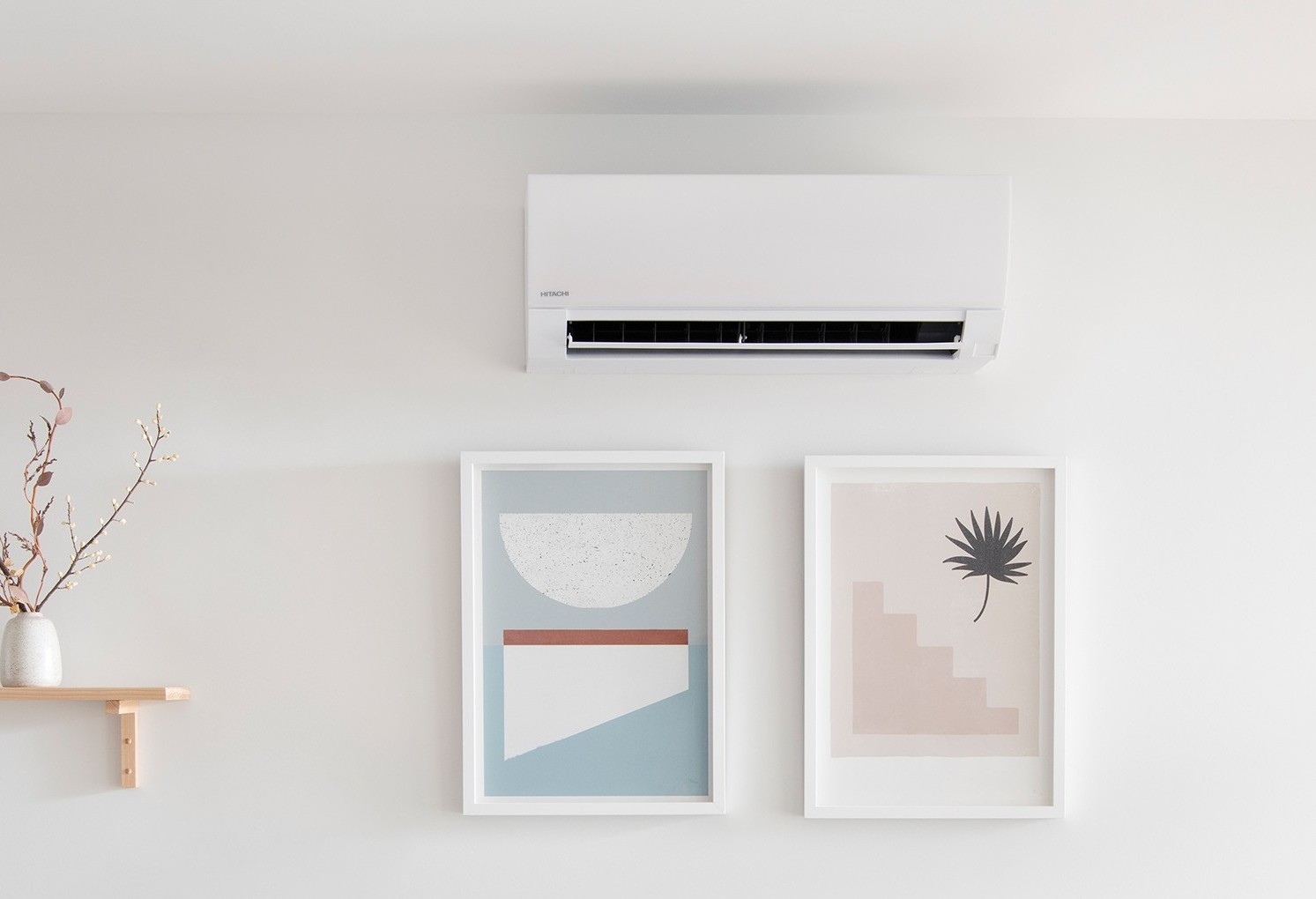
Credit: www.hitachiaircon.com
Visual Features To Look For
Size and placementhelp identify your air conditioner type. Window units are small and fit in a window frame. Portable models are compact and sit on the floor. Central air systems have larger indoor units hidden in walls or ceilings.
Vent and duct configurationvaries by type. Central air uses ducts to move cool air through vents in rooms. Window and portable units blow air directly into the room without ducts. Split systems have separate indoor and outdoor units connected by pipes.
The control panel and remoteoffer clues. Window units often have simple buttons or dials on the front. Portable units may include a remote and display screen. Central systems use wall thermostats or smart controls.
Noise and airflow patternsdiffer between models. Window units can be noisy and blow air in one direction. Portable units usually have fans that move air around the room. Central systems are quieter and distribute air evenly through vents.
Checking Model And Brand Labels
Air conditioners usually have a labelwith important details. This label shows the model number, brand, and other key info. It helps you know what type of AC you own.
The label is often found on the sideor backof the unit. For window units, check the frameor near the control panel. For split systems, look at the outdoor unitor the inside unit’s side or bottom.
Model numbers contain codes that tell you about the AC’s capacityand features. For example, numbers can show cooling power or energy rating. Knowing these helps with repairs or buying parts.
Manufacturer info usually includes the company nameand contact details. This is useful for warranty or customer support. Labels may also have serial numbersfor tracking the unit’s age and history.

Credit: easycoolair.com.au
Common Installation Settings
Residential air conditionersare often wall-mounted or window units. These cool individual rooms or small spaces. Central air systems use ducts to cool entire homes evenly.
Commercial spacesuse larger, more powerful systems. They often have rooftop units or large HVAC setups. These systems keep offices, stores, and buildings cool all day.
Portable and temporary setupsinclude small, movable air conditioners. These are easy to move and cool small areas quickly. Common for renters or places without permanent systems.
Energy Efficiency And Features
SEER ratingsshow how much cooling an air conditioner gives per unit of energy. Higher SEER means better energy efficiency. Typical SEER ratings range from 13 to 21. Choosing a unit with a high SEER can lower electricity bills.
Smart controlsallow easy temperature adjustments through phones or voice commands. Some models connect with home systems for better convenience. This helps save energy by setting schedules and turning off when not needed.
Additional functionalitiesinclude air purifiers, dehumidifiers, and quiet modes. These features improve comfort and air quality. Some units also have timers and eco modes to reduce power use.
:max_bytes(150000):strip_icc()/SPR-ac-unit-too-small-for-space-11772377-c2c98fb2e8ed4d06bc6e641fdaecf058.jpg)
Credit: www.thespruce.com
When To Consult A Professional
Complex air conditioning systems can be hard to identify alone. A professional can help find the exact type and model. This is important to ensure proper care and avoid damage.
Maintenance and repairs often require special tools and skills. Experts know how to fix issues safely and quickly. Regular checks by a professional keep your system running well and extend its life.
Upgrades and replacements should match your home’s needs. Professionals can suggest the best options for energy saving and comfort. They handle installation to meet safety rules and avoid problems.
Frequently Asked Questions
How Can I Identify My Air Conditioner Type?
Check your unit’s design and installation style. Window units fit in windows. Split systems have indoor and outdoor parts. Portable ACs are movable. Central ACs use ductwork. Label and model numbers also help identify the type.
What Are The Main Types Of Air Conditioners?
Common types include central, split, window, portable, and ductless mini-splits. Each type suits different spaces and cooling needs. Central AC cools entire homes, while window units cool single rooms. Portable units offer flexibility and mini-splits provide quiet, efficient cooling.
How Do I Find The Model Number On My Ac?
Look on the side or back of your unit. The model number is usually on a sticker or metal plate. It includes letters and numbers. This info helps identify the AC type and assists with maintenance or repairs.
Can I Tell Ac Type By Its Cooling Capacity?
Cooling capacity is measured in BTUs and varies by type. Portable and window units have lower BTUs for small spaces. Central and split systems have higher BTUs for large areas. BTU alone doesn’t specify the type but indicates size and power.
Conclusion
Knowing your air conditioner type helps with repairs and maintenance. It saves money and avoids confusion. Each AC type works differently, so understanding it matters. This guide makes identifying your unit easy and clear. Keep this info handy for future reference.
Stay cool and comfortable all year long.