
Are you in the market for a new dishwasher and wondering how much these kitchen appliances actually weigh? Understanding the weight of a dishwasher is crucial, especially if you plan on installing it yourself or want to ensure your kitchen floor can support it.
But don’t worry, you’re not alone in this quest for information. Many people find themselves puzzled by the variety of dishwasher models and their varying weights. We’ll break down the average weight of dishwashers and explore the factors that can influence it.
By the end, you’ll have a clear understanding of what to expect, making your purchasing decision smoother and more informed. Let’s dive in and uncover the facts about dishwasher weights that every savvy shopper should know.
Average Dishwasher Weight
Knowing the average weight of dishwashers can help you plan your kitchen setup better. It affects how you install the unit and whether your cabinets or flooring can support it. Let’s look at the typical weights across different types of dishwashers to give you a clearer picture.
Standard Models
Standard dishwashers usually weigh between 60 and 100 pounds. Most full-size models fall closer to 80 pounds. If you’ve ever tried moving one, you know they require a bit of muscle or a helping hand.
This weight is manageable for most homeowners but still demands care during installation. You might wonder, can your kitchen floor handle this load? Checking your floor’s strength before installation is a smart move.
Compact Models
Compact dishwashers are lighter, typically weighing between 45 and 65 pounds. They fit smaller kitchens or apartments where space is limited. Their lighter weight makes them easier to move and install on your own.
Have you considered a compact model for your space? They offer flexibility without sacrificing too much cleaning power.
Commercial Models
Commercial dishwashers are much heavier, often ranging from 150 to 300 pounds or more. Designed for high-volume use, they include extra metal reinforcements and powerful components. This added weight means professional installation is usually necessary.
If you run a business, think about the weight when choosing your unit. It affects not just installation but also the durability and efficiency of your dishwasher.
Factors Affecting Dishwasher Weight
The weight of a dishwasher can vary significantly depending on several key factors. Understanding these can help you choose the right model for your space and installation needs. Let’s break down what really affects how much your dishwasher weighs.
Materials Used
The materials used in a dishwasher’s construction play a big role in its overall weight. Models with stainless steel tubs tend to be heavier than those with plastic tubs. Stainless steel adds durability and noise reduction but can add 20 to 30 pounds or more.
Additionally, the outer casing material affects weight. Metal exteriors weigh more than plastic ones, so if you want a lighter unit, consider the materials carefully. Have you noticed how some dishwashers feel sturdier just by lifting the door? That’s the material at work.
Size And Capacity
Larger dishwashers designed to hold more dishes naturally weigh more. A compact or slimline dishwasher might weigh around 50 to 70 pounds, while a full-size model can exceed 100 pounds. More capacity means more racks, sprayers, and structural support, all adding weight.
Think about your kitchen space and how much washing you do daily. Do you need a large model or will a smaller one suffice? Balancing size and weight can make installation easier and improve your kitchen’s flow.
Additional Features
Extra features add convenience but also add weight. Built-in water softeners, advanced filtration systems, and noise insulation materials are common weight contributors. Some dishwashers include electronic controls and sensors that add a few pounds as well.
When shopping, check if the model has features you really need or if they will just add unnecessary weight. Have you ever struggled lifting a dishwasher during installation? Choosing models with fewer heavy extras might save you that hassle.
Weight Differences By Dishwasher Type
Understanding the weight differences among dishwasher types helps you plan installation and decide on the best fit for your kitchen space. Each type varies significantly in weight due to its design, materials, and size. Knowing these differences can save you from unexpected challenges during delivery or setup.
Built-in Dishwashers
Built-in dishwashers are the heaviest type, usually weighing between 60 and 120 pounds. Their robust metal casing and full-size capacity add to the weight. If you’ve ever tried moving one alone, you know it’s not a simple task—these require at least two people for safe handling.
Because they are installed under countertops and connected to plumbing, their weight adds stability. This makes them less likely to shift or vibrate during operation. Are you prepared for the extra effort and space needed to handle these heavier models?
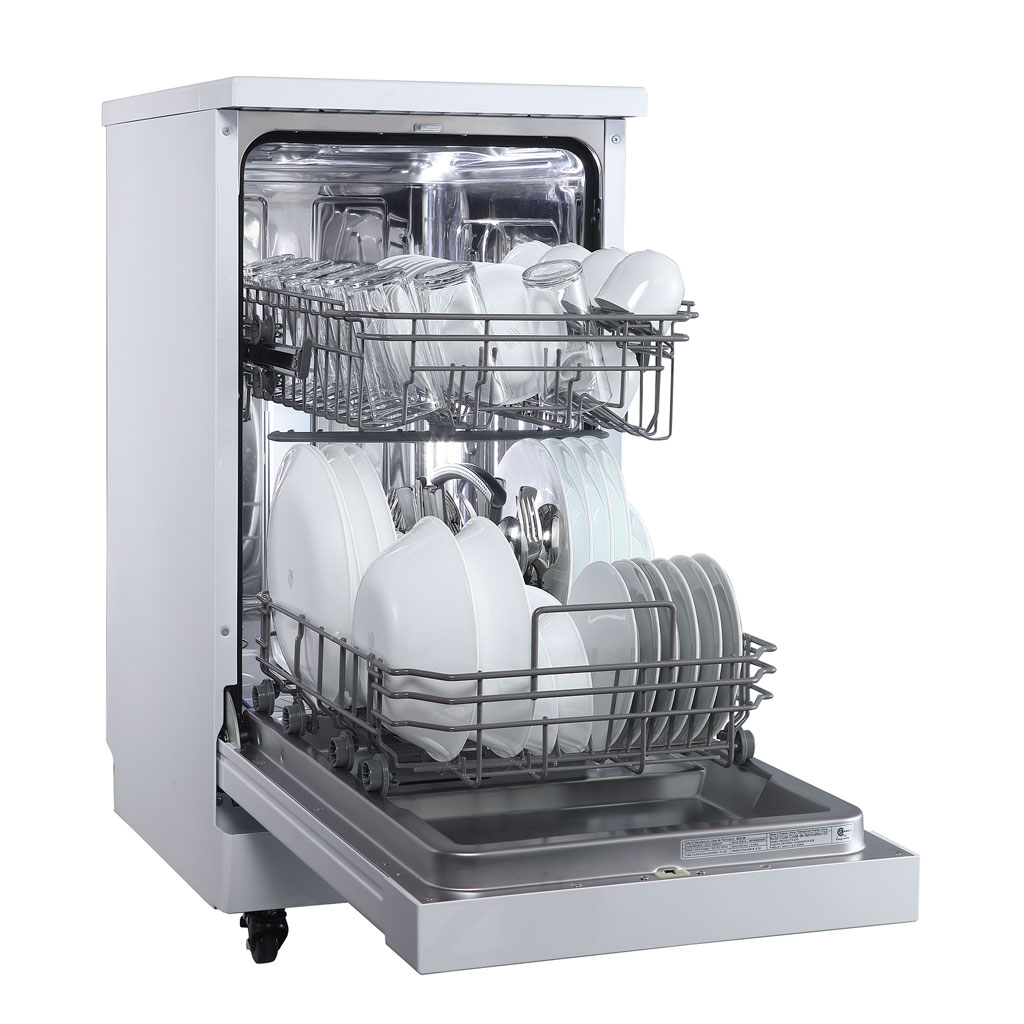
Portable Dishwashers
Portable dishwashers generally weigh between 50 and 80 pounds. They are lighter than built-in models because they are smaller and made with more lightweight materials. Their portability means you can move them around, but they still need a sturdy surface to avoid tipping over.
If you rent or often rearrange your kitchen, a portable dishwasher’s weight offers a good balance between mobility and capacity. Have you considered whether the ease of moving your dishwasher outweighs the need for more washing space?
Drawer Dishwashers
Drawer dishwashers are the lightest, typically weighing between 40 and 70 pounds. Their compact design means less material and smaller load capacity, which reduces weight. These units slide in and out like drawers, making them easier to handle during installation or maintenance.
Their lighter weight can be a big advantage if you need to install the dishwasher in upper cabinets or less accessible areas. Would a lighter dishwasher help you avoid structural modifications in your kitchen?
Credit: www.danby.com
Why Dishwasher Weight Matters
The weight of a dishwasher plays a key role in many practical aspects. It affects how easy the appliance is to move, install, and how well your floor can hold it. Knowing about dishwasher weight helps avoid damage and extra costs.
Installation Considerations
Heavy dishwashers need careful handling during installation. Installers must use proper tools and techniques to avoid injury. The weight also affects the type of cabinets and countertops that can support the unit safely. Lighter models may fit better in older kitchens without structural upgrades.
Transport And Handling
Dishwashers can weigh between 40 to 100 pounds or more. Moving a heavy dishwasher requires more people or equipment. Carrying it alone can cause accidents or damage. Proper packaging and transport tools reduce risks and keep the appliance safe until installation.
Flooring And Support
Floors need to support the dishwasher’s weight without damage. Some floors may sag or crack under heavy loads. Checking the floor’s strength prevents costly repairs later. Using mats or reinforcements under the dishwasher can help distribute weight evenly and protect your flooring.
Tips For Moving Heavy Dishwashers
Moving a heavy dishwasher can be a challenging task, but with the right approach, you can make it much easier and safer. Whether you’re relocating within your home or moving to a new place, planning ahead is key. The following tips will help you handle the weight and bulk of a dishwasher effectively.
Preparation Steps
Start by unplugging the dishwasher and turning off the water supply. Drain any remaining water to avoid spills that could make the appliance slippery and harder to handle.
Clear a path from the dishwasher to the moving vehicle or new location. Remove any obstacles like rugs, furniture, or cords that might trip you up.
Gather moving tools such as a dolly, furniture straps, and gloves. These items will help you grip and balance the dishwasher during the move.
Safety Measures
Always lift with your legs, not your back. This reduces the risk of injury and helps you maintain control of the dishwasher’s weight.
Wear sturdy shoes with good grip to prevent slipping. Gloves can also improve your hold and protect your hands from sharp edges.
Consider the size of the dishwasher and the space you need to maneuver it through doorways or tight spots. Ask yourself: Can you safely navigate these areas alone?
Hiring Professionals
If the dishwasher feels too heavy or awkward, don’t hesitate to hire movers who specialize in appliances. They have the experience and equipment to handle the job efficiently.
Professional movers can save you time and reduce the risk of damage to your dishwasher and home. Think about the value of your time and peace of mind when deciding.
Check reviews and confirm the movers have insurance. This protects you in case of accidents or damage during the move.
Credit: www.danby.com
Comparing Weight With Other Appliances
Understanding the weight of dishwashers becomes clearer when you compare it to other common household appliances. This comparison helps you plan your kitchen setup, especially if you need to move or install these units yourself. Let’s look at how dishwashers stack up against refrigerators, washing machines, and ovens.
Refrigerators
Refrigerators usually weigh more than dishwashers. A standard fridge can tip the scales between 150 to 250 pounds, depending on size and features. In contrast, dishwashers typically weigh around 80 to 150 pounds, making them lighter and easier to handle during installation.
Think about the difference in materials—fridges have heavy compressors and insulation, while dishwashers focus on water resistance and durability. Have you ever tried moving a fridge alone? Its weight and bulkiness can be a real challenge compared to a dishwasher.
Washing Machines
Washing machines often weigh about the same or slightly more than dishwashers. Most models range between 150 and 200 pounds. This is because washers need sturdy drums and motors to handle spinning and water loads.
If you’ve ever lifted a washing machine, you know they can be bulky but usually have handles or grips to help. Dishwashers, while lighter, can still be awkward due to their size and shape. How does this affect your choice when moving appliances?
Ovens
Ovens vary widely in weight based on their type. Wall ovens and built-in models weigh between 100 and 200 pounds, while freestanding ranges can be heavier due to the stove top. Dishwashers, being generally lighter, are often easier to install in tight spaces.
Consider the weight when planning your kitchen layout. A heavy oven might need additional support or professional installation. How do you factor appliance weight into your kitchen renovation plans?

Credit: www.samsung.com
Frequently Asked Questions
How Much Does A Standard Dishwasher Weigh?
A standard dishwasher typically weighs between 60 to 100 pounds. The exact weight depends on the model and materials used. Built-in dishwashers tend to be heavier than portable ones due to their construction. Knowing the weight helps in planning installation and transportation.
Why Does Dishwasher Weight Vary By Model?
Dishwasher weight varies due to size, materials, and features. Stainless steel tubs add more weight compared to plastic ones. Larger dishwashers with advanced functions also weigh more. Weight differences affect handling and installation requirements.
Can Dishwasher Weight Impact Installation Process?
Yes, heavier dishwashers require more effort to install. Proper support and lifting techniques are needed to avoid damage. Knowing the weight helps in hiring the right number of installers or choosing portable options. It ensures a safer installation experience.
Are Portable Dishwashers Lighter Than Built-in Models?
Generally, portable dishwashers weigh less than built-in ones. They usually range from 50 to 80 pounds. Portable units are designed for easy movement and temporary use. This makes them convenient for small kitchens or renters.
Conclusion
Dishwashers usually weigh between 45 and 150 pounds. The weight depends on size and model type. Knowing the weight helps when moving or installing one. Lighter models suit small kitchens and easy handling. Heavier dishwashers often offer more features and capacity.
Always check the weight before buying or transporting. This makes planning safer and easier. Remember, weight affects delivery and setup costs too. Choosing the right dishwasher means balancing weight with your needs. Now you have a clear idea about dishwasher weights.