
Are you curious about how much a Nissan Titan weighs? Whether you’re planning to tow heavy loads, upgrade your suspension, or just want to know if it fits your garage, the weight of this truck matters.
Knowing the exact weight can help you make smarter decisions about fuel efficiency, handling, and safety. Keep reading to discover the key details about the Nissan Titan’s weight and why it’s important for you.
Nissan Titan Weight Basics
Understanding the Nissan Titan’s weight is essential if you want to get the best performance and safety from your truck. Weight affects everything from fuel efficiency to handling and payload capacity. Let’s break down the basics so you know exactly what the numbers mean and how they impact your driving experience.
Curb Weight Explained
Curb weight is the weight of the Nissan Titan when it’s ready to drive, including all standard equipment, fluids like fuel and oil, but without any passengers or cargo. It’s what you’d see if you parked your truck on a scale. Knowing the curb weight helps you understand how heavy the vehicle itself is before adding anything else.
For the Nissan Titan, curb weight usually ranges from about 5,700 to 6,000 pounds depending on the model and trim. This weight affects fuel economy and how the truck handles on the road. Have you noticed how a heavier vehicle feels different when accelerating or braking? That’s because of its curb weight.
Gross Vehicle Weight Rating (gvwr)
GVWR is the maximum weight your Nissan Titan can safely carry, including the truck’s own weight plus passengers, cargo, and any added equipment. It’s a crucial number to keep in mind if you plan to haul heavy loads or tow trailers.
The GVWR for a Nissan Titan typically falls between 7,000 and 7,200 pounds. Exceeding this limit can harm your truck’s performance and safety. Imagine trying to carry more than your truck’s GVWR—it’s like overloading a bridge. Would you risk that? Knowing your GVWR ensures you don’t push your truck beyond its safe limits.
Weight By Model Year
Understanding the weight of the Nissan Titan across different model years helps you make an informed decision whether you’re buying, selling, or just curious. Weight affects fuel efficiency, handling, and towing capacity. Let’s break down how the Titan’s weight has changed over time.
2010 To 2015 Models
The early Nissan Titan trucks from 2010 to 2015 generally weigh between 5,500 and 6,000 pounds. Variations depend on whether it’s a King Cab or Crew Cab, and if it’s 4×2 or 4×4.
- 2010 Nissan Titan Crew Cab 4×4: around 5,900 lbs
- 2013 Nissan Titan King Cab 4×2: about 5,600 lbs
- 2015 Nissan Titan Crew Cab 4×4: close to 6,000 lbs
This range is typical for full-size pickups but might surprise you if you expect a lighter truck for city driving. Have you ever felt the difference in handling between these heavier models and lighter pickups?
2016 To 2020 Models
Starting in 2016, the Titan saw some refinements that slightly affected its weight. Most models weigh between 5,700 and 6,200 pounds, reflecting added safety features and upgrades.
| Model Year | Configuration | Approximate Weight |
|---|---|---|
| 2016 | Crew Cab 4×4 | 6,100 lbs |
| 2018 | King Cab 4×2 | 5,700 lbs |
| 2020 | Crew Cab 4×4 | 6,200 lbs |
These slight weight increases reflect improvements that enhance durability and comfort. What do you prioritize more: a lighter truck or one packed with extra features?
2021 And Newer Models
The latest Titans, from 2021 onward, show a clear trend towards balancing power and weight. Most weigh between 5,900 and 6,300 pounds, with better materials used to manage weight without sacrificing strength.
- 2021 Titan Crew Cab 4×4: roughly 6,250 lbs
- 2022 Titan Pro-4X: about 6,300 lbs
- 2023 Titan XD Diesel: near 6,300 lbs
These newer models offer stronger towing and payload capacities despite their heavier weight. Have you considered how a slightly heavier truck might actually improve your driving experience with increased stability?
Weight Differences By Trim
The weight of a Nissan Titan changes depending on the trim level. Each trim adds or removes features, affecting the truck’s overall weight. Understanding these differences helps buyers choose the right model for their needs.
Weight affects fuel efficiency, towing capacity, and handling. The Nissan Titan offers trims that range from basic to fully loaded. Below are the weight details for each main trim category.
S And Sv Trims
The S and SV trims are the base and mid-level models. They carry fewer luxury features, which keeps their weight lower. The curb weight for these trims usually starts around 5,800 pounds. They balance strength and efficiency well. These trims appeal to buyers who want a solid truck without extra bulk.
Pro-4x And Platinum Trims
The Pro-4X and Platinum trims add off-road gear and luxury features. These additions increase the truck’s weight. The Pro-4X, designed for rough terrain, weighs about 6,000 pounds. The Platinum trim, with premium materials and tech, can weigh closer to 6,100 pounds. These trims suit those needing extra power or comfort.
Special Editions
Special editions of the Nissan Titan offer unique styling and equipment. These trims often include accessories and upgrades that add weight. Their weight varies but generally falls between 6,000 and 6,200 pounds. Special editions provide a distinct look and feel, with a slight weight increase due to added features.
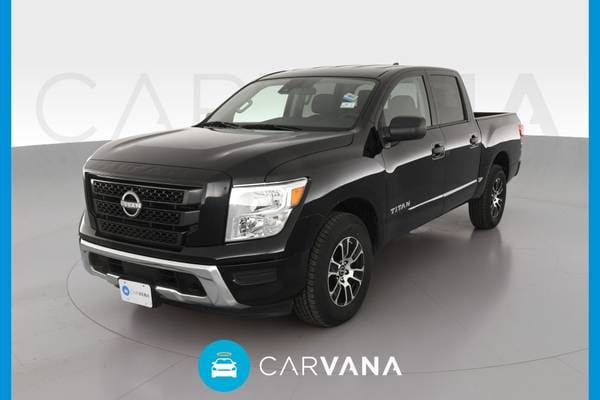
Credit: www.edmunds.com
Crew Cab Vs King Cab Weight
The Nissan Titan comes in different cab styles that affect its weight and functionality. Crew Cab and King Cab vary mainly in size and passenger space. These differences also impact the truck’s overall weight. Understanding these weight variations helps in choosing the right model for your needs.
Crew Cab Specifications
- Seats up to five passengers comfortably
- Longer cabin for more legroom and storage
- Weight ranges from about 5,800 to 6,100 pounds
- Heavier due to larger interior and extra features
- Ideal for families and work crews needing space
King Cab Specifications
- Seats up to four passengers
- Shorter cabin compared to Crew Cab
- Weight ranges from about 5,600 to 5,900 pounds
- Lighter due to smaller rear seating area
- Better for those who want more bed space
Impact Of 4wd On Weight
The weight of a Nissan Titan can change noticeably depending on whether it comes with two-wheel drive (2WD) or four-wheel drive (4WD). Adding 4WD means extra components like a transfer case, additional axles, and stronger suspension parts. These parts not only add weight but can also affect how the truck performs and handles.
2wd Vs 4wd Weight Variations
The basic 2WD Nissan Titan usually weighs less because it lacks the extra drivetrain parts needed for 4WD. Typically, the 4WD version adds around 200 to 300 pounds to the vehicle’s overall weight.
This weight difference might seem small, but it influences fuel efficiency and towing capacity. If you don’t need the extra traction for off-road or tough weather, 2WD might be more practical and lighter for daily driving.
Off-road Package Influence
Choosing an off-road package with your 4WD Nissan Titan adds even more weight. This package often includes skid plates, reinforced bumpers, and upgraded suspension systems designed to protect the truck and improve durability on rough terrain.
These upgrades can add another 100 to 200 pounds. However, if you enjoy exploring trails or need serious capability, the extra weight is a trade-off for better performance and protection.
Have you ever felt the difference in handling between a 2WD and 4WD truck? Understanding these weight changes helps you decide what fits your driving style best.

Credit: www.edmunds.com
Payload And Towing Capacities
Payload and towing capacities define the strength of the Nissan Titan. These numbers tell how much weight the truck can carry and pull safely. Knowing these limits helps owners use the vehicle properly. It also protects the truck from damage and keeps drivers safe.
Maximum Payload Limits
The Nissan Titan can carry a heavy load in its bed and cabin. Payload capacity means the total weight of passengers, cargo, and any extra equipment.
- Standard models have payloads around 1,610 to 1,680 pounds.
- Heavy-duty versions can carry slightly more weight.
- Payload depends on the truck’s configuration and engine type.
Careful loading inside these limits keeps the truck balanced and stable on the road.
Towing Weight Ratings
The Titan has strong towing power for trailers, boats, and campers. Towing capacity shows the maximum weight the truck can pull safely.
- Most Titan models tow between 9,000 and 11,000 pounds.
- Proper hitch and towing equipment are essential for safety.
- Engine choice and drivetrain affect the exact towing limit.
Following these ratings prevents strain on the engine and brakes. It also ensures safe stops and turns while towing.
Weight Comparison With Competitors
Comparing the weight of the Nissan Titan with its main competitors can give you a clearer idea of what to expect in terms of performance, fuel efficiency, and handling. Weight plays a crucial role in how a truck drives and hauls, so knowing these numbers helps you make a smart choice for your needs.
Ford F-150 Weight
The Ford F-150 is one of the most popular trucks, and its weight ranges from about 4,000 to 5,600 pounds depending on the model and configuration. This wide range is due to the various trims and engine options available.
If you want a lighter truck for better fuel economy, some F-150 models weigh less than the Nissan Titan, which typically sits around 5,600 pounds. However, the Titan’s weight often means it feels more solid and stable on the road.
Chevrolet Silverado Weight
The Chevrolet Silverado’s weight usually falls between 4,500 and 5,700 pounds. This is close to the Nissan Titan’s weight, making them direct rivals in terms of size and capability.
The Silverado tends to offer more variety in bed and cab sizes, which can affect the weight significantly. When comparing, think about whether you need a heavier truck for towing or a lighter one for everyday driving.
Ram 1500 Weight
RAM 1500 models range from about 4,400 to 5,700 pounds, similar to the Nissan Titan’s weight class. The RAM 1500 is known for its smooth ride, which some drivers prefer despite its weight.
Choosing between the RAM 1500 and Nissan Titan might come down to how you feel about driving a truck that’s on the heavier or lighter side. Have you noticed how a truck’s weight affects your comfort on long drives?
Factors Affecting Vehicle Weight
The weight of a Nissan Titan depends on several factors. These factors influence how heavy the truck becomes. Understanding these helps when comparing models or planning for towing and fuel use.
Vehicle weight changes based on what materials are used. Extra features and accessories add pounds too. Changes made after buying the truck also affect weight.
Material Choices
The materials used in the Nissan Titan impact its weight significantly. Steel frames add strength but increase weight. Aluminum parts reduce weight while keeping durability. Manufacturers balance these materials to meet safety and performance needs.
Added Features And Accessories
Extra features add weight to the Nissan Titan. Items like larger wheels, winches, and roof racks add pounds. Interior upgrades such as leather seats and sound systems also increase weight. Each feature adds a small amount, but combined they make a difference.
Aftermarket Modifications
Aftermarket modifications can change a truck’s weight. Lift kits and heavier tires add pounds. Adding toolboxes or bed covers increases weight too. Some modifications remove parts, which may reduce weight. Knowing these effects helps manage truck performance and fuel use.
Fuel Efficiency And Weight
The Nissan Titan is known for its robust build and impressive power, but its weight plays a significant role in how fuel-efficient it can be. Understanding the relationship between weight and fuel efficiency helps you make smarter choices about your vehicle’s performance and running costs. Let’s break down how the Titan’s weight impacts its miles per gallon (MPG) and how Nissan balances power with efficiency.
Weight Impact On Mpg
The Nissan Titan’s curb weight ranges from about 5,500 to 6,000 pounds, depending on the model and configuration. This substantial weight means the engine has to work harder to move the truck, which naturally lowers fuel efficiency.
Heavier vehicles like the Titan generally get fewer miles per gallon compared to lighter trucks. For example, a Titan typically averages around 15-18 MPG, depending on driving conditions and load.
Have you noticed that your truck’s MPG drops when carrying heavy cargo? That’s the weight working against fuel economy. Even small increases in weight can lead to noticeable decreases in fuel efficiency.
Balancing Power And Efficiency
Nissan equips the Titan with powerful V8 engines that deliver strong towing and hauling capability. To offset the weight’s impact on fuel consumption, the Titan includes features like direct fuel injection and variable valve timing to improve combustion efficiency.
Additionally, newer models offer technologies such as cylinder deactivation, which shuts off some cylinders when full power isn’t needed. This helps save fuel without sacrificing performance when you really need it.
If you want better fuel efficiency without losing power, consider how you use your truck daily. Do you often haul heavy loads, or is your Titan mostly for city driving? Adjusting your driving habits and load can help you get closer to optimal MPG.

Credit: www.edmunds.com
Frequently Asked Questions
What Is The Curb Weight Of A Nissan Titan?
The curb weight of a Nissan Titan varies by model and trim. On average, it ranges from 5,000 to 5,800 pounds. The weight depends on features and configurations.
How Does Weight Affect Nissan Titan Performance?
The weight of a Nissan Titan impacts its fuel efficiency and towing capacity. A heavier truck may have reduced fuel efficiency. However, it might offer better stability and towing performance.
Is The Nissan Titan Heavier Than Competitors?
The Nissan Titan is comparable in weight to other full-size trucks. Its weight is similar to models like the Ford F-150 and Chevy Silverado. Each model has different configurations affecting weight.
Does A Heavier Titan Mean Better Towing?
A heavier Nissan Titan often has a higher towing capacity. The increased weight can provide better stability when towing heavy loads. Always check specific towing capacities for each model.
Conclusion
The Nissan Titan weighs between 5,600 and 6,300 pounds. This depends on the model and features. Knowing the weight helps with towing and fuel use. It also affects how the truck drives. Choose the right Titan for your needs and preferences.
Weight is just one part of the whole picture. Consider other features before making a decision. The Nissan Titan offers strong performance and reliability. It suits many drivers who want a tough pickup. Understanding its weight makes your choice easier and smarter.