
Have you ever wondered how heavy your refrigerator really is? Knowing the weight of an average refrigerator can help you plan moves, choose the right delivery service, or even decide where to place it in your kitchen.
You might think it’s just a bulky appliance, but the exact weight can surprise you—and understanding it can save you time, effort, and even money. Keep reading, and you’ll discover the typical weight range of refrigerators, what factors make them heavier or lighter, and tips to handle them safely.
This information is essential whether you’re upgrading your kitchen or just curious about your appliance!
Factors Affecting Refrigerator Weight
The weight of a refrigerator varies widely, and several factors play a key role in determining how heavy your appliance will be. Understanding these factors helps you make smarter choices, especially if you need to move or install the fridge yourself. Let’s break down what really affects the weight of a refrigerator.
Size And Capacity
The most obvious factor is the refrigerator’s size and capacity. Larger fridges with more storage space naturally weigh more because they have bigger shells and more internal components.
Think about your own kitchen: a compact mini-fridge weighs much less than a full-sized French door model. If you often find yourself needing extra space for groceries, expect the weight to increase accordingly.
Material Composition
The materials used in the refrigerator’s construction also impact its weight. Steel and aluminum parts add significant heft, while plastic components reduce it.
Insulation materials inside the fridge, designed to keep your food cold, add weight too. High-quality insulation often means a heavier fridge but better energy efficiency—does the extra weight justify the savings on your electricity bill?
Design And Features
Modern refrigerators come with a range of features that add to their weight. Ice makers, water dispensers, multiple shelves, and digital displays all contribute to the overall mass.
Consider how many features you really need. Sometimes, a simpler design without extra gadgets can save you from lifting a heavy appliance during delivery or installation.

Credit: www.homedepot.com
Weight Range For Common Refrigerator Types
Knowing the weight of different refrigerator types helps you plan better for delivery, installation, or even moving day. Refrigerator weights vary widely depending on style, size, and features. Understanding these differences can save you from unexpected challenges and costs.
Top Freezer Models
Top freezer refrigerators are among the most common and budget-friendly. They usually weigh between 150 to 250 pounds. Their simple design and smaller size make them easier to handle compared to other types.
If you’ve ever moved one, you know they’re manageable but still require a second person for safe lifting. Have you considered how much space you’ll need to maneuver one in tight hallways?
Bottom Freezer Models
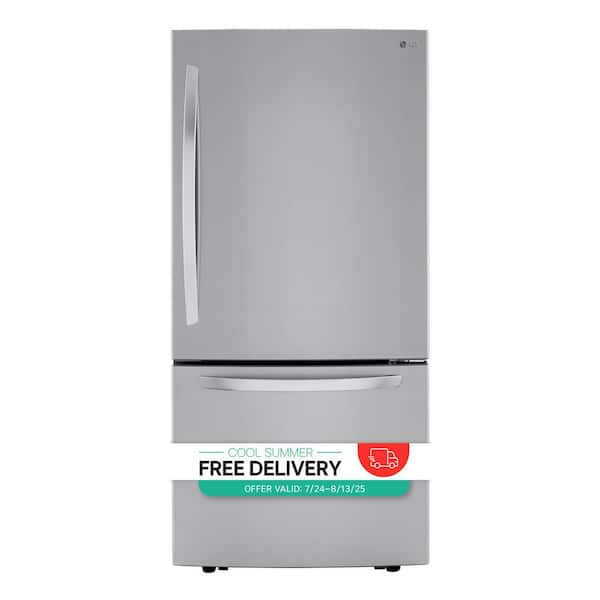
Bottom freezer models tend to be a bit heavier, ranging from 200 to 300 pounds. The freezer compartment at the bottom adds extra weight and bulk. These models offer convenient access to fresh food but can be trickier to move.
Think about how often you’ll need to move it for cleaning or maintenance. Is the extra weight worth the convenience for you?
Side-by-side Models
Side-by-side refrigerators are wider and generally weigh between 250 and 350 pounds. Their dual-door design requires more robust framing, adding to the weight. These are popular in larger kitchens but can challenge door width in narrow spaces.
Have you measured your doorway carefully? Moving a side-by-side model often means removing doors or using special equipment.
French Door Models
French door refrigerators are among the heaviest, with weights ranging from 280 to 400 pounds. They combine wide fresh-food compartments with bottom freezers, making them bulky. Their style and storage options come with added heft.
Are you prepared to handle this weight during installation? Professional movers usually recommend at least two strong helpers for these models.
Compact Refrigerators
Compact refrigerators weigh far less, usually between 40 to 100 pounds. They are perfect for dorm rooms, offices, or small apartments. Their lightweight design makes them easy to move and reposition.
Would a compact model fit your needs without adding too much weight or taking up space? They might be the easiest choice if portability is your priority.
Impact Of Weight On Installation And Mobility
The weight of a refrigerator affects how easy or hard it is to install and move. A heavy fridge requires more strength and care during transport. It can also impact the type of floor or space needed for safe placement. Understanding these factors helps avoid damage and ensures smooth setup.
Transport Considerations
Heavy refrigerators need special handling during transport. Use a sturdy dolly or hand truck to move the fridge. Secure the fridge with straps to prevent shifting. Avoid tilting the fridge too much to protect internal parts. Plan the route to avoid stairs or tight corners.
Space And Floor Support
Check that the floor can hold the fridge’s weight without damage. Some floors may need extra support under heavy appliances. Leave enough space around the fridge for air circulation. Measure doorways and hallways to ensure the fridge fits through easily. A well-supported floor prevents damage and keeps the fridge stable.
Moving Tips
- Ask for help from at least one other person.
- Wear gloves for a better grip and safety.
- Keep the fridge upright to avoid oil leaks.
- Clear the path before moving the fridge.
- Use furniture sliders to ease movement on hard floors.
Credit: www.homedepot.com
Comparing Weight With Energy Efficiency
Understanding the relationship between a refrigerator’s weight and its energy efficiency can help you make smarter choices for your home. Heavier models often include more insulation and advanced components, which might improve efficiency but also add to the weight. On the other hand, lightweight refrigerators can save on transport and installation costs but may vary in their energy use.
Lightweight Vs Heavy Models
Lightweight refrigerators typically weigh between 100 to 150 pounds. These models are easier to move and install, making them ideal for smaller kitchens or apartments. However, they might have thinner insulation or fewer energy-saving features.
Heavy models can weigh 200 pounds or more. They often feature thicker insulation, multiple compressors, or advanced cooling systems that improve energy retention. This extra weight can translate to better energy efficiency, but it also means higher shipping costs and more effort during installation.
Have you ever noticed how some refrigerators feel solid and dense while others seem almost light as a feather? That physical difference often hints at the energy-saving technology inside.
Energy Consumption Trends
Energy-efficient refrigerators today are designed with materials that balance weight and insulation quality. For example, models using vacuum insulated panels (VIPs) can reduce energy use without significantly increasing weight.
Look for refrigerators with ENERGY STAR labels—they usually consume 15-20% less energy than standard models. These units may weigh a bit more due to added insulation but save money over time with lower electricity bills.
| Refrigerator Type | Approximate Weight | Energy Efficiency | Key Feature |
|---|---|---|---|
| Lightweight Model | 100-150 lbs | Moderate | Basic insulation, fewer features |
| Heavy Model | 200+ lbs | High | Thick insulation, advanced cooling |
Which matters more to you—ease of installation or long-term savings on energy? Your answer can guide whether you pick a lightweight or heavy refrigerator.
How To Find The Exact Weight Of Your Refrigerator
Knowing the exact weight of your refrigerator is important, especially if you’re moving or planning to install it in a tight space. The weight affects transportation options, the type of dolly or cart you’ll need, and even the floor support requirements. But how can you find this specific detail about your appliance?
Manufacturer Specifications
The easiest and most reliable way to find the exact weight is by checking the manufacturer’s specifications. These details are usually available in the user manual or on the manufacturer’s website.
Look for a section labeled “Technical Details” or “Product Specifications.” The weight is often listed in pounds (lbs) or kilograms (kg). If you don’t have the manual handy, try searching your model number online—it’s often included in the product description.
Online Resources
Many websites compile product data, including weights for various refrigerator models. Retailers like Home Depot, Lowe’s, or appliance-specific sites often provide detailed specs.
You can also find forums or review sites where users share their own measurements and experiences. This can be helpful if manufacturer info is missing or unclear. Have you ever checked a forum and found exactly what you needed from someone else’s post?
Weighing Methods
If you want to get the weight yourself, there are practical ways to do it without special equipment. One option is using a bathroom scale: weigh yourself first, then weigh yourself again while holding the refrigerator door or a part of the fridge if it’s small and light enough.
For larger units, professional moving companies or appliance stores often have industrial scales. You might ask if they can help you weigh your fridge. Do you have a helper? This task becomes much easier and safer with an extra pair of hands.
Credit: mygoodmovers.com
Frequently Asked Questions
How Much Does A Standard Refrigerator Weigh?
A standard refrigerator typically weighs between 200 to 400 pounds. Weight varies by size, model, and features.
What Factors Affect A Refrigerator’s Weight?
Weight depends on size, materials, compressor type, and additional features like ice makers or water dispensers.
Are Compact Refrigerators Lighter Than Full-size Ones?
Yes, compact refrigerators usually weigh less, ranging from 50 to 150 pounds, making them easier to move.
How Does Refrigerator Weight Impact Delivery And Installation?
Heavier refrigerators often require professional delivery and installation due to their size and weight for safety.
Conclusion
Refrigerators come in many sizes and weights. Most average models weigh between 150 and 300 pounds. Knowing the weight helps when moving or buying one. It also helps plan for delivery and installation. Remember to check the specific model for exact weight.
This way, you avoid surprises and stay safe. Weighing options carefully makes the process easier. A good idea before any purchase or move. Simple facts can save time and effort.