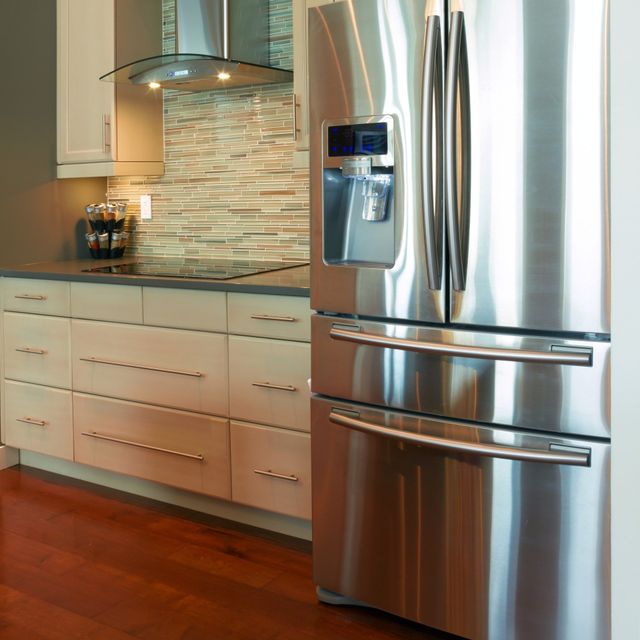
Is your refrigerator acting up? You might be wondering, how much does it cost to fix a refrigerator?
Knowing the answer can save you from surprises when the repair bill arrives. Whether it’s a strange noise, a cooling problem, or a broken ice maker, understanding the typical costs will help you make smart choices. You’ll discover what affects repair prices and how to spot when it’s worth fixing or replacing your fridge.
Keep reading to get the facts that will protect your wallet and keep your food fresh.
Common Refrigerator Issues
Refrigerators are essential appliances, but like any machine, they can develop problems over time. Understanding common refrigerator issues helps you identify what might be wrong and estimate repair costs more accurately. Let’s look at some frequent problems that may affect your fridge’s performance and functionality.
Cooling Problems
When your refrigerator isn’t cooling properly, food can spoil quickly. This issue might be due to a faulty compressor, dirty condenser coils, or a malfunctioning thermostat. Have you checked if the fridge feels warmer than usual or if ice buildup is blocking airflow?
Fixing cooling problems can range from simple coil cleaning to replacing expensive parts like the compressor, so it’s worth diagnosing early.
Leaking Water
Water pooling around or inside your fridge is a clear sign of a leak. Common causes include a clogged defrost drain, cracked water line, or a broken drip pan. Did you notice water gathering after ice melts or near the door seals?
Addressing leaks quickly prevents water damage and mold growth, often requiring minor repairs or cleaning.
Strange Noises
Unusual sounds like buzzing, clicking, or rattling can signal mechanical or electrical issues. These noises might come from the fan motor, compressor, or ice maker. Have you ever felt uneasy about a sudden loud noise from your fridge late at night?
Ignoring strange noises can lead to bigger problems, so getting a technician to listen can save you money down the road.
Electrical Failures
Refrigerators rely on electrical components to function. Problems like a tripped circuit breaker, faulty wiring, or a broken control board can cause your fridge to stop working. Have you checked if the fridge light turns on or if the controls respond?
Electrical repairs often need professional help and can vary widely in cost depending on the issue.
Door Seal Issues
If your refrigerator door doesn’t close properly, cold air escapes and energy costs rise. Worn or cracked door seals are common culprits. Have you noticed condensation around the door edges or that your fridge runs constantly?
Replacing door seals is usually affordable and can improve your fridge’s efficiency immediately.

Credit: www.angi.com
Typical Repair Costs
Understanding typical repair costs can help you decide whether to fix your refrigerator or consider a replacement. Repair prices vary widely depending on the part that needs attention and the complexity of the job. Knowing what to expect can prepare you for the expense and avoid surprises when the technician arrives.
Compressor Replacement
The compressor is the heart of your refrigerator’s cooling system. Replacing it usually costs between $400 and $800, including parts and labor. This repair can be pricey, but if your fridge is relatively new, it might be worth fixing rather than buying a new one.
Thermostat Repair
A faulty thermostat affects the fridge’s temperature control. Repairing or replacing the thermostat typically runs from $100 to $200. This is one of the more affordable fixes that can quickly restore your fridge’s performance.
Fan Motor Fixes
The fan motor helps circulate cold air inside your refrigerator. Repair costs for fan motors range from $150 to $300. If your fridge is making unusual noises or not cooling evenly, this might be the culprit.
Ice Maker Repairs
Ice maker issues can be frustrating, especially in hot weather. Fixing an ice maker usually costs between $150 and $400, depending on the problem’s complexity. Sometimes, the issue is a simple clogged water line, which keeps costs lower.
Door Seal Replacement
A damaged door seal lets cold air escape, wasting energy and raising your electricity bill. Replacing the door seal generally costs around $100 to $250. It’s a small investment that can improve efficiency and keep your food fresh longer.
Factors Affecting Repair Prices
Understanding the factors that influence refrigerator repair costs can help you make smarter decisions. Each repair scenario is unique, and several key elements impact the final price. Knowing these details puts you in control when discussing repairs with technicians or deciding whether to fix or replace your appliance.
Type And Brand Of Refrigerator
Different refrigerator types—such as top-freezer, side-by-side, or French door—vary in complexity. More advanced models with features like ice makers or smart technology often cost more to repair. Brand reputation also matters; premium brands usually have higher parts and service fees.
Age Of Appliance
Older refrigerators tend to have more wear and tear, which can increase repair costs. Parts may be harder to find or discontinued, making repairs more expensive. If your fridge is over 10 years old, ask yourself if the repair cost justifies its remaining lifespan.
Part Availability
Parts availability plays a big role in repair pricing. Common components like thermostats or door seals are usually affordable and easy to replace. Rare or specialized parts can cost significantly more and may take time to order, adding to labor expenses.
Labor Charges
Labor fees differ based on the complexity of the repair and the technician’s expertise. Simple fixes might take less than an hour, while complicated issues require more time and skill. Remember that some repairs include diagnostic fees, which add to the overall cost.
Location And Service Provider
Your location affects repair prices due to variations in living costs and demand for services. Urban areas often have higher rates than rural locations. Choosing between manufacturer-authorized service and independent technicians can also impact your bill—authorized providers might charge more but offer warranty assurance.

Credit: www.searshomeservices.com
Diy Vs Professional Repair
Choosing between fixing your refrigerator yourself or hiring a professional can impact both cost and outcome. Understanding when to try DIY and when to call an expert helps save time and money. Each option has clear advantages and risks.
When To Attempt Diy
Simple repairs like replacing a filter or cleaning coils suit DIY. Basic troubleshooting, such as resetting the fridge, also works well. Many how-to videos and guides exist for easy fixes. Having the right tools and patience helps complete these jobs.
DIY is best if you enjoy working with tools and feel confident. Minor issues that do not involve electrical parts or refrigerant can be safe to handle.
Risks Of Self-repair
Complex problems require special tools and knowledge. Mistakes can cause more damage or void the warranty. Handling refrigerants without training is dangerous and illegal in some areas. Electrical repairs pose shock risks and fire hazards.
Wrong repairs may lead to higher future costs. Time spent fixing the fridge might increase without success. Safety should always come first when deciding on DIY.
Benefits Of Hiring Experts
Professionals bring experience and proper equipment to the job. They diagnose problems quickly and fix them correctly. Hiring experts ensures safety and avoids further damage. Most offer warranties on parts and labor, providing peace of mind.
Experts save time and effort, especially for complex repairs. They know local codes and handle refrigerants legally. This choice can be cost-effective by preventing costly mistakes.
Tips To Lower Repair Costs
Repairing a refrigerator can be expensive, but there are ways you can reduce those costs significantly. Small actions you take before and after a breakdown can make a big difference. Let’s look at practical tips to help you save money while keeping your fridge in good shape.
Regular Maintenance
Keeping your refrigerator well-maintained is one of the easiest ways to avoid costly repairs. Clean the coils regularly to prevent overheating and improve efficiency. Also, check door seals to ensure they are airtight—this keeps your fridge running smoothly without extra strain.
I once ignored a minor drip, thinking it was harmless. That small issue led to a compressor failure, costing me hundreds. Don’t wait for problems to get worse; spot checks can save you from big repair bills.
Using Warranty And Service Plans
Have you checked if your refrigerator is still under warranty? Many manufacturers cover repairs for certain parts within a specific period. Using a warranty or service plan can eliminate or greatly reduce out-of-pocket expenses.
Service plans often cover routine maintenance too. If you bought one, make sure to use it. Otherwise, you might pay full price for services that could have been free or discounted.
Choosing Reliable Repair Services
Finding a trustworthy repair technician can impact both the cost and quality of the fix. Reliable professionals often diagnose problems accurately, avoiding unnecessary replacements. This saves you money and time.
Ask for recommendations or check online reviews before hiring. A cheaper option might not always be the best choice if it leads to repeat visits or poor workmanship.
Getting Multiple Quotes
Don’t settle for the first repair estimate you receive. Getting multiple quotes helps you understand the going rate and spot outliers. It also gives you leverage to negotiate better prices.
When comparing quotes, ask for a detailed breakdown of costs. This way, you know exactly what you’re paying for and can avoid hidden fees or upsells.

Credit: www.selecthomewarranty.com
When To Replace Instead Of Repair
Deciding between repairing or replacing a refrigerator can be tricky. Sometimes repair costs are close to buying a new one. Other times, a new fridge offers better value and performance. Knowing when to replace helps save money and avoid future problems.
Cost Comparison
Repairs can cost a few hundred dollars. Major fixes may reach $400 or more. A new refrigerator costs several hundred to over a thousand dollars. If repair costs exceed half the price of a new fridge, replacement is wiser. Frequent repairs also add up quickly.
Efficiency Considerations
Older refrigerators use more energy. New models have better insulation and compressors. They consume less electricity, lowering utility bills. Repairing an inefficient fridge may not save money long-term. A new unit often pays off through energy savings.
New Technology Benefits
Modern refrigerators offer useful features. Adjustable shelves, smart controls, and improved cooling are common. New models keep food fresher longer. Some have better noise reduction and frost-free designs. Upgrading can improve daily convenience and satisfaction.
Frequently Asked Questions
How Much Does Refrigerator Repair Typically Cost?
Refrigerator repair costs range from $150 to $500. The price depends on the issue and parts needed. Labor fees and service calls also affect the total cost. Minor repairs are cheaper, while major parts replacement costs more.
What Factors Influence Refrigerator Repair Expenses?
Repair costs depend on the problem’s complexity, part prices, and labor fees. Brand and model can also impact costs. Emergency or same-day services usually charge more. Regular maintenance can reduce repair frequency and expenses.
Is It Cheaper To Repair Or Replace A Refrigerator?
If repair costs exceed 50% of a new fridge price, replacement is better. Older models often need costly repairs. New refrigerators offer energy efficiency and warranties, which can save money long-term.
How Long Does Refrigerator Repair Usually Take?
Most refrigerator repairs take 1 to 3 hours. Complex issues may require extra time or parts ordering. Scheduling a professional technician promptly helps reduce downtime and food spoilage.
Conclusion
Fixing a refrigerator can vary in cost. Consider the issue’s severity. Labor and parts also impact the price. Some repairs are minor. Others might be costly. Always get a professional opinion. This ensures proper diagnosis. Think about the fridge’s age.
Sometimes replacement is more economical. Regular maintenance helps avoid high repair bills. Keep your fridge clean and check for issues often. These small actions save money. They also extend the appliance’s life. A well-maintained fridge works efficiently and costs less to run.
Stay informed and make smart choices for your fridge repair needs.