
Have you ever wondered how much your refrigerator weighs? Whether you’re moving to a new home, planning a kitchen remodel, or just curious, knowing the weight of your fridge can save you time and effort.
It’s not just about numbers—understanding this helps you prepare for transportation, avoid damage, and choose the right equipment. Keep reading, and you’ll discover everything you need to know about refrigerator weights, making your next move or upgrade smoother than ever.
Credit: mygoodmovers.com
Average Refrigerator Weight
Understanding the average weight of a refrigerator can help you plan better for delivery, installation, or even moving. Refrigerators come in various sizes and styles, each with a different weight range. Knowing what to expect can save you from unexpected struggles and help you choose the right appliance for your needs.
Weight Range By Size
The size of a refrigerator greatly influences its weight. Small compact models, often found in dorm rooms or offices, typically weigh between 50 to 100 pounds. These are light enough for one person to handle with some care.
Mid-sized refrigerators, which are common in many households, usually weigh between 150 to 250 pounds. Moving these often requires at least two people or special equipment.
Large or commercial-sized refrigerators can tip the scales at 250 to 400 pounds or more. If you’ve ever tried moving one of these, you know it’s not just about strength but also about strategy.
Weight Differences By Type
Refrigerator types also affect their weight. Top freezer models tend to be lighter because of their simpler design and fewer features. These often fall on the lower end of the weight range.
Side-by-side refrigerators usually weigh more due to their larger capacity and additional components like ice makers and water dispensers. They can weigh upwards of 300 pounds.
French door refrigerators are often the heaviest. Their wide doors and multiple compartments add to the overall weight, sometimes exceeding 350 pounds. Have you ever thought about how much all those extra features add to the bulk?
Knowing these differences can help you decide which model fits your space and your ability to handle its weight. What’s your priority—size, style, or ease of moving?
Weight Of Common Refrigerator Types
Understanding the weight of different refrigerator types helps you plan your kitchen layout and manage installation better. Refrigerator weight varies widely depending on size, design, and features. Let’s look at how much common refrigerator types typically weigh, so you can make informed choices for your home.
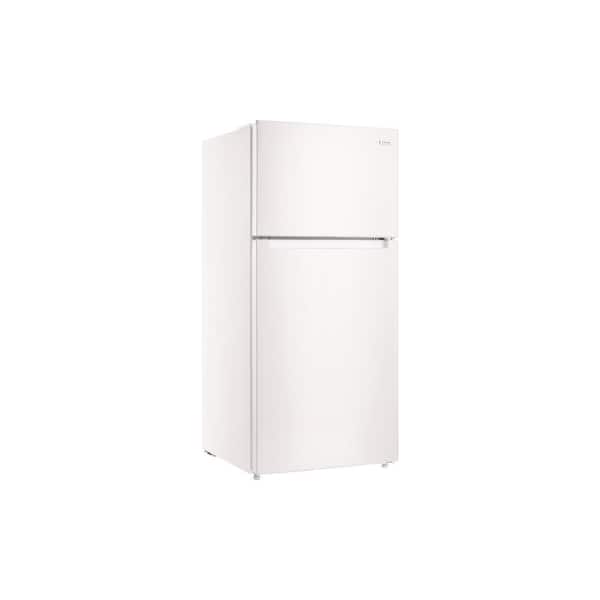
Top-freezer Models
Top-freezer refrigerators are among the most common and usually the lightest full-size models. Their weight generally ranges from 150 to 250 pounds. Because they have a simpler design with the freezer on top, they often weigh less than other styles, making them easier to move and install.
Bottom-freezer Models
Bottom-freezer refrigerators tend to be heavier, typically weighing between 200 and 300 pounds. The freezer compartment at the bottom requires more structural support, which adds to the weight. If you’re considering this style, think about whether you can manage the extra heft during delivery or setup.
Side-by-side Models
Side-by-side refrigerators are wider and often include extra features like ice and water dispensers. Their weight usually falls between 250 and 350 pounds. This heavier weight reflects their size and complexity, so make sure your floor and doorways can handle the move.
French Door Models
French door refrigerators combine wide storage space with stylish design but come with a higher weight. They often weigh from 250 up to 400 pounds. The multiple doors and additional compartments add bulk, which might require two people to carry safely.
Compact Refrigerators
Compact refrigerators are designed for small spaces like dorm rooms or offices. Their weight ranges from 40 to 80 pounds, making them very portable. If you move frequently or need a secondary fridge, this lightweight option can be very practical.
Factors Influencing Refrigerator Weight
The weight of a refrigerator can vary widely depending on several key factors. Understanding these factors helps you choose the right model for your space and transportation needs. Let’s look at what influences a refrigerator’s weight and how it might affect your decision.
Materials Used
The type of materials used in building a refrigerator plays a big role in its overall weight. Stainless steel models tend to be heavier than those made with plastic or aluminum. The insulation material inside the walls also matters—thicker, high-density foam adds both weight and better cooling efficiency.
Have you ever tried moving a fridge that felt unexpectedly heavy? Often, the outer shell and insulation quality are the main reasons behind that extra poundage.
Capacity And Features
Generally, larger refrigerators weigh more because they need bigger compressors, thicker insulation, and more structural support. A compact fridge designed for a dorm room will weigh much less than a full-size French door model.
Additional features such as ice makers, water dispensers, and smart technology add to the weight as well. Each extra component requires wiring, motors, or tanks that increase the overall mass. Think about which features you really need before picking a heavier model.
Additional Components
Beyond the main body, refrigerators have parts that contribute to their weight. For instance, compressors and condenser coils are heavy metal components that vary in size depending on cooling power.
Some models include dual evaporators or multiple cooling zones, which add complexity and weight. Even door thickness and shelving materials can make a difference, especially if glass shelves replace plastic ones.
Have you ever considered how these hidden elements affect the fridge’s weight? They might be small details, but together they add up to a noticeable difference.
Credit: www.homedepot.com
Why Refrigerator Weight Matters
The weight of your refrigerator is more important than you might think. It affects not only how you move it but also where you place it and how it fits into your home. Understanding the weight helps avoid surprises during delivery, installation, and everyday use.
Shipping And Delivery Considerations
Heavy refrigerators need special handling during shipping. Delivery teams may require extra help or equipment to move bulky models safely. If you live in an apartment or a home with narrow doorways, knowing the weight beforehand can prevent delivery delays or damage.
Have you ever had a delivery team struggle to get an appliance inside your house? That usually happens because the weight and size were underestimated. Confirming the weight lets you prepare, like clearing pathways or arranging for additional help.
Installation Challenges
Your fridge’s weight impacts how easy or tough installation can be. Heavier models might require more than one person to lift and position them correctly. If you plan to install it yourself, knowing the weight helps you decide if you need extra hands or special tools.
Also, some refrigerators come with adjustable feet or wheels that might not support very heavy units well. This can cause balance issues, making the fridge wobble or tilt. Ask yourself: Can you safely handle the weight during installation, or do you need professional help?
Floor Support And Space Planning
Not all floors are built the same. A heavy refrigerator might strain weak or old flooring, causing dents or damage over time. Before buying, check if your kitchen floor can support the fridge’s weight without problems.
Space planning also depends on weight because heavier fridges usually mean larger sizes. You need enough room to open doors fully and allow air circulation. Think about where you’ll place it—will the floor hold the weight, and is the space practical for everyday use?
Tips For Moving Heavy Refrigerators
Moving a heavy refrigerator can be a daunting task, but with the right approach, it becomes manageable and less stressful. Whether you’re relocating to a new home or rearranging your kitchen, proper preparation is key. Here are some essential tips to help you move your refrigerator safely and efficiently.
Proper Equipment
Using the right tools makes a big difference. A sturdy appliance dolly or hand truck designed for heavy loads can save your back and prevent damage to the fridge. Don’t forget to use straps to secure the refrigerator firmly to the dolly.
Wear gloves with good grip to avoid slips. Moving blankets or padding protect both your refrigerator and walls from scratches. Think about using furniture sliders if you need to slide the fridge across floors.
Safety Measures
Safety is not negotiable. Make sure to unplug your refrigerator at least a few hours before moving to prevent electrical hazards and reduce weight by emptying all contents. Keep the fridge upright during the move to avoid compressor damage.
Clear the path ahead by removing rugs, furniture, or any obstacles. Communicate clearly with anyone helping you to coordinate movements and avoid sudden pulls or twists. Ask yourself: Have you planned enough breaks to prevent fatigue?
Professional Help
Sometimes, calling professionals is the best choice. Movers have experience and equipment to handle heavy appliances without injury or damage. They also know how to navigate tight spaces and stairs safely.
If your refrigerator is especially large or valuable, consider hiring experts. It’s a worthwhile investment compared to risking costly repairs or personal injury. Would you rather save time and stress by letting pros handle the heavy lifting?
How To Find Refrigerator Weight Information
Finding the weight of your refrigerator might seem tricky at first, but there are straightforward ways to get this information. Knowing the exact weight is crucial for moving, installing, or even deciding if your floor can support it. You might be surprised how easily this detail is available once you know where to look.
Manufacturer Specifications
The first place to check is the refrigerator’s manual or the manufacturer’s official website. Most brands provide detailed specs, including the weight, in the product description or technical data sheets.
If you still have the user manual, look in the sections labeled “Specifications” or “Technical Data.” These often list the net weight separately from the gross weight, which includes packaging. This distinction is helpful if you’re planning to move the fridge yourself.
Product Labels
Take a close look at the labels on your refrigerator. Many models have a sticker inside the door or on the back panel showing weight information along with model and serial numbers.
This label is often overlooked but provides reliable data straight from the factory. It’s the easiest way to find weight without digging through paperwork or online sources.
Online Resources
If you don’t have the manual or the label isn’t clear, the internet is your friend. Retailer websites, appliance forums, and review sites often list the weight along with other specs.
- Search by model number for precise results.
- Check user reviews where people sometimes mention the weight during delivery or installation stories.
- Visit manufacturer support pages for downloadable manuals and brochures.
Have you ever tried moving a fridge without knowing its weight? Knowing this detail upfront can save you from unexpected strain or hiring extra help. Where do you usually look first for appliance details?

Credit: www.homedepot.com
Frequently Asked Questions
How Much Does A Standard Refrigerator Weigh?
A standard refrigerator typically weighs between 150 to 250 pounds. Weight varies by size, model, and materials used. Compact models weigh less, while large French door refrigerators are heavier. Always check the product specs for exact weight before moving or purchasing.
What Factors Affect A Refrigerator’s Weight?
Refrigerator weight depends on size, type, and internal components. Larger capacity and additional features like ice makers add weight. Materials such as stainless steel also increase heaviness. Understanding these factors helps estimate weight accurately for transportation or installation.
How To Safely Move A Heavy Refrigerator?
To move a heavy refrigerator safely, use a dolly or hand truck. Secure the appliance with straps to prevent shifting. Always lift with your legs, not your back. Enlist help to avoid injury and damage during transport.
Does Refrigerator Weight Impact Energy Efficiency?
Refrigerator weight itself doesn’t directly affect energy efficiency. However, larger, heavier models may consume more power. Energy efficiency depends more on insulation, compressor quality, and technology. Choose Energy Star-rated models for lower electricity bills.
Conclusion
Understanding refrigerator weight helps in planning your space. Choose wisely based on size and needs. Small models weigh less and fit tight spaces. Larger fridges offer more storage but require sturdy floors. Consider your kitchen layout for the right fit.
Proper transport and installation protect your appliance. Knowing weight aids in safe handling. Compare models for features and weight balance. Always check specifications before buying. Happy shopping!