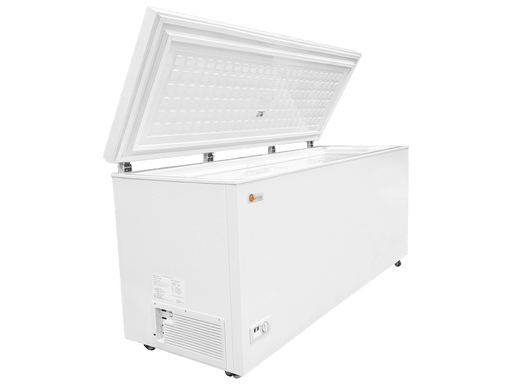
Are you curious about how much electricity your chest freezer consumes? Whether you’re considering adding one to your home or simply looking to cut down on energy costs, understanding the power usage of your appliances is crucial.
A chest freezer is a great addition for preserving food and saving money, but it’s essential to know its energy implications. You might be surprised by how its efficiency can impact your electricity bill. We’ll break down everything you need to know about the electricity consumption of chest freezers, so you can make informed decisions and optimize your home’s energy usage.
Let’s dive in and uncover the real cost of running a chest freezer.
Chest Freezer Energy Basics
Understanding chest freezer energy basics helps manage electricity costs. These appliances are designed to keep food frozen for long periods. They use electricity to maintain low temperatures inside the insulated box. Energy use depends on various factors, such as size and usage habits.
Average Power Consumption
Most chest freezers use between 100 and 400 watts while running. On average, a typical model consumes about 200 watts. Running time varies, but many freezers run about 8 to 12 hours daily. This means daily energy use can range from 0.8 to 4.8 kilowatt-hours (kWh). Monthly, this totals roughly 24 to 144 kWh, depending on the freezer size and efficiency.
Factors Affecting Energy Use
- Size:Larger freezers need more power to cool the space.
- Temperature setting:Lower temperatures increase electricity use.
- Usage frequency:Opening the freezer often lets cold air out.
- Location:Placing a freezer in a warm room raises energy use.
- Age and model:Newer freezers use energy more efficiently.
- Insulation quality:Better insulation reduces power consumption.

Credit: naturesgenerator.com
Energy Efficiency Ratings
Energy efficiency ratings play a crucial role in determining how much electricity a chest freezer will use. These ratings help you understand the appliance’s power consumption and its impact on your energy bills. Paying attention to these numbers can save you money and reduce your environmental footprint.
Understanding Labels
Energy labels give you clear information about a freezer’s power use. Look for labels like ENERGY STAR or EU energy labels, which rank appliances from A+++ (most efficient) to D (least efficient). These ratings show the estimated annual electricity use in kilowatt-hours (kWh).
Don’t just glance at the rating—check the actual kWh number. Two freezers with the same rating might have different energy consumption based on size or technology. Knowing this helps you predict your monthly electricity cost more accurately.
Choosing Efficient Models
Choosing a chest freezer with a high energy efficiency rating means you pay less to keep your food frozen. Modern models often use better insulation and advanced compressors, which cut down electricity use without sacrificing performance.
Think about how often you’ll open the freezer and the size you need. A smaller, efficient model that fits your lifestyle can use far less energy than a large one running mostly empty. Have you ever noticed your old freezer humming loudly and constantly? That’s a sign it’s working too hard and wasting power.
Before buying, compare models side-by-side using their energy ratings and estimated yearly costs. This simple step can lead to big savings over time, both on your bills and in energy use.
Calculating Your Freezer’s Electricity Use
Calculating your chest freezer’s electricity use helps control energy bills. It also shows how efficient your freezer runs. You can check this in simple ways. Understanding power use helps save money and energy.
Reading The Energy Guide
Most chest freezers have an Energy Guide label. It shows the estimated yearly electricity use in kilowatt-hours (kWh). This number helps compare different models easily.
Look for these details on the label:
- Estimated yearly energy use (kWh/year)
- Energy cost estimate based on average rates
- Size and capacity of the freezer
Use the kWh number to calculate monthly use. Divide the yearly kWh by 12. This gives a rough monthly electricity use value.
Using A Power Meter
A power meter measures real electricity use directly from your freezer. Plug the freezer into the meter, then the meter into the wall socket.
The meter shows power in watts (W) or kilowatt-hours (kWh). Check these points:
- Power draw when the freezer runs
- Energy consumed over a few days or a week
- Average daily and monthly use
Using a power meter gives exact data. It helps identify if the freezer uses more energy than normal.
Tips To Reduce Energy Consumption
Reducing energy use in your chest freezer saves money and helps the environment. Small changes make a big difference in power consumption. Follow these tips to keep your freezer efficient without losing performance.
Optimal Temperature Settings
Set the freezer temperature to the ideal range for food safety and efficiency. The best temperature is usually between -10°F and 0°F (-23°C to -18°C). Colder settings use more electricity without preserving food better. Avoid freezing the freezer empty, as a full freezer keeps cold better.
Proper Freezer Placement
Place the freezer in a cool, dry area away from heat sources. Avoid spots near ovens, heaters, or direct sunlight. Good airflow around the freezer helps it run less. Keep the freezer away from damp places to prevent rust and damage.
Regular Maintenance
Clean the freezer coils every six months to improve efficiency. Dust and dirt make the freezer work harder. Defrost the freezer if ice builds up more than a quarter inch. Check door seals for cracks or gaps to keep cold air inside. Replace worn seals to stop energy loss.
Comparing Chest Freezers With Upright Models
Choosing between a chest freezer and an upright model can impact your electric bill more than you might expect. Both types serve the same basic function, but their design and operation can lead to differences in energy consumption and how you use your freezer space. Understanding these differences can help you pick the right freezer for your needs and control your electricity costs effectively.
Energy Use Differences
Chest freezers usually consume less electricity compared to upright models. Their design keeps cold air trapped inside when the lid is opened, so less cold air escapes. Upright freezers, on the other hand, lose more cold air each time the door opens because cold air falls out.
Energy efficiency also depends on the freezer’s insulation and compressor technology. Some upright models come with better insulation, which can narrow the energy gap. However, if you open your freezer often, a chest model will almost always use less power.
Space And Usage Considerations
Chest freezers offer more usable space because their design allows you to stack items without worrying about limited shelf height. They are ideal if you store large or bulky items. However, you may find it harder to organize and access items at the bottom.
Upright freezers have shelves and compartments that make organizing easier and retrieving items quicker. If you value easy access and neat organization, an upright might suit your lifestyle better. But keep in mind, they take up more vertical space and might be less energy efficient.
Think about how often you open your freezer and what you store. Could saving a few dollars on energy be worth the extra effort to organize a chest freezer? Or is convenience your top priority? Your answer will guide your choice between these two freezer types.
Smart Habits For Energy Savings
Saving energy with your chest freezer isn’t just about the appliance itself; it’s also about how you use it daily. Adopting smart habits can make a big difference in your electricity bill. Small changes in loading and usage patterns help your freezer work efficiently without wasting power.
Loading And Organizing
Think about how you pack your chest freezer. Group similar items together and label them clearly. This way, you won’t waste time digging through piles to find what you need.
Keeping your freezer well-organized lets cold air circulate freely, which helps maintain a consistent temperature. Overstuffing or blocking vents forces the freezer to work harder, using more electricity.
Try to leave space between items for airflow. You’ll notice your freezer runs smoother and uses less energy. Have you ever felt the frustration of frozen goods stuck together? Proper organization helps avoid that too.
Avoiding Frequent Door Opening
Every time you open the chest freezer, cold air escapes and warm air rushes in. This makes the freezer work overtime to cool back down, increasing energy use.
Plan ahead before opening the door. Ask yourself: What do I really need? Gathering items quickly minimizes the time the door stays open.
If you have a busy household, consider setting specific times for accessing the freezer. This simple habit reduces unnecessary openings and cuts energy waste.
When To Upgrade For Better Efficiency
Knowing when to upgrade your chest freezer helps save energy and money. Older freezers often use more electricity than newer models. Upgrading improves efficiency and lowers your power bill. It also helps keep food frozen better and reduces environmental impact.
Signs Of Inefficiency
- The freezer runs constantly without stopping.
- Ice builds up inside more than usual.
- Food thaws or freezer feels warm inside.
- Your electricity bill rises unexpectedly.
- The freezer is over 10 years old.
- The door seal is cracked or loose.
Benefits Of Modern Freezers
- Use less electricity by up to 30-50%.
- Better insulation keeps cold air in longer.
- Improved compressors run quietly and efficiently.
- Smart features help maintain constant temperatures.
- Eco-friendly refrigerants reduce environmental harm.
- Smaller sizes and adjustable shelves improve storage.
Credit: thecabindepot.ca
Credit: www.vevor.com
Frequently Asked Questions
How Much Electricity Does A Chest Freezer Consume Monthly?
A chest freezer typically uses 100 to 200 kWh per month. Usage depends on size, model efficiency, and temperature settings. Energy Star-rated freezers consume less electricity. Proper maintenance and avoiding frequent door openings reduce power consumption and save money.
What Factors Affect Chest Freezer Electricity Usage?
Electricity use depends on freezer size, insulation quality, and compressor efficiency. Ambient room temperature and how often you open the freezer also impact energy consumption. Setting the temperature too low or storing warm food increases power usage. Regular defrosting helps maintain efficiency.
How Can I Reduce My Chest Freezer’s Electricity Cost?
Keep the freezer full but not overcrowded to retain cold air. Set the temperature between 0°F and 5°F for optimal efficiency. Place the freezer away from heat sources and in a cool, ventilated area. Regularly clean condenser coils and seal gaps in the door.
Is A Chest Freezer More Energy-efficient Than An Upright Freezer?
Yes, chest freezers are generally more energy-efficient due to better insulation and less cold air loss. Their design minimizes temperature fluctuations and compressor cycles. However, energy efficiency varies by model, so check Energy Star ratings before purchasing.
Conclusion
A chest freezer uses electricity based on size and usage. Smaller freezers use less power than bigger ones. Running times also affect energy use. Keeping the freezer full helps it run efficiently. Regularly checking the door seal saves energy too.
Knowing your freezer’s electricity use helps control bills. Simple steps can reduce energy without losing freezer space. Saving power is good for your wallet and the planet. Choose the right size for your needs. Energy use can vary, so watch your meter sometimes.