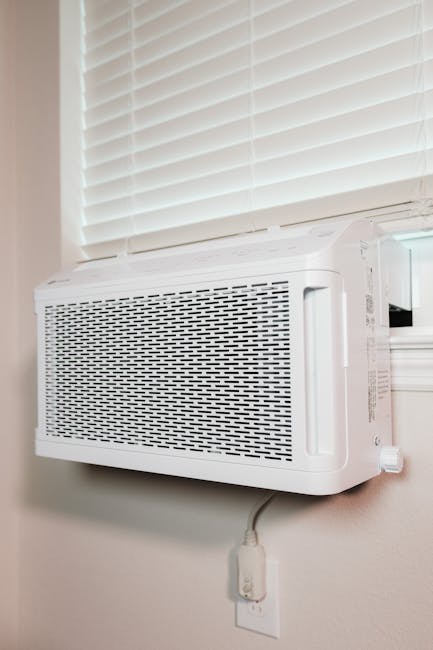
Are you curious about how much electricity your window air conditioner uses? Understanding this can help you save money on your energy bills and keep your home cool without surprises.
You’ll discover simple facts about power consumption, learn what affects it, and find easy tips to make your unit more efficient. Keep reading to take control of your cooling costs and enjoy a comfortable home all summer long.

Credit: www.appliancecorner.com
Electricity Use Basics
Power ratingsshow how much energy a window air conditioner uses. It is measured in watts (W). A higher watt rating means more electricity use.
BTUstands for British Thermal Unit. It tells how much cooling the unit gives. More BTUs means the unit cools larger rooms.
| BTU Range | Room Size | Approximate Power Use (Watts) |
|---|---|---|
| 5,000 – 6,000 | Small room (100-250 sq ft) | 500 – 600 W |
| 7,000 – 8,000 | Medium room (250-350 sq ft) | 700 – 800 W |
| 9,000 – 12,000 | Large room (350-550 sq ft) | 900 – 1,200 W |
- Room size:Bigger rooms need more power.
- Insulation:Poor insulation increases electricity use.
- Temperature setting:Lower temps use more energy.
- Outdoor heat:Hotter days make the unit work harder.
- Unit age:Older units use energy less efficiently.
Typical Energy Consumption
Window air conditioners use different amounts of electricity based on size.
Small unitsusually use about 500 to 800 watts. Large unitscan use 1000 to 1500 watts or more. Small units cool small rooms, while large units cool bigger spaces.
| Size | Power Use (Watts) | Typical Room Size |
|---|---|---|
| Small | 500 – 800 | Up to 150 sq ft |
| Large | 1000 – 1500+ | 150 – 350 sq ft |
On average, a window AC runs 8 hours daily. This means about 4 to 12 kWh per day. Monthly use can be 120 to 360 kWh depending on size and use.
- Window ACs use less power than central AC systems.
- Portable ACs often use more electricity.
- Fans use much less power but cool less effectively.
Energy Efficiency Ratings
EERstands for Energy Efficiency Ratio. It shows how much cooling a unit gives per watt of electricity. SEERmeans Seasonal Energy Efficiency Ratio. It measures efficiency over a cooling season, not just one time. Higher numbers in both mean better efficiency.
Choosing models with higher EER and SEER ratings saves more energy. These units use less power to cool the same space. This lowers electricity bills and reduces environmental impact.
Energy Star certificationmeans the unit meets strict efficiency standards. Such models use less electricity than non-certified ones. They are a smart choice for saving energy and money.

Credit: udpwr.com
Tips To Save Electricity
Setting the thermostat between 75°F and 78°Fkeeps rooms cool without wasting power. Avoid setting it too low; this saves energy and money.
Cleaning or replacing filters regularly helps the air conditioner run more efficiently. Dust and dirt block airflow and make the unit work harder.
Using timers and smart controls lets you cool only when needed. This avoids running the AC all day. Smart devices can adjust settings based on your schedule.
Cost Implications
Estimating electricity bills depends on the air conditioner’s power use and daily running time. A typical window unit uses between 500 to 1500 watts. Multiply this by hours used and your local electricity rate to find the cost.
Long-term savings come from using the air conditioner wisely. Set the temperature higher when no one is home. Clean or replace filters often. Use fans to spread cool air. These steps lower energy use and bills.
| Incentives | Description |
|---|---|
| Rebates | Some utilities offer money back for buying energy-efficient models. |
| Tax Credits | Government programs may reduce your taxes for using efficient appliances. |
| Discounts | Seasonal discounts can make buying a better unit cheaper. |

Credit: www.greenwashingindex.com
Frequently Asked Questions
How Much Power Does A Window Ac Use?
A window air conditioner typically uses between 500 to 1500 watts per hour. The exact consumption depends on the unit’s size and efficiency. Larger units consume more electricity, while energy-efficient models use less. Always check the Energy Efficiency Ratio (EER) for better energy savings.
Does Window Ac Increase Electricity Bills?
Yes, window air conditioners can increase electricity bills. The impact depends on usage and the unit’s efficiency. Running it for long hours will consume more electricity. Choosing an energy-efficient model and using it judiciously can help manage costs.
How To Calculate Window Ac Electricity Cost?
To calculate costs, multiply the unit’s wattage by hours used and local electricity rate. Divide the wattage by 1000 to convert to kilowatts. Multiply kilowatts by hours and electricity rate per kWh. This will give you the daily operational cost.
Are Window Acs Energy Efficient?
Many modern window ACs are energy efficient. Look for models with a high Energy Efficiency Ratio (EER) or Energy Star certification. These units use less electricity while providing the same cooling effect. Proper installation and maintenance can further enhance efficiency.
Conclusion
A window air conditioner uses electricity based on its size and settings. Smaller units use less power, while bigger ones need more. Running it on low cools your room without high energy use. Turning it off when not needed saves money.
Knowing how much electricity it uses helps you plan your bills. Choose the right size for your space to avoid extra costs. Simple habits can keep your energy use low and your room cool.