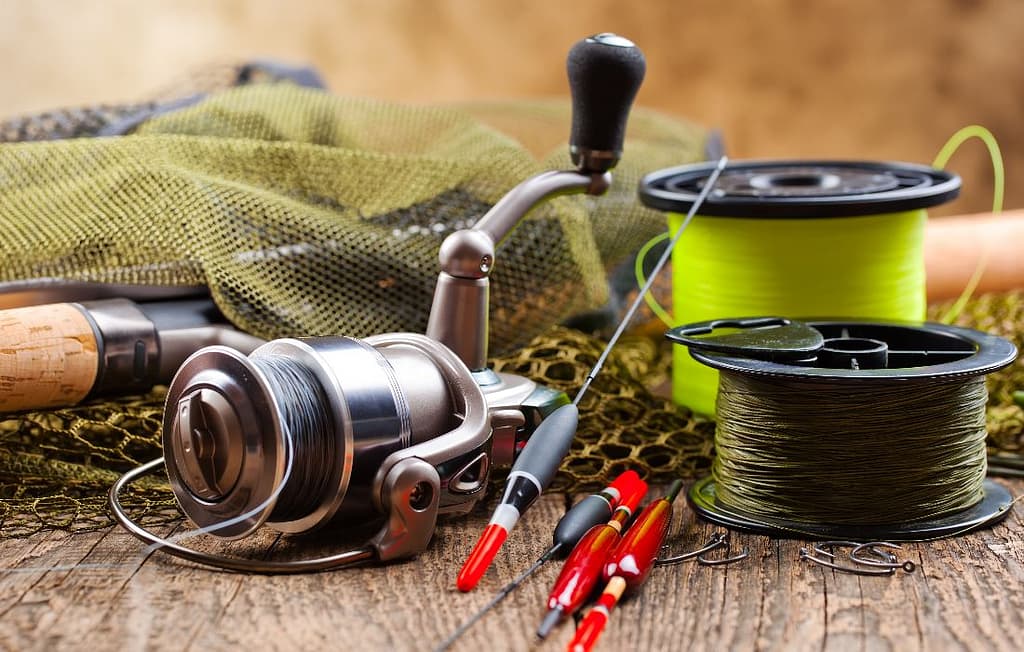
Wondering how much fishing line you really need? Choosing the right amount can make or break your fishing trip.
Too little, and you risk losing a big catch. Too much, and you’re wasting money and space. You want to be prepared without overloading your gear. You’ll discover simple tips and clear guidelines to help you pick the perfect length of fishing line every time.
Keep reading to avoid common mistakes and fish smarter on your next outing.

Credit: fishingbooker.com
Factors Affecting Fishing Line Length
Choosing the right amount of fishing line helps improve your fishing experience. Many factors influence how much line you need.
Knowing these factors can help you pick the best line length for your fishing trips.
Type Of Fishing
The kind of fishing you do changes the line length you need. Different fishing styles require different line lengths.
- Fly fishing usually needs shorter lines for better control.
- Surf fishing requires longer lines to cast far into the water.
- Freshwater fishing often uses medium-length lines for balance.
- Deep-sea fishing demands strong, long lines to reach deep waters.
Fishing Location
Your fishing spot affects how much line you should spool. Different waters need different line lengths.
| Location | Recommended Line Length |
| Small ponds | 50-100 yards |
| Lakes and rivers | 100-150 yards |
| Ocean shore | 200-300 yards |
| Deep sea | 300+ yards |
Target Fish Species
The size and fight of the fish affects your line length choice. Bigger fish need more line to avoid breaking.
- Small fish like trout need less line, about 100 yards.
- Medium fish like bass require 150-200 yards.
- Large fish like tuna or marlin need over 300 yards of line.
Weather Conditions
Weather can change how you use your fishing line. Wind, rain, and water flow affect line length needs.
Tips for weather impact on line length:
- Windy days may need longer lines for better casting distance.
- Strong currents require more line to keep control of the bait.
- Calm weather allows shorter lines for better sensitivity.
Types Of Fishing Lines
Choosing the right fishing line is key for a good catch. Different lines suit different fish and water types. Knowing the types helps you pick the best one.
There are three main types of fishing lines. Each has unique features. We will look at monofilament, braided, and fluorocarbon lines.
Monofilament
Monofilament line is made from a single strand of nylon. It is soft and stretches well. This makes it good for beginners and general fishing.
- Affordable and easy to handle
- Stretches to absorb shocks
- Visible in water, so use with caution
- Good for light to medium fishing
Braided
Braided line is made of several strands woven together. It is very strong and thin. It does not stretch much, giving better control.
| Feature | Benefit |
| High Strength | Catch bigger fish easily |
| Thin Diameter | More line fits on reel |
| Low Stretch | Better hook setting |
| Less Visible | Works well in clear water |
Fluorocarbon
Fluorocarbon line is almost invisible underwater. It sinks faster than other lines. It is strong and resists abrasion well.
Fluorocarbon benefits include:
- Invisible in water for shy fish
- Good abrasion resistance for rocky areas
- Sinks quickly for deep fishing
- Stiffness helps with casting accuracy
Determining Line Length For Different Fishing Styles
Choosing the right length of fishing line is important for success. Different fishing styles need different amounts of line. Too little line can limit your casting and control. Too much line can cause tangles and make fishing harder.
Knowing how much line to use helps you fish better and avoid problems. This guide explains line length needs for freshwater, saltwater, and fly fishing.
Freshwater Fishing
Freshwater fishing often takes place in lakes, rivers, and ponds. You usually do not need very long line. About 100 to 150 yards of line is enough for most freshwater fishing.
Shorter line helps with accuracy and reduces tangles. Use lighter line for small fish and heavier line for bigger fish. Keep some extra line for unexpected fights with fish.
- 100 to 150 yards for general freshwater fishing
- Lighter line for small fish species
- Heavier line for large fish like bass or catfish
- Extra line helps when fish pull hard
Saltwater Fishing
Saltwater fishing needs longer line because fish are bigger and swim far. Use 200 to 300 yards of line for most saltwater fishing trips. This gives enough length for casting and fighting strong fish.
Stronger line is also important. Saltwater can damage line faster, so check your line often. Having enough line avoids losing big fish that run far away.
- 200 to 300 yards for saltwater fishing
- Stronger line resists saltwater wear
- More line helps with long casts and fish runs
- Regularly check and replace worn line
Fly Fishing
Fly fishing uses special lines made for casting light flies. Line length depends on the type of water and fish. Usually, 90 to 120 feet of fly line is enough for most fishing.
In rivers, shorter line helps control casts. In lakes, longer line gives better reach. Backing line is added behind the fly line to help when big fish pull hard.
- 90 to 120 feet of fly line for most fishing
- Shorter line for river fishing
- Longer line for lake fishing
- Backing line added for fighting strong fish
Essential Gear And Equipment
Choosing the right amount of fishing line is important for a good fishing trip. Your gear affects how much line you need.
This guide covers fishing rods, reels, and line capacity to help you decide how much line to use.
Fishing Rods
Fishing rods come in different lengths and strengths. These factors affect how much line you need.
Longer rods usually need more line for casting and fighting fish. Stronger rods handle heavier line.
- Short rods need less line
- Long rods require more line
- Heavy rods use thicker, stronger line
Reels
Reels store and release the fishing line. Each reel has a limit on how much line it can hold.
Spinning reels and baitcasting reels have different line capacities. Match the line to the reel for best performance.
- Check reel specs for line capacity
- Use line thickness that fits your reel
- Fill the reel spool properly
Line Capacity
Line capacity means how much line your reel can hold. It depends on line weight and reel size.
Choose a line length that fits your fishing style and reel capacity. Avoid overfilling or underfilling.
| Line Weight (lb) | Line Length on Reel (yards) |
|---|---|
| 6 | 200 |
| 8 | 150 |
| 10 | 120 |
| 12 | 100 |
Tips For Efficient Casting
Using the right amount of fishing line helps you cast better. It stops tangles and improves distance.
These tips will help you use your fishing line well for smooth, long casts.
Avoiding Line Tangles
Tangles waste time and can break your line. Keep your line tight when casting to avoid loops.
Check your reel and guides for damage that may cause snags or twists.
- Use the right line length for your reel
- Keep your line clean and dry
- Reel in slack line after each cast
- Replace old or damaged line regularly
Optimizing Casting Distance
Using enough line lets you cast farther. Too little line limits your reach.
Match your line strength to your rod and reel for best performance.
- Fill your reel to about 80% of its capacity
- Use smooth, steady casting motions
- Choose lighter lures for longer casts
- Practice timing your release point
Maintaining Line Health
Good line health keeps your casting smooth and strong. Old line can break easily.
Store your line away from sunlight and dirt to keep it durable.
- Rinse your line with fresh water after use
- Check for nicks or frays before fishing
- Replace line after heavy use or damage
- Keep line dry when storing your gear

Credit: fishingbooker.com
Common Mistakes And How To Avoid Them
Choosing the right amount of fishing line is important for a good fishing experience. Many anglers make mistakes that cause problems on the water. Knowing what to avoid helps you fish better and protect your gear.
This guide covers common errors like overloading the reel, using the wrong line weight, and neglecting line care. Learn how to fix these issues to improve your fishing trips.
Overloading The Reel
Putting too much line on your reel can cause tangles and reduce casting distance. Overloading also strains the reel’s drag system and can lead to damage.
- Fill the reel spool about 1/8 inch below the rim
- Use line capacity charts for your reel model
- Avoid adding line just to have more on the reel
- Check line thickness to match reel capacity
Using Inappropriate Line Weight
Using a fishing line that is too light or too heavy causes problems. A light line may break easily. A heavy line can reduce casting distance and scare fish away.
| Line Weight | Best For | Problem If Wrong |
| 2-6 lb | Small fish, light tackle | Breaks easily if too thin |
| 8-12 lb | Medium fish, general use | Too heavy limits casting |
| 15-30 lb | Big fish, heavy cover | Hard to cast and less sensitive |
Neglecting Line Maintenance
Fishing line weakens over time due to sun, water, and wear. Ignoring line care leads to sudden breaks and lost fish.
Follow these tips to keep your line in good shape:
- Rinse line with fresh water after use
- Store reels away from direct sunlight
- Check for nicks or frays before fishing
- Replace line regularly based on use

Credit: fishingbooker.com
Frequently Asked Questions
How Much Fishing Line Fits On A Reel?
The fishing line capacity depends on the reel size and line diameter. Check the reel’s specifications for exact length limits. Generally, spools hold 100 to 300 yards of line. Use thinner lines to fit more length. Always match line capacity to your fishing needs.
What Line Length Is Best For Freshwater Fishing?
For freshwater fishing, 100 to 150 yards of line is ideal. It provides enough length for casting and handling fish. Thinner lines improve casting distance and reduce visibility underwater. Adjust the length based on the fish species and water conditions you target.
How Does Line Strength Affect Needed Length?
Stronger lines usually have larger diameters, reducing the amount you can spool. Thinner lines spool more length but have lower strength. Choose line strength based on fish size and fishing style. Balance between strength and length ensures optimal performance.
Can I Use The Same Line Length For Saltwater Fishing?
Saltwater fishing often requires longer lines, typically 200 yards or more. This allows handling bigger fish and longer runs. Saltwater lines are also stronger and thicker. Adjust line length and strength based on target species and fishing environment.
Conclusion
Choosing the right amount of fishing line matters a lot. It helps you avoid running out or having too much. Think about the fish you want and the water you fish in. Also, consider your fishing rod’s capacity. Always leave some extra line for safety.
This keeps your fishing trip smooth and fun. Remember, the right line length can improve your catch chances. Keep these tips in mind for your next fishing adventure. Fishing becomes easier and more enjoyable with the right preparation. Simple steps make a big difference.