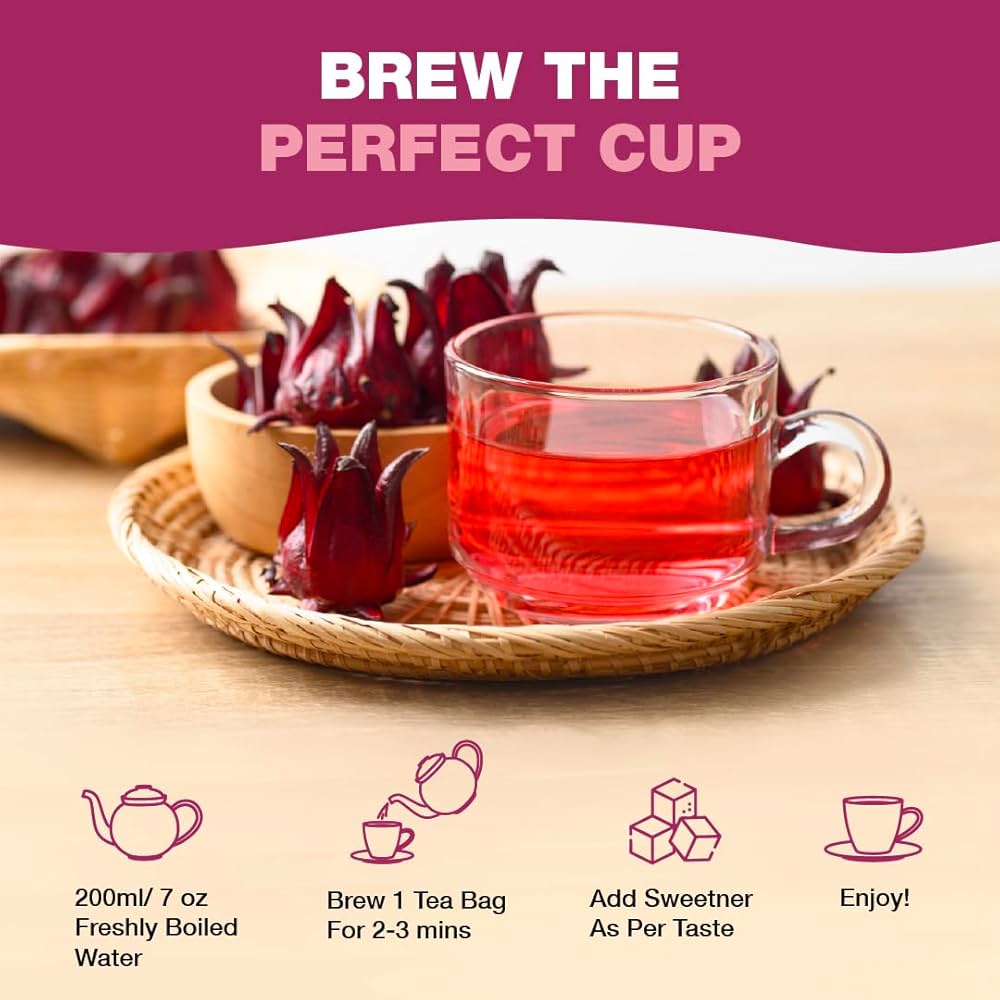
Are you wondering how much hibiscus tea you should use per cup to get the perfect flavor and benefits? Getting the right amount can make all the difference between a tasty, refreshing drink and one that’s too strong or too weak.
Whether you’re new to hibiscus tea or just want to improve your brew, knowing the right quantity helps you enjoy every sip. Keep reading, and you’ll discover the simple trick to making your hibiscus tea just right every time.

Credit: www.amazon.in
Choosing The Right Hibiscus
Hibiscus tea is a tasty drink with many benefits. Choosing the right hibiscus helps you make a better cup.
There are different types of hibiscus products to use. Each type changes the flavor and strength of your tea.
Dried Flowers Vs. Tea Bags
Dried hibiscus flowers give a strong, fresh taste. You can control how much you use for each cup.
Tea bags are easy and quick. They have a milder flavor but are less flexible in strength.
- Dried flowers offer more flavor control
- Tea bags are convenient and fast
- Dried flowers need straining after brewing
- Tea bags create less mess
Quality Indicators
Good quality hibiscus is bright red and smells fresh. Avoid dull or brownish flowers.
Check for clean packaging without dust or broken pieces. This shows good care in handling.
- Bright red color means fresh hibiscus
- Strong floral aroma signals quality
- Minimal dust and broken parts
- Proper sealed packaging
Organic Vs. Conventional
Organic hibiscus is grown without synthetic chemicals. It may have a cleaner taste and fewer residues.
Conventional hibiscus is usually cheaper. It may contain pesticide residues but is safe if washed well.
- Organic means no synthetic pesticides
- May cost more than conventional
- Conventional is more affordable
- Washing reduces residues on both types

Credit: www.amazon.co.uk
Measuring Hibiscus For One Cup
Hibiscus tea is a popular herbal drink known for its tart flavor and vibrant color. To get the best taste, you need to measure the hibiscus petals correctly for one cup.
Measuring hibiscus well helps you enjoy a balanced flavor without it being too strong or too weak. Here are some tips on how to measure it.
Ideal Amount In Grams
The perfect amount of dried hibiscus for one cup is about 2 to 3 grams. This weight gives a good balance of flavor and color.
| Amount (grams) | Effect |
| 1 gram | Very light taste |
| 2-3 grams | Ideal balance |
| 4 grams | Strong and tart |
Adjusting For Strength
You can change the hibiscus amount to suit your taste. Use less for a mild flavor and more for a stronger cup.
- Start with 2 grams of dried hibiscus.
- Brew and taste the tea.
- Add 0.5 grams more if you want it stronger.
- Reduce the amount if it is too tart.
Using Teaspoons And Tablespoons
Not everyone has a scale to measure grams. You can use teaspoons or tablespoons as a guide.
- 1 teaspoon of dried hibiscus is about 1.5 grams.
- 2 teaspoons equal roughly 3 grams.
- 1 tablespoon is about 4.5 grams.
Water Temperature And Steeping Time
Hibiscus tea is a refreshing drink made from dried hibiscus petals. The taste depends on how you brew it. Water temperature and steeping time are very important.
Using the right temperature and steeping time brings out the best flavor. Too hot or too long can change the taste.
Optimal Brewing Temperature
Use water that is hot but not boiling. The best temperature is between 190°F and 205°F (88°C to 96°C). This helps the tea release its color and flavor without burning.
Boiling water can make the tea taste bitter. Let boiling water cool for a minute before pouring over the hibiscus petals.
Steeping Duration For Flavor
Steep hibiscus tea for 5 to 7 minutes for a balanced taste. This time allows the tea to become rich and tangy.
If you want a stronger flavor, you can steep up to 10 minutes. Shorter steeping gives a lighter, milder taste.
- 5–7 minutes: balanced flavor and color
- Under 5 minutes: lighter taste
- 7–10 minutes: stronger and more tart
Effects Of Over-steeping
Steeping hibiscus tea too long can make it bitter and sour. The flavor may become harsh and less enjoyable.
Over-steeping also extracts more tannins, which cause bitterness. It is best to avoid steeping longer than 10 minutes.
- More than 10 minutes: bitter taste
- Excess tannins cause dryness in the mouth
- Flavors become unbalanced and sharp
Enhancing Flavor And Sweetness
Hibiscus tea has a tart and floral taste. Adjusting how much tea you use can change its flavor strength.
Adding natural sweeteners and spices can balance the tartness. These additions make the tea taste smoother and more enjoyable.
Natural Sweeteners To Add
Hibiscus tea can be a bit sour. Adding natural sweeteners helps reduce tartness without hiding the flavor.
Try honey, maple syrup, or agave syrup. These sweeteners blend well and add a mild sweetness.
- Honey adds a smooth, floral sweetness
- Maple syrup brings a rich, earthy taste
- Agave syrup offers a light, neutral sweetness
- Stevia is a low-calorie sweetener option
Citrus And Spice Infusions
Adding citrus fruits like lemon or orange boosts hibiscus tea’s fresh flavor. The citrus cuts the tea’s tartness.
Spices such as cinnamon or ginger add warmth and depth. They make the tea taste richer without extra sugar.
- Lemon slices or juice enhance brightness
- Orange peel adds subtle sweetness and aroma
- Cinnamon sticks create a warm, spicy note
- Fresh ginger slices add a zesty kick
Serving Hot Or Cold
Hibiscus tea tastes great hot or cold. Sweetness and flavor may change with temperature.
Hot tea releases more aroma and feels comforting. Cold tea refreshes and cools on warm days.
- Use less sweetener in hot tea to avoid overpowering
- Add ice for cold tea to dilute tartness slightly
- Cold tea benefits from extra citrus or sweetener
- Serve hot tea fresh for best flavor
Health Benefits And Considerations
Hibiscus tea is a popular herbal drink known for its bright color and tart flavor. People enjoy it for its possible health benefits and refreshing taste.
This guide covers how much hibiscus tea you can drink per cup, its health benefits, and important considerations.
Antioxidant Properties
Hibiscus tea contains antioxidants that help protect cells from damage. These antioxidants may lower the risk of some diseases.
- Rich in vitamin C
- Contains flavonoids and anthocyanins
- Helps reduce inflammation
- Supports immune system health
Potential Side Effects
While hibiscus tea is safe for most people, some may experience side effects. It can interact with certain medicines or cause allergic reactions.
- May lower blood pressure too much
- Can cause allergic reactions in some individuals
- Not recommended during pregnancy without doctor advice
- May interfere with some medications like acetaminophen
Recommended Daily Intake
Drinking hibiscus tea in moderation is key. Too much may cause unwanted effects. Below is a guide for daily intake per cup size.
| Cup Size | Recommended Amount of Hibiscus Tea |
| 8 oz (240 ml) | 1 to 2 cups per day |
| 12 oz (355 ml) | 1 to 1.5 cups per day |
| 16 oz (475 ml) | 1 cup per day |

Credit: www.amazon.com
Frequently Asked Questions
How Much Hibiscus Tea Should I Use Per Cup?
For a perfect cup, use one teaspoon of dried hibiscus petals. This ensures a balanced flavor without overpowering tartness. Adjust the quantity based on your taste preference. Steep the tea for 5 to 10 minutes for optimal flavor. Enjoy your refreshing hibiscus tea hot or iced.
Can I Use Fresh Hibiscus Flowers For Tea?
Yes, fresh hibiscus flowers can be used for tea. Use about two to three fresh petals per cup. Fresh flowers offer a more vibrant flavor compared to dried ones. Make sure to wash them thoroughly before steeping. Adjust the steeping time based on your desired taste intensity.
Is Hibiscus Tea Caffeine-free?
Yes, hibiscus tea is naturally caffeine-free. It’s a great alternative for those avoiding caffeine. This makes it ideal for any time of day. Enjoy its tart, cranberry-like flavor without the jitters. Hibiscus tea is not only refreshing but also healthy and calming.
What Are The Health Benefits Of Hibiscus Tea?
Hibiscus tea offers several health benefits, including aiding digestion and lowering blood pressure. It’s rich in antioxidants, which help combat free radicals. The tea may also support healthy cholesterol levels. Enjoy it regularly as part of a balanced diet for optimal health benefits.
Conclusion
A good cup of hibiscus tea needs about one to two teaspoons per cup. Steeping time affects the taste and strength too. Too much hibiscus can make the tea bitter. Drinking it in moderation keeps the flavor balanced and pleasant.
Enjoy your tea warm or cold, as you like. Remember, simple steps make the best cup every time. Give it a try and find your perfect amount.