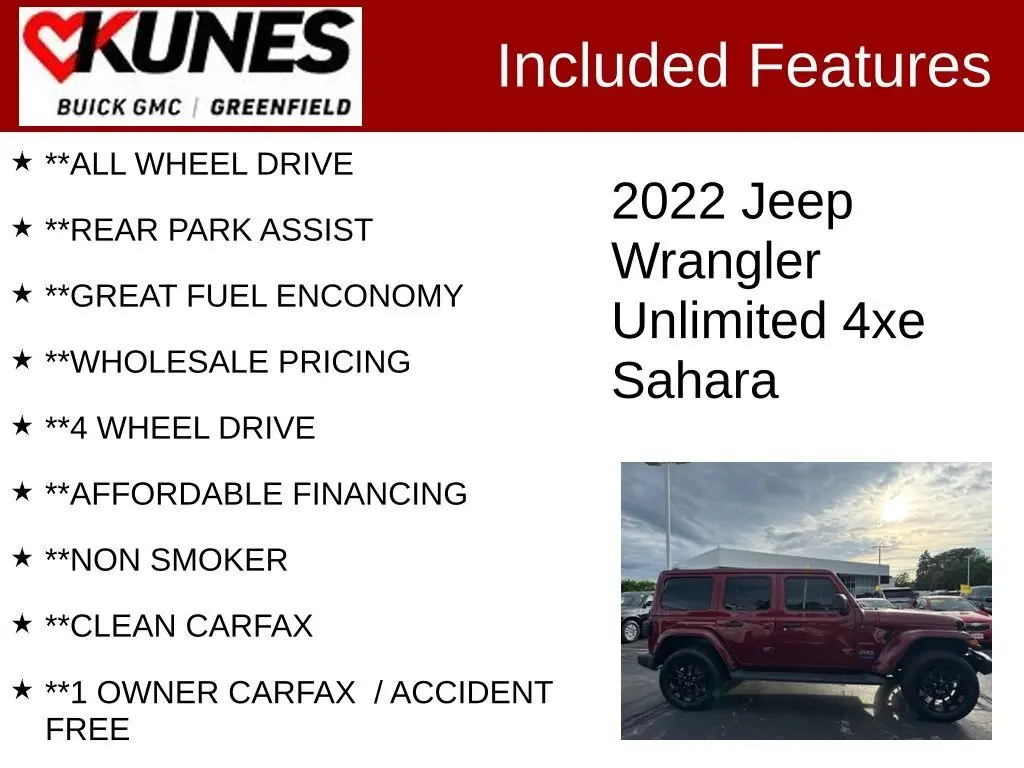
Are you curious about how much you’ll spend on gas each month for your Jeep Wrangler? Whether you’re planning your budget or just want to avoid surprises at the pump, knowing your monthly fuel costs can make a big difference.
Gas prices can feel unpredictable, but understanding what affects your Jeep’s fuel use puts you in control. Keep reading to find out exactly what influences your gas expenses and how you can manage them better. This information will help you drive smarter and save money every month.

Credit: www.fosscars.com
Fuel Efficiency Of Jeep Wrangler
The fuel efficiency of a Jeep Wrangler plays a big role in deciding your monthly gas expenses. Understanding how different factors affect mileage can help you plan your budget better and make smarter driving choices. Let’s break down what influences your Wrangler’s fuel consumption and what you can expect on the road.
City Vs Highway Mileage
The Jeep Wrangler typically has different fuel efficiency ratings for city and highway driving. City mileage tends to be lower because stop-and-go traffic uses more fuel, while highway mileage benefits from steady speeds and less braking.
For example, a Jeep Wrangler might get around 17-19 miles per gallon (mpg)in the city but improve to 23-25 mpgon the highway. This gap means your monthly gas costs will vary depending on where and how much you drive.
Think about your daily routine—do you mostly drive in the city, or do you take longer highway trips? This question can help you estimate your fuel expenses more accurately.
Impact Of Engine Types
The engine type in your Jeep Wrangler greatly affects fuel efficiency. The standard 4-cylinder engine generally offers better mileage than the more powerful V6 or turbocharged options.
For instance, the 2.0L turbocharged 4-cylinder engine balances power and efficiency, often delivering better fuel economy than the 3.6L V6. However, if you choose the V6 for towing or off-road performance, expect higher gas consumption.
Choosing the right engine depends on your priorities: do you want to save on fuel or need extra power for your adventures? Knowing this helps you make a choice that suits your lifestyle and gas budget.

Credit: www.citycdjrfbrookfield.com
Average Monthly Gas Consumption
Determining the average monthly gas consumption for a Jeep Wrangler can be a bit of a puzzle, yet it’s crucial for budgeting and planning. This task requires a good understanding of your driving habits and the vehicle’s fuel efficiency. With a bit of calculation, you can anticipate how much you might be spending on gas each month.
Estimating Daily Driving Distance
The first step in estimating your monthly gas consumption is to identify your typical daily driving distance. Consider your daily commute, trips to the grocery store, and weekend adventures. Do you drive 10 miles, 20 miles, or even more every day?
If you’re unsure, keep a log of your mileage for a week to get a clearer picture. Multiply your daily average by 30 to estimate your monthly driving distance. Knowing this number is key to calculating your fuel usage.
Calculating Monthly Fuel Usage
Now that you have your estimated monthly mileage, you can calculate how much fuel your Jeep Wrangler uses. On average, a Jeep Wrangler gets about 17 to 25 miles per gallon (mpg), depending on the model and driving conditions. Let’s say your Wrangler gets 20 mpg.
Divide your total monthly mileage by your mpg to find out how many gallons of gas you use. For instance, if you drive 600 miles a month, you would use roughly 30 gallons of gas. This simple calculation can help you budget more effectively for your monthly gas expenses.
Have you considered how your driving habits affect your gas consumption? Speeding or frequent braking can reduce your mpg, leading to higher fuel costs. Paying attention to these details can save you money and extend your vehicle’s life.
Current Gas Prices And Trends
Tracking current gas prices and understanding their trends can help you estimate how much you might spend fueling your Jeep Wrangler each month. Gas prices don’t stay the same everywhere or throughout the year. Knowing what affects these changes can make budgeting easier and prevent surprises at the pump.
Regional Price Variations
Gas prices vary significantly depending on where you live. States with higher taxes or stricter environmental regulations often have pricier gas. For example, California usually has some of the highest gas prices in the country due to its unique fuel blends and taxes.
On the other hand, places like Texas or Oklahoma tend to offer cheaper gas because of lower taxes and proximity to oil refineries. If you live in or near urban areas, expect prices to be slightly higher due to increased demand and transportation costs.
Have you noticed how your gas station’s price changes compared to the next town over? This local variation can add up, especially if you’re filling up your Jeep Wrangler frequently.
Seasonal Fluctuations
Gas prices usually rise in the spring and summer months. This happens because more people hit the road, increasing demand. Also, refineries switch to cleaner-burning summer fuel blends, which cost more to produce.
In winter, gas prices often drop as demand falls and refineries revert to cheaper fuel blends. However, unexpected events like hurricanes or supply chain disruptions can cause sudden spikes any time of the year.
Planning your trips or fill-ups around these trends can save you money. Would shifting your driving habits slightly during peak seasons help reduce your monthly gas expenses?
Monthly Gas Cost Estimates
Understanding your monthly gas costs for a Jeep Wrangler can help you budget better and make informed decisions about your driving habits. These costs vary widely depending on where and how you drive. Let’s break down the typical expenses you might encounter in city, highway, and mixed driving scenarios.
Cost For City Driving
City driving often means stop-and-go traffic, which lowers fuel efficiency. Jeep Wranglers usually get around 17 miles per gallon (mpg) in the city. If you drive about 1,000 miles per month in urban areas and gas costs $3.50 per gallon, your monthly fuel bill would be approximately $206.
- City mileage: ~17 mpg
- Monthly miles: 1,000
- Gas price: $3.50 per gallon
- Monthly cost: (1,000 ÷ 17) × $3.50 ≈ $206
Have you noticed your fuel gauge dropping faster in traffic jams? It’s a common experience with Wranglers, so planning routes with less congestion can save you money.
Cost For Highway Driving
Highway driving typically improves fuel efficiency. The Jeep Wrangler averages about 23 mpg on the highway. For a 1,000-mile monthly commute, the gas cost would be closer to $152 when gas prices stay around $3.50 per gallon.
- Highway mileage: ~23 mpg
- Monthly miles: 1,000
- Gas price: $3.50 per gallon
- Monthly cost: (1,000 ÷ 23) × $3.50 ≈ $152
Think about your longest drives. Could shifting more miles to the highway side reduce your fuel expenses? Many Wrangler owners find this small change adds up significantly over time.
Mixed Driving Cost Analysis
Most drivers experience a mix of city and highway conditions. Let’s say you drive 60% in the city and 40% on the highway each month. Using the same $3.50 gas price and 1,000 monthly miles, your fuel cost would balance out to roughly $181.
| Driving Type | Percentage | Miles | MPG | Gallons Used | Cost |
|---|---|---|---|---|---|
| City | 60% | 600 | 17 | 35.29 | $123.52 |
| Highway | 40% | 400 | 23 | 17.39 | $60.87 |
| Total | 100% | 1,000 | — | 52.68 | $184.39 |
Does this mixed cost match your experience? Tracking your own mileage split could highlight ways to adjust your driving and save on gas. Even small changes in where you drive can affect your monthly expenses more than you realize.
Factors Influencing Gas Expenses
Gas expenses for a Jeep Wrangler depend on several key factors. Understanding these can help estimate monthly fuel costs better. Each factor affects how much fuel the vehicle uses and how often you need to refuel. Small changes in habits or maintenance can lower fuel consumption significantly.
Driving Habits
Driving style greatly impacts gas use. Rapid acceleration and hard braking waste fuel. Steady speeds save more gas. Long trips on highways often use less fuel than stop-and-go city driving. Idling for long periods also increases gas expenses. Planning routes and driving smoothly can reduce monthly fuel costs.
Vehicle Maintenance
Keeping the Jeep in good shape helps fuel efficiency. Clean air filters allow the engine to breathe better. Proper tire pressure reduces rolling resistance. Regular oil changes keep the engine running smoothly. Worn spark plugs or dirty fuel injectors lower gas mileage. Simple upkeep can lead to noticeable fuel savings each month.
Fuel Type Choices
Choosing the right fuel affects costs. The Jeep Wrangler often requires premium gas, which costs more per gallon. Using regular gas might save money but can reduce performance and efficiency. Some drivers use additives or alternative fuels to improve mileage. Checking the owner’s manual ensures the best fuel choice for your Jeep.
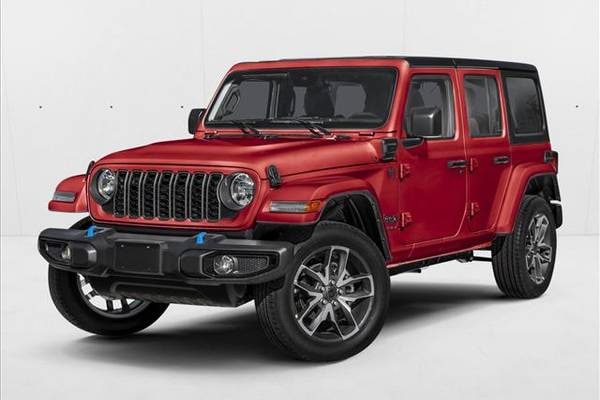
Credit: www.edmunds.com
Tips To Reduce Gas Costs
Reducing gas costs for your Jeep Wrangler can make a big difference in your monthly expenses. Small changes in how you drive and care for your vehicle help save fuel. Simple habits can keep your tank fuller and your wallet happier.
Explore smart ways to spend less on gas without changing your Jeep or daily routine much.
Efficient Driving Techniques
- Avoid sudden starts and stops to save fuel.
- Drive at steady speeds on highways.
- Use cruise control on long, flat roads.
- Turn off the engine if stopped more than a minute.
- Lighten your load by removing extra weight.
- Plan routes to avoid heavy traffic and long idling.
Regular Vehicle Upkeep
- Check tire pressure monthly; low pressure wastes gas.
- Replace air filters to improve engine efficiency.
- Use the recommended motor oil for your Jeep.
- Keep the engine tuned and spark plugs clean.
- Fix leaks and worn parts quickly.
- Regularly check your fuel system for issues.
Using Fuel Rewards And Discounts
- Join gas station loyalty programs for points and savings.
- Use credit cards that offer fuel cashback or discounts.
- Look for local promotions on fuel prices.
- Buy fuel during cheaper hours or days if possible.
- Combine errands to reduce trips and save fuel.
Frequently Asked Questions
How Much Gas Does A Jeep Wrangler Use Monthly?
A Jeep Wrangler typically uses about 60 to 80 gallons of gas monthly. This depends on your driving habits, fuel prices, and the model’s fuel efficiency.
What Affects Monthly Gas Costs For A Jeep Wrangler?
Monthly gas costs depend on mileage, fuel price, driving conditions, and engine size. Heavy off-road use or city driving often increases fuel consumption.
How To Estimate Monthly Fuel Expenses For A Jeep Wrangler?
Multiply your average monthly miles by the Jeep’s MPG, then multiply by current gas prices. This gives a good estimate of your monthly fuel costs.
Is Fuel Efficiency Good For Jeep Wranglers?
Jeep Wranglers generally have moderate fuel efficiency, averaging around 17-25 MPG. Newer models with advanced engines offer better mileage than older versions.
Conclusion
Fuel costs for a Jeep Wrangler depend on driving habits and fuel prices. Regular trips and city driving can raise monthly expenses. Choosing fuel-efficient routes and maintaining your vehicle helps save money. Keep an eye on gas prices in your area.
Knowing these factors can help you plan your budget better. Jeep Wranglers offer great fun but need fuel to run. Managing fuel use smartly keeps costs steady and predictable.