
Are you thinking about freezing your eggs but wonder how much it will actually cost? Understanding the price can help you plan better and ease any worries you might have.
Freezing eggs is a big decision, and knowing the financial side is just as important as the medical process. You’ll get clear, straightforward answers about the costs involved, so you can take control of your future with confidence. Keep reading to find out what you need to know before taking this important step.
Egg Freezing Basics
Freezing eggs usually costs between $6,000 and $15,000 per cycle. This price covers hormone treatments, egg retrieval, and storage fees. Additional costs may apply depending on the clinic and location.
Egg freezing has gained traction as a viable option for women looking to preserve their fertility. Understanding the basics of this process can empower you to make informed decisions about your future. Whether you’re considering it for personal or medical reasons, knowing the ins and outs can help you navigate this journey with confidence.What Is Egg Freezing?
Egg freezing, or oocyte cryopreservation, is a technique used to preserve a woman’s eggs. This procedure involves stimulating the ovaries with hormones, retrieving the eggs, and then freezing them for future use. The frozen eggs can later be thawed, fertilized, and implanted when you’re ready to start a family.Reasons To Freeze Eggs
Women choose to freeze their eggs for various reasons. Some do it to extend their fertility window, allowing them to focus on their careers or personal goals without the pressure of a ticking biological clock. Others may face medical treatments, like chemotherapy, that threaten their fertility, making egg freezing a proactive step. Consider your own life circumstances and future plans. Is freezing your eggs a pathway to peace of mind? It’s essential to weigh your options and discuss them with a healthcare professional to see if it’s the right choice for you.Cost Breakdown
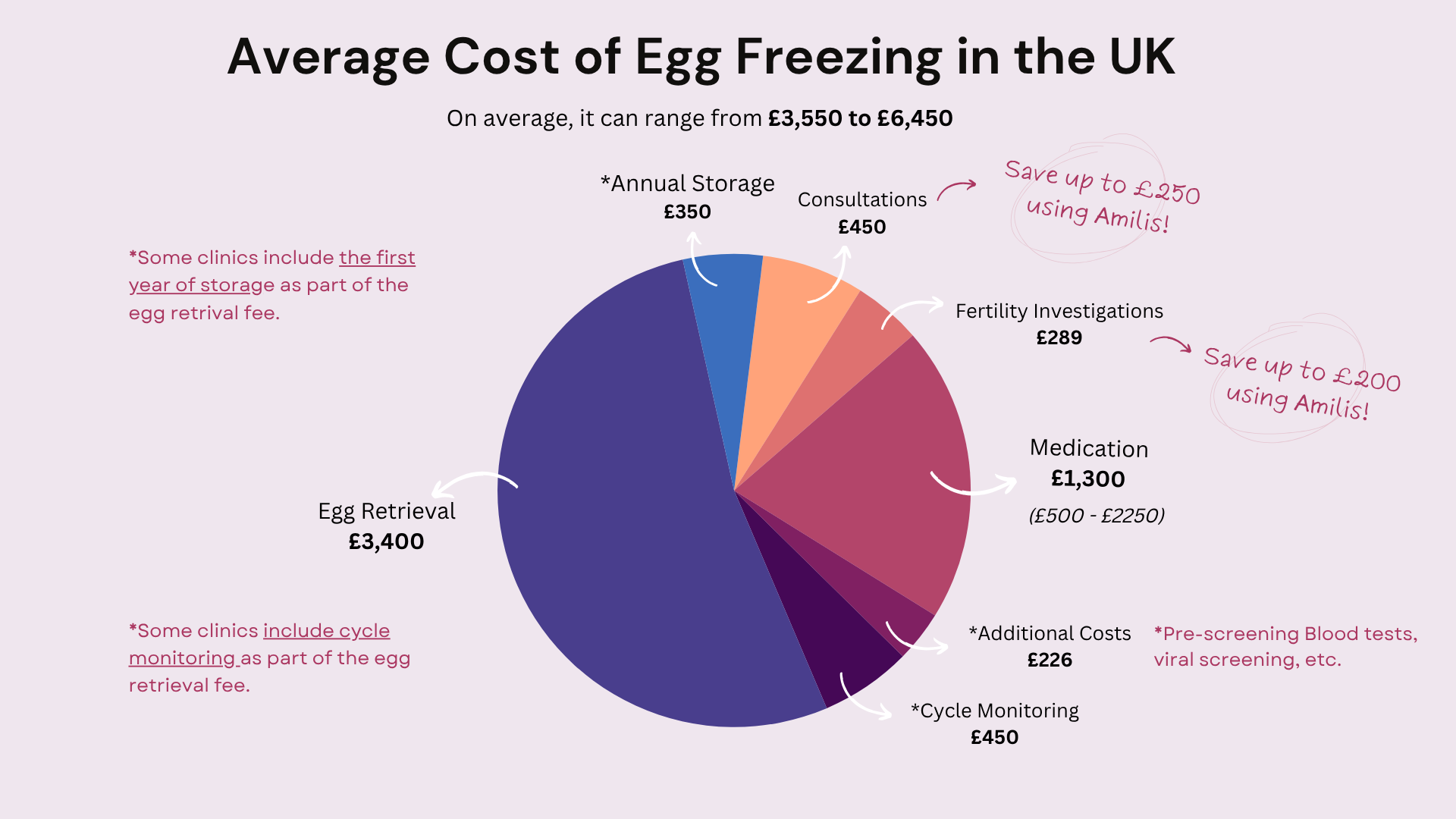
Understanding the cost breakdown helps plan your egg freezing journey clearly. The total price includes several parts, each essential for the process. Knowing these costs prevents surprises and aids budgeting.
Initial Consultation Fees
The first step involves a consultation with a fertility specialist. This fee covers health assessments and discussing your options. It usually ranges from $200 to $500.
Medication Expenses
Medications stimulate the ovaries to produce multiple eggs. These drugs can cost between $2,000 and $5,000 per cycle. The price varies based on the medication type and dosage.
Procedure Charges
The egg retrieval process takes place in a clinic or hospital. Procedure fees include anesthesia and ultrasound guidance. Costs typically fall between $6,000 and $10,000 per cycle.
Storage Fees
After freezing, eggs require safe storage in a cryogenic facility. Storage fees are usually charged yearly. Expect to pay around $500 to $1,000 annually.
Additional Costs To Consider
- Blood tests and hormone level checks
- Genetic testing for embryos
- Future IVF treatments using frozen eggs
- Travel and accommodation if the clinic is far
Factors Influencing Price
Several factors affect the cost of freezing eggs. Understanding these can help you plan your budget better. Prices vary widely based on different elements tied to the procedure and location.
Geographic Location
Prices differ across cities and countries. Large cities usually have higher costs due to living expenses. Rural or smaller towns might offer cheaper options. Travel and accommodation can also impact the total expense.
Clinic Reputation
Top-rated clinics often charge more. They invest in advanced technology and experienced staff. Quality care and better success rates can justify higher prices. Less-known clinics might be cheaper but vary in quality.
Number Of Cycles Needed
One cycle may not be enough to freeze a sufficient number of eggs. More cycles increase the overall cost. The number depends on your age and ovarian reserve. Doctors usually recommend multiple cycles for better results.
Insurance Coverage
Most insurance plans do not cover egg freezing. Some employers offer fertility benefits that reduce costs. Always check your policy before starting treatment. Out-of-pocket expenses can be significant without coverage.

Credit: happymoneysaver.com
Financial Assistance Options
Freezing your eggs can be a significant financial commitment, but there are several options that might ease the burden. Understanding these financial assistance opportunities can help you make informed decisions without compromising your future plans. Have you checked what kind of support you might qualify for yet?
Insurance Plans
Some insurance providers now cover parts of the egg freezing process, especially if it’s for medical reasons like cancer treatment. Coverage varies widely, so it’s crucial to review your policy or speak directly with your insurer. Even if full coverage isn’t available, partial benefits might reduce your out-of-pocket expenses significantly.
Payment Plans
Many fertility clinics offer payment plans that spread the cost over several months or years. This can make the upfront expense more manageable and help you avoid financial strain. Ask your clinic if they provide interest-free options or flexible terms to fit your budget.
Grants And Scholarships
Several organizations offer grants or scholarships specifically for egg freezing, often based on financial need or specific criteria like age or medical conditions. Applying for these can be competitive, but it’s worth investing time to see if you qualify. Have you considered researching local or national programs to support your egg freezing journey?
Comparing Clinics
Choosing the right clinic for egg freezing involves more than just price. Clinics differ in services, success rates, and patient care. Comparing these factors helps you find the best option for your needs and budget. Take time to research and weigh your choices carefully.
What To Look For
- Clinic reputation and reviews from past patients
- Success rates for egg retrieval and preservation
- Experience and qualifications of fertility specialists
- Availability of advanced technology and lab facilities
- Support services like counseling and follow-up care
Questions To Ask
- What is included in the total cost of freezing eggs?
- Are there any hidden or additional fees?
- How many cycles are typically recommended?
- What are the clinic’s success rates for future IVF with frozen eggs?
- What is the protocol for egg storage and how long can eggs be stored?
- Are consultations and monitoring appointments included?
Evaluating Value Vs Cost
Compare the price alongside what the clinic offers. Low cost might mean fewer services or lower success rates. Higher fees can include better care and advanced techniques. Balance cost with quality to get the best outcome. Consider long-term expenses, such as storage and future IVF costs. Investing in a trusted clinic can save stress and money later.

Credit: happymoneysaver.com
Long-term Considerations
Freezing your eggs is a big decision, and it’s important to think beyond the initial procedure. Long-term considerations can affect your overall experience and your future plans. Understanding these factors helps you manage expectations and make informed choices about your fertility journey.
Storage Duration And Costs
Eggs can be stored for many years, often up to 10 years or more, depending on the clinic and local regulations. However, longer storage means higher costs, usually charged annually. You might pay anywhere from $500 to $1,000 each year just to keep your eggs frozen.
Think about how long you expect to delay pregnancy and factor those storage fees into your budget. Have you considered what happens if you stop paying? Some clinics will discard eggs after a certain period of non-payment, which can be a difficult reality to face.
Future Fertility Treatments
Freezing eggs is only the first step. When you decide to use them, you’ll likely need fertility treatments like IVF to achieve pregnancy. These treatments come with additional costs that can range from $12,000 to $15,000 per cycle.
Success rates vary based on your age at freezing and the number of eggs stored. You might need more than one cycle to reach your goal, so it’s important to prepare financially and emotionally for the next phase. Are you ready to face the complexities of future treatments after egg freezing?
Emotional And Physical Impact
Egg freezing involves hormone injections and procedures that can affect your body and mood. Some women experience bloating, mood swings, or fatigue during the process. It’s normal to feel overwhelmed or uncertain about the future.
Emotionally, the waiting period after freezing can be challenging. You may wrestle with questions about timing, relationship changes, or even doubts about the procedure itself. How will you support your mental health through this journey?
Credit: www.amilis.co.uk
Frequently Asked Questions
How Much Does It Cost To Freeze Eggs?
Egg freezing typically costs between $6,000 and $15,000 per cycle. This includes ovarian stimulation, egg retrieval, and freezing. Additional fees for medication and storage may apply. Prices vary by clinic and location.
Are There Ongoing Fees After Egg Freezing?
Yes, there are annual storage fees, usually ranging from $500 to $1,000. These fees cover the cost of keeping your eggs preserved in cryogenic storage. Clinics bill these fees yearly until you use or discard your eggs.
Does Insurance Cover Egg Freezing Costs?
Most insurance plans do not cover egg freezing, considering it elective. However, some employers offer fertility benefits including egg freezing coverage. It is best to check your specific insurance policy or employer benefits.
How Many Eggs Can I Freeze In One Cycle?
On average, 8 to 15 eggs can be frozen per stimulation cycle. The number depends on your age, ovarian reserve, and response to hormones. More eggs increase the chance of successful pregnancy later.
Conclusion
Egg freezing costs vary based on location and clinic. You pay for tests, medication, and the procedure itself. Some choose to freeze eggs to delay pregnancy for personal reasons. Understanding the price helps you plan your budget well. Remember, quality care matters more than the cost alone.
Talk to a doctor to get a clear estimate. Egg freezing offers more control over your future family plans. Think it through carefully before making a decision.