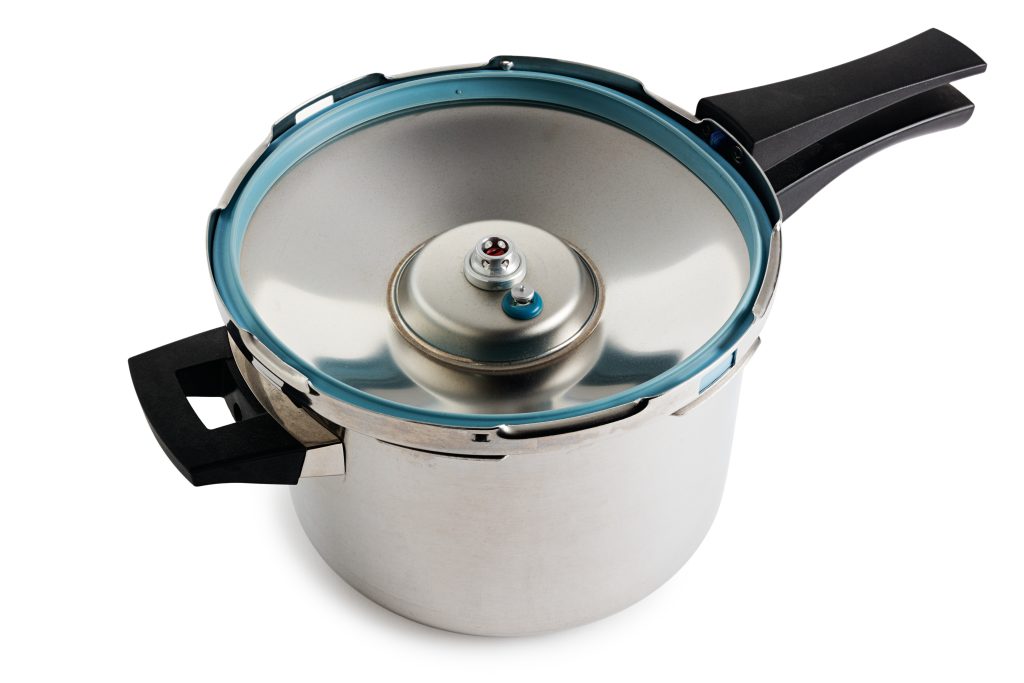
Have you ever wondered how much pressure is really inside your pressure cooker? Knowing the right pressure level can make all the difference in how your food turns out—whether it’s perfectly tender or overcooked.
If you want to cook faster, save energy, and keep your meals delicious every time, understanding this simple yet crucial detail is key. Keep reading, and you’ll discover exactly how much pressure your pressure cooker uses and why it matters for your cooking success.
Pressure Levels In Cookers
Pressure cookers use steam pressure to cook food faster. The pressure inside the cooker raises the boiling point of water. This helps food cook quickly and evenly.
Different pressure levels affect cooking times and food texture. Knowing common pressure settings helps you choose the right one for your recipe.
Common Pressure Settings
Most pressure cookers have two main pressure levels: low and high. Each level changes how fast your food cooks and how tender it becomes.
- Low Pressure:About 6 to 8 psi (pounds per square inch). Used for delicate foods like fish and vegetables.
- High Pressure:About 10 to 15 psi. Used for tougher foods like meat and beans.
- Medium Pressure:Some cookers offer a medium setting around 8 to 10 psi. It balances cooking speed and texture.
Choosing the right pressure level helps keep food moist and flavorful. It also prevents overcooking or undercooking.
Measuring Pressure
Pressure cookers have gauges or indicators to show the pressure inside. These tools help you monitor and control cooking pressure safely.
| Type of Gauge | Description | Pressure Range |
|---|---|---|
| Dial Gauge | Displays exact pressure on a dial. | 0 to 15 psi |
| Weighted Gauge | Makes a hissing sound when pressure is high. | Usually set at 10 or 15 psi |
| Indicator Pin | Rises when pressure builds up. | Shows low or high pressure |
Always check the gauge before starting and during cooking. This ensures you use the right pressure and cook safely.

Credit: modernistcuisine.com
Factors Affecting Pressure
Pressure cookers work by building steam pressure inside a sealed pot. This pressure helps cook food faster than normal cooking methods.
Several factors change how much pressure builds in a pressure cooker. Knowing these factors helps you use the cooker safely and well.
Altitude Impact
Altitude affects pressure cooker performance because air pressure changes at different heights. Higher altitudes have lower air pressure.
Lower outside pressure means the cooker’s steam pressure also lowers. This can make food take longer to cook.
- At sea level, pressure cookers reach normal pressure easily.
- At high altitudes, the cooker needs more time to reach pressure.
- Some cookers have settings for high altitudes to adjust pressure.
Type Of Food
Different foods affect the pressure inside the cooker. Foods with more water create more steam and pressure.
Dense foods like beans or meats take longer to cook and keep pressure steady. Soft foods release steam faster and reduce pressure quicker.
- Watery foods increase steam and pressure fast.
- Dry foods need more time to build pressure.
- Thick sauces or pastes can block steam release valves.
Cooker Design
The design of the pressure cooker changes how much pressure it can hold. Different models have different pressure limits.
Cookers with strong seals and safety valves keep pressure better. Some have adjustable pressure settings for different cooking needs.
- Heavy-duty seals improve pressure retention.
- Multiple safety valves control steam release.
- Adjustable pressure settings allow cooking flexibility.
Safety Mechanisms
Pressure cookers build high pressure to cook food fast. Safety mechanisms keep the pressure cooker safe during use. These parts help control pressure and stop accidents.
Understanding these safety features helps you use your pressure cooker with confidence and care.
Pressure Release Valves
Pressure release valves let steam escape when pressure gets too high. They stop pressure from rising beyond safe limits. Some valves release steam slowly, while others pop open quickly.
- Release steam to lower pressure
- Prevent pressure buildup inside cooker
- Make cooking safer by controlling pressure levels
- Can be manual or automatic
Locking Systems
Locking systems stop the lid from opening under pressure. They keep the lid tightly sealed during cooking. This prevents steam from escaping suddenly.
| Type | Function |
| Mechanical Lock | Lid locks automatically under pressure |
| Safety Lock | Prevents lid opening if pressure is high |
| Pressure Indicator | Shows if pressure is inside cooker |
Overpressure Protection
Overpressure protection stops dangerous pressure levels. It uses extra valves or fusible plugs that melt or open at high pressure. This lets steam escape fast.
Common overpressure protection features:
- Secondary safety valves
- Fusible plugs made of metal that melts
- Pressure sensors that trigger release

Credit: www.amazon.ca
Optimizing Cooking Efficiency
Pressure cookers speed up cooking by using high pressure and heat. Using the right pressure helps cook food evenly and quickly.
Understanding how to control pressure can save energy and improve results in your kitchen.
Adjusting Pressure For Recipes
Different foods need different pressure levels. High pressure cooks tough foods faster. Lower pressure suits delicate foods.
- Use high pressure for beans, meats, and grains.
- Use low pressure for vegetables and fish.
- Follow recipe instructions for pressure settings.
- Adjust pressure if you change cooking time or ingredients.
Maintaining Consistent Pressure
Keep the pressure steady for even cooking. Avoid opening the cooker during cooking. Check the seal and valve before use.
| Tip | Why It Matters |
| Check rubber gasket | Prevents pressure leaks |
| Keep heat steady | Maintains constant pressure |
| Do not overfill | Allows proper steam buildup |
| Use correct lid locking | Ensures safety and pressure |
Energy Saving Tips
Pressure cookers save energy by cooking faster. Use these tips to save more energy in your kitchen.
- Use the right pressure to reduce cooking time.
- Turn off heat as soon as cooking finishes; use residual heat.
- Cook larger portions to save energy on future meals.
- Keep the pressure cooker clean for better heat transfer.
Common Issues And Solutions
Pressure cookers are handy for quick meals. Still, they can face issues related to pressure levels. Knowing common problems helps keep your cooker safe and efficient.
This guide covers pressure drops, excessive pressure, and seal or gasket problems. Each section explains causes and fixes for these issues.
Pressure Drops
Pressure drops happen when the cooker cannot keep the pressure steady. This slows cooking and may cause food to be undercooked.
- Check if the lid is closed tightly and locked.
- Make sure the pressure valve is clean and not blocked.
- Inspect the gasket for cracks or damage that causes leaks.
- Use enough water inside the cooker to create steam.
- Avoid lifting the lid during cooking, which releases pressure.
Excessive Pressure
Too much pressure inside the cooker can be dangerous. It may cause steam to release suddenly or damage the cooker.
| Cause | Solution |
| Blocked pressure release valve | Clean the valve carefully with a brush |
| Using too much heat | Lower the stove temperature once pressure builds |
| Overfilled cooker | Fill only to the recommended level |
| Faulty pressure regulator | Replace the regulator if it is broken |
Seal And Gasket Problems
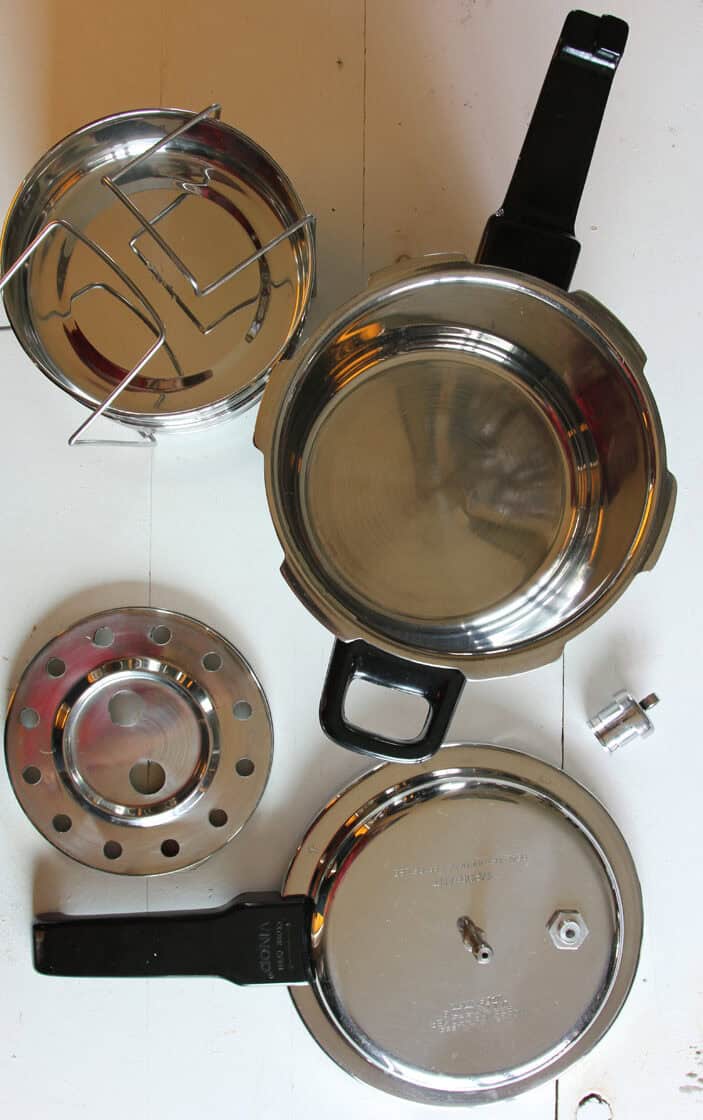
The gasket is the rubber ring that seals the lid. If it is worn or damaged, the cooker may leak steam or fail to pressurize.
Signs of gasket issues include:
- Steam escaping from the lid edges
- The cooker not reaching pressure
- Cracks or hard spots on the gasket
To fix gasket problems:
- Remove and clean the gasket regularly
- Replace the gasket every 1-2 years or when damaged
- Store the cooker with the lid upside down to keep the gasket flexible
Credit: www.butteredveg.com
Frequently Asked Questions
What Is The Ideal Pressure For A Pressure Cooker?
The ideal pressure for most pressure cookers is around 15 PSI (pounds per square inch). This pressure helps cook food quickly and efficiently. Always refer to your pressure cooker’s manual for specific guidelines, as some models may vary slightly in their pressure requirements.
How Do I Measure Pressure In A Pressure Cooker?
Pressure in a pressure cooker is typically measured in PSI. Many modern pressure cookers come with built-in pressure indicators. These indicators show when the desired pressure is reached. Always ensure your cooker is properly sealed to maintain accurate pressure levels.
Why Is Pressure Important In Cooking?
Pressure increases the boiling point of water, allowing food to cook faster. It also helps retain moisture and nutrients. This results in tastier and healthier meals. Proper pressure ensures even cooking and prevents undercooked or overcooked food.
Can I Adjust The Pressure In My Cooker?
Yes, most pressure cookers allow you to adjust the pressure settings. This is useful for cooking different types of food. Always follow the manufacturer’s instructions when adjusting pressure. Incorrect settings can affect cooking results and safety.
Conclusion
Pressure cookers work best at the right pressure level. Most cookers use 10 to 15 psi for quick, safe cooking. Too much pressure can be dangerous. Too little pressure means food takes longer to cook. Always follow the cooker’s instructions carefully.
Check the pressure gauge often while cooking. This helps keep meals tasty and safe. With the right pressure, you save time and energy. Cooking becomes easier and faster. Simple steps make a big difference in your kitchen. Stay safe and enjoy your meals every time.