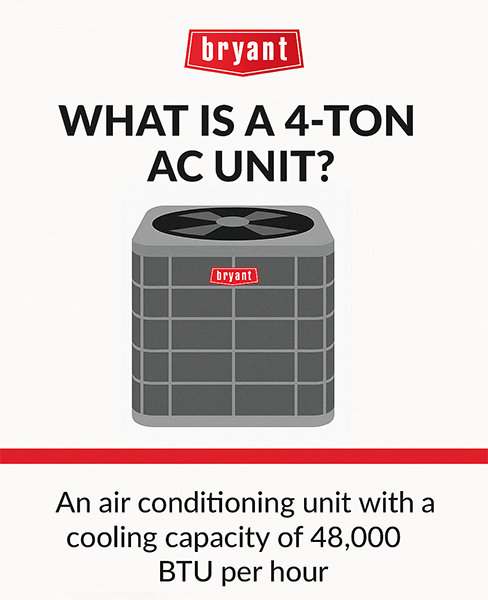
Are you wondering how much refrigerant your 4 ton AC unit needs? Knowing the right amount is crucial to keep your system running smoothly and efficiently.
Too little or too much refrigerant can cause serious problems, from higher energy bills to costly repairs. You’ll discover exactly how much refrigerant your 4 ton unit requires and why getting it right matters more than you think. Keep reading to protect your investment and stay cool all year long.
Refrigerant Basics
Understanding refrigerant basics helps to grasp how air conditioners work. Refrigerants are special fluids that transfer heat from inside a building to the outside. They cycle through the system, absorbing heat and releasing it. This process keeps indoor spaces cool and comfortable. Knowing the types and roles of refrigerants clarifies why proper refrigerant levels matter in a 4 ton unit.
Types Of Refrigerants
Several types of refrigerants exist, each with unique properties. Common refrigerants include:
- R-22: An older type, being phased out due to environmental concerns.
- R-410A: A popular, eco-friendlier option used in many modern units.
- R-134a: Mostly used in automotive air conditioning.
Choosing the right refrigerant ensures efficient cooling and system longevity.
Role Of Refrigerant In Cooling
Refrigerants absorb heat inside the home and release it outside. The fluid changes between liquid and gas during this process. This phase change moves heat effectively. Proper refrigerant levels keep this process smooth and efficient. Too little or too much refrigerant can reduce cooling power and damage the system.

Credit: www.master.ca
Factors Affecting Refrigerant Amount
Understanding the amount of refrigerant your 4 ton unit needs is not as simple as matching a number. Several factors influence the precise refrigerant charge, and getting this right ensures your system runs efficiently and lasts longer. Let’s look closer at what changes the refrigerant amount in your HVAC setup.
Unit Size And Capacity
The size of your unit directly affects how much refrigerant it requires. A 4 ton unit typically needs more refrigerant than smaller units, but even within the same capacity, different models might vary slightly.
Think about it like filling a tank: a larger tank obviously needs more fluid. If your unit size changes, so does the refrigerant volume. Have you noticed how sometimes two 4 ton units from different brands charge differently? That’s why size alone isn’t the full story.
Line Set Length
The distance between your indoor and outdoor units plays a key role in refrigerant needs. Longer line sets require additional refrigerant to fill the extra piping.
Every foot of copper tubing adds to the total volume the refrigerant must occupy. If you recently moved your outdoor unit farther from the indoor coil, this could be why you need more refrigerant than the standard chart suggests.
Manufacturer Specifications
Each manufacturer provides specific refrigerant charge guidelines. These specs account for the unit’s design and operating conditions.
Ignoring these recommendations can lead to undercharging or overcharging, harming system performance. Always check the manufacturer’s data plate or manual before adding refrigerant to your 4 ton unit.
Standard Refrigerant Charge For 4 Ton Units
Knowing the standard refrigerant charge for a 4 ton HVAC unit helps you maintain efficiency and avoid costly repairs. The right amount of refrigerant ensures your system cools effectively without wasting energy. But how much refrigerant does a typical 4 ton unit actually require?
Typical Refrigerant Quantity
Most 4 ton air conditioning units require roughly 4 to 5 poundsof refrigerant. This amount is based on the system being correctly sized for the space and functioning normally.
Technicians often use the manufacturer’s specifications as a guide, but they also check pressures and temperatures during installation or service. This helps confirm the refrigerant level is within the ideal range.
Have you ever noticed your AC running but not cooling as expected? An incorrect refrigerant charge might be the cause, either too little or too much.
Variations By Model And Brand
Different brands and models can slightly change how much refrigerant your 4 ton unit needs. Some newer, high-efficiency systems might require less refrigerant because of advanced design features.
For example, a 4 ton Carrier unit might need 4.2 pounds of R-410A refrigerant, while a similar size Trane model could require up to 4.8 pounds. Always check the label on your specific system.
Environmental regulations and refrigerant types also affect the quantity. Systems using R-22 refrigerant typically charge differently than those using R-410A, making it essential to know your unit’s requirements.
Measuring Refrigerant Charge
Measuring the refrigerant charge in a 4-ton air conditioning unit is crucial for maintaining its efficiency and prolonging its lifespan. Too little refrigerant can cause your system to work harder, while too much can lead to compressor damage. Accurate measurement ensures your unit runs smoothly and keeps your space comfortable without wasting energy.
Tools Required
Before you start measuring the refrigerant charge, gather the right tools. These include:
- Manifold Gauge Set:Essential for checking pressure readings on both the high and low sides of the system.
- Thermometer or Temperature Probe:Helps measure the temperature of the refrigerant lines.
- Scale:Used to weigh refrigerant added or recovered from the system.
- Leak Detector:Important to ensure there are no leaks before charging.
Having these tools ready will make the process more precise and efficient.
Steps For Accurate Measurement
Start by ensuring your unit is turned off and the system is at a stable temperature. Connect the manifold gauge set to the service ports as per manufacturer guidelines.
Check the system pressures against the specifications for a 4-ton unit. Use the temperature probe to measure the suction and discharge line temperatures. These readings help you determine if the refrigerant charge is correct.
If you need to add refrigerant, use the scale to measure the exact amount added. Avoid guessing—precision matters. Overcharging or undercharging affects performance and can damage your system.
Finally, monitor the system for a few minutes after charging. Check the pressure and temperature readings again to confirm the charge is balanced. Ask yourself: Are the readings stable and within the recommended range? If not, adjust accordingly.
Signs Of Incorrect Refrigerant Levels
Incorrect refrigerant levels in a 4 ton unit cause clear signs. These signs help spot the problem early. Recognizing them avoids costly repairs and keeps the system running well.
Performance Issues
The air conditioner may blow warm air instead of cold. Cooling cycles take longer than usual. The unit struggles to reach the set temperature. Strange noises like hissing or bubbling may appear. These issues often mean low or high refrigerant levels.
Energy Efficiency Impact
Incorrect refrigerant makes the unit work harder. Electricity bills increase without better cooling. The system cycles on and off more frequently. This wastes energy and raises operational costs. Proper refrigerant levels keep energy use steady.
Potential System Damage
Low refrigerant can cause the compressor to overheat. High refrigerant levels create excess pressure inside the unit. Both conditions may lead to compressor failure. Repairing or replacing the compressor is expensive. Early detection protects the system’s lifespan.
Credit: airgreen.ca
Adding Or Removing Refrigerant
Adding or removing refrigerant from a 4 ton HVAC unit is a delicate task that requires precision. The right amount of refrigerant ensures your system runs efficiently and avoids damage. Both adding too much or removing too little refrigerant can cause serious issues for your unit’s performance and longevity.
Safety Precautions
Handling refrigerant involves risks like exposure to harmful chemicals and high pressure. Always wear protective gloves and safety goggles to avoid skin and eye contact. Work in a well-ventilated area to prevent inhaling fumes.
Never release refrigerant into the atmosphere, as it harms the environment and violates regulations. Use proper recovery equipment to contain and recycle refrigerant safely. Check for leaks with a professional leak detector before and after any adjustments to avoid wasted refrigerant and hazards.
Professional Vs Diy Approach
Adding or removing refrigerant might seem simple, but it demands technical knowledge and specialized tools. Professionals have the experience to measure exact refrigerant levels based on your unit’s specifications and operating conditions.
Attempting this yourself can lead to overcharging or undercharging, reducing efficiency and potentially causing costly repairs. Are you confident in reading gauges and handling refrigerant safely? If not, hiring a licensed technician is a safer, smarter choice.
Remember, a well-maintained refrigerant charge improves your system’s cooling performance and energy use. Sometimes investing in professional help saves you money and stress in the long run.
Environmental Considerations
Environmental considerations are crucial when handling refrigerants in a 4 ton unit. The type and amount of refrigerant affect the planet’s health. Choosing the right refrigerant reduces harm and improves energy efficiency. Proper management limits pollution and supports global climate goals.
Refrigerant Types And Eco Impact
Different refrigerants have different effects on the environment. Some have high global warming potential (GWP). Others deplete the ozone layer. Common refrigerants include:
- R-22: High ozone depletion, being phased out.
- R-410A: No ozone damage but high GWP.
- R-32: Lower GWP, more eco-friendly.
- Natural refrigerants (like CO2, ammonia): Very low environmental impact.
Using refrigerants with low GWP helps reduce greenhouse gas emissions. This choice supports cleaner air and healthier ecosystems.
Regulations And Compliance
Many countries set strict rules on refrigerant use. These laws aim to protect the ozone layer and reduce climate change risks. Key regulations include:
- Phasing out harmful refrigerants like R-22.
- Setting limits on refrigerant leakage during installation and service.
- Requiring certified technicians for handling refrigerants.
- Encouraging the use of low-GWP refrigerants.
Following these rules avoids fines and supports environmental health. It also ensures safe and efficient system operation over time.

Credit: www.master.ca
Maintaining Optimal Refrigerant Levels
Maintaining optimal refrigerant levels in a 4 ton unit is vital for efficient cooling. Proper refrigerant ensures the system runs smoothly and saves energy. Low or high refrigerant levels can cause the unit to work harder. This leads to increased wear and higher utility bills. Checking and maintaining the correct refrigerant charge keeps the system reliable and extends its lifespan.
Routine Maintenance Tips
- Check refrigerant pressure regularly using proper gauges.
- Keep coils clean to help heat exchange efficiency.
- Inspect for leaks around valves and connections.
- Replace or clean air filters monthly for better airflow.
- Ensure electrical components are tight and corrosion-free.
- Schedule seasonal tune-ups for thorough system checks.
When To Call A Technician
- The unit is not cooling as expected despite clean filters.
- Hissing or bubbling sounds near refrigerant lines.
- Visible oil spots or frost on refrigerant pipes.
- Higher than normal energy bills without usage change.
- Frequent cycling on and off without reaching set temperature.
- Technician needed for safe refrigerant recharge or leak repair.
Frequently Asked Questions
How Much Refrigerant Does A 4 Ton Ac Unit Need?
A 4 ton AC unit typically requires about 8 to 12 pounds of refrigerant. Exact amounts depend on the unit model and line set length. Always refer to the manufacturer’s specifications for precise refrigerant charge requirements.
Why Is The Correct Refrigerant Amount Important?
Correct refrigerant levels ensure optimal cooling efficiency and prevent system damage. Too little refrigerant reduces cooling, while too much causes high pressure and compressor failure. Proper charging improves performance and extends AC unit lifespan.
Can I Add Refrigerant To My 4 Ton Ac Myself?
Adding refrigerant is best done by a certified HVAC technician. Handling refrigerants requires special tools and knowledge. DIY charging can lead to overcharging, leaks, or safety hazards. Professional service ensures correct and safe refrigerant levels.
How Do I Know If My 4 Ton Unit Needs Refrigerant?
Signs of low refrigerant include weak cooling, longer run times, and ice formation on coils. If your AC isn’t cooling well or cycles continuously, it might need a refrigerant check and recharge by a technician.
Conclusion
Understanding refrigerant levels is crucial for efficient cooling. A 4-ton unit typically requires a specific refrigerant amount. Proper levels ensure optimal performance and longevity. Regular checks can prevent costly repairs. Always consult a professional for accurate measurements. Incorrect refrigerant amounts can harm your unit.
This impacts energy bills and comfort. Keep your system in top shape. Maintain efficiency and save money. Prioritize regular maintenance checks. This ensures your unit runs smoothly year-round. Don’t underestimate the importance of correct refrigerant levels. It’s vital for a cool, comfortable home.
Stay informed and maintain your cooling system wisely.