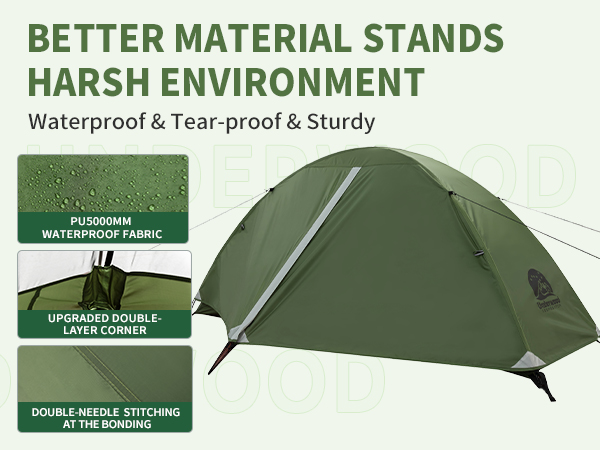
When you’re out on the trail, every ounce in your backpack counts. Your tent is one of the heaviest and most important pieces of gear you carry.
So, how much should a backpacking tent weigh to keep you comfortable without slowing you down? Finding the right balance can make your trip easier and more enjoyable. You’ll discover the ideal tent weight for your needs and how it affects your hiking experience.
Keep reading to find the perfect tent that won’t weigh you down but will keep you safe and dry.

Credit: www.coreequipment.com
Backpacking Tent Weight Basics
Choosing the right backpacking tent weight is key for a good trip. A tent that is too heavy can slow you down. A tent that is too light might not protect you well.
Knowing what affects tent weight helps you pick the best one. You can balance comfort, safety, and ease of carrying.
Factors Affecting Tent Weight
Several things change how much a tent weighs. These include the materials, size, and extra features. Understanding these helps you decide what matters most.
- Materials:Lightweight fabrics and poles weigh less but may cost more.
- Size:Bigger tents need more fabric and poles, adding weight.
- Design:Some tents have extra doors or vestibules that add weight.
- Season Rating:Four-season tents use stronger materials, making them heavier.
- Accessories:Added footprints or gear lofts increase overall weight.
Why Tent Weight Matters
Carrying a heavy tent can make hiking harder and slower. It also uses more energy and can cause fatigue.
| Weight Category | Typical Weight Range | Usage |
| Ultralight | 1-2 pounds (0.45-0.9 kg) | Solo hikers, fast trips |
| Lightweight | 2-4 pounds (0.9-1.8 kg) | Small groups, moderate comfort |
| Standard | 4-6 pounds (1.8-2.7 kg) | Family trips, added features |
| Heavy | 6+ pounds (2.7+ kg) | Extra space, four-season use |
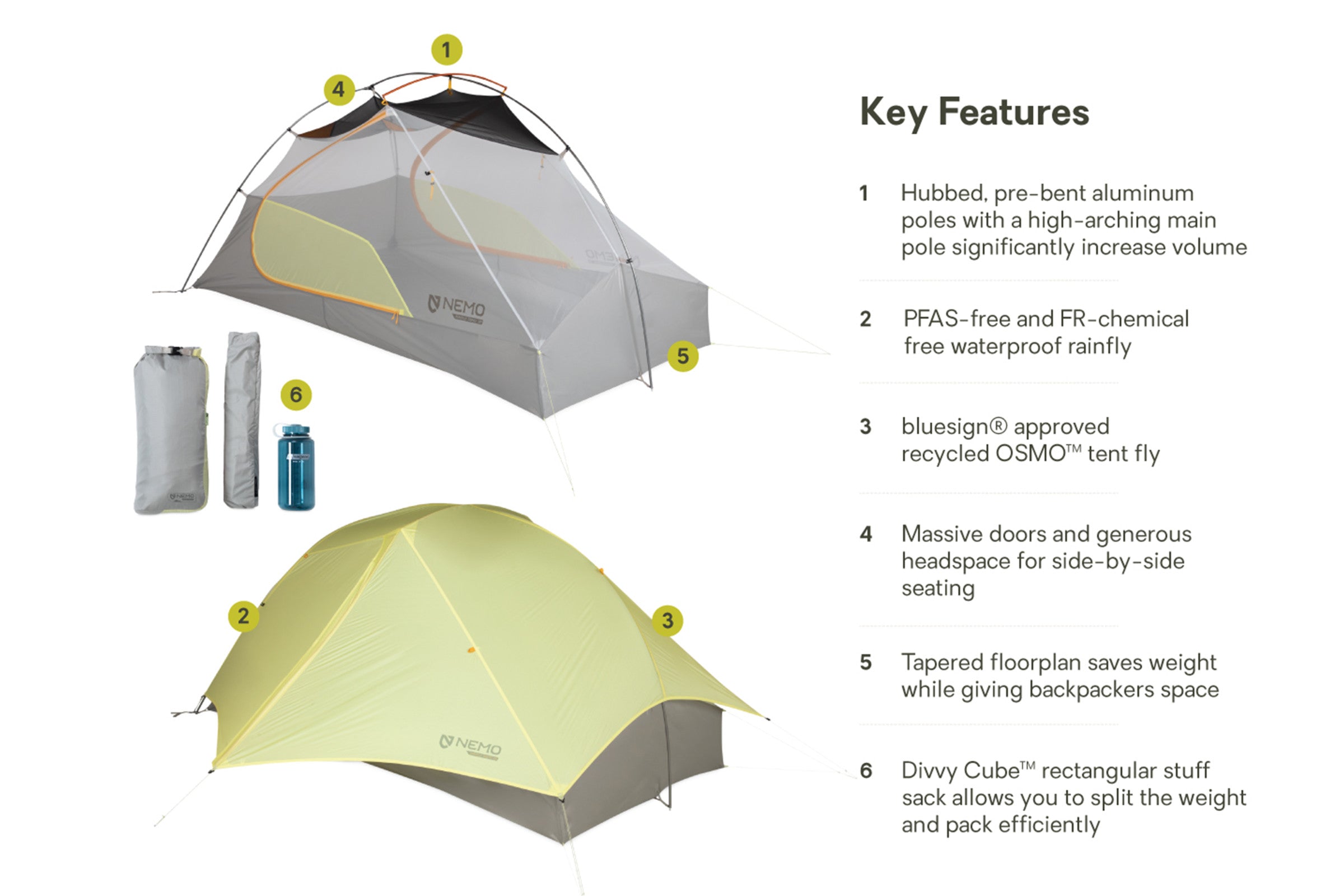
Credit: www.nemoequipment.com
Weight Categories For Backpacking Tents
Choosing the right tent is key for a successful backpacking trip. Tent weight affects how much you can carry and how comfortable your journey will be.
Tents are divided into different weight categories. Understanding these can help you pick the best tent for your needs and adventure style.
Ultralight Tents
Ultralight tents are ideal for those who need to move fast and light. These tents weigh less than 2 pounds. They are perfect for long-distance hikes.
- Best for solo hikers
- Minimalist design
- Compact and easy to pack
Lightweight Tents
Lightweight tents offer a balance between comfort and weight. They usually weigh between 2 to 4 pounds. These tents are popular among many backpackers.
| Type | Weight Range |
| Solo Tent | 2.5 – 3 pounds |
| Two-person Tent | 3 – 4 pounds |
| Three-person Tent | 3.5 – 4.5 pounds |
Standard Weight Tents
Standard weight tents are more durable and spacious. They weigh over 4 pounds. These tents are suitable for family trips or base camps where weight is less of an issue.
Materials Impacting Tent Weight
The weight of a backpacking tent depends a lot on the materials used. Choosing the right materials can make your tent lighter or heavier.
Understanding fabrics, poles, and hardware helps you pick a tent that fits your needs and keeps your pack light.
Fabric Choices
Tent fabrics vary in weight and strength. Lighter fabrics reduce tent weight but may be less durable. Heavier fabrics last longer but add more weight.
- Nylon: Lightweight and strong, common in backpacking tents.
- Polyester: Less stretch when wet, slightly heavier than nylon.
- Cuben Fiber: Ultra-light and waterproof, but costly.
- Silnylon: Silicone-coated nylon, waterproof and light.
Pole Materials
Poles support the tent and affect its weight. Different materials offer different strength-to-weight ratios.
| Material | Weight | Durability |
| Aluminum | Light | Strong and flexible |
| Fiberglass | Heavier | Less flexible, can break easier |
| Carbon Fiber | Very light | Strong but expensive |
Hardware And Accessories
Hardware includes zippers, clips, stakes, and guy lines. These add weight but are needed for setup and durability.
- Lightweight aluminum stakes reduce pack weight.
- High-quality zippers last longer but may weigh more.
- Plastic clips are lighter but less durable than metal.
- Minimal guy lines save weight but may reduce stability.
Balancing Weight And Durability
Choosing a backpacking tent means thinking about how light it is and how strong it feels. A good tent should not slow you down or break easily.
Finding the right balance helps you enjoy your trip and stay safe in the wild. Too heavy tents can tire you out, while weak tents may fail during bad weather.
Trade-offs To Consider
Light tents use less material and weigh less. They are easier to carry but may cost more and be less durable. Heavier tents usually last longer and resist wind or rain better.
- Ultralight tents save weight but need gentle care.
- Durable tents protect you in tough weather but add weight.
- Price often rises with lighter and stronger materials.
- Think about how often and where you camp.
Choosing Based On Terrain And Weather
Your choice should match the places and weather you face. Rocky or windy areas demand strong tents. Mild weather lets you pick lighter models.
| Terrain/Weather | Recommended Tent Type | Weight Consideration |
| Mountain, High Wind | Durable, heavy-duty frame | Higher weight but safer |
| Forest, Light Rain | Lightweight with waterproof fabric | Lower weight, moderate durability |
| Desert, Dry | Ultralight, breathable | Minimal weight |
| Wet, Rainy | Waterproof, reinforced seams | Medium weight for protection |
Tips To Reduce Tent Weight
Choosing a light backpacking tent helps make your hike easier. Carrying less weight saves energy and reduces fatigue.
There are ways to lower your tent’s weight without losing protection. Use smart choices and packing tricks to stay light.
Selecting Minimalist Designs
Pick tents with simple shapes and fewer poles. Minimalist tents use less fabric and weigh less overall.
Look for tents with single-wall designs or those made from lightweight materials. These tents cut down on extra parts.
- Choose tents with fewer doors and vestibules
- Smaller floor space reduces fabric weight
- Use tents made with ultralight fabrics like silnylon or Dyneema
Diy Modifications
Modify your tent to remove unneeded parts. Cut or swap heavy stakes and poles for lighter options.
Replace thick ropes with thin, strong cords. Use lighter zipper pulls or sew in lighter patches for durability.
- Swap metal stakes for aluminum or plastic ones
- Use Dyneema cord instead of traditional guy lines
- Remove extra clips or attachments not needed for your trip
Packing Strategies
Pack your tent components smartly to avoid carrying extra weight. Keep only what you need for your trip length.
Store tent parts tightly to save space. Use compression sacks and avoid carrying the tent footprint if it is heavy.
- Use a stuff sack to compress your tent and poles
- Leave behind heavy footprints if terrain allows
- Carry only the necessary stakes and repair kits

Credit: www.iheartpacificnorthwest.com
Recommended Tent Weights By Trip Length
Choosing the right tent weight is key for a good backpacking trip. The length of your trip affects how much weight you should carry.
Light tents ease your load but may offer less space. Heavier tents provide comfort but add bulk. Here are weight recommendations by trip type.
Day Trips And Short Hikes
For short trips, carrying a very light tent or even a tarp can work well. You want something easy to set up and carry.
- Weight target: 1 to 3 pounds (0.5 to 1.4 kg)
- Simple designs with minimal features
- Compact size to fit in a small backpack
- Quick setup for short stops
Multi-day Backpacking
On trips lasting several days, tent weight matters more. You need balance between lightness and durability.
| Trip Length | Recommended Tent Weight |
| 2-3 Days | 3 to 4.5 pounds (1.4 to 2 kg) |
| 4-5 Days | 4 to 5.5 pounds (1.8 to 2.5 kg) |
| 5+ Days | 5 to 6.5 pounds (2.3 to 3 kg) |
Choose tents with good weather protection. Easy setup helps save time and energy.
Extended Expeditions
Long trips need strong, reliable tents. Weight is less critical than protection and comfort.
- Weight range: 6 to 9 pounds (2.7 to 4 kg)
- Extra space for gear and movement
- Robust materials for harsh weather
- Multiple doors and ventilation options
Popular Lightweight Tent Models
Choosing the right backpacking tent means knowing how much it weighs. Lighter tents make hiking easier and faster. Many brands offer models designed to reduce weight without losing comfort.
Below, we look at some popular lightweight tents. We focus on ultralight models and budget-friendly options to fit different needs and wallets.
Top Ultralight Picks
Ultralight tents weigh under 3 pounds. They use advanced materials to cut weight. These tents suit serious backpackers who want to carry less.
- Big Agnes Fly Creek HV UL2 – Weighs about 2.4 pounds
- MSR Carbon Reflex 2 – Around 2.3 pounds
- Hyperlite Mountain Gear Echo II – Near 2.1 pounds
- Tarptent Double Rainbow – About 2.9 pounds
Budget-friendly Options
Not all lightweight tents cost a lot. Some budget models balance weight and price well. These are good for casual hikers or those new to backpacking.
| Tent Model | Weight | Price Range |
|---|---|---|
| REI Co-op Quarter Dome SL 2 | 3.5 pounds | Moderate |
| Kelty Salida 2 | 4.0 pounds | Low |
| Naturehike Cloud-Up 2 | 3.3 pounds | Low |
| ALPS Mountaineering Lynx 2 | 4.8 pounds | Low |
Additional Gear Weight Considerations
Choosing the right backpacking tent is only part of the weight puzzle. Other gear adds to your pack weight. You must think about sleeping systems, cooking gear, and clothing.
Each of these categories affects your total pack weight. Knowing their weight helps you balance comfort and lightness on the trail.
Sleeping Systems
Sleeping systems include your sleeping bag, pad, and pillow. These items can vary widely in weight. Aim for lightweight but warm gear. A heavy sleeping system adds much to your load.
- Sleeping bag: Down bags are lighter but cost more
- Sleeping pad: Inflatable pads are lighter than foam
- Pillow: Use stuff sacks filled with clothes to save weight
Cooking Equipment
Your cooking gear adds weight depending on what you bring. Stoves, pots, and fuel all count. You can keep weight low by choosing compact gear.
| Item | Average Weight (oz) | Tip |
| Backpacking Stove | 3-6 | Choose small canister stoves |
| Cookware | 8-12 | Use titanium or aluminum pots |
| Fuel | 4-10 | Pack only what you need |
Clothing And Essentials
Clothing weight can add up fast. Pack layers that work for cold and wet weather. Essentials like rain gear, hats, and gloves add weight but are important.
- Base layers: Lightweight and moisture-wicking
- Insulation: Puffy jackets or fleece
- Rain gear: Waterproof jackets and pants
- Accessories: Gloves, hats, and socks
Frequently Asked Questions
What Is The Ideal Weight For A Backpacking Tent?
An ideal backpacking tent weighs between 2 to 4 pounds. This range balances comfort and portability for most hikers. Lighter tents reduce strain but might sacrifice durability or space. Consider your trip length and pack weight limits when choosing a tent’s weight.
How Does Tent Weight Affect Backpacking Experience?
Tent weight directly impacts your hiking stamina and speed. Heavier tents add load, causing quicker fatigue. Lightweight tents improve mobility and reduce energy use. Choosing the right weight enhances comfort, safety, and overall enjoyment on the trail.
Are Ultralight Tents Suitable For All Backpackers?
Ultralight tents suit experienced backpackers prioritizing minimal weight. They often cost more and require careful handling. Beginners may prefer slightly heavier, more durable tents. Match tent weight with your skill level, trip type, and weather conditions for best results.
Does Tent Weight Vary By Capacity And Materials?
Yes, tent weight increases with capacity and material quality. Larger tents use more fabric and poles, adding pounds. Advanced materials like Dyneema reduce weight but raise costs. Balance your need for space, durability, and budget when selecting tent weight.
Conclusion
Choosing the right backpacking tent weight matters a lot. Light tents make hiking easier and more fun. Heavy tents can slow you down and tire you out. Think about your trip length and weather conditions. Balance comfort with how much weight you can carry.
A good tent keeps you safe and dry. Keep your pack light to enjoy the trail more. Remember, every ounce counts when you hike far. Choose wisely for a better outdoor adventure.