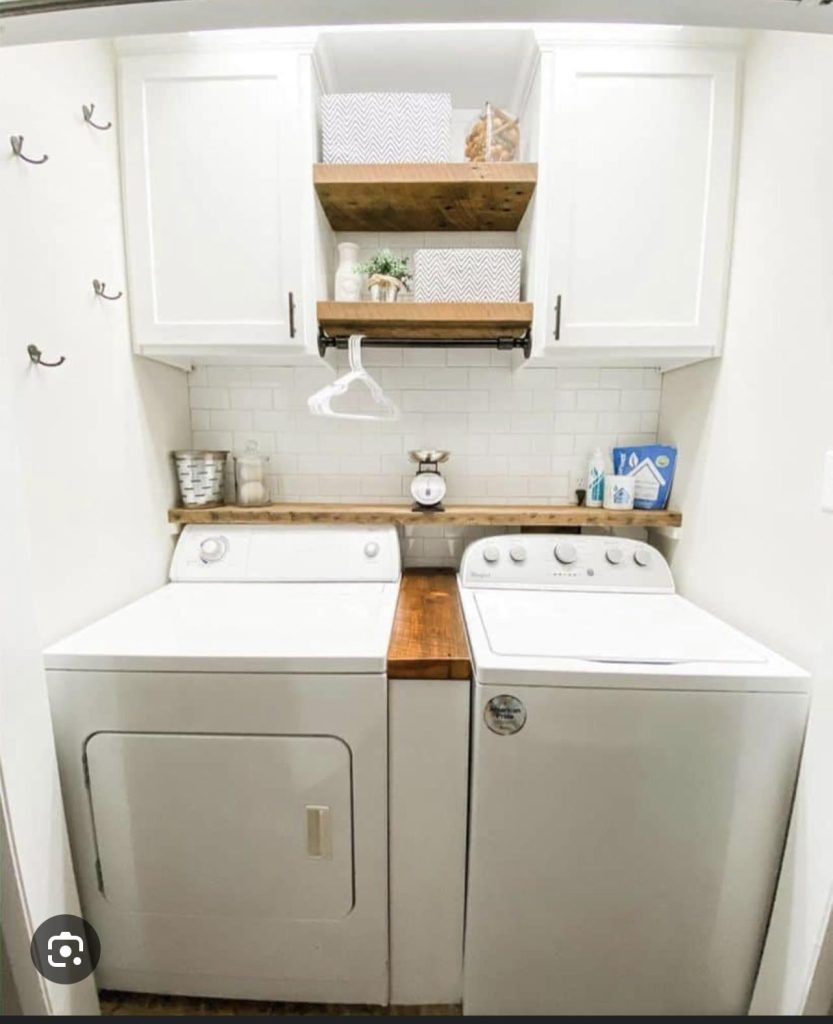
Are you wondering how much space you really need for your washer and dryer? Finding the perfect spot for these machines can be tricky, especially if your laundry area is small or oddly shaped.
You want to avoid cramped corners or awkward setups that make doing laundry a hassle. You’ll discover exactly how much room is needed to fit your washer and dryer comfortably. By the end, you’ll know how to plan your space smartly, making laundry easier and your home more organized.
Keep reading to find the space solution that fits your needs perfectly!

Credit: www.reddit.com
Washer And Dryer Types
Choosing the right washer and dryer depends on the space you have. Different types need different amounts of room.
This guide explains four common washer and dryer types. It helps you understand their space needs.
Top-load Washers
Top-load washers have a door on the top. You load clothes from above.
They usually need more height but less depth than front-load washers. Allow extra space to open the lid.
- Typical width: 27 inches
- Typical depth: 27-28 inches
- Height: 42-44 inches
- Need 1-2 feet clearance above for lid
Front-load Washers
Front-load washers open from the front. They fit under counters easily.
These washers need more depth but less height space. You must leave room for the door to swing open.
- Typical width: 27 inches
- Typical depth: 30-34 inches
- Height: 38-40 inches
- Allow 20-30 inches clearance for door
Stackable Units
Stackable units combine a washer and dryer in one vertical space. They save floor space.
These units need enough height and depth for both machines. They fit in narrow closets or small laundry rooms.
- Typical width: 24-27 inches
- Depth: 27-34 inches
- Height: 70-75 inches
- Allow door clearance for both units
Compact Models
Compact washers and dryers are smaller than regular ones. They work well in apartments.
These models need less space but may wash smaller loads. They fit under counters or in tight spots.
- Width: 18-24 inches
- Depth: 20-25 inches
- Height: 30-34 inches
- Good for limited spaces
Standard Dimensions
Understanding washer and dryer dimensions helps you plan laundry space. This ensures appliances fit perfectly.
Standard sizes vary, so it’s crucial to know what to expect. Let’s explore typical dimensions and considerations.
Typical Washer Sizes
Washers come in different sizes. Most standard washers are 27 inches wide. This size fits well in most laundry rooms.
- Width: Typically 27 inches
- Height: Around 36 inches to 42 inches
- Depth: Usually 30 inches to 35 inches
Typical Dryer Sizes
Dryers generally match washer widths. This allows them to sit side by side. Standard dryers are also 27 inches wide.
| Dimension | Size |
| Width | 27 inches |
| Height | 36 inches to 42 inches |
| Depth | 30 inches to 35 inches |
Height And Depth Considerations
Height and depth affect how appliances fit in your space. Consider the height if stacking the washer and dryer.
Depth includes space for hoses and vents. Always measure your space to accommodate these extra inches.
Space For Installation
Installing a washer and dryer requires enough space to work safely and efficiently. Planning space helps avoid damage and keeps your laundry area neat.
Think about airflow, plumbing, and how doors open. This ensures your machines fit well and last longer.
Allowing For Ventilation
Washers and dryers need space around them for air to flow. Ventilation helps stop overheating and reduces moisture buildup.
- Leave at least 1 inch of space on all sides of the washer.
- Allow 4 to 6 inches behind the dryer for vent hose and air circulation.
- Keep the area around vents clear of dust and debris.
Room For Connections
Washers and dryers need water, electricity, and venting hookups. Space for these connections is essential.
| Connection Type | Recommended Space |
| Water Supply (Washer) | At least 6 inches behind machine |
| Electrical Outlet | Within 3 feet, easily reachable |
| Dryer Vent Hose | 4 to 6 inches behind dryer |
| Drain Hose | Near floor drain or utility sink |
Clearance For Door Opening
Doors on washers and dryers need space to open fully. This space lets you load and unload clothes with ease.
- Front-load machines need at least 20 inches in front for door swing.
- Top-load washers require extra space above for lid opening.
- Ensure no walls or shelves block door movement.

Credit: www.reddit.com
Laundry Room Layout Ideas
Planning your laundry room layout helps save space and work better. Knowing how much space a washer and dryer need is key.
Different setups fit different rooms. Think about your space before choosing a layout.
Side-by-side Setup
The side-by-side layout places the washer and dryer next to each other. You need enough width and depth for both machines and room to open the doors.
| Appliance | Width (inches) | Depth (inches) | Recommended Clearance |
| Washer | 27 | 30 | 1-2 inches side and back |
| Dryer | 27 | 30 | 3-4 inches for ventilation |
Allow at least 60 inches wide for both machines and extra space to move. This setup is best for larger laundry rooms.
Stacked Arrangement
Stacked washers and dryers save floor space. The dryer sits above the washer in this layout.
- Footprint needs about 27 inches wide and 30 inches deep.
- Total height is usually around 70 inches.
- Leave 1-2 inches on the sides and back for air flow.
- Check the ceiling height to fit the stack.
This arrangement is good for small rooms or closets.
Closet Laundry Spaces
Laundry closets hide your machines behind doors. Space is tight, so careful measuring is needed.
Here are tips for closet laundry spaces:
- Measure the closet width and depth carefully.
- Use a stacked setup to save space.
- Leave at least 3 inches behind for hoses and cords.
- Install doors that open fully or slide.
- Ensure ventilation to avoid moisture build-up.
Measuring Your Space
Knowing the space needed for your washer and dryer helps you plan better. Measuring your laundry area ensures the appliances fit well.
Take accurate measurements before buying. This avoids problems with installation or use later.
Tools Needed
You need a few simple tools to measure your space correctly. Having the right tools makes the job easier and more precise.
- Tape measure with inches and centimeters
- Notepad and pen for recording measurements
- Step stool or ladder for high or hard-to-reach areas
- Flashlight to see dark corners
How To Measure Accurately
Measure the width, depth, and height of the space where the washer and dryer will go. Take measurements at several points to check for uneven walls or floors.
- Measure the width from wall to wall or obstacle.
- Measure the depth from the back wall to the front edge.
- Measure the height from floor to ceiling or any overhead obstruction.
- Record all numbers carefully on your notepad.
Accounting For Extra Space
Allow extra space for ventilation, door clearance, and ease of use. This helps avoid tight fits and damage.
| Purpose | Recommended Extra Space |
| Ventilation | 1 to 2 inches around appliances |
| Door Clearance | 2 to 3 inches for door swing |
| Ease of Use | At least 6 inches in front for loading |
| Connections | Extra room for hoses and plugs |
Tips For Small Spaces
Finding space for a washer and dryer can be hard in small homes. Planning well helps you fit them without clutter.
Use smart ideas to save space and keep your laundry area neat and easy to use.
Using Compact Appliances
Compact washers and dryers are smaller than standard ones. They fit in tight spots and still work well.
Look for stackable models to save floor space. Measure your area before buying to be sure they fit.
- Compact washers are about 24 inches wide
- Stack dryers usually match washer size
- Choose energy-efficient models to save costs
Creative Storage Solutions
Use walls for shelves or cabinets to store laundry items. This keeps supplies handy and off the floor.
Hooks and baskets help organize small tools and clothes. Try using under-counter spaces for extra storage.
- Install shelves above washer and dryer
- Use baskets to hold detergents and clothespins
- Add hooks for hanging clothes or bags
Multifunctional Furniture
Furniture with more than one use saves space in laundry rooms. Folding tables can double as storage units.
Look for cabinets with built-in hampers or ironing boards. These pieces help keep your area tidy and useful.
- Use fold-down tables for folding clothes
- Choose cabinets with hidden laundry baskets
- Try ironing boards that fold into walls or cabinets
Energy Efficiency And Space
Finding the right washer and dryer is important. You need to consider both energy efficiency and space. This helps in saving money and making laundry easy.
Small spaces can limit your choices. But, you can still find models that fit and save energy. Let’s explore how size impacts efficiency and how to choose energy-saving models.
Impact Of Size On Efficiency
The size of your washer and dryer can affect their energy use. Larger models use more power but can handle bigger loads. Smaller models might use less energy per load.
- Large machines: Suitable for big families
- Small machines: Ideal for singles or couples
- Stackable units: Save floor space
Choosing Energy-saving Models
Energy-saving models use less water and electricity. They have labels that show energy ratings. Look for these models to save money and help the environment.
| Feature | Benefit |
| Energy Star Rating | Uses less power |
| Water Efficiency | Reduces water bills |
| Smart Sensors | Adjusts cycles to save energy |
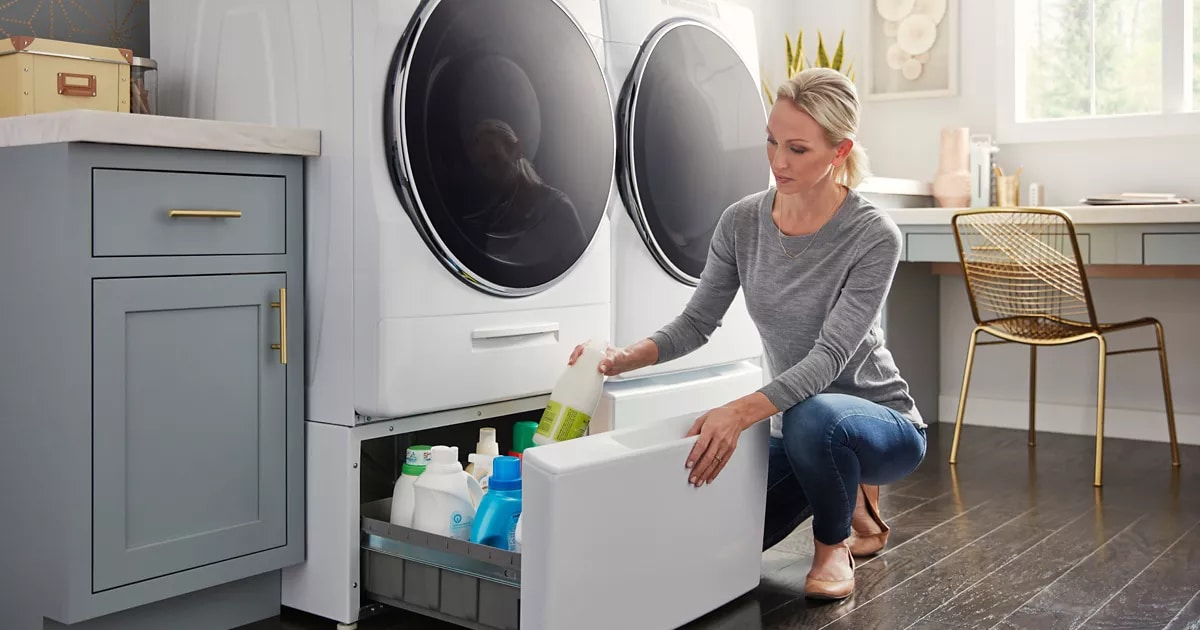
Credit: www.whirlpool.com
Future Proofing Your Laundry Area
Planning your laundry space well helps you avoid problems later. You want enough room for bigger machines and loads.
Think about future needs before choosing washer and dryer sizes. This makes your laundry area useful for years.
Planning For Larger Loads
Bigger loads save time and water. Choose space that fits larger washers and dryers. Leave room to move around.
- Measure the size of bigger washers and dryers before buying.
- Leave at least 6 inches of space around each appliance.
- Plan space for large laundry baskets and folding areas.
- Allow extra room for venting and plumbing needs.
- Keep storage space for laundry supplies close by.
Upgrading Appliances
New machines may be larger or need different connections. Check dimensions and power needs before upgrading.
| Appliance Feature | Old Model | New Model |
| Width | 27 inches | 29 inches |
| Depth | 30 inches | 33 inches |
| Power Supply | 110V | 240V |
| Water Connection | Standard | Enhanced filtration |
Frequently Asked Questions
How Much Space Is Needed For A Washer And Dryer?
You need at least 30 to 36 inches width for both appliances. Depth should be around 30 inches. Allow extra space for ventilation and connections to ensure proper installation and maintenance.
What Is The Ideal Washer And Dryer Clearance Space?
Leave 1 to 2 inches of clearance on the sides. Allow 4 to 6 inches behind for hoses and vents. This space prevents overheating and allows easy appliance access.
Can A Small Laundry Room Fit Standard Washer And Dryer?
Yes, a compact space can fit standard units with smart layout. Consider stacking or front-loading models to save floor space. Measure carefully before purchase.
How Much Floor Space Do Stackable Washer And Dryer Need?
Stackable units typically require 15 to 27 square feet. They need at least 24 inches width and 30 inches depth. This setup is ideal for small spaces.
Conclusion
Choosing the right space for your washer and dryer saves hassle later. Measure carefully and leave room for doors to open fully. Don’t forget space for ventilation and easy access to hookups. Small gaps help with air flow and maintenance.
A well-planned laundry area makes chores faster and easier. Think about your daily routine and available space before buying. This simple step helps avoid fitting problems and keeps your laundry running smoothly.