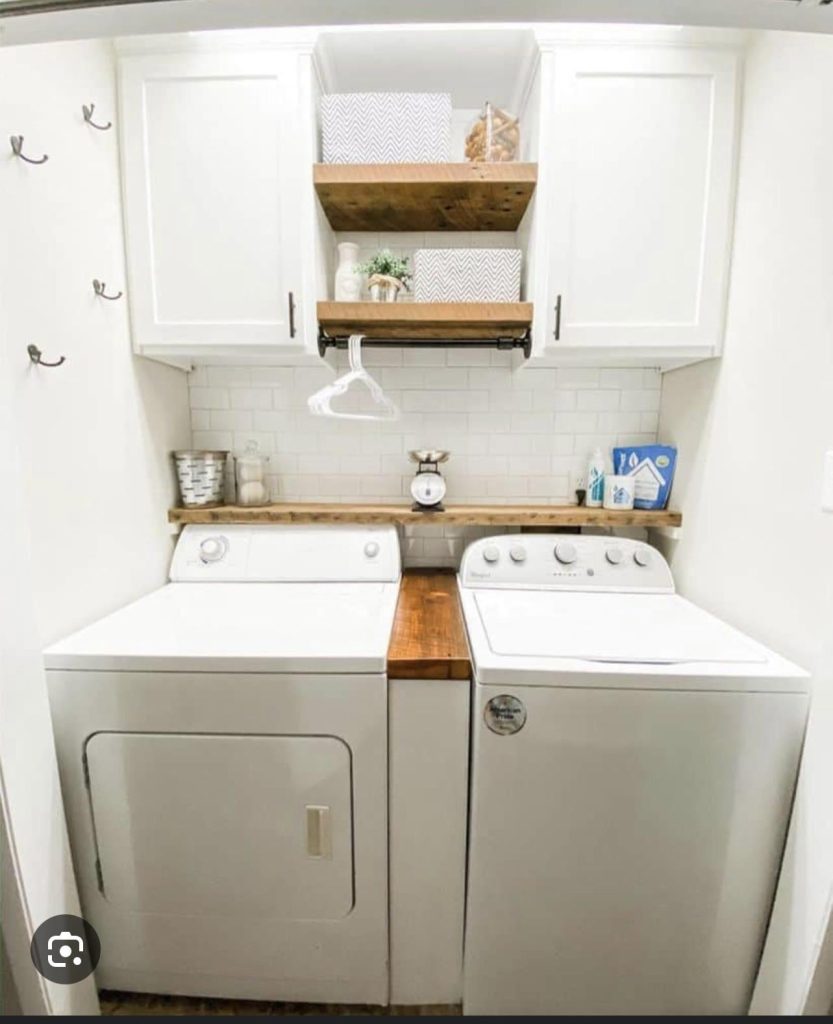
Are you planning to install a washer and dryer but unsure how much space you really need? Getting the right measurements is crucial to avoid cramped laundry rooms or wasted space.
Whether you have a small apartment or a spacious home, knowing the exact area required will help you create a smooth laundry setup. You’ll discover simple tips and clear guidelines to make sure your washer and dryer fit perfectly—saving you time, effort, and future headaches.
Keep reading, and take the guesswork out of your laundry space planning!
Washer And Dryer Types
Choosing the right washer and dryer depends on your space and needs. Different types need different amounts of room.
Knowing the space each type requires helps you plan your laundry area better.
Top-load Washers
Top-load washers have a lid on top where you load clothes. They need enough space above for the lid to open fully.
These washers are usually wider and deeper than front-load models. Allow extra space around the machine for ventilation.
- Typical width: 27 inches (68.6 cm)
- Depth: 28 to 34 inches (71 to 86 cm)
- Height: 42 to 44 inches (107 to 112 cm)
- Space above: 21 inches (53 cm) for lid clearance
Front-load Washers
Front-load washers have a door on the front to load clothes. They usually need less height space but more depth.
These washers allow stacking a dryer on top, saving floor space. Leave space for door opening and ventilation.
- Typical width: 27 inches (68.6 cm)
- Depth: 30 to 34 inches (76 to 86 cm)
- Height: 38 to 40 inches (96.5 to 102 cm)
- Space in front: 20 inches (51 cm) for door swing
Stackable Units
Stackable units combine a front-load washer and dryer in a vertical stack. They save floor space in small areas.
These units need less width and depth but require enough height clearance for safe installation and use.
- Width: 27 inches (68.6 cm)
- Depth: 30 to 34 inches (76 to 86 cm)
- Height: 74 to 76 inches (188 to 193 cm)
- Clearance above: 1 to 2 inches (2.5 to 5 cm)
Compact Models
Compact washers and dryers are smaller and fit into tight spaces. They are good for apartments or small homes.
These models need less floor space but may require more frequent use due to smaller capacity.
- Width: 24 inches (61 cm) or less
- Depth: 24 to 26 inches (61 to 66 cm)
- Height: 33 to 39 inches (84 to 99 cm)
- Space for door opening: 18 to 20 inches (46 to 51 cm)

Credit: www.reddit.com
Standard Dimensions
Knowing the space needed for a washer and dryer is important for your laundry area. Standard dimensions help you plan the right fit.
This guide covers typical sizes for washers and dryers. It also explains height and depth factors to consider.
Typical Washer Sizes
Most washers come in a standard width to fit common laundry spaces. The size depends on the type and capacity.
- Width: Usually 27 inches (69 cm)
- Height: Around 36 inches (91 cm)
- Depth: Between 25 and 28 inches (63 to 71 cm)
Typical Dryer Sizes
Dryers are often the same width as washers for easy stacking or side-by-side placement. Depth varies by model.
- Width: Usually 27 inches (69 cm)
- Height: Around 36 inches (91 cm)
- Depth: Between 27 and 32 inches (69 to 81 cm)
Height And Depth Considerations
Height matters if you stack the washer and dryer. Check if space allows for stacking kits and ventilation.
Depth affects how far appliances stick out. Leave extra room for doors, hoses, and venting behind.
| Dimension | Washer | Dryer | Recommended Extra Space |
|---|---|---|---|
| Width | 27 inches (69 cm) | 27 inches (69 cm) | 1 inch (2.5 cm) on each side |
| Height | 36 inches (91 cm) | 36 inches (91 cm) | 3-6 inches (8-15 cm) clearance if stacked |
| Depth | 25-28 inches (63-71 cm) | 27-32 inches (69-81 cm) | 4-6 inches (10-15 cm) behind for hoses |
Space Planning Tips
Planning space for your washer and dryer is important. It helps your laundry area work well and stay safe.
Think about space for air, doors, and places to store or fold clothes. This guide covers these key points.
Allowing Clearance For Ventilation
Washers and dryers need space around them to let air flow. Good ventilation stops heat build-up and moisture.
Check the manufacturer’s instructions for how much space to leave. Usually, leave at least 1 inch on the sides and back.
- Leave 1 inch on each side and back for airflow
- Keep vents clear of dust and objects
- Make sure dryer vent pipes are not crushed or bent
Door Swing And Access Space
Washers and dryers have doors that need space to open fully. You need room to load and unload clothes easily.
Allow extra space in front of the machines for door swing and to move around comfortably.
- Leave at least 24 inches in front for door opening
- Make sure doors can open without hitting walls or cabinets
- Keep space for reaching controls and removing laundry
Storage And Folding Areas
Plan space near your washer and dryer for storing detergents and folding clothes. It helps keep the area neat.
Use shelves, cabinets, or a folding table to make laundry tasks easier and faster.
- Install shelves or cabinets above or beside machines
- Set up a flat surface for folding clothes
- Keep laundry baskets nearby for sorting and carrying
Credit: www.caldwellandgregory.com
Laundry Room Layouts
Planning space for your washer and dryer is important. The layout affects how well your laundry room works.
Different setups need different amounts of space. This guide explains three common layouts.
Side-by-side Setup
A side-by-side setup places the washer and dryer next to each other. This layout needs more wall space.
Allow at least 60 inches wide for both machines. Add extra space to open doors and move around.
- Washer width: about 27 inches
- Dryer width: about 27 inches
- Extra space: 6-12 inches for door clearance
- Depth needed: 30-34 inches
Stacked Configuration
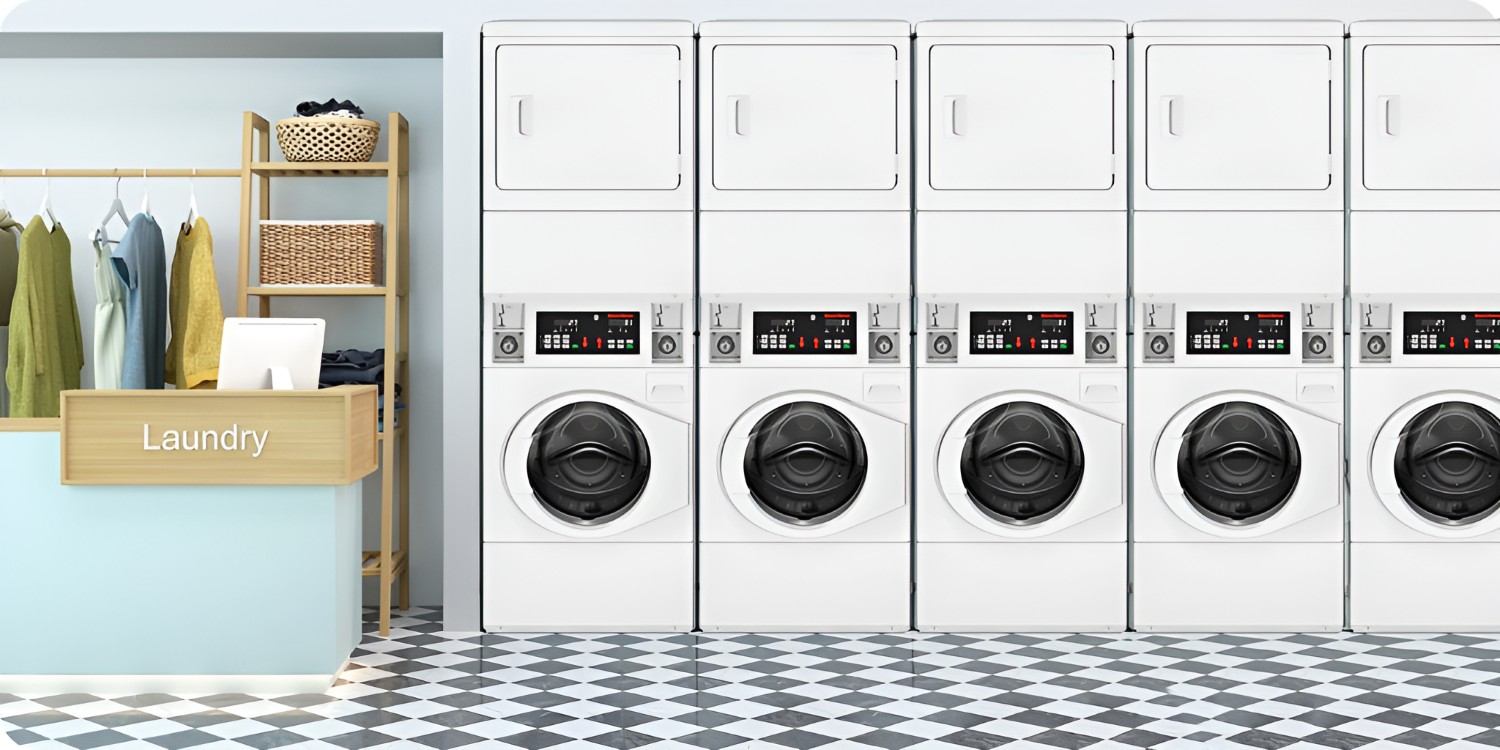
Stacked washers and dryers save floor space. The dryer sits on top of the washer.
This setup fits in narrow spaces, like closets or small rooms. It usually needs about 27 inches wide.
- Width: 27-30 inches
- Depth: 30-34 inches
- Height: 70-75 inches
- Leave space for door opening and ventilation
Closet And Cabinet Installations
Washers and dryers can fit inside closets or cabinets. This hides the machines and saves space.
Make sure the closet or cabinet is wide and deep enough. Doors need to open fully for loading clothes.
| Space Needed | Side-by-Side | Stacked |
|---|---|---|
| Width | 60-66 inches | 27-30 inches |
| Depth | 30-34 inches | 30-34 inches |
| Height | 36 inches (washer height) | 70-75 inches |
Special Requirements
Installing a washer and dryer needs more than space. You must think about special needs. These include ventilation, power, water, and noise control.
Proper setup helps machines work well and keeps your home safe. Let’s look at key requirements.
Ventilation Needs
Dryers produce hot air and moisture. Good ventilation removes heat and humidity. Without it, the dryer may overheat or cause mold.
Vents must lead outside. Use smooth, rigid metal ducts. Avoid plastic or foil ducts that can trap lint and cause fires.
- Use a vent that matches dryer size
- Keep vent length short and straight
- Clean vents regularly to prevent blockages
- Seal all duct joints tightly
Electrical And Plumbing Access
Washers and dryers need proper power and water supply. Check voltage and outlet type before installation. Most washers need cold and hot water.
Dryers may need a 240-volt outlet for electric models or gas line for gas dryers. Ensure water drains properly to avoid leaks.
- Install grounded electrical outlets near machines
- Check water supply pipes for leaks
- Use proper drainage for washer water
- Have shut-off valves accessible for emergencies
Noise And Vibration Control
Washers and dryers can be noisy. Vibrations can damage floors or walls. Choose a location with solid flooring and space around machines.
Use anti-vibration pads under machines. Leave space between appliances and walls to reduce noise. This makes laundry time quieter and safer.
- Place machines on level, sturdy floors
- Use rubber pads to absorb vibrations
- Keep at least one inch of space from walls
- Check and balance machine feet regularly
Measuring Your Space
Planning space for a washer and dryer is important. It helps avoid problems later. Accurate measurements ensure everything fits well.
Taking time to measure correctly saves trouble. It prevents buying appliances that are too big for your space.
Tools Needed
Gather tools before you start measuring. This makes the process easier and more accurate.
- Tape measure
- Notepad and pen
- Level tool
- Masking tape
Key Measurements To Take
Measure the space carefully. Record all measurements to ensure accuracy. Consider the dimensions of the washer and dryer.
- Width, height, and depth of the space
- Doorways and hallways for appliance delivery
- Ventilation and utility connections
Avoiding Common Mistakes
Be aware of common errors when measuring. This can prevent installation issues and additional costs.
Always double-check your measurements. Ensure you account for doors and clearances.
Maximizing Small Spaces
Fitting a washer and dryer in a small space can be tricky. You need to plan carefully to use every inch wisely.
With the right strategies, even the tiniest area can be efficient. Let’s explore some smart ways to maximize space.
Compact Appliances
Compact appliances are a great choice for small spaces. These smaller units fit in tight areas while still being effective.
Consider stackable washer and dryer models. They save space by going vertical instead of side by side.
- Mini washers for small loads
- Condensed dryers that need less room
- Stackable units for vertical storage
Multi-functional Furniture
Furniture that serves multiple purposes can save a lot of space. Look for pieces that offer storage or extra utility.
Some tables or benches have hidden compartments. This extra space can store laundry supplies.
- Storage benches for detergents
- Fold-down tables for folding clothes
- Wall-mounted racks for drying items
Creative Storage Solutions
Using creative storage solutions helps in organizing small spaces. Think about using vertical and hidden areas.
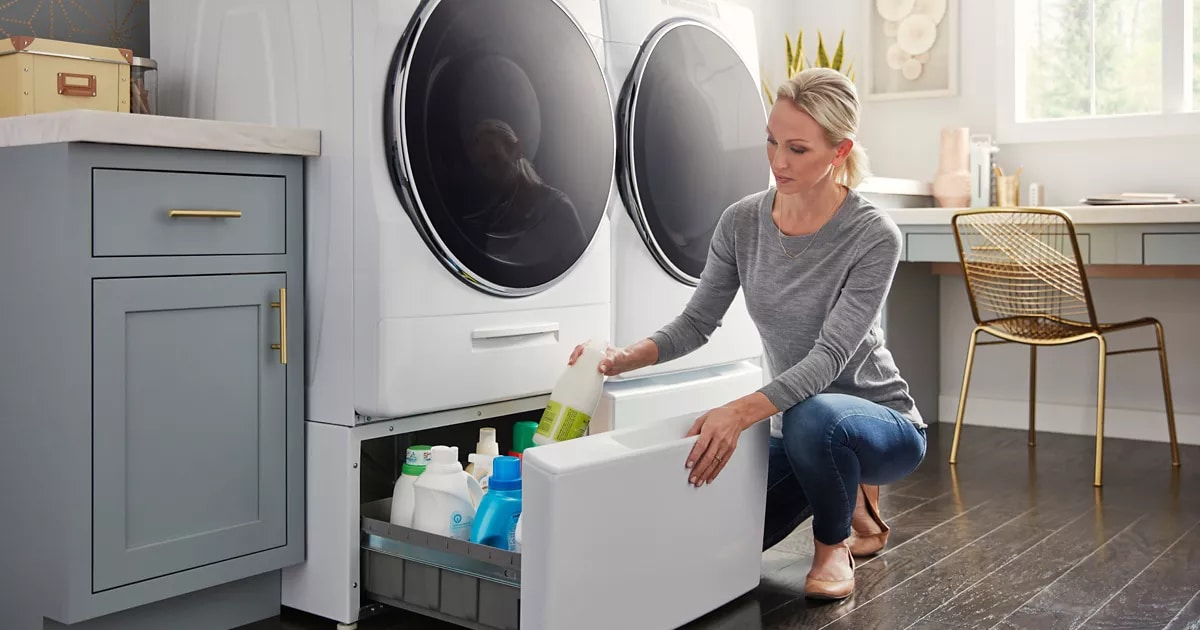
Install shelves above the washer and dryer. Use baskets and bins to keep items tidy and within reach.
- Overhead shelves for extra storage
- Pull-out bins for sorting laundry
- Hooks for hanging cleaning supplies
Credit: www.whirlpool.com
Frequently Asked Questions
How Much Floor Space Is Needed For A Washer And Dryer?
A standard washer and dryer require at least 30 to 36 inches width each. Depth usually ranges from 28 to 34 inches. Allow extra space for ventilation and hookups. Overall, plan for a 5 to 6 feet wide and 3 feet deep area.
What Is The Ideal Clearance Around Washer And Dryer?
Leave at least 1 inch clearance on each side for ventilation. Allow 4 to 6 inches behind for water and electrical connections. Ensure 3 to 4 feet in front for door opening and ease of use.
Can A Washer And Dryer Fit In A Small Closet?
Yes, compact or stackable units fit well in small closets. Minimum dimensions should be 24 inches wide, 24 inches deep, and 70 inches high. Proper ventilation and door clearance are essential for safe operation.
How Much Space Is Needed For A Stackable Washer And Dryer?
Stackable units typically require a floor space of about 27 inches wide and 30 inches deep. The combined height ranges from 70 to 75 inches. Ensure enough clearance for ventilation and easy access to controls.
Conclusion
Choosing the right space for your washer and dryer saves time and stress. Measure carefully before buying to fit your room well. Leave extra space for air flow and easy access. A tight spot can cause damage or noise. Remember, planning space helps your laundry run smoothly.
Small details make a big difference in daily chores. Prepare your laundry area thoughtfully for long-lasting convenience.