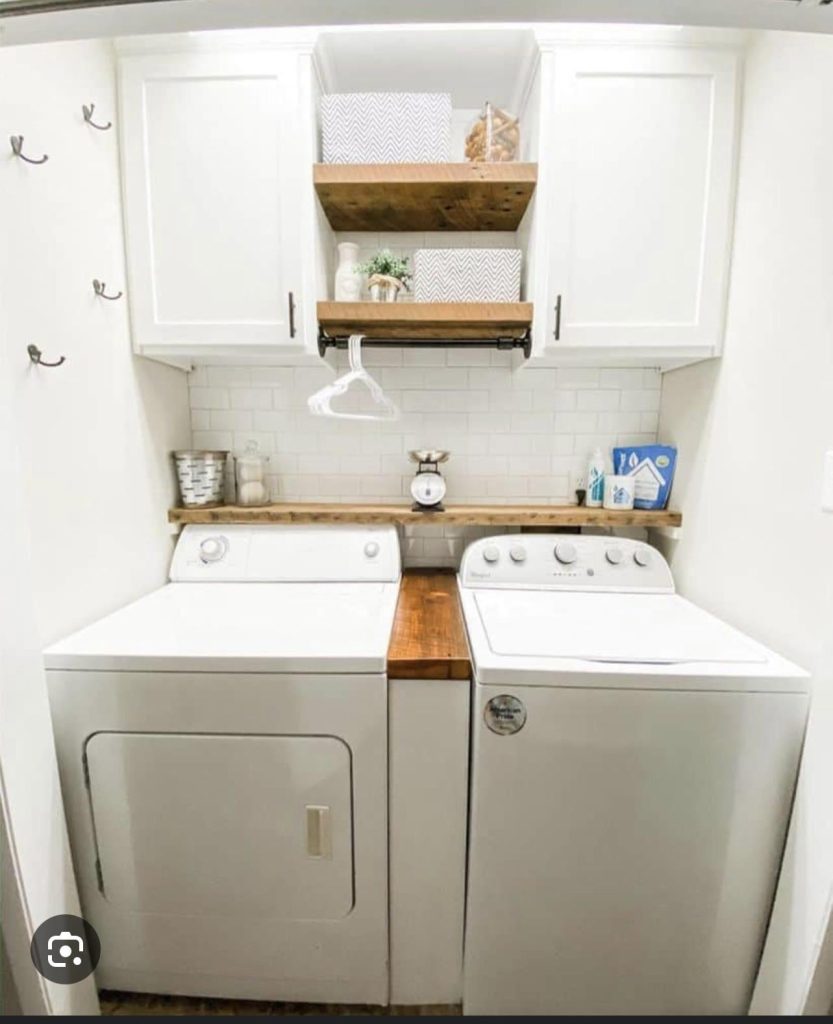
Are you planning to add a washer and dryer to your home but not sure how much space you really need? Finding the right spot for these appliances can be tricky.
Too little space, and you’ll struggle with installation or daily use. Too much, and you might waste valuable room that could be used for something else. You’ll discover exactly how much space is needed for your washer and dryer, so you can make smart decisions that save you time, money, and frustration.
Keep reading to get the clear, simple answers you need to set up your laundry area perfectly.
Washer And Dryer Sizes
Choosing the right space for your washer and dryer is important. These machines come in different sizes. Knowing their dimensions helps you plan your laundry area well.
This guide explains common washer and dryer sizes. It covers standard, compact, and stackable units. You will learn how much room each type needs.
Standard Dimensions
Standard washers and dryers are the most common. They fit most homes with typical laundry rooms. These models usually offer more space inside the drum.
The usual size for standard washers and dryers is about 27 inches wide. Depth and height vary but often are near 30 to 34 inches deep and 36 inches high.
| Dimension | Size |
|---|---|
| Width | 27 inches |
| Depth | 30-34 inches |
| Height | 36 inches |
Compact Models
Compact washers and dryers are smaller units. They fit well in tight spaces like apartments or small homes. These models save space but may hold less laundry.
Compact machines usually measure about 24 inches wide. Depth is less than standard units, often around 24 to 26 inches. Height can be slightly shorter too.
| Dimension | Size |
|---|---|
| Width | 24 inches |
| Depth | 24-26 inches |
| Height | 33-36 inches |
Stackable Units
Stackable washers and dryers are designed to save floor space. You place the dryer on top of the washer. These are great for closets and small laundry areas.
Stackable units usually have compact width and depth. Both machines together take up about the same floor space as a single washer or dryer. Height is taller because of stacking.
| Dimension | Size |
|---|---|
| Width | 24-27 inches |
| Depth | 24-30 inches |
| Height | 70-75 inches (stacked) |

Credit: www.reddit.com
Measuring Your Laundry Space
Measuring your laundry space is important before buying a washer and dryer. You need to know the size limits to fit both appliances.
Take careful measurements to avoid problems during installation. This guide helps you measure key areas.
Available Floor Area
Measure the width and depth of your laundry floor space. This helps you choose appliances that fit well.
Remember to leave extra room for opening doors and moving around.
- Measure the total width from wall to wall
- Measure the depth from front to back
- Allow at least 1 to 2 inches of extra space around appliances
Height And Clearance
Check the height of your laundry space. Washers and dryers vary in height, so measure carefully.
Leave space above appliances for ventilation and any stacked dryer if needed.
- Measure from floor to ceiling
- Allow at least 6 inches above stacked units
- Check for overhead cabinets or shelves
Door And Pathway Access
Measure doorways and pathways leading to your laundry area. Appliances must fit through these spaces.
Consider the door swing and clearance needed to open washer and dryer doors fully.
- Measure the width and height of all doors
- Measure hallway width and any turns
- Check if doors open inward or outward
- Allow space for doors to open at least 90 degrees
Space Requirements For Installation
Installing a washer and dryer requires enough space for safety and ease of use. Proper planning helps avoid problems later.
Consider clearance, ventilation, plumbing, and electrical access before setting up these machines.
Minimum Clearance Around Machines
Leave enough space around your washer and dryer for operation and maintenance. This space helps reduce noise and prevents damage.
- At least 1 inch on each side for the washer and dryer
- 2 to 3 inches at the back for hoses and vents
- 4 to 6 inches above the machines for proper lid or door opening
- Leave 30 inches in front for loading and unloading
Ventilation Needs
Good ventilation prevents heat buildup and moisture problems. It also helps the dryer work efficiently.
| Ventilation Element | Recommended Space |
| Dryer vent duct | 3 to 4 inches diameter |
| Clearance behind dryer | At least 4 inches |
| Airflow around machines | Minimum 1 inch on sides |
| Room ventilation | Window or vent to outside |
Plumbing And Electrical Access
Access to plumbing and electrical connections is key for installation and future repairs. Plan space for hoses and outlets.
Basic requirements include:
- Water supply valves within 4 feet of the washer
- Drain pipe or standpipe at least 18 inches high
- 120-volt electrical outlet for the washer
- 240-volt outlet for electric dryers or gas line for gas dryers
- Easy access to shut-off valves and power switches

Credit: www.reddit.com
Optimizing Small Laundry Areas
Small laundry spaces need smart planning to fit washer and dryer units. Knowing the space needed helps avoid tight or cramped setups.
Using smart ideas can make laundry easier and keep the area neat. This guide shows ways to save space and stay organized.
Stacking Washers And Dryers
Stacking a washer and dryer uses less floor space. This setup is great for closets or narrow rooms.
Make sure your machines are stackable models. Also, check the height to avoid fitting problems.
- Standard washer and dryer width: about 27 inches
- Stacked height: around 74 to 76 inches
- Allow extra space for ventilation and hookups
- Use a stacking kit for safety and stability
Utilizing Vertical Space
Vertical space above machines can hold baskets or supplies. Using walls helps clear floor area.
Shelves or hooks on the wall keep things within reach and organized. This method works well in tight rooms.
- Install shelves at different heights
- Add hooks for hanging small items
- Use tall, narrow storage units beside machines
- Keep detergents and tools off the floor
Built-in Cabinets And Shelving
Built-in cabinets hide laundry clutter and protect supplies. They fit well above or beside washers and dryers.
Custom shelves inside cabinets make it easy to sort and store items neatly. Cabinets also give a clean look to the space.
- Measure space to build cabinets that fit perfectly
- Use adjustable shelves for flexible storage
- Choose doors to hide clutter and keep dust out
- Add pull-out baskets for easy access
Special Considerations
Choosing space for your washer and dryer needs careful thought. The type of machine and room size affect the needed space.
Some washers and dryers need more room for installation and use. Planning helps avoid fitting problems later.
Washer-dryer Combos
Washer-dryer combos save space by combining both machines. They fit well in small areas like apartments.
These units need less floor space but require enough room for door clearance. Check the model’s dimensions carefully.
- Width usually ranges from 24 to 27 inches
- Depth can be about 24 to 30 inches
- Allow extra space for door swing and ventilation
Front-load Vs Top-load Machines
Front-load washers need more space in front for the door to open. Top-load machines require vertical space for lid clearance.
Front-load models are wider but shorter. Top-load washers are taller but narrower. Measure your space to fit the right type.
- Front-load width: 27 to 30 inches
- Top-load width: 27 inches or less
- Top-load height: 42 to 44 inches
- Front-load height: 36 to 39 inches
Noise And Vibration Space
Washers and dryers need space around them to reduce noise and vibration. Tight spaces can increase sound levels.
Leave a few inches of clearance on all sides. This helps machines run smoothly and lowers the chance of damage.
- At least 1 inch of space on each side
- 2 to 3 inches of space at the back for hoses and vents
- Floor should be level to reduce vibration

Credit: www.familyhandyman.com
Planning For Future Upgrades
When setting up a washer and dryer, planning for future upgrades is important. This ensures your setup will meet your needs as technology advances.
Consider space, energy efficiency, and smart technology integration for a lasting and flexible laundry area.
Allowing Extra Space
Having extra space around your washer and dryer helps in future adjustments. This extra room allows for larger models or additional features.
- Leave at least 6 inches of space around the units
- Ensure easy access for maintenance and repair
- Consider the addition of a folding or sorting area
Energy-efficient Models
Energy-efficient models save money and reduce environmental impact. They are often a bit larger, so planning for these models is wise.
| Model Type | Average Energy Use | Space Consideration |
| Standard | 500 kWh/year | Standard size |
| Energy Star | 350 kWh/year | Slightly larger |
Smart Appliance Integration
Smart appliances offer convenience with remote controls and diagnostics. Plan space for additional wiring or devices necessary for these features.
Frequently Asked Questions
How Much Space Is Needed For A Standard Washer And Dryer?
A standard washer and dryer typically need a combined space of 54 to 60 inches wide. Depth should be at least 30 to 34 inches. Ensure 6 inches of clearance for ventilation and hookups for optimal performance and safety.
What Is The Ideal Clearance Around Washer And Dryer?
Leave at least 1 inch on each side of the washer and 3 inches behind for proper ventilation. This prevents overheating and allows easy access to water and electrical connections. Proper clearance also reduces noise and vibration during operation.
Can I Fit A Washer And Dryer In A Small Closet?
Yes, compact or stackable washer and dryer units can fit in small closets. Ensure the closet has proper ventilation and enough space for hookups. Measure dimensions carefully and consider door clearance before installation to avoid space issues.
How Much Floor Space Do Stackable Washer And Dryer Units Require?
Stackable units need about 24 to 27 inches in width and 30 to 34 inches in depth. They save horizontal space but require ceiling clearance of around 70 inches for installation and maintenance.
Conclusion
Choosing the right space for your washer and dryer saves time and hassle. Small spaces need careful measuring before buying. Leave enough room for door swings and ventilation. Don’t forget space for stacking or side-by-side models. Proper spacing helps your machines work well and last longer.
Plan ahead, measure twice, and avoid tight fits. A good fit makes laundry easier and your home neater. Keep these tips in mind for a smooth setup. Your laundry area will be efficient and comfortable.