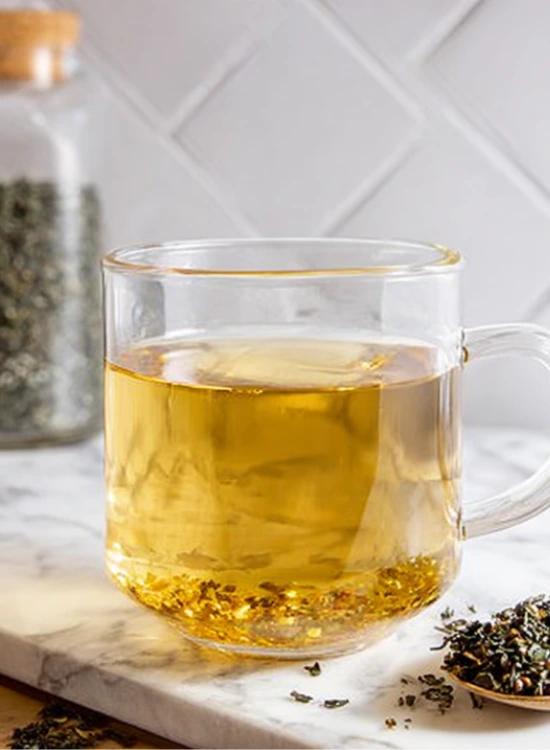
Are you wondering how much tea leaf you should use for the perfect cup? Getting this right can make all the difference between a bland drink and a rich, flavorful experience.
Whether you’re brewing your morning boost or winding down with a calming cup, the right amount of tea leaves matters. You’ll discover simple tips to measure your tea leaves just right, so every cup tastes just the way you like it.
Keep reading to unlock the secret to your perfect brew!
Choosing The Right Tea Leaf Amount
Getting the right amount of tea leaf per cup helps you enjoy better flavor. Too much or too little tea can change the taste.
This guide shows how much tea leaf to use. It covers standard amounts, tea types, and tea bags versus loose leaf.
Standard Measurements For Loose Leaf
Most people use about one teaspoon of loose leaf tea for every cup of water. This is about 2 to 3 grams of tea leaf.
| Tea Amount | Cup Size |
|---|---|
| 1 teaspoon (2-3 grams) | 8 ounces (240 ml) |
| 2 teaspoons (4-6 grams) | 16 ounces (480 ml) |
Adjusting For Tea Type
Different teas need different amounts. Strong teas like black and pu-erh use less leaf. Lighter teas like green and white use more.
- Black tea: 1 teaspoon per cup
- Green tea: 1 to 1.5 teaspoons per cup
- White tea: 1.5 teaspoons per cup
- Oolong tea: 1 to 1.5 teaspoons per cup
- Herbal tea: 1.5 to 2 teaspoons per cup
Using Tea Bags Vs Loose Leaf
Tea bags contain pre-measured leaves but often less than loose leaf. Adjust the number of bags or steep time for strong flavor.
Loose leaf tea lets you control the amount better. Use more leaves for stronger taste or less for mild flavor.
| Type | Amount per 8 oz Cup | Notes |
|---|---|---|
| Tea Bag | 1 bag | Usually 1.5 to 2 grams |
| Loose Leaf | 1 teaspoon (2-3 grams) | Adjust to taste |
Credit: www.nepaliteatraders.com
Water Temperature And Its Impact
Water temperature plays a big role in brewing tea. It affects the flavor and strength of the tea.
Using the right temperature helps bring out the best taste from tea leaves. Too hot or too cold water can spoil the flavor.
Ideal Temperatures For Different Teas
Different teas need different water temperatures to taste their best. Green tea needs cooler water. Black tea needs hotter water.
| Tea Type | Ideal Water Temperature |
| Green Tea | 150°F – 180°F (65°C – 80°C) |
| White Tea | 160°F – 185°F (70°C – 85°C) |
| Oolong Tea | 190°F – 200°F (88°C – 93°C) |
| Black Tea | 200°F – 212°F (93°C – 100°C) |
| Herbal Tea | 212°F (100°C) |
Effects Of Overheating Or Underheating
Using too hot or too cold water changes the tea’s taste. It can make tea bitter or weak.
- Overheating can burn tea leaves. It causes bitter flavors.
- Underheating stops full flavors from developing. Tea tastes weak.
- Correct temperature keeps tea smooth and balanced.
- Different teas need careful temperature control for best flavor.
Brewing Time Essentials
Getting the right amount of tea leaf per cup is important for a good taste. Brewing time also plays a big role in the flavor.
Steeping tea for the right time lets you enjoy the best aroma and taste. Too little or too much time changes the flavor a lot.
Optimal Steeping Durations
Different teas need different steeping times. Usually, 2 to 5 minutes works well for most teas.
Green tea takes about 2 to 3 minutes. Black tea needs 3 to 5 minutes. Herbal teas can take 5 minutes or more.
- Green tea: 2-3 minutes
- Black tea: 3-5 minutes
- Herbal tea: 5+ minutes
Signs Of Oversteeping
Oversteeping tea makes it bitter and strong. The taste can become unpleasant and harsh.
Tea leaves may release too many tannins after a long steep. This causes a dry, puckering feeling in your mouth.
- Bitter taste
- Strong, harsh flavor
- Dry or puckering mouthfeel
- Dark, cloudy tea color
Measuring Tools For Accuracy
Using the right tools to measure tea leaves helps brew a perfect cup. Accuracy in measurement affects flavor and strength.
Two common tools are scales and spoons. Each has its benefits and challenges for measuring tea leaves.
Using Scales Vs Spoons
Scales provide precise weight measurement for tea leaves. Spoons measure volume but can vary by leaf size and shape.
| Tool | Accuracy | Ease of Use | Consistency |
| Scale | High | Requires setup | Very consistent |
| Spoon | Moderate | Quick and simple | Varies by leaf |
Consistency Tips
To keep tea taste steady, use these tips for measuring and brewing each cup.
- Use the same measuring tool every time.
- Level your spoon when measuring leaves.
- Check scale calibration regularly.
- Store tea leaves in a dry, sealed container.
- Note water temperature and steeping time.
Enhancing Flavor With Additives
The amount of tea leaf per cup affects the strength of the tea. Adding milk, lemon, or sweeteners can change the taste. These additives can make tea more enjoyable.
Choosing the right time and way to add these extras helps keep the best flavor. This guide explains when and how to add milk or lemon and how sweeteners affect your tea.
When And How To Add Milk Or Lemon
Add milk after the tea has brewed and steeped for a few minutes. Pouring milk too early can cool the tea and stop it from brewing fully.
Lemon should be added after brewing. The acid in lemon changes the tea’s flavor and color. Avoid adding lemon with milk as they can curdle.
- Add milk slowly to warm tea to mix well.
- Use fresh lemon juice for the best taste.
- Do not add lemon and milk together.
- Adjust the amount of milk or lemon based on taste preference.
Sweeteners And Their Effects
Sugar and honey are common sweeteners for tea. They add sweetness and can balance bitterness from strong tea leaves.
Sweeteners dissolve best in hot tea. Adding them after brewing helps keep the flavor pure. Too much sweetener can hide the tea’s natural taste.
- Sugar adds a clean, sweet taste.
- Honey gives a floral or fruity flavor.
- Use sweeteners sparingly to enjoy tea’s real flavor.
- Stir sweeteners well to mix evenly.
Common Brewing Mistakes To Avoid
Making tea is simple but easy to get wrong. Using the wrong amount of tea or bad water can ruin your cup.
Knowing what mistakes to avoid helps you get a better taste every time you brew tea.
Using Too Much Or Too Little Tea
Using too much tea makes the drink bitter and strong. Using too little makes it weak and dull.
It is best to use about one teaspoon of tea leaves per cup. Adjust slightly to your taste, but avoid big changes.
- Too much tea can cause bitterness and a harsh taste.
- Too little tea results in a watery and bland flavor.
- Measure tea leaves with a spoon for consistent results.
- Fresh tea leaves give better flavor than old or packed ones.
Ignoring Water Quality
Water quality changes how tea tastes. Hard water with minerals can make tea taste flat or strange.
Use fresh, clean, filtered water for the best flavor. Avoid water that smells or tastes bad.
- Tap water may have chlorine or minerals that affect taste.
- Filtered or bottled water often works better.
- Boil water fresh for each cup to keep it clean.
- Cold water with impurities can cause off flavors in tea.
Personalizing Your Perfect Cup
Making the perfect cup of tea means finding the right amount of tea leaves. This amount changes based on your taste and the type of tea you use.
Adjusting the leaf quantity helps you enjoy tea just the way you like it. Small changes can make a big difference in flavor.
Experimenting With Leaf Quantity
Start by using one teaspoon of tea leaves per cup. Try adding or reducing a little to see how the taste changes.
Use a scale or measuring spoon to keep track. This way, you can find the right balance for your favorite tea.
- Use 1 teaspoon for a mild taste
- Add ½ teaspoon for stronger flavor
- Reduce if the tea tastes bitter
Adjusting Based On Taste Preferences
Everyone likes tea differently. Some prefer a light brew, while others like it bold and strong.
Change the leaf amount to match your taste. Remember, it is easy to add more leaves, but hard to fix tea that is too strong.
- For light tea, use fewer leaves and less steep time
- For strong tea, add more leaves or steep longer
- Try small changes to find your best cup
Credit: cspuerh.com
Credit: leafteashop.co.uk
Frequently Asked Questions
How Many Grams Of Tea Per Cup?
For a standard cup, use about 2 grams of tea. This generally equates to one teaspoon. Adjust depending on your taste preference and the tea type.
Does Tea Type Affect Leaf Quantity?
Yes, different teas require different amounts. Black and green teas often need one teaspoon. Herbal and oolong teas might require more.
Can I Reuse Tea Leaves?
Yes, you can reuse tea leaves, especially high-quality ones. Reusing often provides a milder flavor. Ensure not to steep them for too long.
How Does Steeping Time Affect Taste?
Steeping time greatly influences tea flavor. Longer steeping releases more tannins, resulting in stronger, bitter tea. Adjust time to your preference.
Conclusion
A perfect cup of tea starts with the right amount of tea leaves. Usually, one teaspoon per cup works well. Too many leaves can make tea bitter. Too few leaves may make it weak. Adjust the amount to match your taste.
Fresh, good-quality tea leaves also matter. Enjoy the process and experiment a little. Soon, you will find your ideal cup. Simple steps lead to great tea every time.