
Is your car making strange noises or emitting unusual fumes? It might be time to fix your exhaust system.
But how much will that actually cost you? Knowing the price upfront can save you from unexpected bills and help you plan your budget better. You’ll discover the real factors that affect exhaust system repairs and get clear answers on what you might pay.
Keep reading to avoid costly surprises and keep your car running smoothly.
Common Exhaust System Problems
The exhaust system helps remove gases from your car’s engine. Problems in this system can cause noise and bad smells.
Fixing exhaust issues can cost different amounts. Knowing common problems helps you spot damage early.
Signs Of Exhaust Damage
Exhaust damage shows in many ways. Some signs mean you should check your car soon.
- Loud noises or unusual sounds from the exhaust
- Strong smell of gas inside or near the car
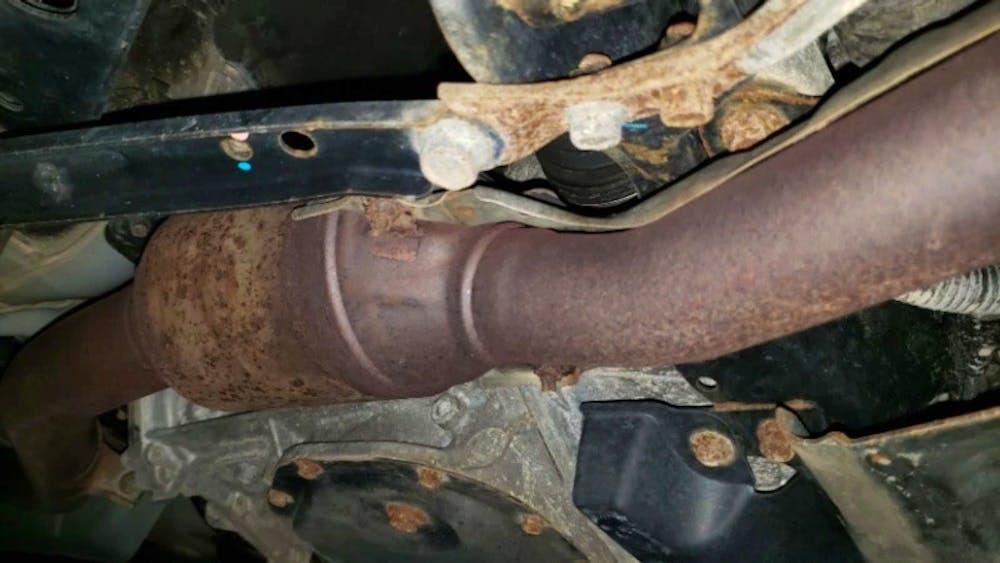
- Visible rust or holes on the exhaust pipes
- Decreased fuel efficiency or engine power
- Check engine light turning on
Causes Of Exhaust Issues
Exhaust problems happen for different reasons. Knowing what causes them can help prevent damage.
- Rust and corrosion from water and road salt
- Physical damage from hitting road debris
- Wear and tear due to old age
- Loose or broken exhaust hangers and clamps
- Engine problems causing excess heat or gas pressure
Parts Of An Exhaust System
The exhaust system helps remove harmful gases from your car. It keeps the engine running smoothly.
Knowing the parts of this system can help you understand repair costs better.
Muffler
The muffler reduces the noise made by the engine. It has chambers and tubes that cancel sound waves.
Catalytic Converter
This part cleans harmful gases before they leave the car. It changes bad chemicals into less harmful ones.
Exhaust Manifold
The exhaust manifold collects gases from the engine cylinders. It sends these gases to the pipes.
Oxygen Sensors
Oxygen sensors check the gas levels in the exhaust. They send information to the engine computer.
- Help control fuel use
- Reduce emissions
- Improve engine performance
Pipes And Clamps
Pipes carry exhaust gases through the system. Clamps hold pipes and parts tightly in place.
| Part | Function | Common Issue |
| Muffler | Noise reduction | Rust and holes |
| Catalytic Converter | Gas cleaning | Clogging |
| Exhaust Manifold | Gas collection | Cracks |
| Oxygen Sensors | Gas level check | Sensor failure |
| Pipes and Clamps | Gas transport and support | Leaks and loosening |
Factors Influencing Repair Costs
Fixing an exhaust system can vary in cost. Several factors influence the final price. Knowing these can help you budget better.
In this guide, we will explore the key factors. These include damage type, vehicle make, labor charges, and parts quality.
Type Of Damage
The type of damage affects repair costs. Simple issues cost less to fix than complex ones. Rust and leaks are common exhaust problems.
If a full replacement is needed, costs rise. Regular checks can prevent severe damage.
Vehicle Make And Model
Vehicle make and model impact repair costs. Luxury cars often need more expensive parts. Older models may have scarce parts, increasing costs.
- Luxury brands have higher repair costs
- Older models might need custom parts
- Common models usually cost less to fix
Labor Charges
Labor charges vary by location and mechanic experience. Skilled mechanics might charge more but provide quality service.
Check different service centers for the best prices. Some offer discounts for first-time customers.
Parts Quality
Parts quality influences repair costs. Original parts cost more than aftermarket ones. However, they often last longer.
Consider the long-term benefits of high-quality parts. They might save money by reducing future repairs.
Credit: www.cartalk.com
Typical Repair Costs By Component
The exhaust system helps your car run clean and quiet. Fixing it can cost different amounts. The price depends on the part that needs repair.
Here are common parts of the exhaust system and their typical repair costs.
Muffler Replacement Costs
The muffler reduces noise from your car’s engine. If it is damaged, you might hear loud sounds or rattles. Replacing the muffler is common.
Muffler replacement usually costs between $100 and $300. The price depends on the car model and muffler type.
- Standard muffler: $100 – $200
- Performance muffler: $200 – $300
- Labor costs: $50 – $100
Catalytic Converter Repair Prices
The catalytic converter cleans harmful gases from your car. It can get clogged or broken. Repair or replacement can be expensive.
Repairing a catalytic converter costs $150 to $500. Replacement is more costly, often $500 to $2,500 depending on the car.
- Minor repairs: $150 – $500
- Full replacement: $500 – $2,500
- Labor costs: $100 – $200
Exhaust Pipe Fix Expenses
The exhaust pipe carries gases from the engine to the rear of the car. It can rust or crack. Fixing or replacing it is a common repair.
Exhaust pipe repair costs range from $100 to $300. Full pipe replacement may cost $200 to $600.
- Small repairs: $100 – $200
- Pipe replacement: $200 – $600
- Labor fees: $50 – $150
Oxygen Sensor Replacement Costs
The oxygen sensor checks the air-fuel mix in your engine. A bad sensor can cause poor fuel economy. Replacing it is important for engine health.
Oxygen sensor replacement costs range from $100 to $300. Prices depend on sensor type and vehicle model.
- Sensor price: $50 – $200
- Labor costs: $50 – $100
- Total cost: $100 – $300
Diy Vs Professional Repairs
Fixing an exhaust system can save money and keep your car running well. You can try to do it yourself or hire a professional. Each choice has its own costs and risks.
This guide will help you decide when to fix it yourself and when to get expert help. It also compares the costs of both options.
When To Attempt Diy
Some exhaust repairs are simple and can be done at home. Small holes or loose clamps may only need basic tools and parts. You should try DIY only if you have some mechanical skill and safety gear.
- Check if the damage is easy to reach
- Use the right tools like wrenches and clamps
- Follow safety steps to avoid burns or injury
- Buy parts that match your car model
- Stop if you find bigger problems or rust
Benefits Of Professional Service
Professionals have experience and tools to fix your exhaust correctly. They can spot hidden damage and fix it safely. This saves time and prevents future issues.
- Use specialized tools for complex repairs
- Offer warranty on work and parts
- Detect problems beyond the visible damage
- Ensure your car meets emission standards
- Save time and reduce risks of injury
Cost Comparisons
| Repair Type | DIY Cost | Professional Cost |
|---|---|---|
| Small hole patch | $20 – $50 (parts only) | $80 – $150 (labor + parts) |
| Muffler replacement | $50 – $120 | $150 – $300 |
| Full exhaust system | Not recommended | $500 – $1200 |

Credit: www.whocanfixmycar.com
Tips To Lower Exhaust Repair Costs
Fixing your car’s exhaust system can be expensive. You can save money by taking some simple steps. These tips help you avoid costly repairs and keep your exhaust working well.
Below are three important ways to lower your exhaust repair costs. Each focuses on a smart approach to maintain and repair your system without spending too much.
Regular Maintenance
Keeping your exhaust system in good shape stops small problems from getting worse. Check the system often for leaks or rust. Clean parts if needed to avoid damage.
- Inspect exhaust pipes for holes or cracks
- Clean the exhaust system to remove dirt and debris
- Listen for unusual noises that may show a problem
- Replace worn-out hangers and clamps
- Follow your car’s maintenance schedule
Choosing Aftermarket Parts
Aftermarket parts cost less than original parts. They fit most cars and work well if you pick the right ones. Look for quality parts to avoid more repairs later.
| Type of Part | Benefits | Things to Check |
| Aftermarket Mufflers | Lower price, easy to find | Material quality, fit to your car |
| Replacement Pipes | Affordable, wide variety | Rust resistance, proper dimensions |
| Oxygen Sensors | Cheaper than OEM | Sensor compatibility, warranty |
Finding Reliable Mechanics
Good mechanics do the job right and avoid extra costs. Take time to find honest and skilled workers. Ask questions and check reviews before choosing.
- Ask friends or family for recommendations
- Read online reviews and ratings
- Get price estimates from several shops
- Confirm the mechanic has experience with exhaust systems
- Check if the shop offers warranties on repairs
Impact Of Exhaust Issues On Vehicle Performance
The exhaust system removes harmful gases from the engine. Problems in this system can hurt how your vehicle runs. Fixing these issues affects the car’s power and safety.
Knowing how exhaust problems affect your vehicle helps you decide when to repair it. It keeps your car working well and saves money on fuel and repairs.
Fuel Efficiency
A damaged exhaust system can lower fuel efficiency. Leaks or blockages make the engine work harder. This causes more fuel to burn than usual.
Fixing exhaust problems helps the engine run smoothly. This saves fuel and cuts down on costs over time.
- Leaks cause loss of engine power
- Blocked pipes reduce air flow
- Both lead to higher fuel use
Emissions
The exhaust system controls harmful emissions from the engine. Problems can increase pollution and cause your car to fail tests. This can lead to fines or restrictions.
Repairing the exhaust helps keep emissions low. It protects the environment and meets legal rules.
- Faulty exhaust leaks gases into the air
- Increased emissions harm air quality
- Fixes ensure cleaner exhaust output
Engine Health
A bad exhaust system can damage the engine. It can cause overheating or back pressure. This reduces engine life and raises repair costs.
Fixing exhaust issues protects the engine. It keeps the car running longer and avoids major repairs.
- Exhaust leaks can cause engine overheating
- Back pressure affects engine performance
- Timely repairs prevent engine damage
Credit: www.bumper.co
Frequently Asked Questions
How Much Does Exhaust System Repair Usually Cost?
Exhaust system repair costs range from $100 to $1,200. The price depends on the damage extent, parts needed, and labor fees. Minor repairs like patching leaks are cheaper, while full replacement of components costs more.
What Factors Affect Exhaust System Repair Costs?
Repair costs depend on the damage severity, part type, labor rates, and vehicle model. High-performance or luxury cars often have pricier parts. Labor charges vary by location and garage expertise, influencing the total expense significantly.
Can I Drive With A Damaged Exhaust System?
Driving with a damaged exhaust is unsafe and illegal in some areas. It can reduce fuel efficiency, increase emissions, and cause harmful fumes to enter the cabin. Repairing it promptly ensures safety and compliance with regulations.
How Long Does Exhaust System Repair Take?
Most exhaust repairs take 1 to 3 hours depending on the issue. Simple fixes like replacing a muffler are quicker, while extensive work like catalytic converter replacement takes longer. Scheduling an appointment can speed up the process.
Conclusion
Fixing your exhaust system can vary in cost depending on the damage. Small repairs like patching holes cost less than full replacements. Knowing the problem early saves money and keeps your car safe. Always get a few quotes from trusted mechanics before deciding.
Regular checks help avoid big repairs later. Taking care of your exhaust improves fuel efficiency and reduces pollution. Keep your car running smoothly by addressing exhaust issues promptly. Don’t wait until problems get worse or more expensive to fix.