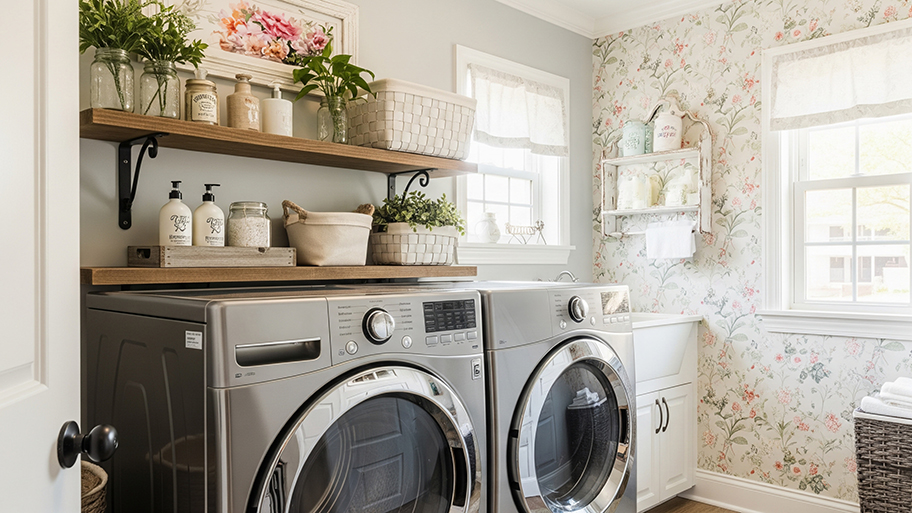
Thinking about adding washer and dryer hookups in your home? You might be wondering, “How much will this actually cost me?” Installing these hookups can make laundry day easier and more convenient, but the price can vary a lot depending on your space and needs.
If you want to avoid surprise expenses and get the best value for your money, you need to know what factors influence the cost. Keep reading to discover everything you should consider before starting your installation—so you can make smart decisions that save you time and money.
Factors Affecting Installation Cost
Installing washer and dryer hookups can vary in price. The total cost depends on several key factors. Knowing these helps you plan your budget better.
Each home is different, so installation costs differ. Some jobs require more work and materials than others.
Location And Accessibility
The place where you want the hookups affects the price. If the location is hard to reach, it takes more time and effort. This raises the cost.
For example, basements or tight closets need extra work to run pipes and wires. Open laundry rooms are easier and cheaper to install.
Existing Plumbing And Electrical Setup
The current plumbing and electrical systems in your home matter. If pipes or wiring are missing or outdated, you will pay more.
- Adding new water lines costs more than using existing ones
- Upgrading electrical panels or outlets adds to the price
- Repairing old pipes or wires increases labor time
Type Of Washer And Dryer
Different washers and dryers need different hookups. The type you choose affects installation cost and complexity.
| Washer/Dryer Type | Installation Needs | Cost Impact |
| Standard Electric | Regular outlets and water lines | Lower |
| Gas Dryer | Gas line and venting | Higher |
| Stacked Units | Special space and vent setup | Moderate |
Permits And Inspection Fees
Local rules may require permits for installation. You might also need inspections after work finishes.
Here are common fees you might face:
- Permit application charges
- Inspection costs
- Possible re-inspection fees if issues occur

Credit: www.reddit.com
Cost Components Explained
Installing washer and dryer hookups needs several parts and work. Knowing each cost helps plan your budget. This guide breaks down the main cost parts.
Costs come from plumbing, electrical work, materials, and labor. Each has its own price range. Let’s look at them one by one.
Plumbing Installation Costs
Plumbing is needed to supply water to the washer and drain wastewater. Installing pipes and fittings affects the price.
Costs depend on the distance from existing water lines and the type of pipes used. Copper pipes cost more than PVC.
- Water supply line installation
- Drain pipe setup
- Shutoff valves and connectors
- Permits and inspections
Electrical Work Expenses
Dryers need a special electrical outlet, usually a 240-volt connection. Adding this outlet can cost more if wiring is far.
Costs vary based on the home’s wiring and the distance from the circuit panel to the dryer location.
- Installing 240V dryer outlet
- Upgrading circuit breakers if needed
- Running new electrical cables
- Safety inspections
Additional Materials And Parts
Besides plumbing and electrical parts, you need hoses, connectors, and possibly a vent for the dryer.
These materials add to the cost but are essential for safe and proper installation.
- Water supply hoses for washer
- Drain hoses and traps
- Dryer vent duct and cover
- Mounting brackets and supports
Labor Charges
Labor costs depend on the complexity and time needed for installation. More work means higher charges.
Hourly rates vary by location and contractor experience. Some jobs take a few hours, others may take a full day.
- Hourly or flat labor rates
- Time to run plumbing and electrical lines
- Testing and final adjustments
- Cleanup after installation
Typical Price Ranges
Installing washer and dryer hookups costs vary widely. Prices depend on the complexity of the job and location.
Knowing the typical price ranges helps you plan your budget better. This guide covers basic, complex, and DIY options.
Basic Installation Costs
Basic installations usually include water supply lines, drain lines, and electrical outlets. These are for homes with existing plumbing.
The cost covers labor and materials. It is the most common type of installation.
- Water supply and drain hookup: $150 to $350
- Electrical outlet installation: $100 to $250
- Total basic installation: $250 to $600
Complex Installations
Complex installations require new plumbing or electrical work. This happens when no hookups exist in the laundry area.
Additional costs come from running pipes, wiring, or venting. This work takes more time and skill.
- Running new water lines: $500 to $1,000
- Installing new electrical circuits: $400 to $800
- Dryer vent installation: $150 to $400
- Total complex installation: $1,000 to $2,500
Diy Vs Professional Installation
DIY installation saves money but needs skill and tools. Mistakes can cause leaks or electrical hazards.
Professionals ensure safe and correct hookups. They handle permits and code requirements.
- DIY costs: $50 to $200 for parts only
- Professional costs include labor and materials
- Professional installation reduces risks and warranty issues
Ways To Save On Installation
Installing washer and dryer hookups can be costly. Knowing how to save money helps you keep expenses low.
This guide shows easy ways to reduce installation costs without cutting corners.
Choosing The Right Location
Select a spot near existing water and electrical lines. This lowers the cost of running new pipes and wires.
A basement or laundry room close to plumbing often costs less to equip.
Bundling Services
Ask contractors if they offer discounts for multiple jobs. Bundling helps save on labor and service fees.
- Combine washer and dryer hookup installation
- Include related plumbing or electrical repairs
- Schedule other home improvement projects together
Using Existing Hookups
Reuse old plumbing and electrical connections if they are in good condition. This cuts the need for new materials.
| Hookup Type | Cost Savings |
|---|---|
| Water Supply Lines | Up to 30% lower |
| Drainage Pipes | Up to 25% lower |
| Electrical Wiring | Up to 20% lower |
Comparing Contractor Quotes
Get at least three quotes from different contractors. Compare prices and services to find the best deal.
- Request detailed estimates
- Check reviews and references
- Ask about warranties and guarantees
- Negotiate price and payment terms
Common Installation Challenges
Installing washer and dryer hookups often comes with unexpected challenges. These can affect the cost and time needed to complete the job.
Knowing about common issues helps you plan better and avoid surprises during installation.
Dealing With Older Homes
Older homes may lack modern plumbing or electrical setups for washers and dryers. Pipes might be outdated or in hard-to-reach places.
- Old pipes may need replacement to avoid leaks.
- Electrical wiring might not support new appliances.
- Walls or floors may require extra work to add hookups.
- Finding space for new vents can be tricky.
Space Constraints
Small laundry areas limit where you can put hookups. Tight spaces may need creative solutions to fit all connections.
| Space Issue | Possible Solution |
| Narrow closets | Use stackable washer and dryer units |
| Limited wall space | Install compact plumbing and electrical fittings |
| Low ceilings | Choose low-profile venting options |
Upgrading Electrical Panels
Washers and dryers need enough power. Old electrical panels may not handle the extra load safely.
Upgrading the panel includes:
- Checking the panel’s capacity
- Replacing fuses with circuit breakers
- Adding dedicated circuits for appliances
- Ensuring compliance with electrical codes
Water Drainage Issues
Proper drainage is vital to avoid leaks and water damage. Some homes have drainage that is not ready for a washer.
| Drainage Problem | Impact | Solution |
|---|---|---|
| Old or clogged pipes | Slow draining or backups | Clean or replace pipes |
| No dedicated drain line | Water may spill onto floors | Install a proper standpipe or drain pan |
| Improper venting | Drainage issues and odors | Add vent pipes or air admittance valves |

Credit: www.reddit.com
Credit: www.angi.com
Frequently Asked Questions
How Much Does Installing Washer Hookups Cost?
Installing washer hookups typically costs between $300 and $1,000. Prices vary depending on plumbing complexity and location. Additional electrical work may increase costs. Hiring a professional plumber ensures safe and compliant installation. Always get multiple quotes for the best price and quality.
What Factors Affect Dryer Hookup Installation Price?
Dryer hookup costs depend on vent type, electrical requirements, and distance to power source. Gas dryers need gas line installation, increasing expenses. Electric dryers require a 240-volt outlet. Existing infrastructure and labor rates also influence the overall price.
Can I Install Washer Hookups Myself?
DIY installation is possible but requires plumbing and electrical skills. Mistakes can cause leaks or hazards. Professionals ensure proper setup and code compliance. If unsure, hiring a licensed plumber is safer and often more cost-effective.
How Long Does Washer And Dryer Hookup Installation Take?
Installation usually takes 2 to 4 hours, depending on complexity. Simple setups with existing connections are quicker. New plumbing or electrical lines extend the time. Scheduling with a professional can ensure efficient and timely completion.
Conclusion
Installing washer and dryer hookups costs vary by home and location. Expect to pay for plumbing, electrical work, and permits. Doing the job right ensures safety and efficiency. Planning your budget helps avoid surprises. Simple setups cost less, while complex ones need more work.
Choose qualified professionals to get the best results. Clean and convenient laundry space adds value to your home. Now, you have a clear idea of what to expect. Ready to make laundry easier at home?