Thinking about replacing your air conditioner but unsure how much it will cost? You’re not alone.
Knowing the price upfront can help you plan better and avoid surprises when the hot weather hits. You’ll discover the key factors that influence the cost of a new air conditioner and get clear, simple answers to help you make the best choice for your home and budget.
Keep reading to find out exactly what you need to know before making this important investment.

Credit: www.furnaceprices.ca
Factors Affecting Replacement Cost
Unit size and capacity affect the cost significantly. Larger units cool bigger spaces but cost more. Capacity is measured in tons or BTUs. Choosing the right size saves money and energy.
Energy efficiency ratings impact both price and running costs. Higher ratings mean better savings on electricity bills. Look for SEER or EER ratings when choosing a unit.
Different types of air conditioners have different price ranges. Central ACs usually cost more than window or portable units. Split systems offer flexibility but vary in price.
Installation complexity can raise the total cost. Difficult jobs need more time and tools. Complex ductwork or electrical upgrades increase expenses.
Location and accessibility matter too. Hard-to-reach areas require extra work, raising labor costs. Easy access lowers installation time and cost.
Credit: www.furnaceprices.ca
Average Price Ranges
The cost to replace air conditionersvaries by type. Window unitsare usually the cheapest, costing between $150 and $500. They are easy to install and fit small spaces well.
Split systemsrange from $1,200 to $4,500. These have indoor and outdoor parts, offering better cooling for medium-sized homes.
Central air conditionersare the most expensive, costing $3,000 to $7,000. They cool entire homes and need professional installation.
Portable unitscost between $300 and $800. They are easy to move but less powerful than other types.
| Type | Price Range | Key Features |
|---|---|---|
| Window Units | $150 – $500 | Easy install, best for small rooms |
| Split Systems | $1,200 – $4,500 | Indoor/outdoor units, medium homes |
| Central Air Conditioners | $3,000 – $7,000 | Whole home cooling, professional install |
| Portable Units | $300 – $800 | Moveable, less powerful |
Additional Expenses To Consider
Removing the old air conditioner may cost extra. It involves labor and disposal fees. Some companies include this in the total price, but others charge separately.
Ductwork might need fixing to ensure cool air flows well. Leaks or damage can raise energy bills. Repair costs vary based on the damage size.
Upgrading your thermostat can improve comfort and save energy. Smart thermostats adjust temperatures automatically. They often cost more but offer better control.
Permits and inspections are required by local rules. These ensure the installation is safe and meets standards. Permit fees depend on the area and job size.
Credit: www.furnaceprices.ca
Cost-saving Tips
Seasonal discountscan lower air conditioner replacement costs significantly. Prices drop during off-peak seasons like fall or winter. Check local stores for special sales or clearance offers.
Energy rebatesfrom utility companies help reduce your bill. Many offer cash back for installing energy-efficient models. Always ask about rebate programs before buying.
- DIY installationmight save money but risks improper setup.
- Professional installationensures safety and correct function.
- Professionals may provide warranties and service guarantees.
Regular maintenance keeps your air conditioner working well. Clean filters and coils improve efficiency. This lowers energy costs and extends unit life. Scheduling yearly checks avoids costly repairs later.
When To Replace Vs Repair
Signs of inefficiencyinclude poor cooling, frequent breakdowns, and strange noises. A unit that struggles to keep your home cool wastes energy and money.
The repair cost thresholdis key. If repair costs exceed 50% of a new unit’s price, replacement is wiser. This saves future repair expenses.
The age of the unitmatters. Most air conditioners last 10-15 years. Older units often lose efficiency and break down more.
Impact on energy billsis a big clue. Rising bills without usage increase suggest the AC is working harder and less efficient. New units use less energy.
Frequently Asked Questions
How Much Does Ac Replacement Cost On Average?
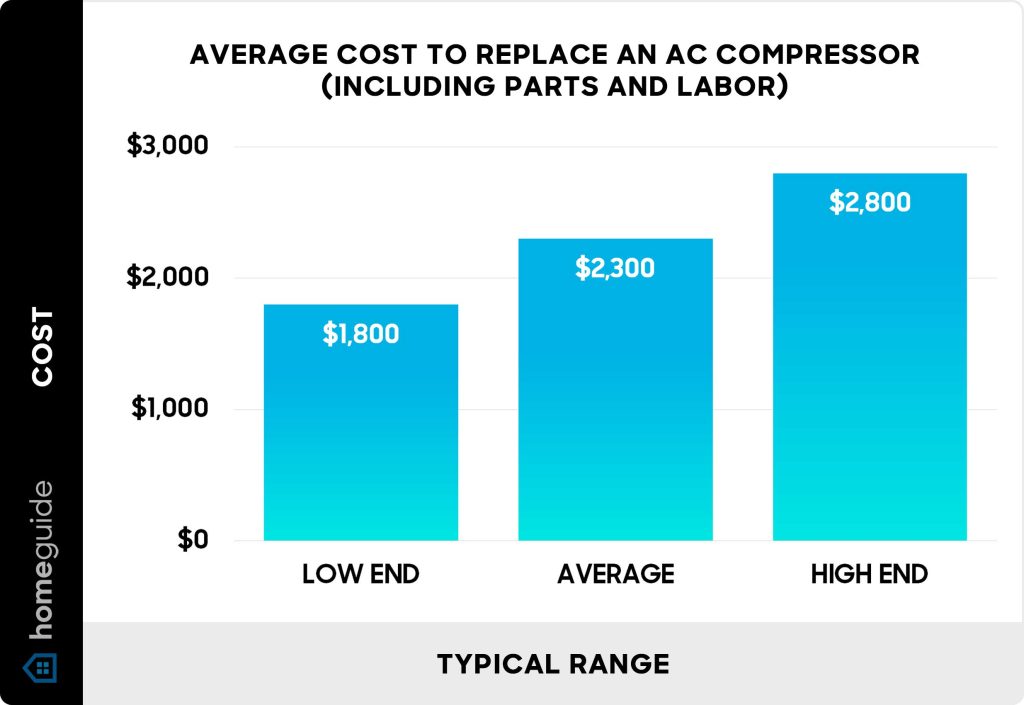
The average AC replacement cost ranges from $3,000 to $7,000. Factors like unit size, brand, and installation complexity affect the price. Additional expenses may include ductwork or electrical upgrades.
What Factors Influence Air Conditioner Replacement Price?
Price depends on unit size, efficiency rating, brand, and installation labor. Home size and existing ductwork condition also impact costs. Upgrading to energy-efficient models may increase upfront costs but save energy.
Is It Cheaper To Repair Or Replace An Ac?
If repair costs exceed 50% of replacement price, replacing is often cheaper. Older units with frequent breakdowns benefit more from replacement. New models offer better efficiency and warranties.
How Long Does An Ac Unit Last Before Replacement?
Typical AC units last 10 to 15 years. Proper maintenance can extend lifespan. If frequent repairs occur, replacement might be more cost-effective.
Conclusion
Replacing an air conditioner costs vary by brand, size, and installation. Choosing the right unit saves money and energy. Regular maintenance helps extend your AC’s life. Compare prices from several professionals before deciding. A good AC keeps your home cool and comfortable.
Plan your budget carefully to avoid surprises. Stay informed and make smart choices for your home.