Have you ever wondered how much vacuum your brake booster really needs? If you’re like most car owners, you might not give it a second thought until something goes wrong.
But understanding the vacuum requirements of your brake booster is crucial for safe and efficient driving. Whether you’re a DIY enthusiast or just curious about how your car works, this knowledge can save you from unexpected brake failure and costly repairs.
In this guide, you’ll discover exactly how vacuum impacts your brake system and what you need to ensure your vehicle stops smoothly every time. Stick around, and let’s unlock the secrets of the brake booster together. Your safety might just depend on it.
Brake Booster Basics
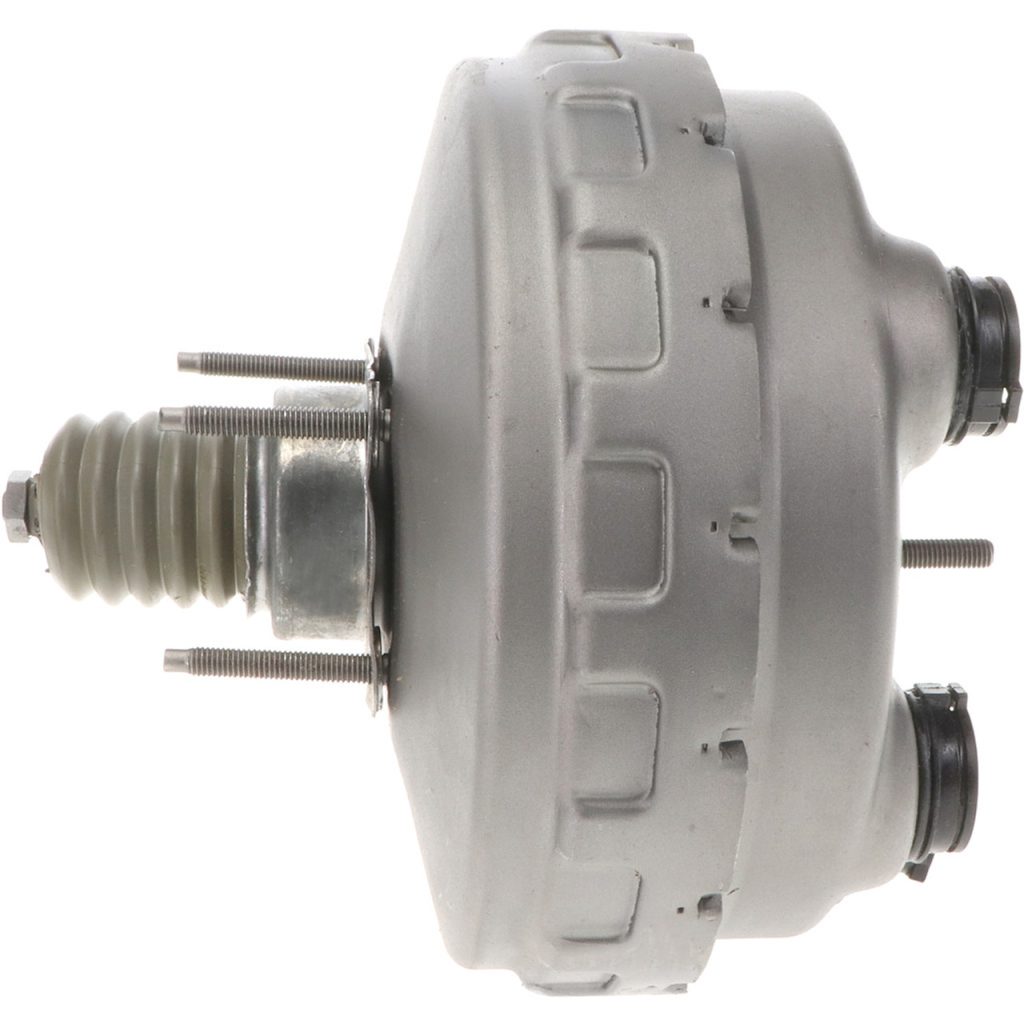
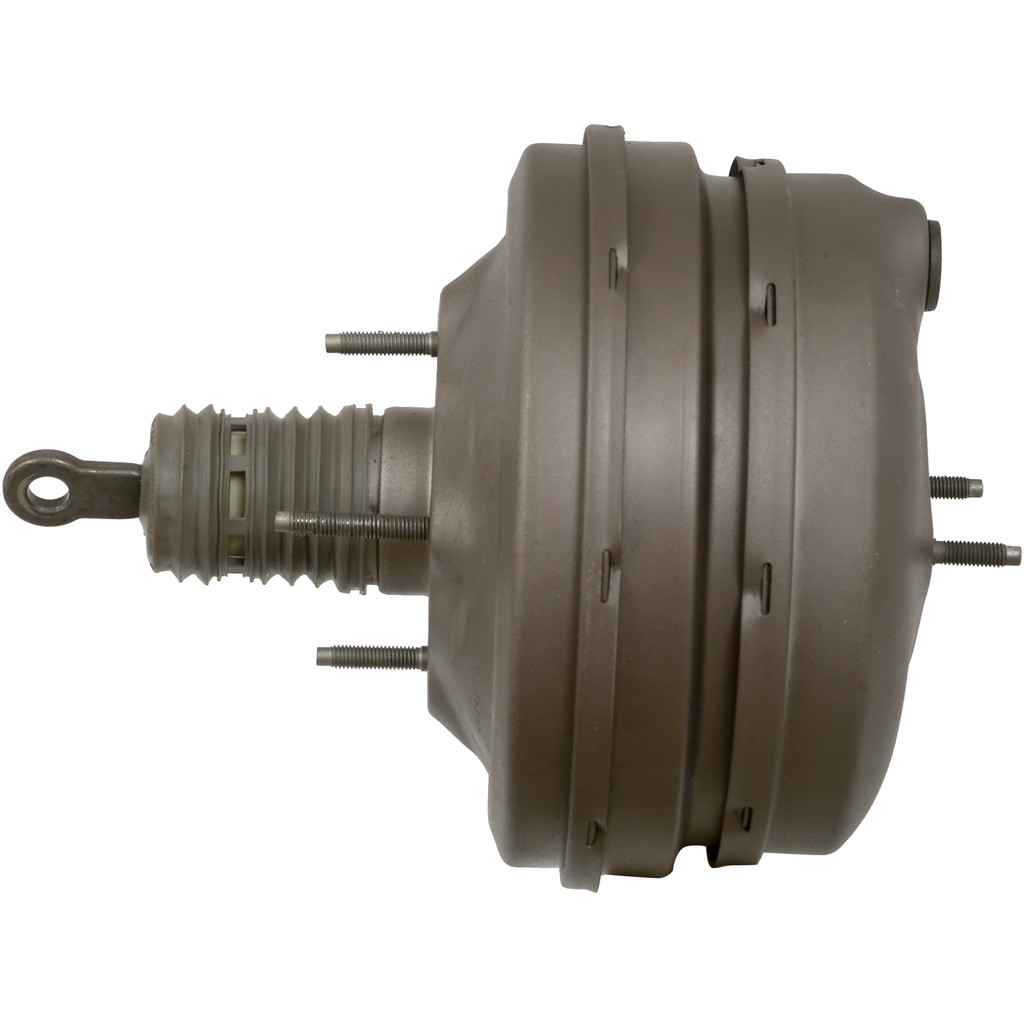
The brake booster is a key player in your vehicle’s braking system. It uses vacuum pressure to help you stop with less effort. Understanding how it works can help you spot issues before they become serious problems.
Role In Braking System
The brake booster’s main job is to multiply the force you apply on the brake pedal. Without it, pressing the pedal would require much more physical effort. It uses vacuum from the engine to create this extra power, making braking smoother and safer.
Think about the last time you drove a car without power brakes. Did you notice how hard it was to stop quickly? The booster takes away that struggle by doing the heavy lifting for you.
Types Of Brake Boosters
There are a few types of brake boosters, each with its own way of using vacuum pressure:
- Vacuum Brake Booster:The most common type, it uses engine vacuum to assist braking.
- Hydro-Boost:Uses hydraulic pressure from the power steering system, helpful in diesel engines or vehicles with low vacuum.
- Electric Brake Booster:Found in newer vehicles, it uses an electric motor to provide assist, independent of engine vacuum.
Choosing the right type depends on your vehicle’s design and your driving needs. Have you ever wondered how your car’s brake system adapts to different driving conditions? The type of booster plays a big role in that adaptability.
Credit: www.cardone.com
Vacuum Requirements
Understanding the vacuum requirements of a brake booster is key to ensuring your vehicle’s braking system works smoothly and safely. The vacuum level directly influences how much assistance the booster provides when you press the brake pedal. Too little vacuum, and your brakes may feel heavy or unresponsive; too much, and you risk damaging the booster or other components.
Optimal Vacuum Levels
Most brake boosters require a vacuum level between 15 to 22 inches of mercury (inHg)to operate efficiently. This range provides enough force to amplify your pedal pressure without overstraining the system. Think about how your brakes respond during a long drive: if the vacuum falls below this range, you’ll likely notice a harder pedal or delayed braking response.
Vacuum levels around 18 to 20 inHg are often considered ideal for everyday driving conditions. Maintaining this range ensures consistent brake assistance and safer stops. Have you ever felt your brakes suddenly become stiff? It might be a sign that your vacuum is dropping below optimal levels.
Factors Affecting Vacuum Needs
Several factors influence how much vacuum your brake booster actually needs. Engine type plays a big role—gasoline engines typically produce sufficient vacuum naturally, while diesel engines and turbocharged setups might need an external vacuum pump.
The condition of your vacuum lines and check valves also matters. Any leaks or blockages can reduce vacuum pressure, causing weak brake assistance. Weather and altitude can subtly affect vacuum levels too; at higher altitudes, the air pressure drops, which can lower the vacuum efficiency.
- Engine vacuum output
- Vacuum line integrity
- Presence of vacuum pump (if needed)
- Altitude and atmospheric pressure
- Vehicle load and braking demands
Do you regularly check your vacuum hoses for cracks or wear? A simple inspection could prevent a dangerous loss of braking power. Understanding these factors can help you troubleshoot brake issues more effectively and keep your braking system at peak performance.
Measuring Vacuum Pressure
Measuring vacuum pressure in a brake booster is key to ensuring proper brake function. The vacuum helps reduce the effort needed to press the brake pedal. Accurate measurement shows if the booster gets enough vacuum to work efficiently. This process involves using the right tools and understanding the readings. Proper vacuum levels keep your brakes responsive and safe.
Tools And Techniques
Use a vacuum gauge to measure pressure in the brake booster. This tool attaches to the vacuum hose leading to the booster. A handheld vacuum pump can also test the system’s vacuum hold. Digital gauges give precise readings and are easy to read. Check the vehicle’s manual for the exact vacuum range needed. Ensure the engine is running or at idle to get accurate results.
Interpreting Results
A healthy brake booster usually requires vacuum pressure between 15 and 22 inches of mercury (inHg). Readings below this range suggest leaks or a weak vacuum source. Consistent vacuum pressure means the booster will assist braking properly. If pressure drops quickly during testing, the booster or hoses may be faulty. Always compare your measurements with manufacturer specifications for best results.
Common Vacuum Issues
Common vacuum issues in brake boosters can affect vehicle safety and braking performance. The brake booster relies on a steady vacuum to assist braking effort. A loss of vacuum reduces power assist, making brakes harder to press. Identifying vacuum problems early helps prevent brake failure and costly repairs.
Symptoms Of Low Vacuum
- Hard brake pedal that requires more force
- Longer stopping distances
- Engine stalling or rough idling
- Hissing noise near the brake pedal
- Brake warning light on the dashboard
Causes Of Vacuum Loss
- Leaks in vacuum hoses or connections
- Damaged or cracked brake booster diaphragm
- Faulty check valve allowing air to enter
- Engine vacuum pump failure or weak vacuum source
- Intake manifold leaks reducing vacuum supply
Maintaining Proper Vacuum
Maintaining proper vacuum in a brake booster is essential for safe and smooth braking. The brake booster relies on vacuum pressure to reduce the effort needed to press the brake pedal. Without the right vacuum level, braking performance drops and can become unsafe.
Keeping the vacuum system in good shape helps the brake booster work correctly. Regular checks and quick repairs prevent issues. This ensures the vacuum remains steady and effective for braking support.
Regular Inspection Tips
- Check vacuum hoses for cracks, splits, or hardening.
- Listen for hissing sounds near the brake booster when the engine runs.
- Inspect the vacuum check valve to ensure it moves freely and seals tightly.
- Use a vacuum gauge to measure pressure; ideal vacuum is around 18-22 inches of mercury (inHg).
- Look for oil or dirt buildup around vacuum connections that may cause leaks.
Fixing Vacuum Leaks
- Replace damaged or old vacuum hoses with new, flexible ones.
- Clean or replace the vacuum check valve if it is faulty.
- Tighten or replace hose clamps to stop air leaks.
- Seal small cracks using vacuum-safe sealant or tape designed for automotive use.
- Test the system again after repairs to confirm vacuum holds steady.

Credit: www.cardone.com
Vacuum Alternatives
Vacuum is the usual power source for brake boosters, but some vehicles use different systems. These vacuum alternatives offer reliable brake assistance without relying solely on engine vacuum. They suit vehicles with turbocharged engines or electric powertrains.
These systems help maintain strong braking performance. They do not depend on the engine’s vacuum output. This improves braking consistency and reliability in various driving conditions.
Hydraulic Boosters
Hydraulic boosters use fluid pressure to assist braking. They connect to the vehicle’s power steering system or a dedicated pump. This pressure helps push the brake master cylinder, reducing pedal effort.
Hydraulic systems perform well in heavy vehicles and trucks. They provide steady brake assist even when the engine vacuum is low. This makes them ideal for diesel engines and large SUVs.
Maintenance involves checking fluid levels and ensuring no leaks. Hydraulic boosters offer strong braking power without vacuum dependence.
Electric Brake Boosters
Electric brake boosters use an electric motor to generate assist. They work independently from the engine vacuum or hydraulic pressure. This system suits hybrid and electric vehicles perfectly.
Electric boosters respond quickly to brake inputs. They provide consistent force regardless of engine speed or load. This improves braking feel and safety.
These boosters often include sensors and control units. They adjust assist based on driving conditions and brake demand. Electric boosters reduce emissions by eliminating vacuum pumps.

Credit: redlinelandcruisers.com
Frequently Asked Questions
How Much Vacuum Does A Brake Booster Require?
A brake booster typically needs between 15 to 20 inches of mercury (inHg) vacuum. This range ensures proper power assist for effective braking. Insufficient vacuum can cause hard brake pedals and reduced brake efficiency.
What Happens If A Brake Booster Lacks Vacuum?
Without enough vacuum, the brake booster cannot assist braking. This results in a hard brake pedal and longer stopping distances. The driver must apply more force, which reduces overall brake system performance and safety.
Can A Vacuum Pump Replace Engine Vacuum For Brake Boosters?
Yes, a vacuum pump can replace engine vacuum in vehicles without sufficient vacuum. Electric vacuum pumps provide consistent vacuum pressure, ensuring the brake booster functions correctly, especially in turbocharged or electric vehicles.
How To Test Vacuum Levels In A Brake Booster?
Use a vacuum gauge to measure pressure at the brake booster. Ideal readings should be between 15-20 inHg at idle. Lower readings indicate vacuum leaks or malfunctioning components needing repair.
Conclusion
A brake booster needs enough vacuum to work well. Usually, 15 to 20 inches of mercury is enough. This vacuum helps make braking easier and safer. Without the right vacuum, brakes can feel hard and slow to respond. Always check the vacuum level if your brakes feel different.
A good vacuum keeps your car stopping smoothly every time. Simple steps can keep your brake system in top shape. Remember, proper vacuum means safer driving for you and others.