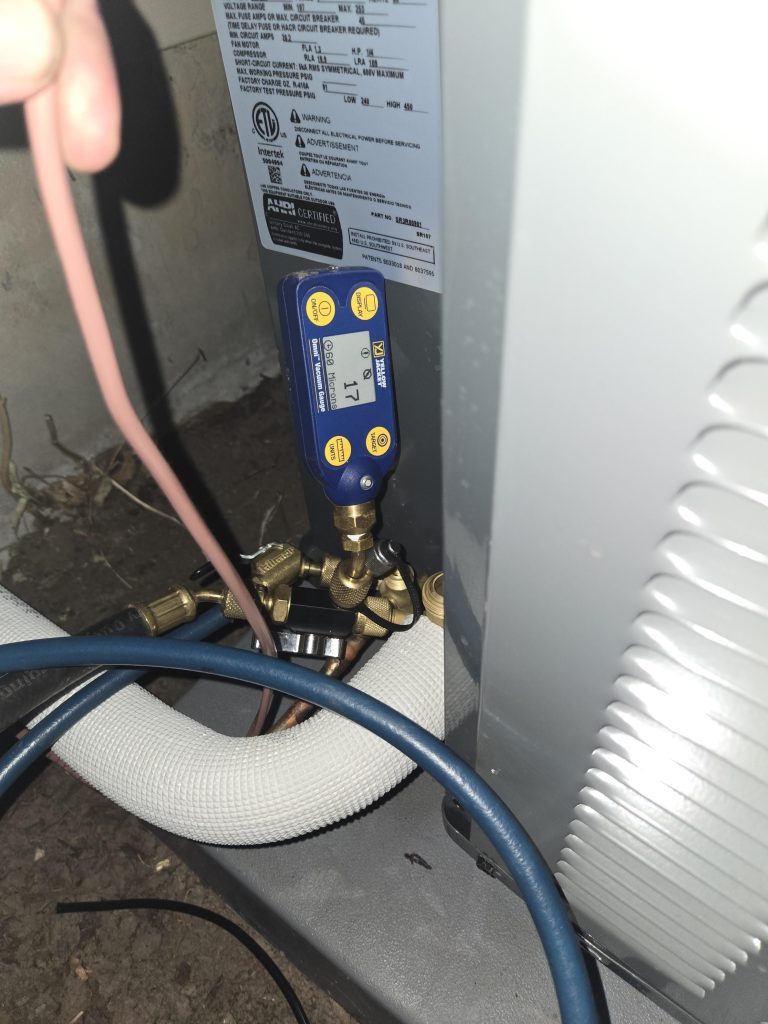
Are you puzzled about how much vacuum to pull on your AC system? You’re not alone.
Many people find themselves scratching their heads when it comes to maintaining their air conditioning systems. But here’s the thing: getting this right can be the difference between a smooth-running AC unit and one that’s struggling to keep up. Imagine the relief of knowing your system is operating at peak efficiency, keeping you cool and comfortable without any hiccups.
We’ll demystify the process and give you the straightforward answers you need. So, if you want to ensure your AC system is in top shape, keep reading. We’ve got the information you need to make informed decisions and keep your home cool and comfortable all year round.
Ideal Vacuum Levels
Understanding the ideal vacuum levels for your AC system is crucial to ensure it runs efficiently and lasts longer. Pulling the correct vacuum removes moisture and air, which can cause damage or reduce cooling performance. But what exactly is the right amount of vacuum to apply, and how do you know when you’ve reached it?
Recommended Vacuum Range
The ideal vacuum level for most AC systems is typically between 500 to 1,000 microns. Achieving this range ensures that all moisture and non-condensable gases are effectively removed.
Many technicians aim for around 500 microns because it provides a strong vacuum without risking damage to the system. Holding the vacuum at this level for at least 15 minutes confirms no leaks or moisture remain.
- Above 1,000 microns:Risk of moisture remaining, leading to corrosion or ice formation.
- Below 500 microns:Generally safe, but going too deep (under 100 microns) often offers no extra benefit and wastes time.
Factors Influencing Vacuum Levels
Several factors affect the vacuum level you need to achieve. For example, the size and length of your AC system’s piping can impact how long it takes to reach the target vacuum.
Systems with longer lines or added components like accumulators or filters often trap more moisture, requiring a more thorough vacuum process. Ambient humidity also plays a role—high humidity means more moisture inside the system, so a deeper or longer vacuum might be necessary.
Have you ever noticed your AC struggling after installation despite vacuuming? It might be due to not adjusting the vacuum level for these factors.
- System size and complexity:Larger or more complex systems need more careful vacuuming.
- Ambient conditions:High humidity means pulling vacuum longer or deeper.
- Equipment quality:Proper vacuum pumps and micron gauges ensure accurate readings.
By understanding these details, you can avoid common mistakes and protect your investment in your AC system.
Vacuum Equipment Types
Choosing the right vacuum equipment is crucial for effectively pulling a vacuum on your AC system. Different tools offer various capabilities and accuracy levels, impacting how well you remove moisture and air from the system. Understanding the types of vacuum pumps and gauges can help you make smarter decisions and avoid common pitfalls.
Single-stage Vs. Two-stage Pumps
Single-stage vacuum pumps are simpler and usually more affordable. They work well for basic HVAC tasks but might struggle to reach the deep vacuum levels needed for thorough moisture removal.
Two-stage pumps have two chambers working in sequence, which allows them to pull a much deeper vacuum. This makes them more effective at removing contaminants and moisture, which can prevent future system issues.
- Single-stage pumps typically pull down to about 100 microns.
- Two-stage pumps can reach as low as 10 microns or better.
- Two-stage pumps are generally preferred for professional-grade AC servicing.
Think about your needs: are you servicing residential systems occasionally, or working on complex commercial setups? Your choice depends on how deep a vacuum you need to achieve.
Using Micron Gauges
Micron gauges are essential tools that measure the vacuum level in your AC system with great precision. Unlike simple pressure gauges, micron gauges display how close you are to a perfect vacuum.
Reaching below 500 microns is a good rule of thumb for proper evacuation, but aiming for under 200 microns ensures most moisture and contaminants are removed. Using a micron gauge helps you avoid guessing and confirms when your system is truly ready.
- Micron gauges provide instant feedback during evacuation.
- They help detect leaks or moisture left in the system.
- Using these gauges improves system reliability and lifespan.
Have you ever struggled with recurring system issues after vacuuming? A reliable micron gauge could be the tool that changes your approach and improves results drastically.
Steps To Achieve Proper Vacuum
Achieving the proper vacuum on your AC system is crucial for its efficiency and longevity. Pulling the right vacuum removes moisture and air, which can cause corrosion and reduce cooling performance. The process requires careful attention and precise steps to ensure your system is ready for refrigerant charging.
System Preparation
Before starting the vacuum, make sure all service ports and valves are closed tightly. Remove any old refrigerant following safety guidelines to avoid environmental harm. Check for visible leaks or damage that might affect the vacuum process.
Use a manifold gauge set to connect your vacuum pump securely to the system. Ensure your vacuum pump is clean and in good condition to avoid introducing contaminants. Proper preparation sets the foundation for an effective evacuation.
Evacuation Process
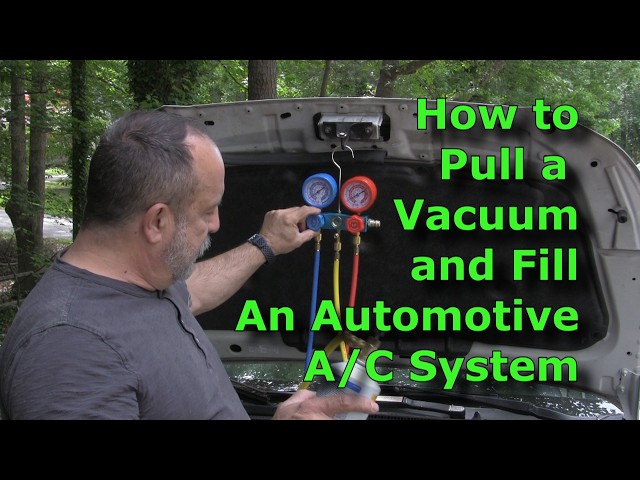
Turn on your vacuum pump and open the manifold valves to let the pump start pulling vacuum from the system. Monitor the gauge closely; you want to reach at least 500 microns or lower to ensure sufficient moisture removal.
This process can take anywhere from 15 minutes to over an hour depending on system size and condition. Be patient—cutting the time short can leave moisture trapped inside. Keep an eye on the pump to confirm it runs steadily without unusual noises or overheating.
Vacuum Hold Test
Once you reach the target vacuum level, close the manifold valves and turn off the vacuum pump. Watch the gauge for at least 10 to 15 minutes to see if the vacuum holds steady.
If the needle rises, it signals leaks or moisture still inside the system. You’ll need to repeat the evacuation or check for leaks before adding refrigerant. Holding vacuum confirms your AC system is airtight and ready for optimal performance.
Credit: www.youtube.com
Common Mistakes To Avoid
Pulling the correct vacuum on an AC system is key to its performance and longevity. Many make avoidable errors that harm the system or reduce efficiency. Understanding these common mistakes helps protect your equipment and ensures optimal results.
Clear knowledge about vacuuming prevents costly repairs and improves cooling power. Avoid shortcuts or careless steps during this process. Here are frequent errors to watch out for when pulling vacuum on your AC system.
Insufficient Vacuum Time
Running the vacuum pump too briefly leaves air and moisture behind. The system needs enough time to reach deep vacuum levels. Most AC systems require at least 15 to 30 minutes of vacuuming. Less time means incomplete removal of contaminants. Always follow manufacturer recommendations for vacuum duration.
Ignoring Moisture Removal
Moisture inside the AC system causes corrosion and ice blockages. Vacuuming removes air but also pulls out water vapor. Neglecting moisture removal risks system damage and poor cooling. Use a micron gauge to check when moisture is fully removed. Never skip this step as it impacts system health.
Over-pulling Vacuum
Vacuuming beyond necessary levels can also cause problems. Excessive vacuum pressure may damage seals or draw out refrigerant oil. Stop vacuuming once the system reaches the recommended micron level. Over-pulling wastes time and may lead to leaks or costly repairs. Precision is crucial for safe vacuuming.
Impact On Ac Efficiency
Pulling the right amount of vacuum on your AC system directly affects how efficiently it cools your space. The vacuum process removes air, moisture, and contaminants that can hinder performance. Understanding this impact helps you maintain a system that runs smoothly and saves you money on energy bills.
Effects Of Improper Vacuum
If you don’t pull enough vacuum, moisture stays trapped inside the system. This moisture can freeze and block refrigerant flow, causing your AC to work harder and cool less effectively.
Too much vacuum or a quick pull can also cause issues. It might draw in air or damage sensitive components, reducing the lifespan of your system.
Have you ever noticed your AC struggling to cool or making strange noises? That might be linked to an improper vacuum during service or installation.
Benefits Of Correct Vacuum Levels
Pulling the correct vacuum level ensures all moisture and air are removed, allowing refrigerant to circulate freely. This means your AC can reach its optimal cooling capacity faster.
Proper vacuuming prevents corrosion and refrigerant leaks, which protects your system and lowers repair costs. It also improves energy efficiency, helping you save on utility bills.
Think about the last time your AC ran smoothly without any hiccups—chances are, the vacuum was done right. How often do you check or maintain this critical step in your AC care routine?
Troubleshooting Vacuum Issues
Vacuum issues in an AC system can cause poor cooling and damage. Troubleshooting these problems is essential for system health. Identifying the root cause saves time and money. Focus on key areas like leaks and contaminants to keep your AC running smoothly.
Detecting Leaks
Leaks let air and moisture enter the AC system. This reduces vacuum quality and cooling efficiency. Use a vacuum gauge to monitor pressure drop over time. A steady pressure rise indicates a leak.
Other ways to find leaks:
- Soap bubble test on connections and hoses.
- Electronic leak detectors for refrigerant escape.
- UV dye injected in the system for visual spotting.
Fix leaks by tightening fittings or replacing damaged parts. Proper sealing maintains vacuum and system performance.
Addressing Contaminants
Air and moisture harm the AC system during vacuum pulling. Moisture causes corrosion and freezes inside the expansion valve. Air lowers cooling efficiency and increases pressure.
To remove contaminants:
- Use a deep vacuum pump for at least 30 minutes.
- Run a nitrogen purge to clear air pockets.
- Replace the filter drier to trap moisture and debris.
Keep the system clean to avoid future vacuum problems. Proper evacuation ensures long-lasting AC performance.
Maintenance Tips For Vacuum Pumps
Maintaining a vacuum pump is essential for efficient AC system service. Proper care ensures the pump runs smoothly and lasts longer. Neglecting maintenance can lead to poor vacuum performance and costly repairs. Here are key tips to keep your vacuum pump in top condition.
Regular Oil Changes
Oil keeps the vacuum pump lubricated and seals air leaks. Over time, oil becomes dirty and loses effectiveness. Change the oil after every 20 to 30 hours of use or as the manufacturer suggests. Use only the recommended oil type for your pump model. Always drain the old oil while the pump is warm for better flow. Clean the oil fill and drain ports before refilling to avoid contamination.
Pump Storage Guidelines
Store the vacuum pump in a clean, dry place to prevent rust and damage. Cover it with a dust-proof cloth or case. Avoid leaving oil inside the pump if it will not be used for a long time. Drain the oil and run the pump for a few minutes to clear residual moisture. Check the pump regularly during storage to ensure it stays in good condition. Proper storage extends the pump’s life and readiness for use.

Credit: www.reddit.com

Credit: www.reddit.com
Frequently Asked Questions
How Much Vacuum Is Needed For Ac System Evacuation?
A deep vacuum of at least 500 microns is required to remove moisture and air. This ensures proper refrigerant performance and system longevity.
Why Is Pulling Vacuum Important In Ac Systems?
Vacuum removes moisture and air, preventing corrosion and ice formation. It prepares the system for efficient refrigerant charging and smooth operation.
How Long Should I Vacuum My Ac System?
Typically, vacuum the system for 15 to 30 minutes. Ensure the vacuum level reaches 500 microns or lower before charging refrigerant.
What Happens If Vacuum Level Is Insufficient?
Insufficient vacuum leaves moisture and air in the system. This causes poor cooling, compressor damage, and reduced AC efficiency.
Conclusion
Pulling the right vacuum on your AC system keeps it running well. Too little vacuum leaves moisture inside, causing damage. Too much vacuum can harm parts and waste time. Aim for about 500 microns to clean the system properly. Always watch the gauge carefully during the process.
A good vacuum helps your AC cool better and last longer. Take your time and follow steps with care. This simple step protects your system and saves money later.