Are you curious about how much water your dishwasher really uses? Understanding this can help you make smarter choices for your home and the environment.
Imagine being able to save money on your utility bills while also conserving water—a precious resource. You might be surprised to learn that dishwashers are often more efficient than washing by hand, but how much water do they truly consume per cycle?
This knowledge could change the way you think about everyday kitchen chores. Dive into this article to discover the fascinating facts about dishwasher water usage, and find out how you can maximize efficiency in your home.
Credit: www.honey-wagonkc.com
Water Usage In Dishwashers
Understanding how much water your dishwasher uses can help you manage your household water consumption better. Dishwashers vary widely in their water usage depending on several factors. Knowing these details can lead to smarter choices and savings on your water bill.
Average Water Consumption
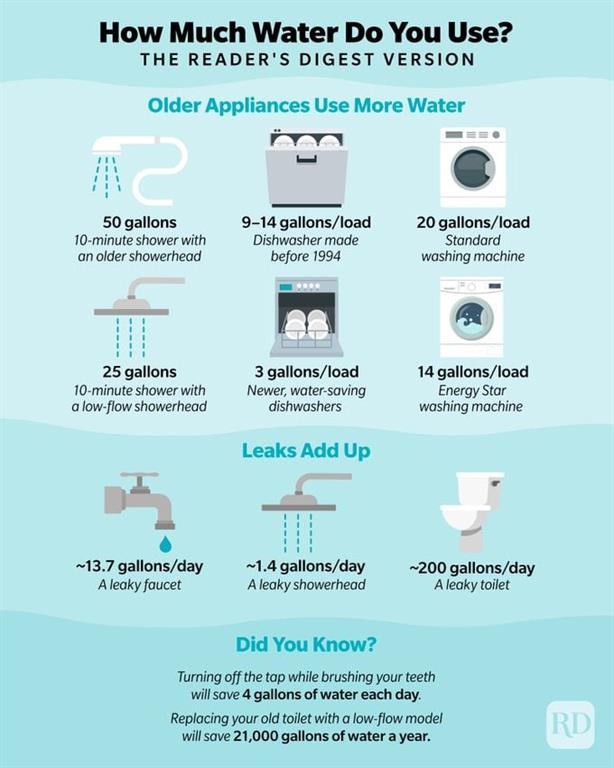
Most modern dishwashers use between 3 to 5 gallons (11 to 19 liters) of water per cycle. Older models, especially those over a decade old, can use up to 10 gallons (38 liters) per load. This difference can have a big impact if you run your dishwasher daily.
I once replaced an old dishwasher with a newer, energy-efficient model and noticed a significant drop in my water bill within a month. That was a clear reminder that the average water consumption figures really matter in real life.
Factors Affecting Water Use
Water usage depends on the dishwasher’s size, age, and efficiency. Larger machines typically need more water to cover all the dishes adequately. However, newer models often use advanced technology to reduce water consumption despite their size.
The level of soil on your dishes also plays a role. Heavily soiled pots and pans require more water and longer cycles for effective cleaning. Additionally, the water pressure and temperature settings in your home can influence how much water is used.
Cycle Types And Water Needs
Different washing cycles use different amounts of water. Quick or light wash cycles use less water, ideal for lightly soiled dishes or when you’re in a hurry. Heavy or pots-and-pans cycles consume more water to handle tough stains.
- Eco-friendly cyclesoften use the least water but may take longer to complete.
- Normal cyclesbalance water use and cleaning power for everyday loads.
- Intensive cyclesuse the most water and energy for deep cleaning.
Have you checked which cycle you use most often? Switching to an eco-cycle when possible could save gallons of water every week without sacrificing cleanliness.
Comparing Dishwashers And Hand Washing
Choosing between a dishwasher and hand washing affects water use and household routines. Both methods clean dishes but differ in efficiency and impact. Understanding these differences helps to save water and energy while keeping dishes clean.
Water Efficiency Differences
Dishwashers use about 3 to 5 gallons of water per cycle. Modern models are designed to use less water than older ones. Hand washing dishes typically uses more water, around 8 to 27 gallons. Running the tap continuously wastes a lot of water. Using a basin or filling the sink reduces water use during hand washing. Dishwashers clean more dishes with less water overall. The efficiency depends on how full the dishwasher is and the washing mode used.
Energy And Time Considerations
Dishwashers save time by cleaning many dishes automatically. They use electricity to heat water and run the machine. Hand washing uses less electricity but more human effort and time. Washing dishes by hand can take 15 to 30 minutes, depending on the load. Dishwashers also dry dishes, reducing the need for towel drying. Choosing an energy-efficient dishwasher can reduce electricity use. Time saved with dishwashers often outweighs the small increase in energy use. Energy use depends on water heating and the dishwasher’s settings.
Modern Dishwasher Technology
Modern dishwashers use advanced technology to reduce water use and save energy. These machines clean dishes efficiently while using less water than older models. New features help adapt water use to the load size and soil level. This makes dishwashing both eco-friendly and cost-effective.
Water-saving Features
Modern dishwashers include water-saving designs that use less water per cycle. They spray water more precisely and recycle it inside the machine. Smaller water jets target dishes directly, reducing waste. This technology allows dishwashers to clean with as little as 3 gallons per cycle.
Sensor-based Adjustments
Sensors check how dirty the dishes are before and during the wash. The dishwasher adjusts water volume and temperature based on these readings. This avoids using extra water on lightly soiled dishes. Sensors also shorten the cycle time if less cleaning is needed.
Eco-friendly Cycles
Eco-friendly wash cycles use lower temperatures and less water. These cycles take longer but save energy and water. They are ideal for everyday washing when dishes are not very dirty. Many dishwashers offer an eco mode to help reduce environmental impact.
Tips To Reduce Dishwasher Water Use
Reducing dishwasher water use saves money and protects the environment. Small changes in how you use your dishwasher can lower water waste. Focus on smart loading, cycle choice, and regular maintenance.
Loading Techniques
Load the dishwasher fully before running it. Avoid running half-empty loads. Place dishes to allow water to reach all surfaces. Avoid blocking spray arms with large items. Use the top rack for cups and glasses. Keep the bottom rack for plates and pots.
Choosing The Right Cycle
Select shorter cycles for lightly soiled dishes. Use eco or water-saving settings if available. Avoid heavy or intensive cycles unless needed. Skip pre-rinsing; modern dishwashers clean well without it. Use lower temperature settings to save energy and water.
Maintenance Practices
Clean the dishwasher filter regularly to keep water flowing. Check spray arms for clogs and clear them. Run a cleaning cycle monthly with dishwasher cleaner. Inspect door seals for leaks and replace if needed. Keep the dishwasher in good condition to reduce water waste.
Environmental Impact Of Dishwasher Water Use
Understanding the environmental impact of dishwasher water use can help you make smarter choices for your home and planet. Dishwashers use a significant amount of water, but how does this translate to overall resource consumption? Let’s break down the details to see the real effects on water resources and sustainability.
Water Footprint Analysis
Dishwashers generally use between 3 to 6 gallons of water per cycle, depending on the model and efficiency. This might seem like a lot, but hand-washing dishes can use up to 27 gallons for the same amount of dishes.
Considering this, dishwashers often have a smaller water footprint than manual washing. However, the impact varies based on how full you load your machine and the cycle you choose.
Are you maximizing your dishwasher’s capacity each time you run it? Running half-empty cycles wastes both water and energy, increasing your environmental footprint unnecessarily.
Sustainability Benefits
Modern dishwashers are designed to be water and energy efficient, which supports sustainable living. Many models include eco-friendly cycles that reduce water consumption without sacrificing cleaning power.
Using your dishwasher wisely can save water and reduce your carbon footprint. For example, skipping the pre-rinse and only running full loads helps conserve resources.
Have you considered how simple changes in your dishwasher habits can lead to meaningful environmental benefits? Small steps like these add up to big savings in water and energy over time.

Credit: food52.com

Credit: menumoments.com
Frequently Asked Questions
How Much Water Does A Dishwasher Use Per Cycle?
A typical dishwasher uses between 3 to 5 gallons of water per cycle. Modern Energy Star models use less water, often around 3 gallons. Older models can use up to 10 gallons. Efficient dishwashers save water compared to hand washing.
Does Dishwasher Water Usage Vary By Model?
Yes, water usage varies by dishwasher model and efficiency rating. Newer models with Energy Star labels use less water. High-efficiency dishwashers can use as little as 2. 5 gallons per cycle. Older or less efficient models may consume more water.
How Can I Reduce My Dishwasher’s Water Usage?
To reduce water use, run full loads only. Use eco or water-saving cycles if available. Avoid pre-rinsing dishes under running water. Regular maintenance improves efficiency and saves water. These steps can significantly lower your dishwasher’s water consumption.
Is Dishwasher Water Usage Less Than Hand Washing?
Yes, dishwashers generally use less water than hand washing. Hand washing can use up to 27 gallons per session. Dishwashers use water more efficiently by recycling and controlling flow. Using an efficient dishwasher saves water and energy.
Conclusion
Dishwashers use less water than washing by hand. New models save even more water and energy. Choosing an efficient dishwasher helps reduce your water bill. It also supports environmental care by saving water. Running full loads maximizes water use and efficiency.
Small changes in dishwasher habits make a big difference. Think about water use next time you clean dishes. Simple steps protect resources and save money. Water use matters for your home and the planet.