Are you curious about how much water your dishwasher actually uses? Understanding this can save you money and help the environment.
You might be surprised to learn that your dishwasher could be more water-efficient than washing dishes by hand. This knowledge can transform the way you think about everyday tasks. Imagine reducing your water bill and conserving this precious resource, all while letting your dishwasher do the work for you.
Ready to dive into the facts and discover how to make smarter choices in your kitchen? Keep reading to find out just how much water it really takes to run a dishwasher and how you can optimize its use.
Dishwasher Water Usage Basics
Understanding how much water your dishwasher uses can help you make smarter choices for your home and the environment. Knowing the basics of dishwasher water usage lets you see where savings are possible without sacrificing cleanliness. Let’s break down what affects the amount of water used each time you run your dishwasher.
Average Water Consumption Per Cycle
Most modern dishwashers use between 3 to 5 gallons (11 to 19 liters) of water per cycle. Older models, however, can consume up to 10 to 15 gallons (38 to 57 liters). This difference can add up quickly if you run your dishwasher daily.
For example, switching from an older model to a newer, efficient one could save you hundreds of gallons of water annually. Have you checked your dishwasher’s water usage rating recently?
Factors Affecting Water Usage
- Dishwasher Model and Age:Newer models are designed to use less water and energy.
- Cycle Type:Heavy or pots-and-pans cycles use more water than quick or eco-friendly ones.
- Load Size:Running a full load maximizes water efficiency. Half loads may waste water unless your machine has a special setting.
- Soil Level:The more food residue on your dishes, the more water is needed to clean them thoroughly.
- Water Pressure and Temperature:Higher pressure and hotter water can impact how much water is used during the cycle.
Think about your own dishwasher habits. Could adjusting your cycle choice or loading method reduce your water use? Small changes often lead to noticeable savings.

Credit: www.reddit.com
Comparing Dishwashers To Hand Washing
Comparing dishwashers to hand washing helps understand water use better. Both clean dishes but use water differently. Many think hand washing uses less water. The truth depends on how each method is done.
Water Efficiency Of Dishwashers
Modern dishwashers use about 3 to 5 gallons of water per cycle. Older models can use up to 10 gallons. Hand washing uses more water if the tap stays open. Running water while scrubbing wastes water quickly.
Using a dishwasher saves water if it is full before running. Some dishwashers have eco modes that cut water use. Hand washing with a basin uses less water than running tap. But many people do not use this method.
Environmental Impact
Dishwashers use electricity but save water, which is a key resource. Less water used means less energy to treat and pump water. Hand washing with running water can waste both water and energy. Dishwashers also heat water efficiently, saving energy compared to hot tap water.
Using a dishwasher reduces water waste, protecting natural water supplies. Less water use lowers the carbon footprint from water treatment plants. Choosing the right dishwasher and using it well helps the environment.
Energy And Water Saving Features
Energy and water saving features in dishwashers have changed how much water it takes to clean your dishes. These smart technologies help you save resources without sacrificing cleanliness. You might be surprised at how much less water your dishwasher uses compared to hand washing when these features are active.
Eco-friendly Wash Settings
Eco-friendly wash settings use less water and energy by adjusting the cycle length and temperature. These settings often run longer but use cooler water and less detergent, which cuts down on water consumption.
Choosing eco settings can save up to 30% of water compared to regular cycles. Have you tried using these settings during your last dishwasher run? You might find your dishes come out just as clean while saving water and energy.
Soil Sensors And Load Sensing
Soil sensors detect how dirty your dishes are and adjust the wash cycle accordingly. This means the dishwasher only uses as much water as needed, avoiding waste on lightly soiled loads.
Load sensing works similarly by measuring the amount of dishes inside. It customizes water use based on load size, ensuring efficiency even with fewer dishes.
These features help prevent unnecessary water usage. Next time you run your dishwasher, consider how much water you could save by relying on these smart sensors.
Tips To Reduce Water Use
Saving water while running a dishwasher helps reduce bills and protect the environment. Small changes can make a big difference. Follow simple tips to lower water use without losing cleaning power.
Proper Loading Techniques
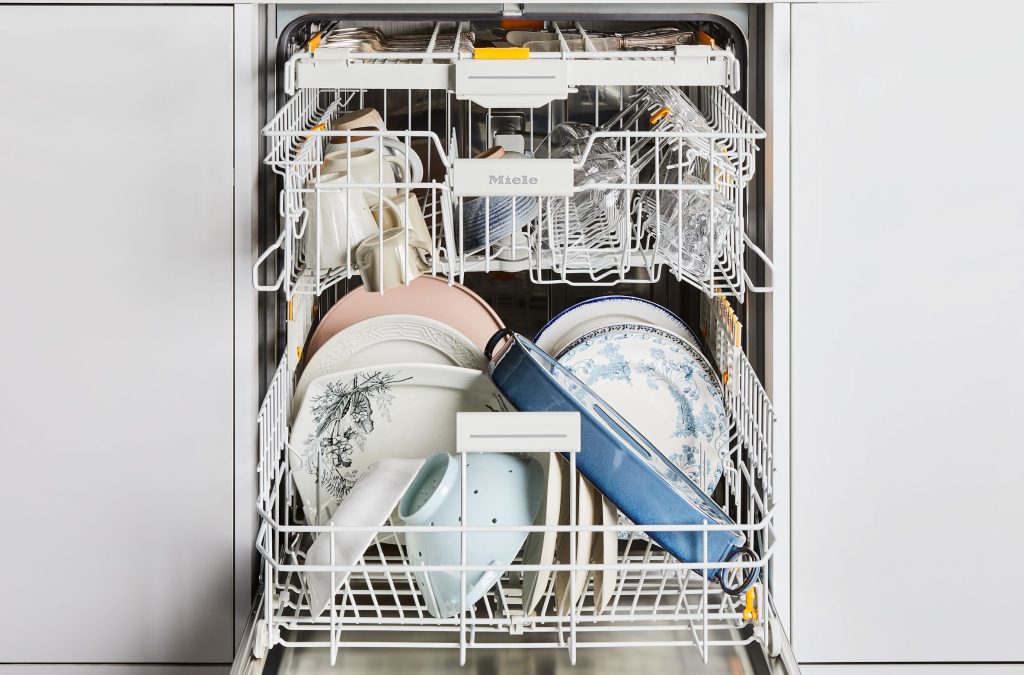
Load dishes carefully to allow water to reach every surface. Avoid overcrowding, as it blocks water flow. Place large items on the sides or back. Keep cups and bowls tilted to let water drain. Remove food scraps before loading to prevent clogs. Proper loading improves cleaning and saves water by reducing extra rinses.
Choosing The Right Cycle
Select a cycle based on the dirt level of your dishes. Use shorter or eco-friendly cycles for lightly soiled items. Heavy or long cycles use more water and energy. Modern dishwashers offer energy-saving modes that cut water use. Avoid pre-rinsing dishes under running water; rely on the dishwasher’s cycle instead.
Common Misconceptions
Many people believe they waste a lot of water by using dishwashers. Some think hand washing dishes saves more water. These ideas are common but not always true. Understanding the facts helps you use water wisely and save energy.
Dishwashers Use Excessive Water
Many assume dishwashers use too much water. Older models did use more water, but new dishwashers use less. Modern machines use about 3 to 5 gallons per cycle. That is less water than washing the same amount of dishes by hand.
Dishwashers spray water efficiently and reuse it during the cycle. They also have sensors to adjust water use based on how dirty dishes are. This reduces water waste significantly.
Hand Washing Is Always Greener
People often say hand washing is better for the environment. In reality, hand washing can use more water, especially if the tap runs continuously. Washing dishes under running water can use up to 20 gallons for a full load.
Using a basin or filling the sink helps save water during hand washing. Even then, dishwashers remain more water-efficient for large loads. They also save energy by heating water less often and recycling it inside.

Credit: menumoments.com
Future Trends In Dishwasher Efficiency
The future of dishwasher efficiency is shaping up to be exciting and practical. Advances in technology are not only helping reduce water use but also making dishwashers smarter and more user-friendly. These trends could change the way you think about running your dishwasher and managing water consumption at home.
Innovations In Water Recycling
Water recycling systems are becoming a key feature in new dishwasher models. These systems capture and clean rinse water to use it again during the next wash cycle. This can cut water use by up to 50%, which is impressive for daily household chores.
Imagine running your dishwasher without worrying about wasting gallons of water every time. Some brands are even experimenting with filters and UV light to ensure recycled water is perfectly clean. Could this be the solution to water shortages in dry areas?
Smart Technology Integration
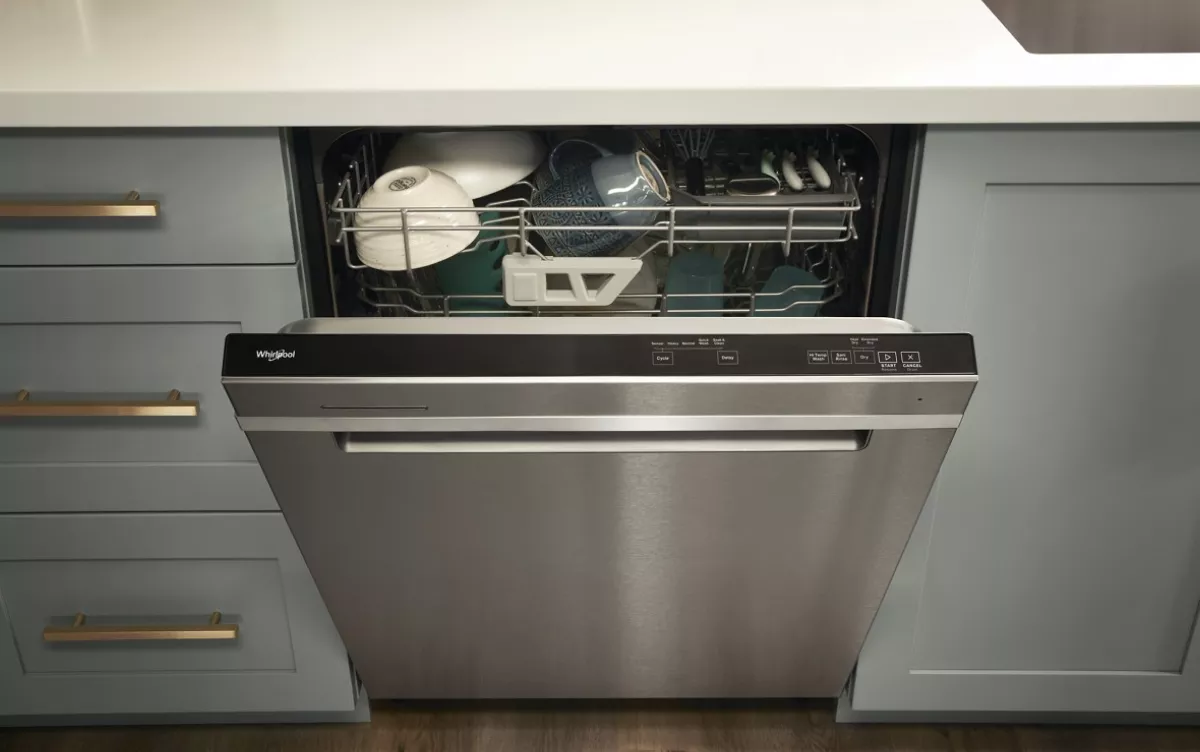
Smart dishwashers connect to your home network and adjust their cycles based on how dirty your dishes are. Sensors detect the level of grime and choose the optimal water amount and temperature. This saves water and energy without you lifting a finger.
You can also control these dishwashers remotely through an app, scheduling cycles for off-peak hours to save on electricity costs. Have you ever thought about how much water and energy you could save by simply letting your dishwasher do the thinking for you?
Credit: www.whirlpool.com
Frequently Asked Questions
How Much Water Does A Dishwasher Use Per Cycle?
A typical dishwasher uses between 3 to 6 gallons of water per cycle. Modern energy-efficient models use less water, often around 3 gallons, saving water compared to hand washing. Older dishwashers may consume up to 10 gallons per cycle.
Can Running A Dishwasher Save Water Compared To Hand Washing?
Yes, running a dishwasher generally saves water compared to hand washing. Dishwashers use water efficiently, especially when fully loaded. Hand washing often uses more water due to continuous rinsing. Energy Star-rated dishwashers maximize water and energy savings.
Does Dishwasher Water Usage Vary By Model And Age?
Water usage varies by dishwasher model and age. Newer models use less water due to improved technology and regulations. Older dishwashers may consume more water and energy. Choosing an Energy Star-certified dishwasher ensures lower water consumption per cycle.
How Can I Reduce Water Usage When Running A Dishwasher?
To reduce water usage, run the dishwasher only when fully loaded. Avoid pre-rinsing dishes excessively, as modern dishwashers clean effectively without it. Use eco or water-saving wash cycles if available. These steps help minimize water consumption per use.
Conclusion
Running a dishwasher uses less water than washing by hand. Most dishwashers need about 3 to 6 gallons of water per cycle. Choosing an energy-efficient model can save both water and energy. Running full loads helps reduce water waste. Small steps like these protect the environment and lower utility bills.
Think of your dishwasher as a smart water saver. Simple changes make a big difference over time. Keep your dishwasher well maintained for best results. Every drop counts in saving water.