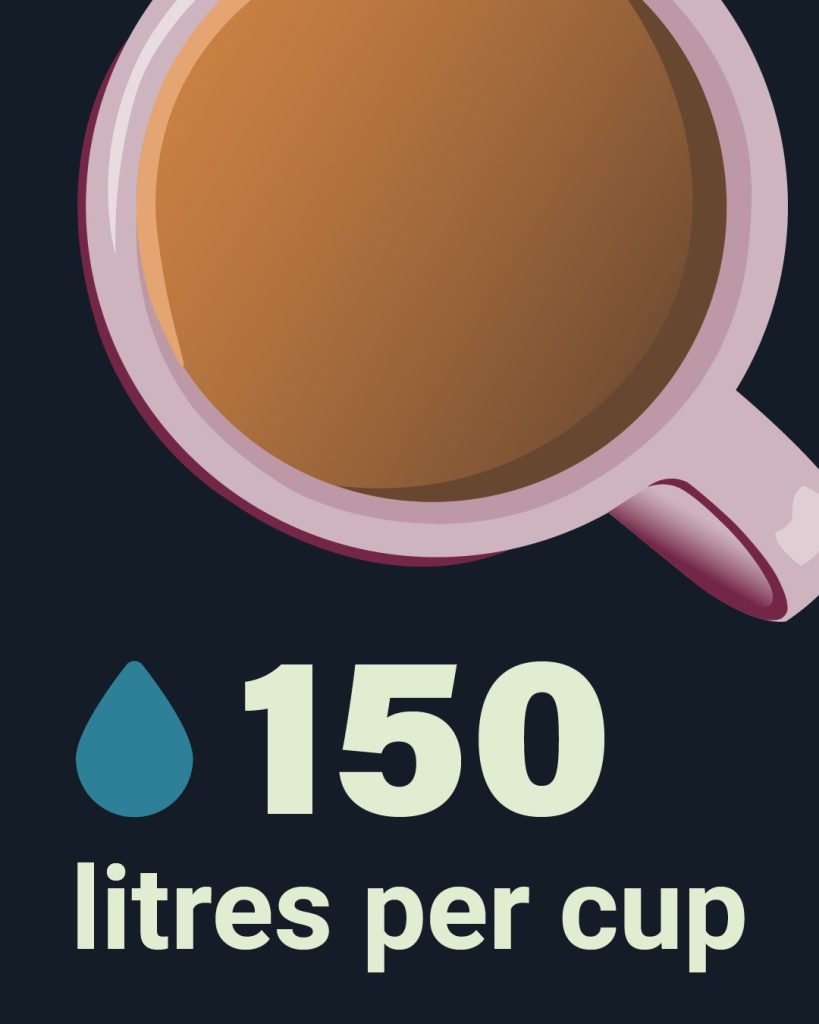
Have you ever stopped to wonder exactly how much water is in your cup of tea? It’s a simple question, but the answer can affect everything from the taste to the strength of your brew.
Knowing the right amount of water can transform your tea experience, making each sip more enjoyable and satisfying. You’ll discover the precise water content in a cup of tea and learn how this small detail can make a big difference.
Keep reading—you might never look at your tea the same way again.

Credit: www.theflavorbender.com
Standard Cup Size For Tea
A cup of tea usually has a standard size. This size helps people measure how much water to use. It also affects the taste and strength of the tea.
Knowing the standard cup size is useful for making tea the right way every time. It also helps when sharing recipes or tea times with others.
Measuring Tea Cups Globally
Tea cup sizes vary around the world. Some countries use small cups, while others prefer larger ones. This changes how much water fits in a cup.
- In the UK, a tea cup usually holds about 200 milliliters of water.
- In Japan, tea cups are smaller, around 120 milliliters.
- In the US, a cup can be 240 milliliters or more.
- India often uses small glasses or cups holding about 150 milliliters.
Impact Of Cup Size On Water Volume
The size of the cup changes how much water you pour. More water means a weaker tea taste, less water makes it stronger.
| Cup Size | Water Volume (ml) | Tea Strength |
| Small | 100 – 150 | Strong |
| Standard | 200 – 240 | Medium |
| Large | 300 and above | Weak |

Credit: medium.com
Water Content In Different Tea Types
A cup of tea is mostly water. The type of tea changes how much water stays in the drink.
Different teas need different water amounts to bring out their best flavor.
Black Tea Water Ratio
Black tea usually uses one cup of water per teaspoon of tea leaves. This makes a strong, bold flavor.
The water is fully used in the cup, with about 98% of the cup being water after brewing.
- 1 teaspoon black tea leaves
- 1 cup (about 240 ml) hot water
- Steep for 3-5 minutes
Green Tea And Herbal Tea Variations
Green tea uses slightly less water per teaspoon of leaves than black tea. It needs cooler water to avoid bitterness.
Herbal teas vary widely. Some need more water for milder taste, others less for strong flavor.
- Green tea: 1 teaspoon leaves, 3/4 cup (180 ml) water, 2-3 minutes steep
- Herbal tea: 1-2 teaspoons herbs, 1 cup (240 ml) water, 5-7 minutes steep
Brewing Techniques And Water Amount
Making a perfect cup of tea needs the right amount of water. Brewing techniques also affect the tea’s taste.
We will look at steeping time and how water use changes with loose leaf tea and tea bags.
Steeping Time
Steeping time means how long tea stays in hot water. It changes the flavor and strength.
Short steeping gives a light taste. Longer steeping makes the tea stronger but can be bitter.
- Green tea: 2-3 minutes
- Black tea: 3-5 minutes
- Herbal tea: 5-7 minutes
Water Use Effect Of Loose Leaf Vs Tea Bags
Loose leaf tea needs more water volume than tea bags. This helps the leaves expand fully.
Tea bags use less water because leaves are crushed and packed tightly. This limits expansion.
| Type of Tea | Water Amount per Cup | Notes |
|---|---|---|
| Loose Leaf | 8-10 oz (240-300 ml) | Allows full leaf expansion |
| Tea Bags | 6-8 oz (180-240 ml) | Leaves are compressed |
Health Benefits Linked To Tea Hydration
Tea is a popular drink made by infusing dried leaves in hot water. It provides both hydration and health benefits. Drinking tea contributes to your daily water intake.
Understanding how much water is in a cup of tea helps to see its role in keeping you hydrated. Tea also contains antioxidants and other nutrients that support health.
Hydration Levels From Tea Consumption
A cup of tea is mostly water. The water content is about 98% in a typical cup. This means tea helps maintain good hydration just like water.
Besides hydration, tea contains compounds that may support heart health and reduce inflammation. Drinking tea regularly adds to your fluid intake and offers these benefits.
- Tea is 98% water, supporting hydration well.
- It contains antioxidants that help protect cells.
- Tea can improve focus and reduce stress.
- It adds variety to your daily water intake.
Comparing Tea To Plain Water
Both tea and plain water hydrate the body. Tea offers extra benefits from natural compounds, but water is the purest source of hydration.
Tea has small amounts of caffeine, which may slightly increase urine output. Still, the water in tea keeps you hydrated effectively.
| Drink | Water Content | Additional Benefits | Caffeine |
|---|---|---|---|
| Plain Water | 100% | Pure hydration | None |
| Tea | About 98% | Antioxidants, stress relief | Low to moderate |
Common Misconceptions About Tea Volume
Many people wonder how much water is actually in a cup of tea. Some think the volume changes a lot when tea brews. Others believe tea loses water during brewing.
This article clears up common ideas about tea volume. It explains what really happens to water when you make tea.
Does Tea Dehydrate You?
Some believe tea causes dehydration because of caffeine. Caffeine is a mild diuretic, but tea still adds water to your body.
Drinking tea helps keep you hydrated like any other drink. The water in tea counts toward your daily fluid needs.
- Tea contains water that enters your body.
- Caffeine’s effect is small in usual tea servings.
- Tea does not cause net water loss.
Water Loss During Brewing
When brewing tea, some water evaporates as steam. This loss is small and depends on brewing time and temperature.
The water that stays in the cup is almost the same as the water you poured. The tea leaves absorb only a tiny amount.
| Factor | Effect on Water Volume |
|---|---|
| Boiling Water | Some steam escapes, small loss |
| Brewing Time | Longer brewing means slightly more evaporation |
| Tea Leaves | Absorb very little water |
| Final Cup Volume | Close to original poured water |

Credit: www.yahoo.com
Frequently Asked Questions
How Much Water Is Needed For One Cup Of Tea?
Typically, one cup of tea requires about 240 ml (8 ounces) of water. This measurement fills a standard-sized teacup. The amount may vary depending on personal preference or the specific tea type. Always adjust according to the strength and flavor you desire.
Does Tea Strength Affect Water Amount?
Yes, tea strength can affect the water amount. Stronger tea may require less water to concentrate the flavor. Conversely, lighter teas might need more water. Always experiment with different water-to-tea ratios to find your perfect brew. This ensures the taste suits your palate.
Is Boiled Water Necessary For Tea?
Boiled water is generally recommended for tea preparation. It extracts flavors effectively from tea leaves or bags. However, some delicate teas, like green or white, benefit from slightly cooler water. Boiling can scorch these leaves, so adjusting temperature is key for optimal taste.
Can I Use Bottled Water For Tea?
Yes, bottled water can be used for tea. It often results in a cleaner taste. Using high-quality water ensures there are no impurities affecting the flavor. Avoid distilled water, as it can make tea taste flat. Always choose fresh, cold water for the best results.
Conclusion
A cup of tea usually contains about 200 to 250 ml of water. This amount can change depending on the cup size and how strong you like your tea. Knowing the water content helps you stay hydrated and enjoy your drink better.
Tea is simple, yet it offers comfort and warmth in every sip. Remember, the water in your tea matters just as much as the tea leaves. Keep this in mind next time you brew a cup. Enjoy your tea, one perfect cup at a time.