
Is your car’s air conditioner not cooling like it used to? You might be wondering how often your car’s AC needs to be recharged to keep you comfortable on hot days.
Knowing the right time to recharge your AC can save you from unexpected heat and costly repairs. You’ll discover simple signs to watch for and expert tips to keep your car’s air conditioner running smoothly all year round. Keep reading to learn exactly when and why your car’s AC needs a recharge.

Credit: www.youtube.com
The Role Of Refrigerant In Car Air Conditioning
The refrigerantis the heart of a car’s air conditioning system. It moves heat from inside the car to the outside air.
This liquid changes to gas and back, absorbing heat as it moves. Without enough refrigerant, the system can’t cool well.
Leaks or time can cause refrigerant levels to drop. Too little refrigerant means the air conditioner blows warm air.
Checking and refilling refrigerant helps keep the system working. It also protects the car’s parts from damage.
Signs Your Car Ac Needs A Recharge
Weak cooling performanceis a clear sign your car AC needs a recharge. The air might feel warm or not cold enough. This happens because the refrigerant level is low. It cannot absorb heat well, so cooling drops.
Unusual noiseslike hissing or bubbling sounds can mean the system is low on refrigerant. These sounds may come from leaks or pressure changes inside the AC. It is a warning to check the system soon.
Visible leaksof oily spots near AC components or under the car suggest refrigerant is escaping. Leaks reduce the cooling power and can damage parts. Spotting leaks early can save repair costs.
Factors Affecting Recharge Frequency
The age of the vehicleaffects how often the air conditioner needs recharging. Older cars may have small leaks that cause refrigerant loss. Newer cars usually keep the system sealed better.
Usage patternsalso play a big role. Cars used daily or for long trips may need more frequent recharges. Cars rarely used or driven in cool weather may need it less often.
Climate conditionsimpact recharge frequency. Hot, humid areas make air conditioners work harder. This can lead to faster refrigerant loss. Cooler climates put less strain on the system, so recharges are needed less.

Credit: fairwayautoab.com
Steps To Recharge Your Car Ac
Gather all necessary toolsbefore starting the recharge process. This includes a recharge kit, gloves, and safety glasses. Ensure you have a clean workspace and the car is parked in a shaded area.
Locate the low-pressure porton your car’s AC system. It is usually found between the compressor and the evaporator. The port has a plastic cap labeled with an “L” or “Low.”
Attach the recharge kithose to the low-pressure port securely. Make sure the connection is tight to avoid leaks. Follow the instructions on the kit for correct handling and safety measures.
Professional Vs. Diy Ac Recharge
Professional AC rechargeensures the right amount of refrigerant is added. Experts use special tools to check for leaks and fix them. This service saves time and prevents damage to your car’s AC system. Professionals also handle hazardous chemicals safely. This reduces health risks.
DIY rechargecan be cheaper and quicker. Kits are easy to find in stores and come with instructions. It’s good for small top-ups when the AC cools less. But mistakes can happen. Overcharging or undercharging lowers AC performance. DIY may miss leaks and other problems. It needs some care and basic knowledge.
Preventive Measures For Ac Maintenance
Regular inspections keep the car AC systemworking well. Check the refrigerant level often to avoid issues.
Timely leak repairs stop the system from losing cooling power. Leaks cause the AC to run harder and waste energy.
Routine system checks ensure all parts like the compressor and condenser are in good shape. This helps the AC last longer and cool better.
- Check refrigerant levels every 6-12 months.
- Fix leaks as soon as they appear.
- Inspect compressor and condenser regularly.
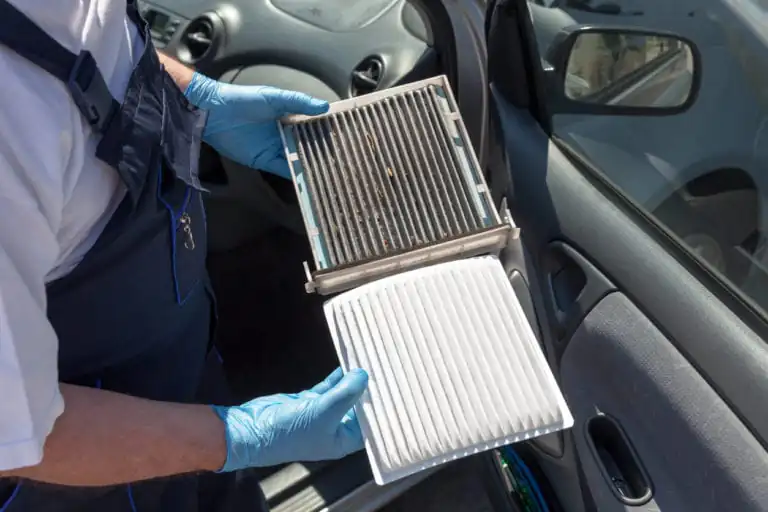
- Clean or replace air filters often.
Common Myths About Ac Recharging
Recharging a car AC is not always needed.Some people think it must be done regularly, but that is not true. The AC system only needs a recharge if it loses refrigerant due to a leak.
Leaks are the real problem, not running out of refrigerant over time. If the AC feels warm, it might have a leak or another issue. Just adding refrigerant without fixing leaks will not help.
Many believe AC recharges cost a lot of money.The price depends on the car model and the refrigerant type. Basic recharges can be affordable. Still, repairs for leaks or damaged parts will raise the cost.
- Check for leaks before recharging.
- Do not recharge the AC too often.
- Prices vary by car and service provider.
Credit: www.sunautoservice.com
Frequently Asked Questions
How Often Should Car Ac Be Recharged?
Car ACs typically need recharging every 1-3 years. Frequency depends on usage, leaks, and system condition. Regular checks help maintain efficiency and prevent costly repairs.
What Signs Indicate A Car Ac Needs Recharging?
If your car blows warm air, has weak airflow, or emits a strange smell, it likely needs recharging. These signs suggest low refrigerant or system issues requiring attention.
Can I Recharge My Car Ac Myself?
Yes, you can recharge your car AC using a DIY kit. However, improper handling risks damage or leaks. Professional service ensures correct refrigerant levels and system safety.
Does Recharging Car Ac Improve Cooling Performance?
Yes, recharging restores refrigerant levels, improving cooling efficiency. Low refrigerant causes poor cooling and system strain. Timely recharges keep your AC working optimally.
Conclusion
Car air conditioners usually need a recharge every 1 to 2 years. This depends on use, weather, and leaks. Regular checks keep the system working well. Watch for signs like weak cold air or strange noises. Timely recharging saves money and avoids bigger repairs.
Keep your car cool and comfortable all year. Don’t wait until the AC stops working. Stay ahead with simple maintenance and enjoy a smooth ride.