Your bike helmet is your first line of defense every time you hit the road or trail. But how often should you replace it to stay truly safe?
You might think a helmet lasts forever, but that’s not the case. Over time, helmets lose their ability to protect you properly. If you don’t know when to replace yours, you could be risking serious injury without even realizing it.
Keep reading to find out exactly when and why you need to get a new helmet—and how to spot the signs that your current one isn’t cutting it anymore. Your safety depends on it.
Why Helmet Replacement Matters
Bike helmets protect your head during accidents. They reduce the risk of serious injuries.
Over time, helmets lose their ability to protect. Knowing when to replace your helmet keeps you safe.
Helmet Lifespan And Materials
Most bike helmets last about five years. The materials inside can weaken with use and time.
Foam inside the helmet absorbs impact. Over time, this foam breaks down and becomes less effective.
- Polycarbonate shells can crack or fade
- EPS foam loses strength after years of use
- Straps and buckles may wear out or stretch
Impact Damage And Hidden Risks
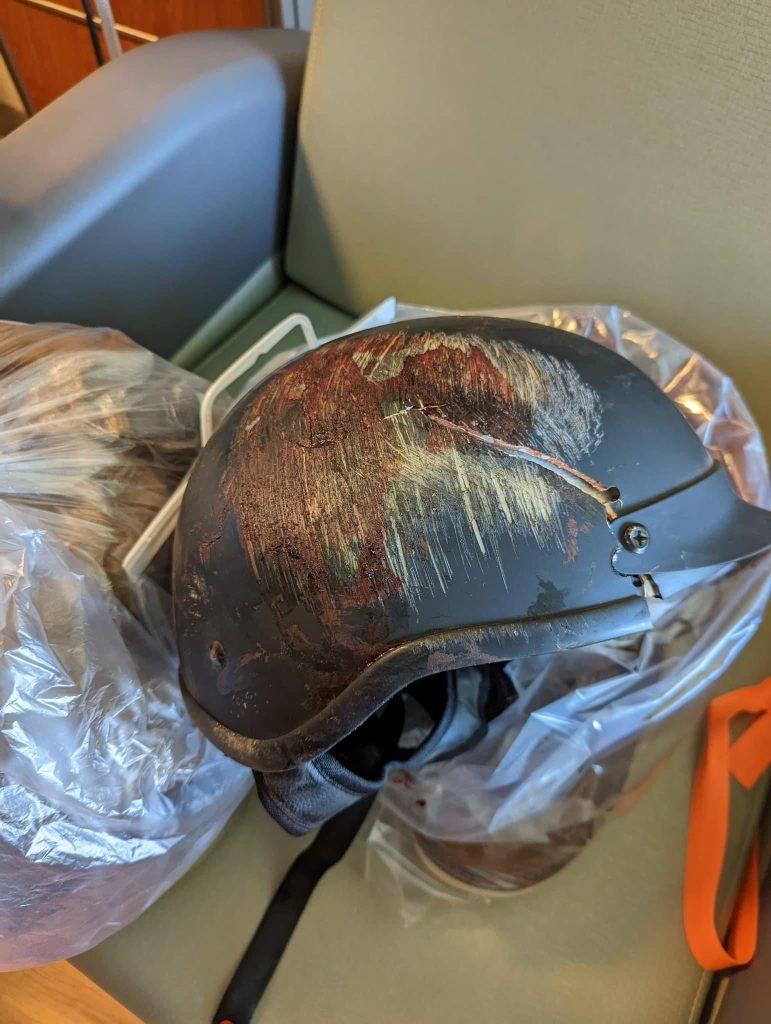
Helmets protect only once from a big impact. After a crash, your helmet may have hidden damage.
Even if cracks are not visible, the foam inside may be crushed. This lowers helmet protection.
- Replace helmets after any crash
- Check for dents, cracks, or crushed foam
- Do not reuse helmets with unknown damage
Standards And Safety Certifications
Helmets must meet safety standards to protect riders. Look for certification labels on your helmet.
Different regions have different standards. Certified helmets meet specific tests for impact resistance.
- CPSC – United States safety standard
- EN 1078 – European standard
- AS/NZS 2063 – Australian and New Zealand standard
- Snell B90/B95 – Voluntary safety certification
Signs It’s Time To Replace Your Helmet
Bike helmets play a crucial role in keeping you safe. They protect your head during rides. Knowing when to replace your helmet is important for safety.
Helmets do not last forever. Over time, wear and damage can reduce their effectiveness. Here are signs you need a new helmet.
Visible Cracks And Dents
Inspect your helmet regularly for cracks and dents. These can weaken the helmet’s structure. Even small cracks can be a sign to replace it.
Consider these points when checking for damage:
- Look for cracks on the outer shell
- Check the inner foam for dents
- Examine edges for any damage
Worn Straps And Padding
Straps and padding ensure a snug fit. If they are worn, your helmet may not stay secure. This can compromise your safety.
- Check for frayed or torn straps
- Ensure padding is not compressed
- Test buckle functionality
After A Crash Or Impact
If your helmet has been in a crash, replace it immediately. Even if it looks fine, it may not protect you in future accidents.
| Impact Type | Action |
| Minor fall | Inspect helmet |
| Major crash | Replace helmet |
| Visible damage | Replace helmet |
Recommended Replacement Intervals
Bicycle helmets protect your head during crashes. They lose strength over time. It is important to replace them regularly.
This guide explains when to replace helmets. It covers general rules and special cases for kids and frequent riders.
General Timeframe Guidelines
Most experts say to replace a bike helmet every five years. This is true even if it looks fine. The materials inside break down over time.
- Check the helmet manufacturer’s recommendation.
- Replace the helmet after any crash, even minor ones.
- If the helmet shows cracks or damage, replace it immediately.
- Do not use a helmet older than five years.
Factors That Shorten Helmet Life
Some conditions make helmets weaken faster. Heat, sunlight, and sweat can damage the foam and straps.
| Factor | Effect on Helmet |
| Strong sunlight | Breaks down helmet materials |
| High heat | Weakens foam inside |
| Heavy sweat | Damages straps and padding |
| Frequent drops | Causes cracks or dents |
Special Considerations For Kids And Frequent Riders
Kids grow fast. Their helmets may not fit well after some time. Frequent riders use helmets more often, causing wear and tear.
- Replace kids’ helmets every 3 to 4 years.
- Check the fit regularly for growing children.
- Frequent riders should inspect helmets every year.
- Replace helmets sooner if signs of damage appear.
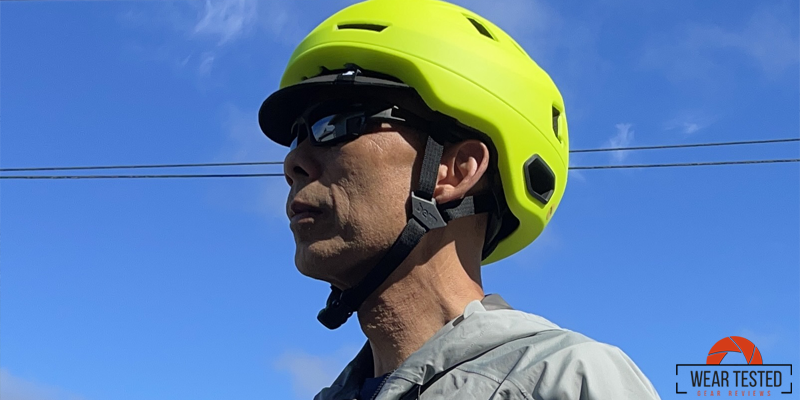
Credit: bernhelmets.com
Choosing A New Helmet
Replacing your bike helmet is important for safety. A new helmet protects your head better. Choose one that fits well and meets safety standards.
Look for features that make the helmet comfortable and durable. Consider your budget and trusted brands for the best value.
Fit And Comfort Tips
A helmet must fit snugly without feeling tight. It should sit level on your head and not move when you shake your head.
Check the straps and padding. Adjustable straps help keep the helmet stable. Soft padding adds comfort during long rides.
- Measure your head size before buying
- Try the helmet on with your usual bike gear
- Adjust straps for a secure fit
- Look for breathable padding to reduce sweat
Features To Look For
Choose helmets with safety certifications like CPSC or ASTM. These ensure the helmet meets safety standards.
Look for extra features like ventilation, lightweight materials, and removable liners. These improve comfort and usability.
- Safety certification labels
- Good ventilation for airflow
- Lightweight design to reduce fatigue
- Removable and washable liners
- Reflective elements for visibility
Budget And Brand Comparisons
Helmets come in different price ranges. Higher prices often mean better materials and more features.
Choose brands known for quality and safety. Reading reviews can help you find a good helmet within your budget.
| Price Range | What to Expect | Example Brands |
|---|---|---|
| Under $50 | Basic protection, fewer features | Brand A, Brand B |
| $50 – $100 | Better fit, more ventilation | Brand C, Brand D |
| Over $100 | Lightweight, advanced safety features | Brand E, Brand F |
Helmet Care To Extend Lifespan
Taking good care of your bike helmet helps it last longer. Proper cleaning, storage, and checking keep it safe and strong.
Follow simple steps to protect your helmet from damage. This guide explains how to clean, store, and inspect your helmet.
Cleaning And Storage Advice
Clean your helmet gently with mild soap and water. Avoid strong chemicals that can harm the materials.
- Use a soft cloth or sponge
- Do not soak the helmet in water
- Remove and wash the inner padding separately
- Air dry the helmet away from heat
- Store it in a cool, dry place
Avoiding Damage From Sun And Chemicals
Keep your helmet out of direct sunlight for long times. UV rays can weaken the shell and foam inside.
Avoid contact with solvents, gasoline, or insect repellents. These chemicals can degrade helmet materials and reduce protection.
Regular Inspections And Maintenance
Check your helmet often for cracks, dents, or worn parts. Replace any damaged padding or straps.
| Inspection Area | What to Look For |
| Outer Shell | Cracks, deep scratches, dents |
| Inner Foam | Compression, cracks, brittleness |
| Straps and Buckles | Fraying, looseness, broken parts |
| Padding | Wear, odor, loss of shape |

Credit: bernhelmets.com

Credit: road.cc
Frequently Asked Questions
How Often Should I Replace My Bike Helmet?
Replace your bike helmet every 3 to 5 years. Over time, materials degrade and reduce protection. If you crash, replace it immediately regardless of age.
Can I Use A Damaged Helmet After A Crash?
No, never use a damaged helmet. Cracks or dents weaken its safety. Always replace your helmet after any impact.
Does Helmet Age Affect Safety Performance?
Yes, helmet foam and straps degrade over time. Older helmets lose shock absorption and fit. Regular replacement ensures optimal protection.
How Do I Know When My Helmet Is Expired?
Check the manufacturer’s label for expiry date. If none, replace every 3 to 5 years. Also replace after visible wear or crash.
Conclusion
Replace your bike helmet every three to five years for safety. Cracks or damage mean replace it sooner. A fresh helmet protects your head better in falls. Don’t wait for signs; old helmets lose strength over time. Proper fit matters, so check it regularly.
Staying safe on the road starts with good gear. Keep your helmet clean and store it well. Your head deserves the best protection every ride. Simple steps keep cycling fun and injury-free. Safety first, always.